
TL;DR

Turn quiet afternoons into listening time
- Thousands of audiobooks, podcasts and originals
- Listen on your phone, tablet or Echo — also offline
- Cancel anytime
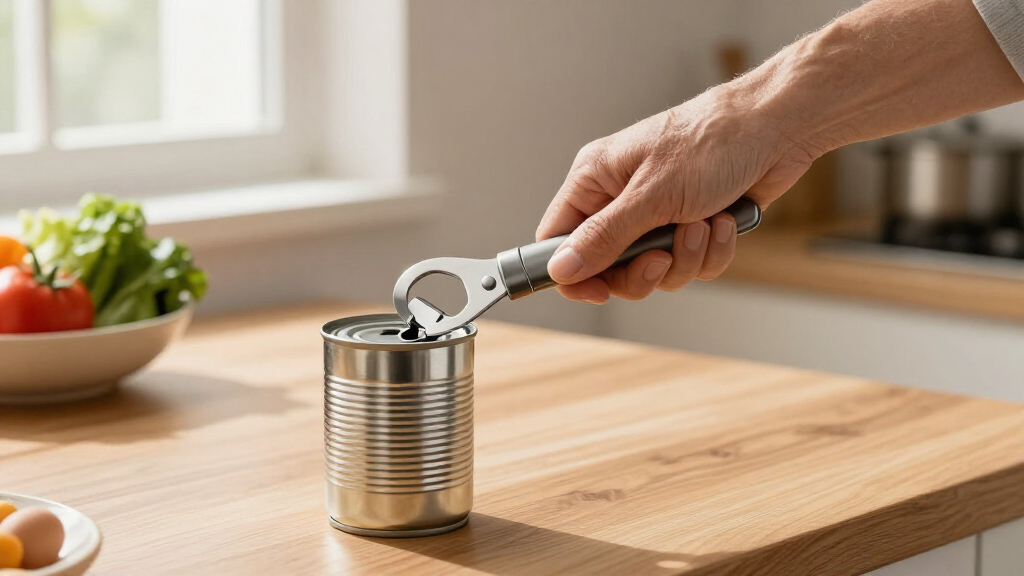
The best hand-friendly can opener reduces squeezing, twisting, and wrist strain. Electric models often require less effort, but ergonomic manual openers with large handles work well too. Focus on features like cushioned grips, smooth operation, and stability.
Imagine the satisfying *pop* of a can opening without the usual struggle, or the satisfying click of a smooth-operating electric model. If your hands aren’t as strong as they used to be, that simple task can suddenly feel like climbing Mount Everest. But it doesn’t have to be that way.
Choosing a can opener that’s gentle on your hands can turn a daily chore into a quick, pain-free moment. Whether you deal with arthritis, tremors, or just tired hands, the right tool can make all the difference. In this guide, you’ll learn what features to look for and how to pick a model that fits your needs — so you can open cans with confidence and comfort.
Prioritize large, cushioned handles and wide knobs to reduce grip effort.
Electric openers often require less physical effort, ideal for arthritis or tremors.
Test the opener if possible — comfort and ease of use vary by individual.
Look for models with smooth gears and sharp blades to minimize resistance.
Stay updated on new features like magnetic lids or side-cut mechanisms for safer opening.
Choosing a Can Opener That’s Kind to Your Hands
The right opener replaces squeezing, twisting, and wrist strain with a smooth, controlled motion. For arthritis, tremors, neuropathy, reduced strength, or simply tired hands, comfort comes down to leverage, stability, sharpness, and a design that matches your body.
Six features that do the real work
A large handle alone does not guarantee an easy opener. Comfort comes from the whole mechanism working together: the grip, knob, cutting wheel, gears, latch, and wrist position.
Cushioned handles
Thick, non-slip surfaces distribute pressure across the palm and reduce the need to pinch thin metal grips.
Oversized knob
A broad or wing-shaped knob provides leverage and requires less fine finger strength to keep the cutter moving.
Minimal squeezing
A locking or latching mechanism removes the need to clamp the handles continuously throughout the cut.
Smooth gearing
Well-aligned gears and a sharp cutting wheel prevent stalls, repeated attempts, sudden slips, and extra twisting.
Stable contact
Rubberized grips, secure rim engagement, and a stable base improve control when hands are weak, wet, or unsteady.
Easy maintenance
Removable or wipe-clean cutting parts reduce fiddly scrubbing and help prevent residue, rust, and stiff operation.
Manual or electric?
Electric models usually demand the least strength. A well-built ergonomic manual opener remains an excellent choice when storage, portability, simplicity, or cost matters more.
Ergonomic manual
Best when you still have enough grip to engage the mechanism and turn a wide knob comfortably.
Electric
Best for severe arthritis, weak grip, tremors, joint pain, or frequent can opening.
| Feature | Manual opener | Electric opener |
|---|---|---|
| Hand effort | ~Varies with handle, knob, gears, and blade | ✓Low; usually position the can and activate |
| Small spaces | ✓Compact, portable, and drawer-friendly | ✗Countertop models need storage and clearance |
| Upfront cost | ✓Usually lower, though quality varies widely | ~Higher, but often worthwhile for daily use |
| Irregular rims | ~Good models allow more manual control | ✗Some units stall on dented or unusual cans |
| Weak grip | ~Choose locking handles and a broad knob | ✓Usually the more comfortable option |
Match the tool to the limitation
These relative comfort scores are a practical decision guide, not clinical measurements. Higher bars indicate a stronger fit for reducing hand effort in common kitchen use.
Small design choices create safer routines
A hand-friendly opener does more than save effort. Better contact and smoother motion reduce awkward corrections, help protect the wrist, and make independent meal preparation easier.
Is it squeezing, turning, pain, tremor, alignment, or lifting?
Severe weakness favors electric; moderate strength may suit ergonomic manual.
Inspect grip texture, knob size, release, stability, cleaning, and handedness.
Keep the wrist straight and reject any design that pinches, slips, or stalls.
Questions worth asking
Recent designs add magnetic lid lifters, smoother side cuts, one-touch operation, rechargeable power, ambidextrous controls, and removable cutting components. Reliability should still come before novelty.
Are electric openers better for arthritis?
Often, yes. They minimize squeezing and twisting. A stable countertop model is usually most comfortable, though the can still needs to be positioned correctly.
Are smooth-edge models safer?
They generally leave a less jagged rim and keep the blade away from food. The lid can still be sharp, so inspect it and handle it carefully.
What helps with limited strength?
Prioritize thick cushioned handles, a broad turning knob, smooth gears, and a locking mechanism—or choose a one-touch electric model.
Will it work for either hand?
Not always. Check for explicit ambidextrous or left-handed compatibility, because manual cutting direction and knob placement vary.
When should an opener be replaced?
Replace it when the blade dulls, gears slip, handles loosen, rust appears, residue cannot be cleaned, or opening requires noticeably more force.
What should battery models include?
Look for an accessible battery compartment, simple controls, dependable rim detection, and a manual-release function in case the opener stops mid-cycle.
What features make a can opener easy on your hands?
Look for large, cushioned handles that distribute pressure across your palm, reducing strain. An oversized, wing-shaped knob requires less finger strength and offers better leverage. The smoother the operation, the less effort it takes. A sharp, well-aligned cutting wheel slices through cans with minimal resistance, saving your wrist from twisting.
These features matter because they directly influence how much force you need to exert. Handles with adequate padding and size lessen the grip strength needed, which is crucial for arthritis sufferers or those with limited hand mobility. A well-designed gear system ensures smooth, consistent cutting, preventing sudden slips or excessive force that can lead to fatigue or injury. The tradeoff is that some ergonomic models might be bulkier or more expensive, but the comfort and safety benefits often outweigh these concerns. Ultimately, the goal is to reduce the physical barriers to opening cans, so you can maintain independence without risking strain or pain.
ergonomic manual can opener for arthritis
As an affiliate, we earn on qualifying purchases.
As an affiliate, we earn on qualifying purchases.
Are electric can openers really better for weak or sore hands?
Electric can openers are often more than just convenient—they can be transformative for those with limited grip strength or joint pain. Because they require minimal manual force, they significantly decrease the physical effort needed. This reduction in effort can prevent fatigue and reduce the risk of joint strain or injury, making daily tasks more manageable and less painful. Additionally, electric openers often incorporate safety features, like automatic shutoff and smooth cutting mechanisms, which help avoid accidental cuts or mishandling.
However, it’s important to recognize that electric openers are not perfect for everyone. They may struggle with irregular or damaged can rims, which can cause frustration or incomplete openings. Some models are bulky, requiring counter space, and can be less portable. The tradeoff here is between ease of use and convenience versus size and adaptability. For many, the benefits of reduced physical effort and increased safety outweigh these potential drawbacks, especially for those with severe hand limitations. Choosing a high-quality, easy-to-operate model can make a significant difference in maintaining independence and reducing discomfort in daily routines.
electric can opener with large handles
As an affiliate, we earn on qualifying purchases.
As an affiliate, we earn on qualifying purchases.
Manual vs. electric: Which is kinder to your hands?
| Feature | Manual Can Openers | Electric Can Openers |
|---|---|---|
| Ease of use | Requires grip, twist, or squeeze, which can be tiring for weak hands or painful joints. The level of effort depends heavily on gear quality and handle design, meaning some models may still be challenging despite being manual. | Press a button, minimal physical effort. They are designed to reduce strain and are especially beneficial for those with limited strength or dexterity, promoting independence and safety. |
| Best for small spaces | Compact, portable, and easy to store in tight kitchens, but may require more manual effort. | Countertop models that need space but offer effortless operation, ideal for those who prioritize ease over portability. |
| Cost | Usually less expensive, making them accessible for many users, but durability and comfort vary. | Higher upfront cost but often more durable and easier to use, providing better long-term value for those with significant hand limitations. |
| Effort level | Varies; gear quality and handle design matter greatly. A poorly designed manual opener can still be quite strenuous, whereas high-quality models can reduce effort considerably. | Low effort, designed specifically for weak or painful hands, reducing fatigue and increasing safety during use. |
hand-friendly can opener with cushioned grips
As an affiliate, we earn on qualifying purchases.
As an affiliate, we earn on qualifying purchases.
Frequently Asked Questions
Are electric can openers better for arthritis?
Yes, they often demand less squeezing and twisting, making them easier for those with arthritis. But you still need to position the can and press a button. A countertop model with a stable base is usually the most comfortable option.
Are smooth-edge can openers truly safer?
They tend to leave less jagged metal, reducing cut risks. However, the ease depends on the design and quality. Always inspect the rim after opening and handle lids carefully, regardless of the opener type.
What should I look for in a can opener if I have limited hand strength?
Choose one with large, cushioned handles, a big turning knob, and smooth gears. Electric models or ones with locking mechanisms can also reduce effort and strain, making the task safer and easier.
Can a can opener work for both right- and left-handed users?
Some models are ambidextrous, but many are designed for right-handed use. Check descriptions carefully, and opt for models explicitly labeled as suitable for both hands for best comfort.
How often should I replace my can opener?
Replace when the blade dulls, gears slip, or handles loosen. Rust, difficulty opening cans, or food residue that won’t clean out are signs it’s time for a new one.
automatic can opener for limited grip strength
As an affiliate, we earn on qualifying purchases.
As an affiliate, we earn on qualifying purchases.
Conclusion
Choosing a can opener that’s kind to your hands isn’t just about comfort — it’s about maintaining your independence and dignity in the kitchen. With the right tool, opening cans becomes a simple, safe task, not a painful chore.
Remember, the best opener is the one that fits your needs perfectly. Take your time, test if you can, and enjoy the ease of a good, gentle can opener. Your hands will thank you — and so will your peace of mind.
Halloween Picks
halloween
As an affiliate, we earn on qualifying purchases.