TL;DR

Turn quiet afternoons into listening time
- Thousands of audiobooks, podcasts and originals
- Listen on your phone, tablet or Echo — also offline
- Cancel anytime
Counter-supported balance exercises are simple movements that enhance stability, leg strength, and confidence. Practicing a few times a week can make a noticeable difference in everyday safety and independence.
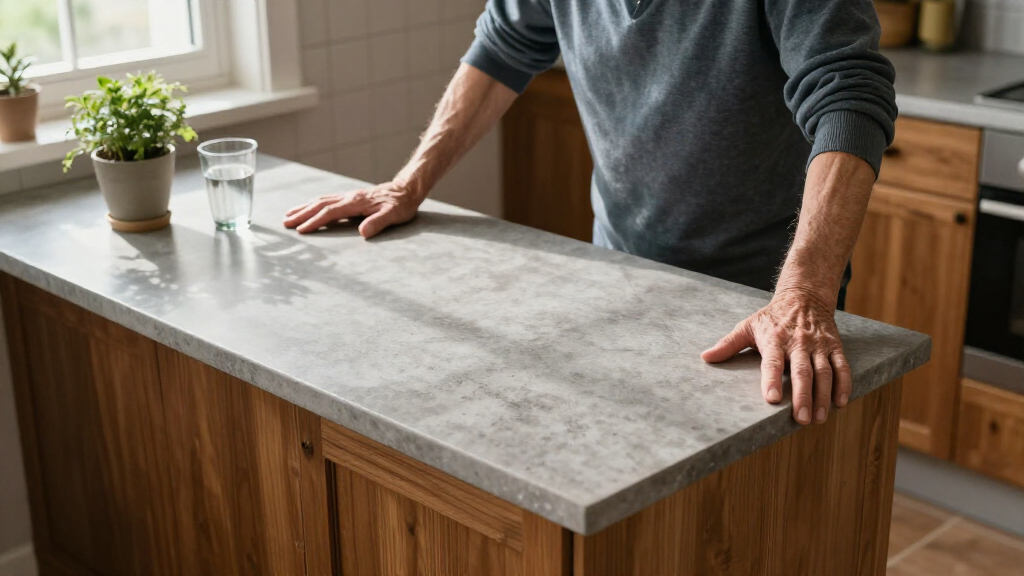
Ever notice how many of your daily tasks happen right at the kitchen counter? Standing there, you’re already in a perfect spot to turn simple movements into effective balance workouts. These exercises don’t require gym equipment or fancy memberships — just a sturdy surface and a little mindful effort.
Why bother? Because balance isn’t just about avoiding falls; it’s about feeling steady during everyday moments—reaching for a spice jar, stepping into the shower, or tidying up the counter. With a few quick moves, you can strengthen the muscles that keep you upright and confident, all while enjoying the cozy familiarity of your home.
Supporting yourself with a sturdy counter allows safe practice of balance exercises, reducing fall risk.
Aim for 2–3 short sessions weekly, focusing on control and gradual challenge increase.
Start with basic movements like weight shifts and heel raises, then progress carefully.
Never push beyond your comfort zone — safety must come first.
Balance training works best when combined with strength, home safety, and medical reviews.
Simple Balance Exercises You Can Do by the Counter
Turn a familiar kitchen surface into a practical training station. A few controlled movements can strengthen your legs, improve coordination, and build confidence for reaching, walking, turning, and stepping.
Control beats speed · Safety comes firstShort, repeatable practice supports coordination and muscle memory.
Choose a small group of movements and perform them with care.
Begin with both hands and reduce support only when you feel steady.
Mix foundational strength, stance, and movement drills.
A focused selection is enough for a useful routine.
Slow, controlled repetitions are more valuable than speed.
Stay within a duration you can manage without strain.
Build a safe practice zone
Your counter should function as a reliable safety net. Stand close enough to touch it without leaning, clear the surrounding floor, and keep support within immediate reach throughout the session.
Fixed, sturdy, and able to take your weight
Use a kitchen counter that does not shift when pressed. Avoid rolling carts, lightweight tables, towel rails, open cabinet doors, and unstable chairs.
12 counter-supported exercises
Select three to five movements. Keep your trunk tall, breathe normally, and use only as much hand support as you need. Stop before fatigue makes your form less controlled.
Weight Shifts
Shift toward one foot, return to center, then move toward the other. Keep both feet down and your torso upright.
8–10 each sideStaggered Shifts
Place one foot slightly forward. Move your weight forward and backward without lifting either foot or bending at the waist.
8–10, then switchMarching in Place
Lift one knee, lower it softly, and alternate legs. Stay tall and avoid leaning backward as the knee rises.
10–20 alternatingHeel Raises
Rise onto the balls of both feet, pause briefly, and lower your heels slowly while keeping your feet pointed forward.
8–15 repetitionsToe Raises
Keep your heels on the floor as you lift your toes and forefeet. Lower them with control to train ankle stability.
8–15 repetitionsSide Leg Raises
Lift one leg a short distance sideways. Keep your torso vertical and your toes facing forward rather than turning out.
8–12 each sideBackward Leg Raises
Move one mostly straight leg slightly behind you. Gently engage the buttock without arching your lower back.
8–12 each sideNarrow-Stance Hold
Bring your feet close together and hold an upright position. Keep the counter ready for immediate support.
10–30 secondsSemi-Tandem Hold
Place one foot partly ahead of the other. Hold steadily, then change which foot leads.
10–30 secondsTandem Stance
Place one heel directly in front of the opposite toes, as though standing on a line. Maintain hand support as needed.
10–30 secondsSingle-Leg Stand
Lift one foot slightly while holding the counter. Keep your standing knee soft and your body tall.
Up to 20 secondsMini Squats
Bend your knees a small amount, send your hips back, and stand tall again. Keep your chest lifted and knees controlled.
8–12 repetitionsChange one variable at a time
Progress should feel deliberate, not dramatic. Master the current version before narrowing your stance, extending a hold, or reducing hand contact. Never add several challenges at once.
Both hands
Learn the movement with steady, comfortable support.
Fingertips
Use a lighter touch only after your form remains controlled.
One hand
Reduce contact while staying close enough to grasp the counter.
Brief hover
Hover only when fully steady, with support immediately available.
Small sessions, repeated consistently
The bars show useful working ranges, not performance targets. Begin near the lower end and stop when control declines.
Know when to advance—and when to pause
Challenge supports improvement only when it remains safe. Use this guide to distinguish a controlled progression from a warning sign.
| Signal | Meaning | Response |
|---|---|---|
| ✓ Steady form | Comfortable posture and smooth movement | Continue at the current level |
| ✓ Easy support | You are barely pressing into the counter | Consider lighter hand contact |
| ~ Mild wobble | You recover quickly without grabbing | Keep the same level and slow down |
| ~ Fatigue | Posture or control begins to decline | Rest or end the session |
| ✗ Dizziness | You feel lightheaded, disoriented, or unsafe | Stop immediately and sit safely |
| ✗ Pain or weakness | Symptoms are sudden, severe, or unfamiliar | Stop and seek appropriate medical help |
Support creates room for better control
Balance training works through several linked systems. The counter reduces immediate instability while your body practices the skills needed for everyday movement.
Balance exercises are one part of fall prevention
Stop immediately
- Chest pain, faintness, or severe shortness of breath
- New weakness, numbness, or sudden vision changes
- Significant dizziness or an inability to remain safely upright
Use a broader plan
- Combine balance work with strength and functional exercise
- Review home hazards, footwear, vision, and medication effects
- Seek medical assessment for persistent or unexplained problems
Why Using Your Counter Is a Game-Changer for Balance
Your kitchen counter isn’t just for cooking — it’s your safety net. A sturdy, fixed surface provides support, helping you practice balance without fear of falling. Unlike free-standing exercises, supported moves let you focus on control and proper form.
Imagine gently shifting your weight from side to side, feeling the solid support beneath your hands. This simple setup makes challenging movements safer and more accessible, especially for those just starting or with mild balance concerns.
Research shows that even light, supported balance work can improve stability over time. It’s like giving your legs a gentle workout, boosting strength and confidence in one easy step. The key is that support reduces the fear of falling, which often causes hesitation and muscle guarding, ultimately limiting your progress. By practicing with support, you gradually retrain your nervous system to maintain balance with less reliance on external aids, leading to more natural and confident movements in daily life.
counter support balance exercise equipment
As an affiliate, we earn on qualifying purchases.
As an affiliate, we earn on qualifying purchases.
12 Easy Balance Moves to Do Right at Your Counter
Here’s a list of proven, straightforward exercises you can do at home. Each one targets different muscles and skills needed for good balance. Starting with these foundational moves helps develop control and strength, which are essential for preventing falls. The reason these exercises are effective is that they mimic everyday movements, making the training highly functional. When you understand the purpose behind each move, you can tailor your routine to focus on areas where you feel less stable, optimizing your progress.
Choose 3-5 exercises to do 2-3 times weekly. Just 10 minutes can make a real difference. Remember, consistency is more important than intensity; regular practice ingrains better balance habits and strengthens neural pathways involved in postural control.
| Exercise | What It Does | How to Do It |
|---|---|---|
| Weight Shifts | Builds side-to-side stability | Stand with feet hip-width apart, gently shift weight onto one leg, then the other, maintaining control. This trains your ability to stabilize during uneven terrain or sudden movements, which are common in daily life. |
| Heel Raises | Strengthens calves and ankles | Rise slowly onto toes, feeling the contraction in your calves, then lower gradually. Strong ankles and calves provide a stable base, reducing the likelihood of ankle sprains or falls during trips or slips. |
| Single-Leg Stand | Challenges your steadiness and proprioception | Lift one foot slightly while holding the counter for support; aim to hold for up to 20 seconds. This move directly trains your body’s ability to maintain balance on one limb, which is often required when stepping over obstacles or uneven surfaces. |
| Mini Squats | Improves leg strength and control | Bend knees slightly, keeping your back straight and core engaged, then stand back up. Building leg strength helps you recover from slips and supports safe mobility during everyday activities. |
Mix and match these to keep your routine fresh and effective. Remember: control beats speed, and safety comes first. Understanding the purpose behind each movement helps you stay motivated and mindful during practice, which enhances overall gains and reduces the risk of injury.
sturdy kitchen counter balance aid
As an affiliate, we earn on qualifying purchases.
As an affiliate, we earn on qualifying purchases.
How Often Should You Practice? Balance Tips for Steady Progress
Consistency is key. Aim for at least two sessions a week, with each lasting 10-15 minutes. Short, frequent workouts are easier to fit into your day and help reinforce neuromuscular pathways involved in balance. The reason frequency matters is that your nervous system adapts through repeated exposure, leading to better coordination and muscle memory. Starting slow allows your muscles, joints, and nervous system to adapt gradually, reducing the risk of overexertion or injury. As you become more confident, you can increase the challenge by adding more repetitions, reducing support, or holding positions longer. The tradeoff with progression is balancing challenge with safety—pushing too hard too soon can lead to setbacks, while gradual increases promote lasting improvements.
Remember, quality matters. Move slowly, stay mindful, and listen to your body. Rest if you feel fatigued or unsteady. Ultimately, consistency and patience are your best tools for building lasting balance skills that translate into everyday safety.
As an affiliate, we earn on qualifying purchases.
Safe Ways to Progress Without Risking a Fall
Progress slowly. Only change one thing at a time. For example, start by reducing hand support, then try a narrower stance after you’re comfortable with the basic movements. This approach allows your body and nervous system to adapt gradually, minimizing the risk of overloading your balance capacity. Never move to unsupported or more difficult positions until you can do the simpler ones confidently; rushing this process increases fall risk. For instance, don’t close your eyes or stand on uneven surfaces until your strength and control are well established. Use your support as a safety net, not a crutch. If something feels off — wobbling, dizziness, or fatigue — stop immediately. Your safety always comes first. Remember that the goal is sustainable improvement, not quick fixes. Patience and cautious progression help ensure you build confidence and strength safely over time.
As an affiliate, we earn on qualifying purchases.
What Modern Balance Training Looks Like Today
Today’s best advice combines balance exercises with strength, flexibility, and functional movements. It’s about creating a balanced routine tailored to your abilities, not a one-size-fits-all approach. This holistic view recognizes that balance isn’t just about muscle strength but also involves joint flexibility, coordination, and mental focus. Addressing home hazards, managing medications, and reducing environmental risks are equally important, as they directly influence your ability to stay safe. New tech tools like video-guided exercises and wearable sensors can enhance your training by providing real-time feedback and motivation, but they should complement, not replace, professional guidance—especially for those at higher risk. Remember: a steady balance is the result of a well-rounded, personalized plan that incorporates physical, environmental, and psychological factors, rather than relying solely on isolated exercises.
Frequently Asked Questions
How long should I hold each position?
Start with 5–10 seconds per hold. As your confidence and control improve, try to hold each position for up to 30 seconds. Focus on maintaining good form and avoiding wobbling or fatigue.
Should I do these exercises barefoot?
Supportive, nonslip shoes are recommended for safety, especially on smooth floors. If you feel stable barefoot and have no foot issues, you can try barefoot, but always prioritize support and grip.
Can I do these every day?
Short, daily sessions can be beneficial, but at minimum aim for 2–3 times a week. Rest days help your muscles recover and prevent fatigue. Consistency over time matters most.
What if I feel wobbly or unsteady during exercises?
Wobbling is normal when you’re challenging your balance, but don’t push into discomfort or panic. Keep your support, slow down, and only advance when you feel confident.
Are these exercises enough to prevent falls?
Supported balance exercises are a valuable part of fall prevention, but should be combined with home safety checks, medical reviews, and strength activities for best results.
Conclusion
Standing at your kitchen counter isn’t just for cooking — it’s a simple way to stay steady and safe. Regular, mindful practice can help you feel more confident in everyday movements, from reaching for a jar to stepping outside.
Remember, steady progress comes from patience, consistency, and listening to your body. Your home is your safest gym — all you need is a little time and support.
Fall Picks
fall essentials
As an affiliate, we earn on qualifying purchases.