
TL;DR

Turn quiet afternoons into listening time
- Thousands of audiobooks, podcasts and originals
- Listen on your phone, tablet or Echo — also offline
- Cancel anytime
Creating a cool porch involves combining effective shade options with strategic airflow. Natural trees, adjustable shades, and outdoor fans work together to lower perceived temperatures and keep you comfortable without excessive effort or cost.
Imagine your porch on a hot summer day. The blazing sun beats down, the air feels thick and sticky. Yet, with a few simple tweaks, you can turn it into a shady, breezy haven. No sweat, no energy drain—just cool comfort and country charm. That’s what this guide is all about.
Whether you love relaxing with a glass of lemonade or hosting friends for a backyard cookout, knowing how to keep your porch cool makes all the difference. We’ll explore natural shade solutions, clever ventilation tricks, and modern innovations that help you stay comfortable without turning on a single air conditioner.
Shade can cut outdoor temperatures by up to 20°F, making your porch more comfortable.
Natural breezes combined with fans or misting systems dramatically increase perceived cooling.
Design features like overhangs and reflective floors help keep heat at bay without extra effort.
Modern innovations like motorized shades and solar-powered fans make outdoor cooling smarter and easier.
The best approach is a mix of natural shade, strategic airflow, and smart design—think of it as country comfort on demand.
How to Choose the Best Shade for Your Porch
Shade is your best friend on a hot day. It blocks the sun’s harsh rays and cuts the heat. The key is picking the right kind for your porch’s style and your pocketbook.
Natural shade from trees, like oaks or maples, creates a lush canopy that offers consistent, long-term cooling benefits. They also add a peaceful, country vibe that enhances your outdoor ambiance. However, they grow slowly and require maintenance, so they’re a long-term investment. For more immediate and flexible options, consider umbrellas, shade sails, or retractable awnings. These can be adjusted or moved as the sun shifts, giving you control over sunlight and shade intensity—helping you optimize comfort throughout the day.
Materials matter, too. Light-colored fabrics and reflective surfaces bounce heat away instead of trapping it. Think of white or beige fabrics on outdoor curtains or umbrellas—these stay cooler under direct sun, reducing heat transfer to your porch and making the space more inviting. Choosing the right shade means balancing durability, aesthetics, and functionality, so consider how much sun and wind your porch typically faces to select the most effective options.
Understanding the tradeoffs between natural and artificial shade sources is crucial. Natural trees provide ongoing, eco-friendly cooling but require patience and maintenance. They also offer additional benefits like habitat and aesthetic appeal. Conversely, artificial shades like umbrellas and awnings are immediately effective and adjustable but may need replacement over time and can be less sustainable. The choice depends on your long-term plans, budget, and the specific climate of your area.
As an affiliate, we earn on qualifying purchases.
Simple Tricks to Get More Breeze on Your Porch
Feeling a breeze is like a breath of fresh country air. It cools your skin, helps evaporate sweat, and lifts your spirits. The goal? Maximize natural wind flow with smart placement and a few gadgets, but also understand how airflow patterns work and their limitations.
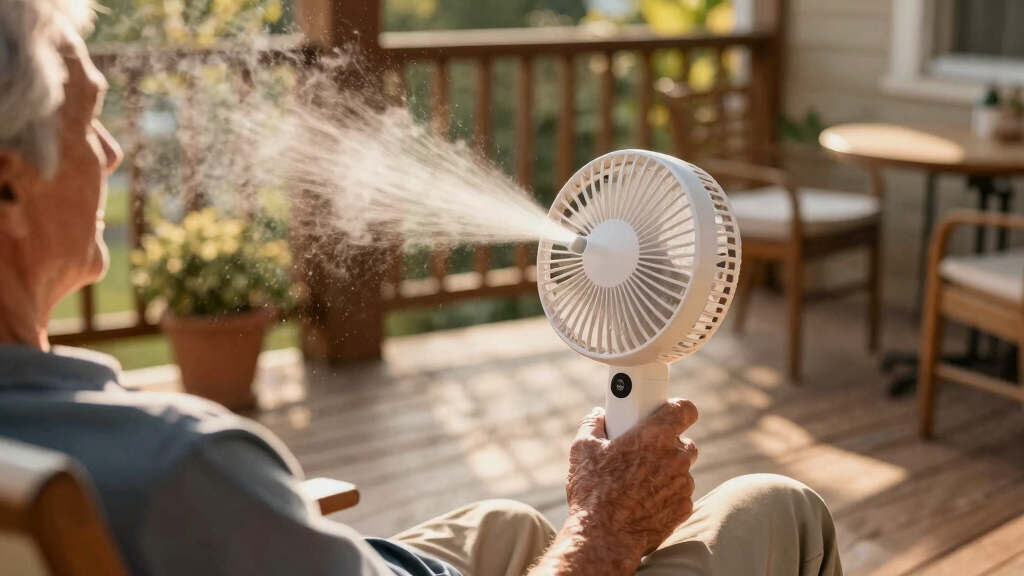
Start by positioning furniture and seating to promote cross-ventilation—placing openings or windows opposite each other encourages wind to flow through. If prevailing winds blow from the west, orient your porch or seating to face that direction. Add outdoor fans—preferably with adjustable speeds and weatherproof designs—to circulate air more effectively when natural breezes are weak or inconsistent. Misting systems aren’t just for fancy patios—they can lower perceived temps by up to 20°F by increasing evaporation, which is especially effective during humid days when natural breezes are scarce.
Picture this: a gentle breeze stirring the hanging wind chimes as a fan whirs softly nearby. That’s the kind of comfort you want to recreate, but be mindful that fans can only do so much. In areas with low wind, relying solely on fans might not be enough; combining them with natural airflow strategies maximizes cooling efficiency and energy savings.
Understanding airflow patterns helps you make smarter decisions about where to place fans and furniture. For instance, positioning fans near openings where wind enters can amplify natural breezes, while placing them where they can break stagnant air pockets improves overall comfort. Keep in mind, however, that mechanical fans consume energy and may require maintenance, so balancing natural and mechanical methods is key to sustainable cooling.
As an affiliate, we earn on qualifying purchases.
Design Tips to Keep Your Porch Cool All Summer
Design choices can make or break your outdoor comfort. Facing your porch away from the afternoon sun, installing overhangs, and choosing reflective flooring all help keep things cool. But understanding the implications of these choices can help you make smarter decisions.
For example, a porch facing north or east gets less direct sun during peak heat hours, naturally reducing heat gain. Overhangs and vented roofs allow hot air to escape while providing shade—think of them as your porch’s passive cooling system. These features work best when combined with proper insulation and ventilation strategies, which can prevent heat buildup and promote air circulation. Reflective flooring, such as light-colored concrete or stone, reflects rather than absorbs solar radiation, significantly lowering surface temperatures and reducing heat transfer to the space below. Incorporating shade structures that are adjustable or extendable can give you control over sunlight exposure, balancing comfort with natural light and outdoor usability.
Properly designed shading elements can also influence airflow. Overhangs and vents facilitate natural convection, allowing hot air to rise and escape, which helps keep the porch cooler. When planning your porch, consider how the orientation and features interact to maximize passive cooling. For example, combining reflective surfaces with shade structures and natural ventilation creates a synergy that reduces reliance on active cooling methods, saving energy and costs.
Imagine sitting on a shaded porch with a gentle breeze, while the roof’s vents quietly let hot air escape. Properly designed, these elements work together to create a cooler, more comfortable environment, reducing reliance on active cooling systems and saving energy in the long run.
As an affiliate, we earn on qualifying purchases.
What Are the Latest Innovations in Porch Cooling?
Technology is making outdoor comfort smarter and easier. Automated retractable shades and motorized awnings adjust based on the sun’s position, so you stay shaded without lifting a finger. These innovations respond dynamically to changing conditions, reducing the need for manual adjustments and ensuring optimal comfort throughout the day.
Eco-friendly options like solar-powered fans and reflective, sustainable materials are gaining ground. Portable evaporative coolers and outdoor cooling systems can lower perceived temperatures by up to 20°F, according to Huckfarm. These systems often incorporate smart controls, allowing you to operate them remotely or set schedules, which can save energy and enhance convenience.
Think of these innovations as your country porch’s personal chill squad—ready to keep you cool with the push of a button or a tap on your phone. They also often include features like weather sensors and automated operation, which help optimize cooling while minimizing energy use, making outdoor comfort more accessible and environmentally friendly.
Understanding how these technological advances respond to environmental conditions is key. For example, sensors that detect sunlight intensity or temperature can trigger shades or fans to activate only when needed, optimizing energy use and comfort. While these innovations can involve higher upfront costs, they offer long-term savings through energy efficiency and enhanced usability, making them a smart investment for modern outdoor living.
As an affiliate, we earn on qualifying purchases.
How to Mix and Match Shading and Breeze for Perfect Comfort
The best porch comfort comes from combining shade and breeze. Think of it as a country picnic—shade keeps the sun away, while a breeze keeps you cool and refreshed. But understanding how to balance these elements and adapt to changing conditions is key to sustained comfort.
Start with natural shade—plant quick-growing trees or use large umbrellas—to provide initial relief. Then add adjustable shades or retractable awnings to fine-tune sunlight exposure as the day progresses. Position outdoor fans strategically to create a gentle airflow across your seating area, considering prevailing wind directions and obstacles that might block breezes. Combining these elements thoughtfully allows you to optimize cooling, reduce reliance on energy-intensive systems, and adapt to weather fluctuations.
Understanding how shade and airflow interact is essential. For instance, shade reduces the temperature of surfaces and air, while breezes help dissipate heat through evaporation and convection. When combined effectively, they create a synergistic cooling effect that feels natural and comfortable. For example, a shaded pergola with climbing vines can block direct sunlight, while a strategically placed fan or breeze can enhance evaporative cooling, making your porch a summer oasis.
Even small adjustments—like repositioning a fan or adding a shade—can significantly improve comfort. The key is flexibility and awareness of your environment, enabling you to create a balanced, effective cooling setup that feels natural and inviting.
Thoughtful planning, such as choosing shade and fan placements based on wind patterns and sun angles, can turn a stuffy porch into your favorite summer retreat. This balanced approach reduces energy use and enhances the outdoor experience, blending natural and mechanical cooling methods seamlessly.
Frequently Asked Questions
What is the most effective way to shade my porch?
Combining natural shade from trees with adjustable outdoor shades or awnings offers the most flexible and effective cooling. Trees provide ongoing shade, which is long-lasting and environmentally beneficial, while retractable shades give you control over sun exposure, especially during different times of day. This combination allows you to adapt to changing weather conditions and maximize comfort while minimizing energy use.
How can I increase airflow on my porch?
Position furniture and seating to promote cross-ventilation by aligning openings with prevailing wind directions. Install outdoor fans—preferably with adjustable speeds and weatherproof designs—to circulate air more effectively, especially during calm days. Consider adding misting systems, which can lower perceived temperatures by increasing evaporation. Understanding local wind patterns and obstacles helps you optimize fan placement and furniture arrangement, but be aware that in areas with very low natural wind, mechanical assistance becomes more critical. Combining natural and mechanical strategies ensures better cooling efficiency, though it may involve tradeoffs like increased energy use or installation complexity.
Are eco-friendly options available for cooling my porch?
Yes, using reflective or sustainable materials, planting shade trees, and installing solar-powered fans or shades are all eco-friendly ways to keep your porch cool. These options reduce reliance on electricity and harness renewable energy, minimizing environmental impact. For example, solar-powered fans and shades adapt to sunlight without adding to your energy bill, and reflective surfaces lower surface temperatures naturally. While these solutions often have higher upfront costs, they tend to save money in the long run and support sustainable living practices.
What low-cost solutions work best for summer porch comfort?
Simple shade cloths, repositioning furniture for better airflow, planting quick-growing shade trees, and DIY fans or misting sprays are affordable ways to stay cool. Using existing materials like curtains or tarps can provide instant shade, while strategic placement of furniture can enhance natural breezes. DIY misting systems, such as spray bottles or garden sprayers, are inexpensive and effective for quick relief. These low-cost options are accessible and flexible, allowing you to improve comfort without significant investment, but they may require more frequent adjustments or maintenance.
How do I balance sun protection with enjoying natural light?
Use adjustable shades, curtains, or roll-up awnings so you can block the sun during the hottest parts of the day but still enjoy natural light when you wish. Incorporate movable elements that allow you to adapt to changing weather conditions and time of day, maximizing comfort and outdoor usability. This flexibility helps you enjoy the benefits of natural sunlight without the discomfort of excessive heat, creating an inviting space that can be easily tailored to your preferences and environmental factors.
Conclusion
Your porch is your country living haven—why not make it as cool and inviting as your favorite cozy spot inside? With a few smart choices—shade, breeze, and thoughtful design—you can enjoy outdoor afternoons without breaking a sweat.
Imagine sitting on your porch, a gentle wind brushing your face, shade overhead, and the sounds of country life all around. That’s outdoor living at its best—simple, soothing, and comfortably cool.
Fall Picks
fall essentials
As an affiliate, we earn on qualifying purchases.