TL;DR

Turn quiet afternoons into listening time
- Thousands of audiobooks, podcasts and originals
- Listen on your phone, tablet or Echo — also offline
- Cancel anytime
You can take lovely bird photos from your kitchen window using simple tips on setup, camera settings, and bird-friendly practices. It’s a relaxing way to enjoy nature and improve your photography skills without leaving home.
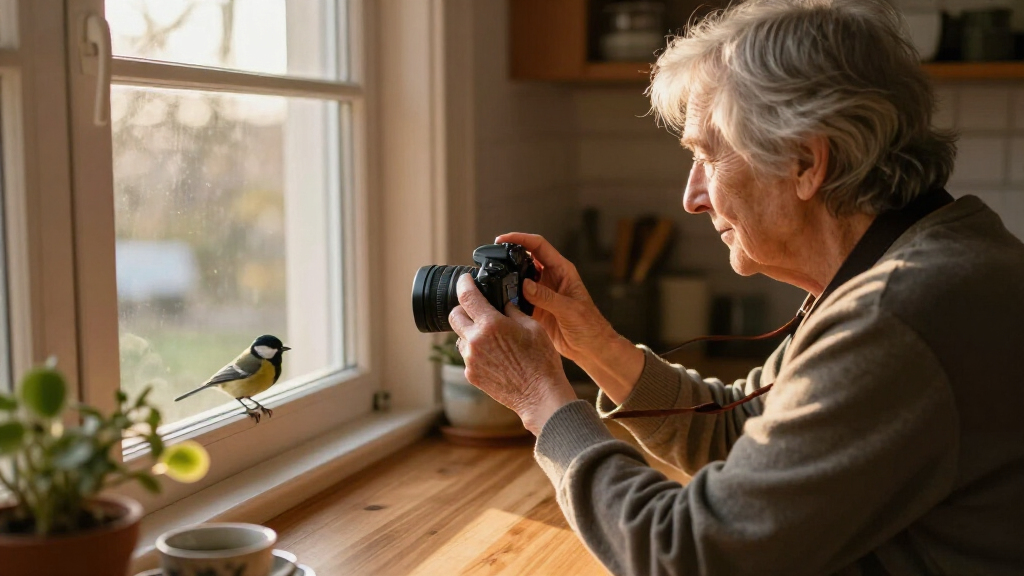
Imagine a cozy morning, a steaming cup in hand, and the gentle flutter of birds outside your kitchen window. It’s one of the simplest ways to enjoy wildlife—without much fuss or expense. Bird photography from the kitchen is accessible, rewarding, and surprisingly easy to get started.
Whether you want to capture a bright goldfinch mid-flight or a shy sparrow preening, your own window becomes a perfect little studio. In this guide, you’ll learn how to attract birds responsibly, set up your camera, and compose images that tell a story. No need for a fancy hide or travel plans—just a little patience and some helpful tips can turn your window into a wildlife photo gallery.
Support your camera with a towel or beanbag to improve sharpness and stability.
Place feeders and perches at eye level for more intimate, natural shots.
Photograph during soft morning or late afternoon light for best colors and textures.
Always prioritize bird welfare—avoid disturbing nests or sick birds.
Stay patient and observe bird behavior; repeated visits often yield the best images.
Simple Bird Photography from the Kitchen Window
A cozy morning, a steaming cup in hand, and the gentle flutter of birds outside. Your window becomes a perfect little photo studio — no hide, no travel, just patience and a few smart techniques to capture goldfinches, sparrows, and more without leaving home.
How to Invite Birds Without Doing Harm
Native plants, a shallow birdbath, and well-maintained feeders turn your window into a reliable wildlife stage — but only if bird welfare comes first.
Set a Safe Table
Sunflower seeds, nyjer, suet, and unsalted peanuts are favorites for many local species. Never offer bread or salty, processed foods — they offer no nutrition and can harm birds.
Clean & Monitor
Clean feeders regularly, remove spoiled or wet food, and pause feeding entirely if sick birds appear. Responsible feeding protects the population you love photographing.
Beat the Glass Trap
Place feeders very close to the window — so birds can’t build speed — or well away from it. Add visible exterior markings or screens so birds recognize the glass as a barrier.
Preparing Window and Room for Sharp Photos
Clear glass, a dark room behind you, and a stable support are the three pillars of crisp kitchen-window photography. Follow the chain:
Clean the Glass
Wipe both sides of the window. Avoid shooting through insect screens or sharply angled panes that blur and distort.
Darken the Room
Turn off indoor lights and stay behind dark fabric or curtains — this kills reflections on the glass.
Support the Camera
Rest your lens on a beanbag or folded towel on the sill. Never press the lens against the glass — vibration travels.
Stage the Perch
Place a branch near the feeder at your eye level, with distant foliage behind for a soft, uncluttered background.
Choosing the Best Camera for Window Shots
Almost any camera can do the job — match your gear to how close your birds come and how much control you want.
| Camera Type | Reach | Ease of Use | Control & Background Blur | Best For |
|---|---|---|---|---|
| Smartphone (good zoom) | ~ Limited | ✓ Excellent | ✗ Minimal | Birds close to perch or feeder |
| Bridge camera | ✓ Substantial | ✓ Simple | ~ Moderate | One-package reach, no lens swaps |
| Mirrorless / DSLR + 200–500mm | ✓ Excellent | ~ Intermediate | ✓ Full control | Fine detail, eye-detect AF, blur |
Sharp Shots and Pictures That Tell a Story
Light is your artistic partner; composition is your narrator. Master both and your snapshots become artful moments of nature.
Focus on the Eye
The bird’s eye is the window into its soul. Use small focus points or animal/bird eye detection for precision, and shoot in short bursts — a tiny head turn separates a good shot from a great one.
Leave Room to Move
If a sparrow is about to hop left, leave space on that side. Space in the direction of gaze or motion creates natural flow and dynamic composition.
Get Down to Eye Level
Position perches at roughly the same height as your camera. Eye-level shots foster intimacy and connection, drawing viewers into the bird’s world.
Story Beats Perfection
A bird bathing, preening, or bracing against weather outshines a technically flawless but lifeless frame. Watch for distractions — branches, feeder hardware — and keep backgrounds clean.
The Five Rules of the Window Studio
Patience and observation beat chasing shots. Repeated visits make successful photographs predictable.
Support your camera with a towel or beanbag for sharpness and stability.
Place feeders and perches at eye level for intimate, natural shots.
Shoot in soft morning or late-afternoon light for the best colors and textures.
Always prioritize bird welfare — never disturb nests or sick birds.
Stay patient and learn behavior; repeated visits yield the best images.
How to Invite Birds to Your Window Without Doing Harm
The first step in simple bird photography from the kitchen window is creating a safe, inviting space for your feathered visitors. Native plants, a shallow birdbath, and well-maintained feeders draw birds in regularly. Think of it as setting a cozy table for friends who love to visit.
Use sunflower seeds, nyjer, suet, and unsalted peanuts—these are favorites for many local species. Keep feeders clean, remove spoiled food, and pause feeding if sick birds appear. Remember, responsible feeding isn’t just about attracting birds; it’s about protecting and respecting their well-being.
To prevent window collisions, position feeders either very close to the glass—so birds can’t build up speed—or far enough away that they don’t see reflections as open space. Adding visible markings or screens on your window can help birds recognize the glass as a barrier, saving lives and easing your photography efforts.
Why does this matter? Creating a safe environment ensures that your photography doesn’t unintentionally harm the birds you love observing. It fosters a sustainable relationship where birds feel secure enough to visit regularly, giving you more opportunities for captivating shots. Responsible feeding also prevents dependency or health issues, maintaining a healthy local bird population that can thrive alongside your hobby.
As an affiliate, we earn on qualifying purchases.
Preparing Your Window and Room for Clear, Sharp Photos
Clear glass is your best friend for crisp images. Clean both sides of your window thoroughly—fingers and cloth are your tools. Avoid photographing through insect screens or angled panes, which can cause blurry or distorted shots.
Turn off indoor lights and keep the room dark behind you to reduce reflections. When possible, open windows for fresher, more direct shots—but only when it’s safe and pets are secure. Never leave an unscreened window open unattended to avoid accidents or disturbances.
Using a support like a folded towel or beanbag on the windowsill stabilizes your camera, especially if you’re using a telephoto lens. This simple step makes a big difference in sharpness, allowing you to focus on the bird’s eye and fine details.
Why does this matter? A well-prepared setup minimizes reflections, distortions, and vibrations that can ruin a good shot. Clean, stable conditions allow you to capture the bird’s true colors and intricate features, which are often lost in blurry or poorly lit images. Taking the time to prepare your environment enhances your chances of capturing compelling, high-quality photographs that truly showcase the beauty of your avian visitors.
As an affiliate, we earn on qualifying purchases.
Choosing the Best Camera and Settings for Window Bird Shots
Almost any camera can do the job, from smartphones to advanced mirrorless models. For close-up shots of birds at your feeder, a smartphone with a good zoom or a compact bridge camera works well. For more control and higher quality, an interchangeable lens camera with a telephoto lens—around 200–500mm—offers great detail.
Set your camera for quick action: a shutter speed of at least 1/500 second for stationary birds, or 1/1000+ for active takeoffs. Use autofocus with eye detection if available. Keep ISO on auto but set a sensible upper limit. Burst mode helps capture fleeting moments like a bird preening or taking flight.
Why does this matter? Different cameras and settings influence the sharpness, detail, and timing of your shots. Faster shutter speeds freeze motion, preventing blur during quick movements. Autofocus, especially eye detection, ensures your subject stays sharp, making your images more engaging. Using burst mode increases your chances of capturing that perfect moment, which is often fleeting. Understanding these settings allows you to adapt to various bird behaviors and lighting conditions, ultimately giving you more consistent, high-quality results.
camera tripod for bird photography
As an affiliate, we earn on qualifying purchases.
As an affiliate, we earn on qualifying purchases.
How to Get Sharp, Well-Exposed Shots Every Time
Lighting makes all the difference. Soft morning or late-afternoon light reveals feather textures and warm colors, while overcast days provide even exposure for detailed plumage. Avoid harsh midday sun, which can cause shadows or blown highlights.
If your bird looks dark against a bright sky or snow, use exposure compensation to brighten or darken the shot. Focus on the bird’s eye—this is the window into its soul—and use small focus points for precision.
Take multiple quick shots in a burst. Tiny head turns or a bird preening can make the difference between a good shot and a great one. Patience and quick reflexes often yield the best results.
Why does this matter? Proper lighting, focus, and timing are crucial for capturing the bird’s true colors and personality. Overexposed images lose detail, while underexposed ones look dull or muddy. By understanding how to manipulate light and focus, you can consistently produce images that are vivid, detailed, and emotionally compelling, elevating your photography from simple snapshots to artful representations of nature.
As an affiliate, we earn on qualifying purchases.
Composing Pictures That Tell a Story
Think of your camera as a storyteller. Leave space in the direction the bird is looking or moving—this creates a natural flow. For example, if a sparrow is about to hop to the left, leave room on that side for a more dynamic composition.
Get down to eye level with the bird when possible—this creates a sense of intimacy. Watch for distractions like branches, bright patches, or feeder hardware that might cut off a tail or eye. A clean, uncluttered background makes your subject stand out.
Even imperfect images can shine if they capture behavior: a bird bathing, preening, or responding to weather. Focus on storytelling, not just technical perfection.
Why does this matter? Composition guides the viewer’s eye and evokes emotion. Leaving space in the direction of movement or gaze suggests motion and curiosity, making your images more engaging. Eye-level shots foster connection and empathy, drawing viewers into the bird’s world. Prioritizing storytelling over perfection can produce compelling images that resonate, even if technically imperfect, because they capture authentic moments and behaviors.
Making the Most of Light and Weather Conditions
Light is your artistic partner. Early morning light is soft, warm, and perfect for capturing detailed plumage. Late afternoon offers golden hues and gentle shadows. Overcast days diffuse sunlight evenly, reducing harsh contrasts and revealing feather textures.
Weather adds mood: a frost-covered branch or snowflakes caught in a bird’s feathers can tell a story of winter’s quiet beauty. Backlighting creates silhouettes or glowing feathers—expose deliberately for feathers or sky, depending on your mood.
Rain, frost, or snow can be used creatively. A bird preening in icy weather or a streak of rain blurring the background can add atmosphere, making your photos not just pictures but stories.
Why does this matter? Different weather and lighting conditions dramatically influence the mood, texture, and storytelling potential of your images. Utilizing these elements intentionally allows you to evoke specific emotions or highlight particular features of your bird subjects. Embracing the natural variability of weather can turn ordinary scenes into evocative narratives, enriching your portfolio with a range of atmospheres and seasons.
Smart Tech and New Tricks That Make It Easier
Technology keeps improving. Bird-eye autofocus in mirrorless cameras helps lock onto fast-moving eyes, even through glass. Smartphones now feature computational processing that stacks images for better clarity and detail.
Subject recognition autofocus can track birds among branches, making it easier to get sharp shots. Remote camera control allows you to set up a camera near a perch and operate it from indoors, reducing disturbance.
Photo apps can identify species and suggest settings, but they aren’t perfect. Always double-check with a field guide or online resource. New glass treatments and feeder cameras help make bird-friendly setups safer and more effective.
Why does this matter? Advances in technology democratize bird photography, making it accessible to hobbyists without expensive gear. Features like autofocus tracking and remote control reduce the guesswork and physical limitations, allowing you to focus on composition and timing. These innovations also help ensure that your images are sharp and well-exposed, even in challenging conditions, encouraging more consistent and rewarding results.
Keeping It Ethical: Respecting Your Feathered Friends
The most important rule is respecting the birds’ welfare. Never frighten or chase them away. Keep your distance, avoid loud noises, and pause feeding if sick or distressed birds visit.
Be cautious around nests—never approach or disturb them, especially during breeding season. Use natural cover and keep cats indoors. Your goal is to observe and photograph, not to stress or harm.
Good hygiene matters, too. Clean feeders and baths regularly to prevent disease spread. Avoid using playback calls or flash photography excessively, as these can disturb or disorient birds.
Why does this matter? Ethical practices ensure that your hobby does not negatively impact local bird populations. Respecting their space and well-being preserves natural behaviors and breeding success, which benefits the entire ecosystem. Ethical photography also maintains your integrity as a wildlife observer and ensures that future generations can enjoy the same bird encounters you cherish today.
Common Pitfalls and How to Avoid Them
Common mistakes include shooting through dirty or reflective glass, using slow shutter speeds, and focusing on backgrounds instead of the bird. Cluttered backgrounds or harsh lighting can ruin a shot.
To avoid these, keep your glass clean, support your camera well, and use fast shutter speeds. Watch your background—move the feeder or perch if needed—and be patient.
Don’t forget to review your images. Cropping too tightly or over-sharpening can make photos look unnatural. Keep hygiene in mind, and don’t get caught up in gear—focus on behavior and lighting.
Why does this matter? Recognizing and avoiding common pitfalls streamlines your workflow and elevates your results. It helps you produce more consistent, compelling images and reduces frustration. Remember, patience and attention to detail often trump expensive gear or complicated techniques, especially when capturing fleeting bird moments.
Conclusion
Turning your kitchen window into a wildlife window is a simple, calming way to connect with nature. With a little attention to setup, light, and patience, you can capture moments that make your heart sing and your camera proud.
Next time you sip coffee, keep an eye out. Those tiny, flitting visitors might just become your favorite photographic subjects—right outside your door. It’s country living at its best: peaceful, rewarding, and full of life.
Cold & flu season Picks
humidifiers
As an affiliate, we earn on qualifying purchases.