

TL;DR
Open a free Amazon Business account
Business pricing, bulk buying and tax-exempt orders.
Create a free accountAs an affiliate, we earn on qualifying purchases.
Staying warm and well in winter doesn’t require fancy gadgets. Focus on layering, home insulation, nourishing foods, and staying active. Small, consistent habits make a big difference.
Winter can feel like a cozy challenge — cold air sneaking inside, icy mornings, and a craving for warmth that runs deep. But staying snug and healthy isn’t just about turning up the thermostat. It’s about simple, everyday choices that keep your body and home cozy all season long.
Whether you’re enjoying a quiet winter at home or helping a loved one stay safe, knowing easy ways to stay warm and well can make all the difference. This guide shares practical tips grounded in country-living wisdom, helping you embrace winter with comfort, dignity, and a touch of that nostalgic charm we cherish.
Layer clothing carefully: start with moisture-wicking, add insulation, finish with windproof outer layers.
Seal and insulate your home to keep warmth in and bills down, using simple DIY fixes like draft stoppers and thermal curtains.
Eat warm, nourishing foods and stay hydrated to support your body’s heat production.
Keep moving indoors to generate body heat and improve circulation.
Protect your extremities and skin with hats, gloves, and moisturizers to prevent heat loss and dryness.
Simple Ways to Stay Warm & Well in Winter
Comfort does not require fancy gadgets. Thoughtful layers, a tighter home, nourishing meals and a little daily movement can transform cold weather into a season of steady warmth, dignity and wellbeing.
01 / At a glance
Five habits that do the heavy lifting
Winter comfort comes from a system: protect the body, preserve warmth at home and maintain the everyday habits that support circulation, hydration and resilience.
Layer with purpose
Wick, insulate, shield. Begin with a breathable base, add wool or fleece, then finish with a windproof outer layer.
Stop warmth escaping
Seal window and door gaps, draw thermal curtains after dusk and soften cold floors with rugs.
Fuel the furnace
Choose warm, nutrient-dense soups and stews, balanced carbohydrates and healthy fats. Sip warm fluids regularly.
Generate body heat
Stretch, dance gently or walk indoors. Short, regular sessions support warmth, circulation, mobility and mood.
Mind the edges
A hat, gloves, scarf and thermal socks protect exposed areas. Moisturizer helps defend skin from dry winter air.
Warm, never sweaty
Overdressing can trap moisture and leave you chilled later. Adjust breathable layers as conditions change.
02 / Dress smart
Build a three-layer warmth system
Think of clothing as a cozy sandwich: each layer has a distinct job, and the combination works better than one bulky garment.
Keep skin dry
Choose wool or thermal moisture-wicking fabric. Avoid a damp layer sitting against the skin.
Trap warm air
Fleece, wool or a thick sweater creates insulating pockets of air around the body.
Block the weather
Use a windproof or waterproof shell outdoors to keep icy air and moisture from penetrating.
03 / Choose well
A practical winter comfort matrix
The best choices balance warmth, breathability, ease and safety. Use this quick comparison to match the habit to the situation.
| Winter choice | Warmth value | Energy cost | Best use | Watch for |
|---|---|---|---|---|
| Three breathable layers | ✓ High | ✓ None | Indoors and outdoors | ~ Remove layers before sweating |
| Draft stoppers | ✓ Targeted | ✓ Very low | Doors and leaky windows | ✓ Simple DIY option |
| Thermal curtains | ✓ Strong at night | ✓ Low | Window heat retention | ~ Open for daytime sun |
| Warm meals and drinks | ✓ Body support | ✓ Everyday | Fuel and hydration | ~ Balance rich foods |
| Gentle indoor movement | ✓ Immediate | ✓ None | Circulation and mood | ~ Match your ability |
| Unattended space heater | ~ Localized | ~ Higher | Short supervised use | ✗ Fire and burn hazard |
04 / Keep heat in
Give your home a winter coat
Heat follows the easiest route out. Low-cost barriers at windows, doors, floors and unused openings can improve comfort while easing demand on the heating system.
Seal cracks and gaps
Fit weatherstripping around doors and windows; place draft stoppers along exposed thresholds.
Dress the windows
Close thermal curtains or heavy blankets after dark to add a barrier against cold glass.
Warm cold floors
Use rugs and carpet runners to improve comfort over hardwood, tile or uninsulated floors.
Close unused routes
Fit removable covers over unused chimneys or drafty vents without blocking required ventilation.
05 / Warm from within
Eat, drink and move little and often
Warmth is also metabolic. Regular food, fluids and gentle activity give the body fuel, support circulation and help counter the drying effects of heated indoor air.
Choose warm, balanced meals
Soups, stews, vegetables, whole grains, healthy fats and protein provide steady fuel. Comfort food can still be nutrient-dense.
Sip before thirst arrives
Herbal tea, warm water and broth support hydration when cold weather makes thirst less noticeable.
Try ten gentle minutes
Stretching, light dancing or an indoor walk can warm muscles, loosen joints and lift mood without elaborate equipment.
06 / Stay safe
Comfort works best with preparation
A warm home is only part of winter wellbeing. Reduce fall risks, use heating equipment carefully and keep simple supplies ready for severe weather or power interruptions.
Clear snow and ice; use salt or sand on paths and steps.
Wear sturdy footwear with reliable traction outdoors.
Keep blankets, water, food, medicines and a flashlight accessible.
Check regularly on older adults and people with health conditions.
Follow all instructions for heaters and electric blankets.
Maintain ventilation and working smoke and carbon monoxide alarms.
Layer the person. Seal the home. Fuel the body. Keep moving. Protect the edges. Prepare for difficult days.
Layer Up: How to Dress Smartly for Cold Days
When it comes to staying warm, layering is your best friend. Think of it as building a cozy sandwich around your body. Start with a moisture-wicking base layer — wool or thermal fabric work wonders. Add an insulating layer like fleece or a thick sweater. Finish with a windproof or waterproof outer layer if you’re heading outdoors.
Imagine stepping outside on a chilly morning — your wool hat, a warm scarf, and gloves keep your head, neck, and hands protected. It’s those small touches that stop heat from escaping and make a noticeable difference. For instance, a friend once told me how adding a simple knit hat and thermal socks kept her comfortable during winter walks, even in snow.
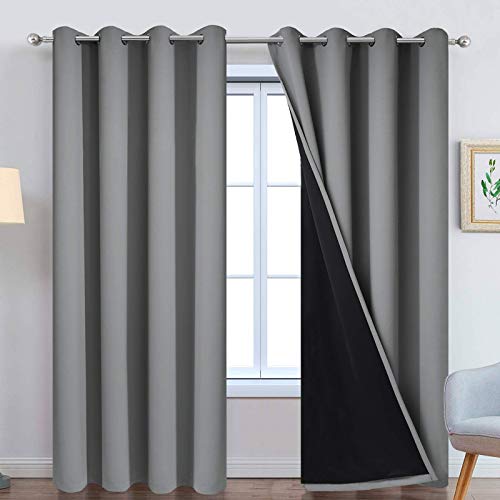
Yakamok Grey 100% Blackout Curtain Panels 84 inches, 52" Wide, 2 Panels
- Package Includes: 2 panels, each 52" wide x 84" long
- Easy to Hang: Silvery grommets fit many rods
- Complete Blackout: Blocks 100% sunlight and UV rays
As an affiliate, we earn on qualifying purchases.
As an affiliate, we earn on qualifying purchases.
Keep Your Home Warm Without Breaking the Bank
Keeping your house warm and energy bills low goes hand in hand. Start by sealing gaps around windows and doors with draft stoppers or weatherstripping. Thick curtains can trap heat inside, especially at night. Insulating your attic and walls boosts warmth—think of it as giving your home a cozy blanket.
But why does this matter? Well, heat naturally escapes through unsealed gaps and poorly insulated walls, which means your furnace has to work harder to maintain warmth. This not only raises energy costs but can also cause uneven heating and drafts that make certain rooms uncomfortable. By sealing leaks and adding insulation, you’re creating a barrier that keeps heat in, reduces energy consumption, and extends your heating system’s life. A smart thermostat helps by adjusting the temperature when you’re asleep or away, so you’re not wasting energy. The tradeoff? It takes a little time and effort to identify and fix leaks, but the long-term savings and increased comfort are well worth it.

Thermal Underwear for Men Long Johns Set Fleece Lined Winter Cold Weather-Black L
- All-Day Warmth: Locks in body heat for lasting warmth
- Ultra-Soft Fleece: Premium fleece lining for soft comfort
- Flexible Fit: Four-way stretch for full mobility
As an affiliate, we earn on qualifying purchases.
As an affiliate, we earn on qualifying purchases.
Eat and Drink Warm to Boost Your Body’s Heat
Nothing beats a hot bowl of soup or a mug of tea to warm you from the inside out. Foods rich in healthy fats and carbs, like hearty stews and mashed potatoes, help your body generate heat because they provide fuel for your metabolism — the process your body uses to produce warmth. Sip on warm drinks throughout the day—hot chocolate or herbal teas are comforting choices. But it’s not just about feeling cozy; eating these foods regularly during winter helps prevent cold-related issues like hypothermia or frostbite, especially for older adults whose bodies may not regulate temperature as efficiently. The tradeoff is that some rich, carb-heavy foods can be high in calories, so balance is key. Incorporating a variety of nutrient-dense, warm meals ensures your body stays fueled for warmth without overloading on calories. Staying hydrated is also crucial — dry winter air can dehydrate your skin and nasal passages, making you feel colder and more uncomfortable. Drinking warm fluids helps maintain hydration and keeps your internal temperature stable, which is essential for overall health during cold months.
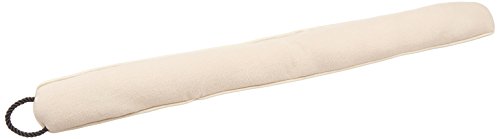
Frost King DS2 Door or Window Draft Stop Cloth Seal, 3-Feet, Beige
- Length: 3-foot draft stop cloth
- Universal Fit: Fits most doors
- Seasonal Use: Effective in summer and winter
As an affiliate, we earn on qualifying purchases.
As an affiliate, we earn on qualifying purchases.
Stay Active Indoors — It’s Easy and Keeps You Warm
Physical activity generates heat, helping you stay warm even on cold days. You don’t need to lift heavy weights — gentle indoor exercises work just fine. Think stretching, light dancing to your favorite tunes, or a quick walk around the living room. Regular movement also supports circulation, which is vital for maintaining body temperature. For older adults, staying active indoors can prevent stiffness, improve mood, and reduce the risk of falls. The tradeoff? Overexertion can cause fatigue or injury, so it’s important to choose gentle activities suited to your ability. Incorporating movement into your daily routine isn’t just about staying warm; it also helps your immune system and overall well-being. For example, a simple 10-minute stretching session each morning can boost circulation, loosen stiff joints, and make you feel warmer throughout the day. Remember, consistency is key—small, daily activities can add up to big health benefits and a warmer, more comfortable winter.
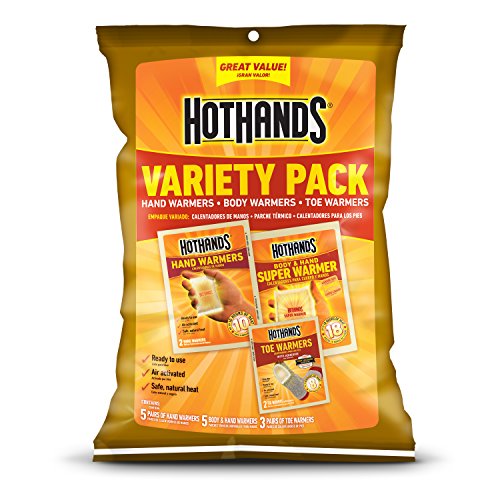
HotHands Variety Pack – America's Favorite Warmer
- Long-lasting natural heat: Odorless, disposable, TSA approved
- Easy activation process: Remove, shake, and wait 15-30 minutes
- Versatile warmers: Suitable for hands, feet, and body
As an affiliate, we earn on qualifying purchases.
As an affiliate, we earn on qualifying purchases.
Protect Your Extremities: Hats, Gloves, and Warm Socks
Heat escapes fastest from your head, hands, and feet. Wearing a hat, gloves, and thick socks can prevent heat loss and keep you comfortable. Wool or fleece-lined gloves and thermal socks are especially good at trapping warmth. Why does this matter? Well, the extremities are often the first places to feel cold and can be vulnerable to frostbite in severe weather. When your hands and feet get cold, it can lead to numbness, reduced dexterity, or even circulation problems. The tradeoff? Overdressing can cause sweating, which might make you feel colder once you’re inside or when you remove layers. The key is to wear breathable, insulating layers that trap warmth but also allow moisture to escape. Imagine a snowy day, where a simple wool hat and insulated gloves keep your ears and fingers warm despite the icy wind. If your feet get cold, try layering socks or adding insoles designed for warmth. These small touches are easy to do but make a big difference in maintaining comfort and preventing cold-related health issues during winter.
Easy DIY Tips to Insulate Your Home Better
Want to boost your home’s warmth without spending a fortune? Here are simple DIY tips:
- Seal gaps around windows and doors with weatherstripping or draft stoppers. This prevents warm air from escaping and cold drafts from sneaking in, which can cause discomfort and increase heating costs.
- Use thermal curtains or heavy blankets over windows at night. These create an extra barrier, trapping heat inside and reducing heat loss through glass, which is often a weak spot in insulation.
- Place rugs on cold floors to add insulation and comfort. Carpets and rugs help prevent heat from radiating away through uninsulated floors, especially in rooms with hardwood or tile.
- Cover drafty vents or unused chimneys with removable covers. This stops heat from escaping through vents or chimneys that aren’t in use, conserving energy and keeping your home warmer.
Why do these small fixes matter? Because they target common sources of heat loss, allowing you to keep your home warmer with less energy. Over time, these inexpensive measures can lead to significant savings on heating bills and a more comfortable living space during the cold months.
Stay Safe with Simple Winter Precautions
Winter safety means being prepared. Keep pathways clear of ice and snow with salt or sand. Wear sturdy shoes with good traction. Keep emergency supplies—like blankets, bottled water, and a flashlight—handy just in case.
Why is this important? I’ve seen how a small slip on icy steps can lead to serious injuries, especially for older adults. Taking these precautions reduces the risk of falls and other accidents. The tradeoff? It requires a bit of effort to regularly clear and salt walkways, but the safety benefits far outweigh the inconvenience. Ensuring your home is prepared for winter storms means you can respond quickly if power outages or snowfalls occur. Being proactive means fewer surprises and a safer winter experience for everyone.
Protect Your Skin and Breathing in Cold Weather
Cold air can dry out your skin and irritate your respiratory system. Use a good moisturizer daily, especially on hands, face, and lips. Cover your mouth with a scarf when outdoors to warm and humidify the air you breathe.
Why does this matter? Dry skin can crack and become infected, while cold, dry air can worsen respiratory conditions like asthma or bronchitis. Covering your mouth with a scarf helps to warm and moisten the air before it reaches your lungs, reducing irritation. The tradeoff? Wearing a scarf might feel restrictive at first, but it significantly improves comfort and protection. Proper skin care and respiratory precautions are simple but effective steps to prevent winter-related health issues and keep you comfortable outside and indoors during the cold months.
Frequently Asked Questions
How can I keep my house warm without high energy bills?
Improve insulation, seal drafts, use programmable thermostats, and layer clothing indoors. These small steps help maintain warmth efficiently and save money.
What foods are best for staying warm in winter?
Warm soups, stews, and foods rich in healthy fats and carbs—like nuts and whole grains—help your body generate heat. Hot drinks like herbal teas or hot chocolate also add comfort.
How can I prevent winter-related health issues?
Dress warmly, stay active, practice good hygiene, and get flu vaccinations. These habits support your immune system and reduce the risk of winter illnesses.
Are electric blankets or space heaters safe to use?
Yes, if used according to safety instructions. Keep heaters away from curtains and furniture, and turn off blankets when not in use to prevent fire hazards.
What are simple DIY insulation tricks?
Seal gaps around windows and doors, add draft stoppers, hang thermal curtains, and place rugs on cold floors. These small fixes keep your home warmer and more comfortable.
Conclusion
Winter’s chill can be gentle if you take small, mindful steps. Focus on layering, smart home insulation, nourishing foods, and staying active — these habits turn your home into a cozy retreat and keep you feeling healthy through the cold months.
Imagine your home filled with the aroma of simmering stew, your favorite blanket wrapped snugly around you, and that satisfying warmth from simple, everyday choices. Embrace winter with confidence — comfort is just a few thoughtful habits away.
Back to school Picks
back to school
As an affiliate, we earn on qualifying purchases.