
TL;DR

Turn quiet afternoons into listening time
- Thousands of audiobooks, podcasts and originals
- Listen on your phone, tablet or Echo — also offline
- Cancel anytime
This guide shows you how to pick the right containers and flowers, arrange them for visual charm, and keep them healthy all season. It’s a simple way to add color and life to your porch with minimal fuss.
Imagine a porch bursting with color—bright petunias spilling over a rustic wooden container, cheerful marigolds dancing in the breeze, all just steps from your cozy living room. Creating such a scene isn’t about expert gardening skills; it’s about making smart choices that fit your rhythm.
This gentle guide helps you understand how to pick the right containers, select flowers suited to your porch’s light, and care for your plants without fuss. Whether you’re a seasoned gardener or just starting out, you’ll find simple tips that turn your porch into a welcoming oasis of country charm.
Choose containers with proper drainage and size for your porch’s space and style.
Match flowers to your porch’s sunlight and climate for best results.
Design with color and texture in mind—contrast blooms and foliage for visual interest.
Maintain your plants regularly with watering, deadheading, and fertilizing for continuous color.
Update your containers seasonally to keep your porch lively and inviting all year.
A Gentle Guide to Porch Container Flowers
Build a welcoming porch with the right pot, the right plant and a calm care rhythm. A few thoughtful choices can turn even a small doorstep into a colorful, season-long garden without demanding expert skills.
Observe the porch before buying plants. Six or more hours of direct sun changes everything.
Room for healthy roots without creating an oversized reservoir of wet soil.
Balanced soluble fertilizer and regular deadheading support continuous color.
Pick a pot that makes gardening easier
The container controls moisture, root space, mobility and style. Choose for your porch conditions first, then for appearance. Whatever the material, unobstructed drainage holes are essential.
Terra cotta
Classic and porous. Soil dries faster, making it useful in damp settings but thirsty in summer heat.
Ceramic
Stable, decorative and weather-resistant. Glazed finishes hold moisture longer than clay.
Plastic
Easy to move and slow to dry out. A practical choice for large arrangements and sunny porches.
Metal
Sleek and sturdy, but it can heat quickly in direct sun. Use a liner and monitor moisture.
Wood
Warm and rustic. Line the interior, preserve drainage and raise it slightly above the porch floor.
Limited soil volume heats and loses moisture fast, putting roots under repeated stress.
Excess wet soil can restrict oxygen around roots and encourage decline.
Use drainage holes, quality potting mix and a pot proportionate to the mature plant.
Choose flowers that already love your porch
Light matching reduces extra work. Watch the space across a normal day, including reflected heat, roof shade and sheltered corners that create small microclimates.
Full sun
Bright, heat-tolerant flowers thrive here but usually need the most consistent watering.
Partial shade
Gentler light supports flowers and foliage that prefer protection from intense afternoon sun.
Full shade
Choose expressive foliage and shade-adapted plants; large leaves may still require steady moisture.
Use three layers to create easy visual charm
A polished container guides the eye from height to fullness to movement. Combine plants with compatible light and water needs, then vary their shape, texture and tone.
Choose a focal point
Start with one tall plant such as ornamental grass, snapdragon or an upright geranium.
Build the middle
Add rounded, medium-height flowers that create fullness and repeat the main color story.
Soften the edge
Finish with trailing petunias, sweet potato vine or another low grower that spills over the rim.
Bold contrast
Pair opposites such as blue and orange, then add dramatic foliage for a lively focal point.
Quiet harmony
Layer pale, medium and deep versions of one color for a softer monochromatic display.
A calm routine beats occasional rescue
Container flowers have less soil to buffer heat, drought and nutrient loss. Small, regular care sessions keep them healthier and make problems easier to catch.
Feel the soil
Check daily in heat. Water when the soil is dry several inches down.
Water deeply
Continue until water drains below, reaching the full root zone and flushing salts.
Feed and deadhead
Fertilize every two to three weeks and remove fading flowers regularly.
Inspect and adjust
Look for damaged leaves, pests and leggy stems; change watering with the weather.
| Care signal | Likely cause | Gentle response | Priority |
|---|---|---|---|
| Dry, light soil | Water loss | Water deeply | ✓ Now |
| Wet, sour soil | Poor drainage | Clear holes; pause watering | ✓ Now |
| Fewer flowers | Spent blooms or low nutrients | Deadhead and feed | ~ Soon |
| Long, weak stems | Low light or no pruning | Pinch back; reassess light | ~ Review |
| Chewed leaves | Active pests | Inspect both leaf surfaces | ✓ Early |
Care can extend the color story
Illustrative comparison based on the supplied horticultural insight: proper drainage combined with regular fertilization can approximately double bloom time compared with neglectful care.
Let the porch change with the seasons
Seasonal updates keep containers lively while respecting temperature shifts. Reuse healthy perennials, refresh tired potting mix and replace annuals as their natural display ends.
Cool beginnings
Pansies, tulips and daffodils welcome softer light and cooler air.
Vibrant abundance
Petunias, geraniums and marigolds deliver strong color with regular water.
Rich texture
Chrysanthemums and ornamental cabbages bring sturdy form and seasonal depth.
Sheltered accents
Use hardy greenery or protected poinsettias where the local climate allows.
Five choices for a porch that keeps blooming
Pick the Perfect Container: What Material and Size Make Gardening Easier?
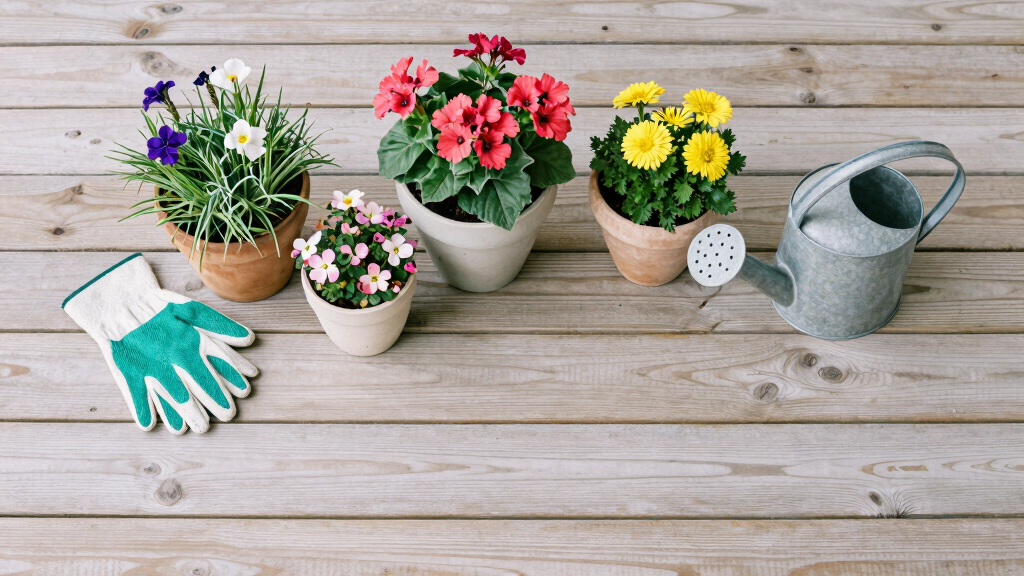
The right container makes all the difference. Materials like terra cotta, ceramic, plastic, metal, or wood each have their own feel and function. For a porch, lightweight plastic or durable ceramic often work best—easy to move and resistant to weather.
Size matters too. A container that’s too small dries out quickly, leading to dehydration stress for your plants. Conversely, an overly large container can retain too much moisture, creating a soggy environment that encourages root rot. Aim for a balance—around 12 inches across for most flowers—to provide enough space for roots to grow while avoiding excess water retention. Don’t forget drainage holes—standing water invites root rot, and no flower wants soggy roots. Proper drainage ensures excess water escapes, preventing oversaturation that can suffocate roots and lead to plant decline.
For example, a sunny porch might glow with a large ceramic pot filled with cheerful petunias, supported by the understanding that the container’s size and material will influence watering needs and plant health. A shaded nook benefits from a smaller, rustic wooden box with ferns and impatiens, where the container’s size and material help maintain appropriate moisture levels and ease of care.
porch container flower pots with drainage
As an affiliate, we earn on qualifying purchases.
As an affiliate, we earn on qualifying purchases.
Select Flowers That Love Your Porch’s Light and Climate
Porch flowers thrive when you match them to your light conditions. Full sun (more than six hours daily) generally encourages vibrant, heat-tolerant blooms like petunias, marigolds, and zinnias. These plants often produce the most flowers when they receive ample sunlight, but they also need consistent watering to prevent stress from heat. Partial shade (a few hours of sun) favors begonias, impatiens, and ferns—they tend to be more tolerant of lower light levels but still require regular moisture. Full shade prefers hostas, caladiums, and coleus, which have adapted to lower light but may need more frequent watering because they often have larger leaves that transpire more.
Choosing the right flowers based on light isn’t just about survival; it’s about ensuring your plants can flourish without extra fuss. For instance, sun-loving plants in shady spots may wilt or scorch, wasting your effort and resources. Conversely, shade-tolerant plants in sunny areas might wither or become stressed, reducing their vibrant display and longevity. Matching plants to your porch’s light conditions helps you avoid disappointment, saves you time, and ensures your porch remains lively and colorful longer. Remember, microclimates—like sheltered corners or spots with reflected heat—can further influence plant choice. Observing these subtle variations allows you to tailor your plant selections for optimal growth, leading to healthier, more resilient plants that reward your efforts.
Consider your climate, too. Hardy plants like pansies or mums can last through cooler months, while tender tropicals like hibiscus need warm weather and protection in winter. Understanding your local climate zone will help you select plants that can survive and thrive with minimal intervention, making your porch a reliable source of beauty year-round.
outdoor flower containers for sunny porch
As an affiliate, we earn on qualifying purchases.
As an affiliate, we earn on qualifying purchases.
Designing with Color and Texture: How to Make Your Porch Pop
Once you’ve picked your flowers, the fun begins—arranging them to create visual harmony. Think of it like painting a country scene: contrasting colors and textures add depth and interest.
Combine tall plants like ornamental grasses or snapdragons at the back with trailing varieties like petunias or sweet potato vines spilling over the edges. Mix textures—smooth caladium leaves with fuzzy lamb’s ears or spiky succulents for contrast.
Here’s a simple way to plan your arrangement:
- Select one tall focal plant.
- Add medium-height flowers that complement or contrast.
- Fill in with trailing or low-growing plants.
- Use color schemes like complementary (blue and orange) or monochromatic (shades of pink).
Creating a balanced arrangement isn’t just about placing pretty flowers; it’s about guiding the eye and creating a sense of harmony. Thoughtful use of height, color, and texture helps you craft a container that draws attention and invites admiration. When you intentionally choose contrasting or complementary elements, you add visual interest and depth, making your porch look professionally styled—even if you’re a beginner. Think about the mood you want to evoke—bright and cheerful or soft and soothing—and select plants accordingly. This strategic planning turns your container garden into a cohesive, eye-catching feature that enhances your porch’s country charm and creates a welcoming atmosphere for family and friends alike.
As an affiliate, we earn on qualifying purchases.
Keep Your Flower Pots Happy: Easy Care Tips for Season-Long Blooms
Healthy plants need consistent watering, proper fertilizing, and a little pruning. Container flowers dry out faster than garden beds—so check moisture daily, especially during hot spells. Overwatering can be just as harmful as underwatering, leading to root rot, so understanding your plants’ moisture needs is key. Feel the soil; if it’s dry several inches down, it’s time to water. Always water until it drains from the bottom—this ensures deep watering that reaches all roots and prevents salt buildup from fertilizers. Fertilize every 2-3 weeks with a balanced, water-soluble fertilizer to keep blooms coming and ensure your plants get the nutrients they need to stay vigorous. Deadheading—removing spent flowers—encourages the plants to produce more blooms and keeps your porch looking fresh. Also, prune leggy or damaged stems to promote bushy, healthy growth, which can improve airflow and reduce disease risk.
For example, a pot of petunias that gets regular water and weekly feed will bloom from late spring through the first frost, creating a continuous display of color that brightens your porch and lifts your spirits. Remember, consistent care routines help prevent common problems—such as pests or disease—that can diminish your plants’ vigor. Regularly inspect your plants for signs of trouble, like discolored or chewed leaves, and address issues early. Adjust your watering based on weather conditions—more during hot, dry spells, less during cooler, cloudy days—to avoid stress. Proper care not only prolongs the blooming period but also reduces the need for costly replacements, making your porch garden both beautiful and economical.
As an affiliate, we earn on qualifying purchases.
Seasonal Switches and Themes: How to Keep Your Porch Fresh Year-Round
Changing your flowers with the seasons keeps your porch inviting year-round. In spring, try tulips, daffodils, and pansies—bright and cheerful after winter. Summer calls for bold petunias, geraniums, and marigolds—perfect for warm evenings. These seasonal choices not only brighten your space but also reflect the natural cycle of growth and renewal, which can boost your mood and create a sense of harmony with the outdoors. Fall brings chrysanthemums, ornamental cabbages, and grasses that turn golden, adding warmth and texture to your porch. For winter, consider festive touches like poinsettias or evergreen arrangements, which can add a cozy, holiday feel and serve as visual anchors during the colder months.
Switching plants is as simple as removing tired blooms and replacing them with seasonal favorites. Keep the soil moist and fertilized for quick success. To truly make your porch a reflection of the seasons, consider integrating decorative elements like pumpkins in fall or fairy lights in winter, which can enhance the visual appeal and create a welcoming atmosphere. Think about how each season’s colors and textures can tell a story or set a mood—warm autumn hues evoke comfort, while winter whites and greens add serenity. Planning ahead and choosing versatile, seasonally appropriate plants can transform your porch into a dynamic, welcoming space that celebrates the natural rhythm of the year, making gardening a year-round source of joy and pride.
Trends to Know: What’s New in Porch Flower Gardening?
Modern porch gardens are leaning toward eco-friendly choices and water-wise plants. Native plants and organic fertilizers are gaining popularity for supporting local ecosystems. These choices promote biodiversity and reduce the need for chemical inputs, making your garden more sustainable and easier to maintain over time. Vertical gardens and tiered containers maximize small space, creating lush, layered effects that are both functional and visually appealing. Self-watering containers and drip systems make care effortless, reducing the frequency of watering and helping to conserve water—especially important during dry seasons or drought conditions. Pollinator-friendly flowers like milkweed, bee balm, and coneflowers attract butterflies and bees, supporting local wildlife and enhancing the ecological health of your area. Bold color combinations and contrasting textures add a fresh, modern look to country porches, blending contemporary style with traditional charm.
For example, a tiered container with drought-tolerant succulents and bright marigolds can be both practical and cheerful, especially during hot, dry summers. These innovations not only make your porch more beautiful but also align with environmentally conscious gardening practices. Staying updated with these trends isn’t just about style; it’s about making choices that support sustainability and ease of maintenance. Incorporating native plants, using modern watering systems, and attracting pollinators can turn your porch into an eco-friendly oasis that’s both beautiful and beneficial to the environment, ensuring your gardening efforts contribute positively to local ecosystems while still providing visual delight.
Frequently Asked Questions
What are the easiest flowers to grow in porch containers for beginners?
Petunias, marigolds, impatiens, and succulents are all forgiving choices. They thrive with minimal fuss and bring immediate color to your porch.
How do I choose the right plants for my porch’s sunlight conditions?
Observe how many hours of sun your porch gets daily. Full sun (6+ hours) suits petunias and zinnias, while partial or full shade calls for begonias or ferns. Match plants to their preferred light to keep them happy.
What are some tips for maintaining container flowers throughout the season?
Water regularly—more often in hot weather—deadhead spent blooms, fertilize biweekly, and protect plants from harsh weather. These simple steps keep your porch lively and blooming.
Can I grow vegetables or herbs in porch containers?
Absolutely! Herbs like basil, thyme, and mint flourish in containers, as do vegetables like cherry tomatoes and peppers. Just ensure they get enough sunlight and water.
How often should I replace or refresh my porch flower containers?
Seasonal flowers are typically replaced yearly, but perennials can be divided or repotted to extend their life. Refreshing your containers keeps your porch looking vibrant and fresh.
Conclusion
Adding flowers to your porch is more than just planting—it’s about creating a welcoming space that reflects country warmth and simple beauty. With a little care and thoughtful choices, your porch can bloom into a cozy, colorful retreat.
Remember, gardens flourish when you enjoy the process. Step outside, breathe in the fresh country air, and let your porch be a gentle reminder that beauty is built one bloom at a time.
Halloween Picks
halloween
As an affiliate, we earn on qualifying purchases.