
TL;DR

Turn quiet afternoons into listening time
- Thousands of audiobooks, podcasts and originals
- Listen on your phone, tablet or Echo — also offline
- Cancel anytime
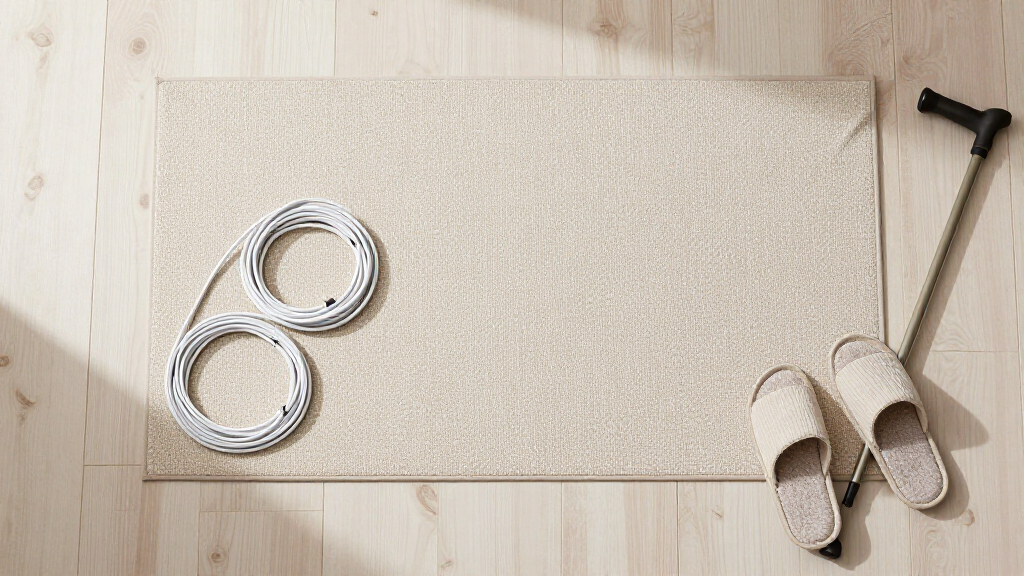
Trip hazards from loose rugs and exposed cords are among the most common causes of falls in older adults. Simple fixes like securing rugs and rerouting cords can prevent many accidents, making your home safer and more comfortable.
If you’ve ever tripped over a rug or caught your foot on an extension cord, you know how easily a quick stumble can turn into a fall. For older adults, these everyday hazards are more than just annoying — they are serious safety risks. Falls are the leading cause of injury-related emergency room visits among seniors, and most happen right in the comfort of home. The good news? Many of these hazards are simple to fix.
In this guide, you’ll learn exactly how to reduce trip hazards from rugs and cords. Whether you’re a caregiver, a family member, or someone enjoying their own cozy space, these practical tips can help keep your home safe without sacrificing comfort or style.
Remove or secure loose rugs with non-slip pads and rug grippers to prevent curling edges and slipping.
Never run cords under rugs or across walkways—reroute them along walls or use floor cord covers for safety.
Upgrade to low-pile, non-slip rugs with rubber backing for the best stability on hard floors.
Use bright lighting, nightlights, and high-contrast tape to improve visibility and highlight potential hazards.
Regularly check your home, especially after changes, to catch hazards early and keep your environment safe.
Reducing Trip Hazards from Rugs and Cords
Loose rugs and exposed cords can turn an ordinary step into a serious fall. A few focused changes create flatter, clearer walking paths without sacrificing a comfortable home.
U.S. adults aged 65+ falls each year.
Among older adults are caused by falls.
Recommended open width for key walkways.
Small, unsecured throw rugs.
Flat, stable and easier to cross.
Behind furniture or along baseboards.
Recheck after furniture or device changes.
Two hazards. Multiple ways to fall.
Rug edges catch toes, canes and walkers. Cords form low visual barriers that may disappear against flooring—especially in dim light or through bifocals.
Slide, bunch, curl, snag
Slick floors let unsecured rugs move underfoot. Frayed borders, fringe and curled corners create abrupt changes in an otherwise level walking surface.
Blend, lift, stretch, pull
A trailing cord can be hard to see and may lift when under tension. A foot, mobility aid or pet can snag it and destabilize the person or connected device.
Start with the simplest, strongest fix.
Removal eliminates the hazard. When a rug must stay, build stability from the floor upward and make every edge lie flat.
Remove loose throw rugs
Eliminate small unsecured rugs, particularly beside beds, in hallways and near stairs.
Choose low-pile rugs
Use a large, flat-woven rug with integrated non-slip or natural-rubber backing.
Add a non-slip pad
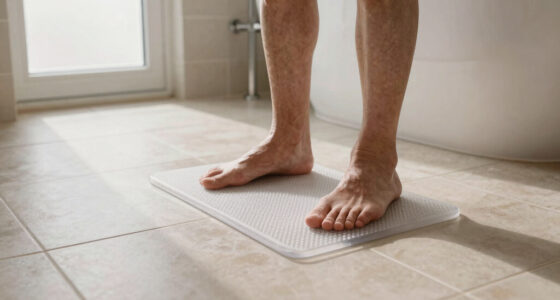
Select a correctly sized felt-and-rubber or waffle-style pad for the floor surface.
Secure every edge
Use rug grippers or floor-compatible double-sided carpet tape to stop shifting and curling.
Correct curled corners
Weight corners overnight. Replace the rug if it will not stay flat or has become frayed.
Keep stairs rug-free
Never place a loose rug at the top or bottom of a staircase or on a landing.
What belongs underfoot?
| Surface choice | Stability | Toe / cane clearance | Best use | Verdict |
|---|---|---|---|---|
| Large low-pile rug + rubber pad | High | Predictable, flat transition | Living rooms, bedrooms | ✓ Preferred |
| Washable mat with non-slip backing | High when dry and flat | Low profile | Kitchen, bathroom entry | ✓ Strong |
| Large rug with secured edges | Moderate to high | Check corners frequently | Low-traffic rooms | ~ Monitor |
| Small loose throw rug | Low | Slides and bunches | None | ✗ Remove |
| Thick shag or fringed rug | Low to moderate | Catches feet and mobility aids | Outside walking routes only | ✗ Avoid |
Build a cord-free walking path.
Begin by moving the route. Add protection only where a crossing cannot be eliminated.
Identify crossings
Walk the route from bed to bathroom, seating to doorway and room to room.
Reroute
Move cords along walls, behind furniture and beside baseboards.
Contain
Shorten slack with winders or ties. Use a low, beveled raceway if crossing is unavoidable.
Reduce
Add a nearby outlet, smart plug or cordless device to remove long runs entirely.
Never run or coil electrical cords under rugs. Hidden cords create both trip and heat-related fire hazards.
Where effort pays off fastest.
Relative priority scores synthesize hazard removal, stability, visibility and ongoing prevention—not population incidence.
Small change, wider benefit.
Check before the next step.
Repeat after moving furniture, adding appliances, changing seasonal décor or noticing a new change in balance or vision.
Inspect bedrooms, hallways, living areas, entrances and the path to the bathroom.
Check rug corners, fringe, fraying, pad movement and uneven floor transitions.
Confirm nothing crosses a doorway, aisle, chair approach or mobility-aid route.
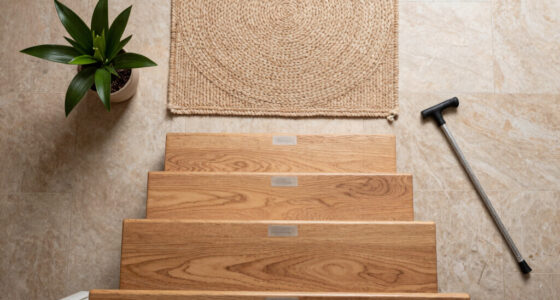
Add nightlights, motion-sensor lighting and high-contrast tape where needed.
Remove clutter and preserve generous width along important walking paths.
Consider an occupational therapist or aging-in-place professional for a home assessment.
Why Rugs and Cords Are So Dangerous (And How They Trip You Up)
Loose, curling rugs and stretched cords are sneaky hazards that often go unnoticed until it’s too late. Rugs that slide on slick flooring or curl at the edges can catch your toes or cause you to lose your balance. When a rug’s edges curl or bunch, it creates an uneven surface that can easily catch your foot, especially if you’re not paying close attention or your vision is slightly impaired. These small irregularities can cause a sudden stumble, leading to a fall that might result in serious injury.
Cords stretched across walkways are just as risky because they often blend into the background, especially in dim lighting or with bifocals. When you don’t see them clearly, you might step on or trip over them, especially if your gait is shuffling or if you’re distracted. The risk is compounded if the cords are under tension, causing them to lift or snag unexpectedly. These hazards are particularly dangerous because they are often placed in high-traffic areas, making accidents more likely.
According to the CDC, roughly 50% of falls among older adults happen in the home, often in areas like living rooms, bedrooms, or hallways — exactly where rugs and cords are common. Recognizing these hazards is the first step toward making your home safer, as it allows you to weigh the risks and benefits of different solutions and prioritize which hazards to address first. Reducing these risks can significantly decrease the likelihood of falls, preserving your independence and confidence in your home.
non-slip rug pads for hardwood floors
As an affiliate, we earn on qualifying purchases.
As an affiliate, we earn on qualifying purchases.
Quick Fixes: How to Make Rugs Safer Instantly
Want to stop rugs from sliding or curling overnight? Here are quick fixes ranked by effectiveness, along with insights into why they matter:
- Remove small, unsecured throw rugs entirely. They’re often more trouble than they’re worth when it comes to safety, especially if they curl or slide. Eliminating unnecessary rugs reduces clutter and the chances of tripping over loose edges.
- Replace loose rugs with large, low-pile area rugs that lie flat. Use a non-slip rug pad made of felt and natural rubber underneath. The pad provides grip, preventing the rug from slipping or bunching, which is crucial because a stable rug reduces the risk of sudden slips or trips when walking over it.
- Secure edges with double-sided carpet tape or rug grippers. This prevents curling edges that can catch toes or snag canes, which are common causes of trips. Properly secured edges also prevent the rug from moving underfoot, maintaining a flat walking surface.
- Fix curled or uneven edges. Use a heavy object like a book to flatten them overnight, or replace the rug if edges won’t lay flat. Ensuring the rug remains flat minimizes uneven surfaces that can cause missteps, especially when transitioning between different floor types or in low-light conditions.
For example, one homeowner replaced her frayed, curling living room rug with a plush, non-slip pad underneath. She reports no more slips, even with her energetic grandchildren running through. These small changes can make a big difference in preventing trips — because stability is key to safety.
As an affiliate, we earn on qualifying purchases.
Best Rugs and Materials for a Safer Home
Not all rugs are created equal when it comes to safety. Choosing the right rug can significantly reduce your trip risk. Look for rugs with low pile height — thick, shaggy rugs tend to curl, slide, and create uneven surfaces that can trip you up. Flat, woven styles stay securely in place and provide a more predictable walking surface, which is especially important for those with balance concerns.
Natural rubber or felt backing on rugs adds grip, especially on hardwood or tile floors. Waffle-style pads or silicone-backed mats work well because they increase friction and prevent slipping. Avoid rugs with fringes or uneven borders that can catch toes or hooks, as these can cause trips or falls when snagged or caught underfoot.
Consider replacing old, frayed rugs with newer, safety-focused options. For example, washable, non-slip rugs in the kitchen or bathroom are both practical and safe. When shopping, look for labels indicating non-slip backing or slip-resistant features, as these are designed specifically to stay put and reduce hazards.
Choosing the right materials and designs isn’t just about aesthetics—it’s about creating a stable, predictable surface that minimizes the risk of accidental slips and trips, especially in high-traffic or high-risk areas like bathrooms and entryways.
As an affiliate, we earn on qualifying purchases.
How to Hide and Protect Your Cords Without Creating New Hazards
Stretching cords across walkways is a common trip hazard, but rerouting or hiding them thoughtfully can make your home much safer. First, always reroute cords along the edges of rooms, behind furniture, or along baseboards. This keeps them out of direct walking paths, reducing the chance of stepping on or tripping over them. Use cord covers or raceways—floor-safe channels with beveled edges—that allow cords to run neatly along the floor while providing a smooth surface to walk on. This not only prevents tripping but also protects the cords from damage.
Shortening excess cord length with zip ties or cord winders keeps cords tidy and prevents slack from creating clutter and trip hazards. It’s important to avoid coiling or bundling cords under rugs or carpets, as this can cause heat buildup and increase fire risk. Properly managed cords are less likely to snag or get pulled, which could cause falls or damage to devices.
For example, a homeowner running a lamp cord across her living room installed a simple raceway along the baseboard, then tucked the excess behind her bookshelf. The result: a clean, safe path with no more tripping. This approach minimizes hazards and makes daily navigation safer.
Additional tips include adding outlets nearer to where devices are used, reducing the need for long cords stretched across rooms. Installing smart outlets or adding an extra socket can help create a safer, more organized environment by reducing the presence of long, trailing cords that pose trip risks.
As an affiliate, we earn on qualifying purchases.
Supporting Safety Measures to Keep Your Home Fall-Free
Small adjustments outside of rugs and cords can make a big safety difference. Ensure your home lighting is bright and well-placed. Nightlights along hallways and in bathrooms provide gentle illumination, especially at night when the chances of missing hazards increase. Proper lighting helps you see potential trip hazards clearly, reducing the likelihood of missteps.
High-contrast tape on transitions between different flooring types, like hardwood to tile, helps your eyes pick up changes in walking surfaces. This visual cue is especially helpful for those with declining vision or in low-light conditions. Keep walkways at least 36 inches wide and free of clutter or pets’ toys to provide ample space for safe movement.
Choose footwear carefully — well-fitting, non-slip shoes are safer than loose slippers or socks on hard floors. Regular home safety checkups or professional assessments from occupational therapists can identify hazards you might overlook and recommend personalized fixes. Think of it as a routine health check for your home, ensuring that your environment supports your safety and independence.
The Latest Trends in Home Safety for Older Adults
Home safety for seniors is evolving, with new products and ideas making a real difference. Smart lighting systems—motion sensors and voice-activated switches—reduce the need for cords and improve visibility, making navigation safer and easier. Cordless, rechargeable devices eliminate trailing wires altogether, removing a common trip hazard.
Washable rugs with integrated non-slip backing and low-profile cord covers designed for accessibility are increasingly popular because they combine safety with convenience. These innovations make daily life safer without sacrificing the cozy, inviting atmosphere you enjoy at home.
Community programs and policies are also pushing for safer homes. The CDC’s fall prevention initiatives, for example, encourage regular home safety assessments and community awareness campaigns. These programs aim to educate and empower older adults to recognize and address hazards proactively, fostering safer environments across communities.
In the end, combining these trends with good habits—like regular safety checks and proper lighting—creates a safer, more independent living environment that adapts to your needs and lifestyle.
Frequently Asked Questions
Should I just remove all my throw rugs?
Typically, yes — small, loose throw rugs are the biggest risk. If you prefer to keep large area rugs, secure them with non-slip pads and tape. The goal is to keep rugs flat and firmly anchored to prevent curling or slipping.
What’s the best way to hide cords without creating new hazards?
reroute cords along walls or behind furniture, use floor cord covers or raceways, and keep excess slack secured with zip ties. Never coil cords under rugs — that’s both a trip and fire risk.
Are rug grippers enough to prevent slipping?
They help keep rugs from sliding, but won’t fix curled edges or uneven surfaces. For best safety, combine grippers with secure edges and low-pile, non-slip rugs.
How often should I check my home for hazards?
Revisit your safety check every season, especially after moving furniture, adding new rugs, or if someone in the home experiences health changes. Regular checks keep hazards in check.
Can I get a home safety assessment covered by insurance?
Many occupational therapists can perform home safety assessments that may be covered by Medicare or insurance when medically necessary. Check with your provider for details.
Conclusion
Small changes can create a big safety net in your home. By securing rugs and rerouting cords, you’re not just preventing trips — you’re preserving your independence and peace of mind. Take a walk through your space today and spot those hazards before they become accidents. A safer home is a more joyful one.
After all, every trip avoided is a step toward staying comfortably independent for years to come.
Cold & flu season Picks
humidifiers
As an affiliate, we earn on qualifying purchases.