
TL;DR

Get comfort and care essentials delivered free — and shop member deals
- Fast, free delivery on millions of items
- Access to Prime Big Deal Days deals on October 6–7
- Prime Video, Amazon Music and more included
You can turn your backyard into a bird haven with simple steps: plant native species, add feeders and water, and observe quietly. Birdwatching is a calming way to enjoy nature year-round, even in small spaces.
Imagine waking up to the cheerful chirping of cardinals and finches right outside your window. Birdwatching from your own yard isn’t just a hobby; it’s a cozy way to stay connected to nature, no matter your age or space. Your backyard can become a lively bird garden that offers peaceful moments and delightful surprises.
Whether you’re new to birdwatching or want to make your yard more inviting, this guide will walk you through simple, practical steps. It’s about creating a safe, colorful haven that attracts local songbirds and offers you a daily dose of country charm. Ready to turn your outdoor space into a bird paradise?
Plant native shrubs and flowers to naturally attract local birds.
Add water sources like birdbaths for drinking and bathing opportunities.
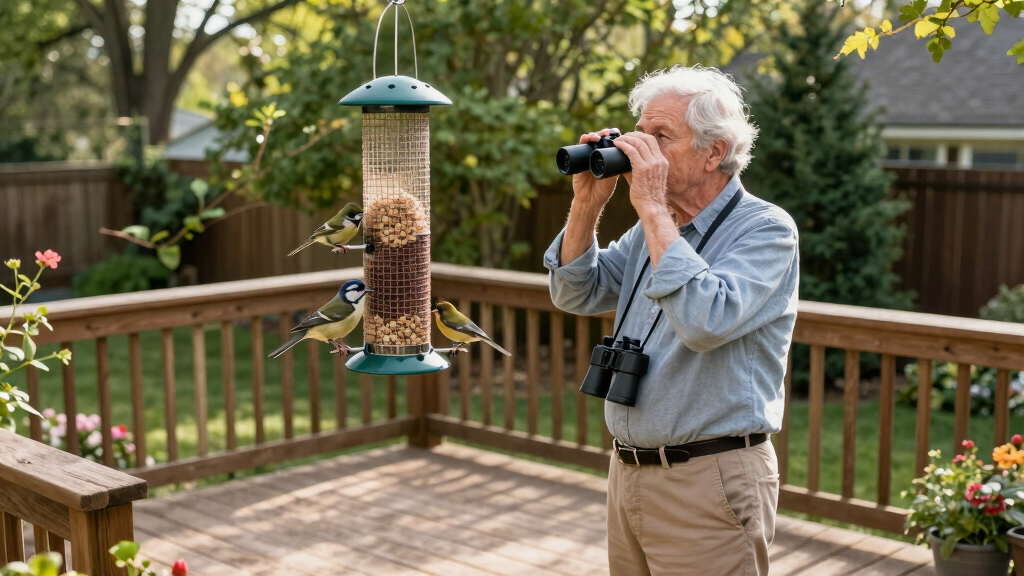
Use simple equipment like binoculars and apps to identify species easily.
Visit your yard during early mornings and quiet afternoons for best sightings.
Keep your bird-friendly habitat active year-round by adjusting for seasons.
Birdwatching from Your Own Backyard
Turn even a tiny outdoor space into a lively bird haven with native plants, fresh water, thoughtful feeding, and a quiet place to watch. Each chirp becomes an invitation to slow down and reconnect with nature.
Enough time to build a calming observation habit.
A comfortable beginner-friendly viewing format.
Early morning and late afternoon bring more activity.
Native plants, food, water, and protective shelter.
Make Your Yard a Bird Magnet
Think of your backyard as a cozy restaurant with a garden attached: varied food, refreshing drinks, comfortable seats, and safe places to rest. Native planting does much of the work naturally.
Plant Native
Choose dogwoods, viburnums, and elderberries for berries, insects, shelter, and nesting structure.
Serve Smart
Offer sunflower seed, suet, peanuts, or nectar in clean feeders suited to local visitors.
Add Water
Use a shallow birdbath or small pond. Keep the water fresh, clean, and easy to reach.
Create Shelter
Dense foliage, brush piles, and nesting boxes provide cover from weather and predators.
Timing Beats Fancy Gear
Birds are most visible when they are feeding and communicating. Settle into one place, move slowly, lower your voice, and let the backyard return to its natural rhythm around you.
Daily Activity Index
Calm, clear days usually offer the best listening and viewing. Wind, heavy rain, sudden movement, and loud noise reduce sightings.
Your Beginner Kit
Clear, bright, and comfortable for steady handheld viewing.
Compare shape, color, location, and song to identify visitors.
Record dates, weather, behaviors, and returning species.
Capture details for later identification without chasing birds.
From First Chirp to Useful Record
A good sighting unfolds as a gentle chain. Observe before identifying, use several clues together, and record what you notice. Shared sightings can also contribute to citizen science.
👂 Listen
Pause and locate the direction of a call or rustle.
👀 Observe
Note size, posture, movement, beak, and color pattern.
🔎 Identify
Compare visual clues, song, habitat, and season.
✍️ Record
Log the date, weather, count, and behavior observed.
🌍 Share
Add sightings to eBird or a local monitoring project.
A Backyard for Every Month
Your visitors change as food, weather, nesting, and migration patterns shift. Adjusting the menu and habitat keeps the yard useful—and birdwatching interesting—all year.
| Season | Likely visitors | Best habitat move | Food & water | Priority |
|---|---|---|---|---|
| Spring | Warblers, finches, hummingbirds | Protect nesting cover; add native blooms | Nectar, seeds, clean shallow water | ✓ Welcome migration |
| Summer | Cardinals, sparrows, young birds | Provide shade and dense foliage | Refresh water often; clean feeders | ✓ Hydration |
| Autumn | Migrating flocks and local residents | Leave seed heads and berrying shrubs | High-energy seed and dependable water | ~ Stopover fuel |
| Winter | Chickadees, juncos, nuthatches, woodpeckers | Retain brush piles and evergreen cover | Sunflower, suet, peanuts, unfrozen water | ~ Consistency |
| All year | Species suited to your local region | Avoid pesticides and excess tidying | Keep stations clean; never overfeed | ✗ Avoid chemicals |
✓ Recommended action ~ Seasonal emphasis ✗ Practice to avoid
A chair, warm drink, notebook, and quiet attention are enough. Consistency reveals seasonal changes and individual bird behaviors that occasional watching can miss.
Choose one comfortable lookout
Face shrubs, feeders, or water while keeping enough distance for birds to relax.
Return at roughly the same time
A regular morning or afternoon window makes patterns easier to notice.
Write down one small detail
Record a song, feeding behavior, color flash, weather change, or new arrival.
Invite someone to share the stillness
Children, friends, and family can practice patience, curiosity, and careful observation together.
Beginner FAQs
Keep your habitat natural, safe, and simple. Good birdwatching is less about controlling nature and more about making room for it.
What are the easiest plants for attracting birds?
Native viburnums, dogwoods, and elderberries offer food and shelter. Match species to your local climate and available space.
How can I separate similar-looking birds?
Compare size, silhouette, beak shape, color placement, movement, song, location, and season—not color alone.
How do I keep winter visitors coming?
Maintain sunflower seed, suet, peanuts, protective cover, and liquid water. Clean stations regularly.
What should a beginner avoid?
Skip pesticides, overfeeding, dirty feeders, loud approaches, and fast movements. Never disturb active nests.
How to Make Your Backyard a Bird Magnet
Birds are surprisingly easy to attract when you understand what they need. Native plants, water, and food are the main ingredients. Think of your yard as a cozy restaurant—offering tasty treats and comfy seats.
Start by planting native shrubs like dogwoods or viburnums. They give birds shelter and nesting spots. Add a bird feeder filled with sunflower seeds, suet, or nectar. And don’t forget a shallow birdbath—birds love a refreshing splash after a long flight.
Here’s a quick checklist:
- Native plants and shrubs
- Bird feeders with seeds or nectar
- Water source (birdbath or small pond)
- Nesting boxes or dense foliage
As an affiliate, we earn on qualifying purchases.
Essential Gear for Your Backyard Birdwatching Adventure
All you need is a good pair of binoculars and a bird guide app. Imagine zooming in on a bright red cardinal or a tiny chickadee with crisp clarity. Binoculars don’t have to be fancy—just clear and comfortable to hold.
Keep a notebook handy to jot down sightings, or use a simple app like Merlin Bird ID to help identify new visitors. A camera isn’t essential but can be a fun way to capture those colorful moments.
Here’s what you’ll want:
- Binoculars (at least 8×42)
- Bird identification app or field guide
- Notebook or journal
- Optional: camera or smartphone for photos
birdwatching binoculars for beginners
As an affiliate, we earn on qualifying purchases.
As an affiliate, we earn on qualifying purchases.
Best Times and Tips to Watch Birds Without Spooking Them
Early morning, just after sunrise, is when most birds are active and singing. Late afternoon is another prime time. Think of it as the bird’s version of happy hour—when everyone’s out and about.
Keep quiet and move slowly. Birds are skittish, especially in open yards. Sit on a garden chair, sip your coffee, and watch how the birds hop around, chirping and flitting between branches.
Recognize bird calls too—many species have distinctive songs. A quick online search can help you learn the most common backyard tunes.
Pro tip: Observe during calm, clear days. Wind and rain tend to keep birds hidden or quiet.
Understanding the best times to observe birds matters because it directly influences your success and enjoyment. Birds are most active during dawn and dusk, when they forage for food and communicate with each other. Visiting during these times increases your chances of witnessing their natural behaviors. Conversely, midday can be less fruitful as many birds seek shade and rest, and their activity levels decrease. Learning these patterns helps you plan your visits, making your birdwatching more effective and less disruptive, as you’re less likely to scare away the birds if you approach quietly during their peak activity periods.
As an affiliate, we earn on qualifying purchases.
What Changes with the Seasons? Keep Your Birdwatching Exciting Year-Round
Birds are like seasonal visitors—some come and go with the weather. In spring and summer, expect to see bright finches, warblers, and hummingbirds. Fall brings flocks of migrating birds preparing for their long journey south.
Winter? Even in colder months, your yard can host chickadees, woodpeckers, and nuthatches. They’re looking for food and water, so keep feeders stocked and water fresh.
For example, a simple sunflower seed feeder in winter can attract woodpeckers and juncos, turning your yard into a lively winter retreat. Recognizing these seasonal shifts matters because it helps you adapt your feeding and habitat strategies to support the changing needs of the birds. During migration seasons, your yard becomes a crucial stopover, providing essential sustenance. In winter, maintaining a steady supply of food and water can mean the difference between seeing birds or missing them entirely. This awareness encourages you to stay engaged year-round, making your backyard a vital refuge for different species throughout the year.
native plant seeds for bird habitat
As an affiliate, we earn on qualifying purchases.
As an affiliate, we earn on qualifying purchases.
How to Make Birdwatching a Relaxing Daily Habit
Turn birdwatching into a peaceful routine—like a morning cuppa or a quiet afternoon escape. Set aside 15-20 minutes each day. Keep it simple: just sit, listen, and enjoy.
Make it cozy by setting up a little spot with a comfy chair and a warm blanket. It’s about slowing down and noticing the small details—like the flash of a bluebird or the delicate flutter of a hummingbird.
Encourage family or grandkids to join in. It’s a lovely way to share country living and teach patience and observation.
Developing a daily birdwatching habit enriches your life by creating a moment of mindfulness and connection with nature. Consistency helps you notice seasonal changes, individual bird behaviors, and the subtle beauty of your yard. Over time, this routine can deepen your appreciation for local ecosystems and foster a sense of calm and fulfillment. Sharing these moments with family or friends adds a social dimension, turning solitary observation into a shared experience that strengthens bonds and promotes patience and curiosity. Making it a daily ritual transforms birdwatching from a sporadic activity into a meaningful part of your routine, enhancing your overall well-being.
Frequently Asked Questions
What are the easiest plants to attract birds to my yard?
Native shrubs like viburnums, dogwoods, and elderberries are excellent choices. They provide food and shelter, making your yard a welcoming home for many species.
How do I tell the difference between similar-looking birds?
Focus on unique features like color patterns, size, and song. Using a bird app or field guide can help you distinguish between species like chickadees and titmice or sparrows and finches.
What’s the best time of day to see the most birds?
Early morning, just after sunrise, is ideal. Birds are most active then, singing and foraging, turning your yard into a lively, animated scene.
How can I attract winter birds to my yard?
Stock your feeders with sunflower seeds, suet, and peanuts. Keep water from freezing by changing it frequently or using a birdbath heater if needed. It makes your yard a winter oasis for feathered visitors.
Are there common mistakes to avoid when starting out?
Don’t overfeed or use pesticides. Keep your habitat natural and simple. Also, avoid loud noises or quick movements that can scare birds away.
Conclusion
Your backyard isn’t just a garden—it’s a lively stage for nature’s daily show. By creating a cozy, inviting space with native plants, water, and food, you turn your outdoor area into a sanctuary for birds—and a peaceful retreat for you.
Embrace the gentle rhythm of birdwatching. It’s a chance to slow down, reconnect, and enjoy the simple beauty of country life. So, grab your binoculars, and let each chirp and flutter remind you that nature’s magic is just outside your door.
Fall Picks
fall essentials
As an affiliate, we earn on qualifying purchases.