
TL;DR

Get comfort and care essentials delivered free — and shop member deals
- Fast, free delivery on millions of items
- Access to Prime Big Deal Days deals on October 6–7
- Prime Video, Amazon Music and more included
Country life photography is about capturing genuine moments with natural light, simple tools, and respect for privacy. Modern tech like smartphones and drones makes it easier than ever to create stunning rural images, turning everyday scenes into lasting memories.
Imagine the rich, golden glow of sunrise over a rolling pasture, the soft murmur of a creek, or a curious hen pecking at the ground. These moments are the heartbeats of country life, waiting to be captured. Photography isn’t just about taking pictures; it’s about telling stories, freezing time, and celebrating the simple beauty around you.
If you’ve ever felt drawn to the charm of rural scenes—whether it’s the patchwork quilt of fields or the lively antics of farm animals—you’re in the right place. This guide is your friendly nudge to pick up that camera, explore new angles, and enjoy the process of capturing country life for fun. No need for fancy equipment or professional skills—just your eye, your heart, and a bit of curiosity.
Start with your smartphone; it’s more than enough to capture beautiful rural scenes.
Use simple composition tricks like the rule of thirds and leading lines to make photos more engaging.
Be patient and respectful when photographing animals and people—natural moments are the best.
Explore aerial shots with drones for unique perspectives of your countryside.
Enhance and share your photos easily with user-friendly editing apps and social platforms.
A field guide to everyday wonder
Photography for Fun: Capturing Country Life
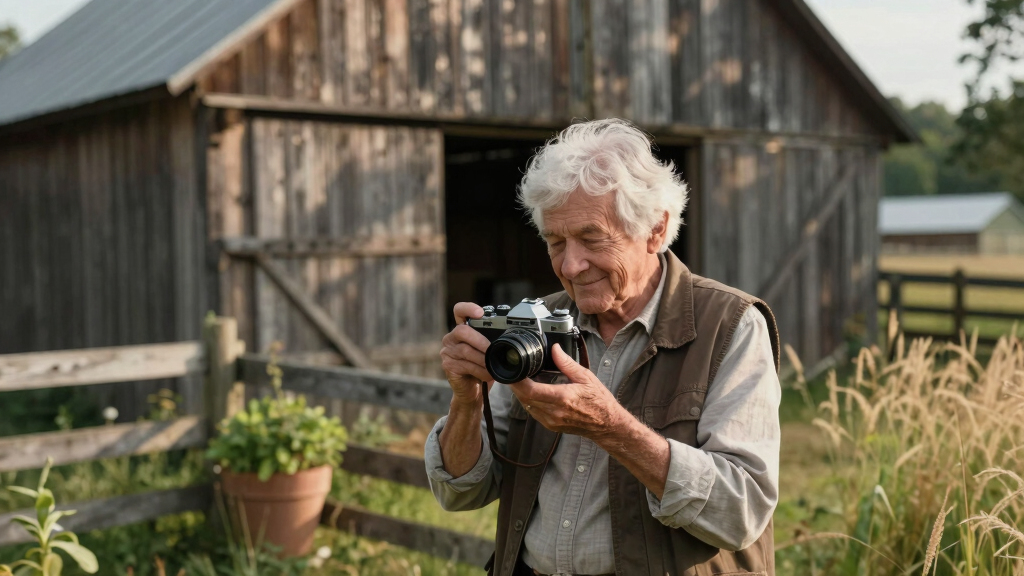
Country photography begins with attention, not expensive equipment. Follow the light, notice genuine moments and turn fields, farm animals, weathered buildings and quiet roads into a personal visual story.
Five ways to make an ordinary scene memorable
A rusty tractor, a curious hen or a road bending toward a barn can carry a whole story. Work with what is already around you, then use light, angle and timing to reveal its character.
Chase the soft glow
Shoot around dawn or dusk for warm color, gentle shadows and richer detail in fur, feathers, grass and weathered wood.
Change your height
Crouch near a fence line, shoot through tall grass or find a raised viewpoint. A small physical move can transform a familiar scene.
Guide the eye
Use dirt tracks, hedges, streams and rows of crops as leading lines that pull the viewer toward your main subject.
Wait for the gesture
A horse lifting its head or a hen fluffing its feathers can reveal more personality than a perfectly posed photograph.
Build three layers
Combine foreground texture, a clear middle subject and a distant horizon to create a landscape viewers can visually enter.
Photograph a sequence
Capture a wide scene, a human or animal moment and one close detail. Together, the images tell a fuller rural story.
Turn open space into visual direction
Composition is less about rigid rules and more about deciding where attention should travel. Start with a simple structure, then adjust it to match the mood you want.
Rule of thirds: move a tree, animal or barn away from dead center to introduce balance and tension.
Leading lines: let roads, fences and streams carry the eye from foreground to distance.
Natural frames: use branches, gates or windows to surround and emphasize the subject.
Reflections: puddles, creeks and dew introduce sparkle, symmetry and another layer of meaning.
Where each tool adds value
The strongest tool is the one that helps you notice and respond. This relative opportunity index summarizes how useful common approaches are for casual country-life storytelling.
Match the tool to the story
A smartphone is usually the best place to begin. Add specialized equipment only when distance, speed or altitude is central to the image you want.
| Option | Easy start | Best use | Distance | Key consideration |
|---|---|---|---|---|
| Smartphone | ✓ | Daily scenes, landscapes, quick moments | ~ | Use gridlines and steady your hands |
| Basic camera | ✓ | Detail, low light and creative control | ✓ | Learn one setting at a time |
| Zoom lens | ~ | Animals, wildlife and distant action | ✓ | Keep a respectful, safe distance |
| Drone | ~ | Patterns, scale and aerial geography | ✓ | Check rules, safety and permission |
| Heavy pro kit | ✗ | Specialized or demanding projects | ✓ | Cost and weight may reduce spontaneity |
Reading the symbols: ✓ strong fit · ~ situational fit · ✗ unnecessary for most beginners.
From observation to a photograph worth sharing
A meaningful rural image develops through a connected sequence: notice the scene, respect its boundaries, simplify the frame and refine the result without erasing its truth.
Notice
Watch the light, weather, movement and small gestures.
Respect
Ask permission and protect people, animals and land.
Frame
Choose a focal point, clean edges and guide the eye.
Refine
Crop lightly and balance brightness, color and contrast.
Share
Add context and let the story connect with others.
Leave the place as you found it
Ethics are part of the craft. Respect protects trust, preserves natural behavior and makes the final photograph more honest.
People and property
Ask before photographing identifiable people, homes, barns or private land. A conversation may reveal stories that deepen the project.
Animals and wildlife
Stay quiet, avoid blocking escape routes and use distance rather than pursuit. Natural behavior is both kinder and more compelling.
Fields and habitats
Remain on permitted routes, avoid trampling plants and never move nests or natural objects simply to improve a composition.
Drones and privacy
Verify local flight rules, obtain required permission and consider how an aerial camera may affect residents, workers and livestock.
Start with What You Have: Your Smartphone Is Your Best Friend
Many of the best country photos happen right outside your door—and your smartphone is often enough to get started. Today’s smartphones come with multiple lenses, AI-powered scene optimization, and excellent sensors. For example, a recent iPhone or Android model can capture stunning images of a sunrise or a flock of birds in flight.
When you’re out in the field, look for natural light—early morning and late afternoon, known as the golden hour, make everything glow with warm tones. Try holding your phone steady, use gridlines to follow the rule of thirds, and don’t be afraid to get close or shoot from different angles. Sometimes, a simple change in perspective turns a basic scene into a captivating photo.
For instance, a photo of a rusty tractor against a bright blue sky, taken during golden hour, can become a treasured memory. Practice, experiment, and see what stories your phone can tell.
smartphone camera lens kit for rural photography
As an affiliate, we earn on qualifying purchases.
As an affiliate, we earn on qualifying purchases.
Capture the Spirit of Rural Landscapes with Simple Composition Tricks
Rural landscapes are all about wide-open spaces, textures, and colors. To make your images pop, use composition tricks like the rule of thirds—imagine dividing your frame into nine squares and placing key elements along the lines or at the intersections. This naturally draws the viewer’s eye to the subjects.
Leading lines work wonders here—a dirt road cutting through a field or fence posts guiding the eye toward a distant barn. Frame your shot with trees or arching branches to create depth, and look for reflections in water or dew to add sparkle and interest.
Understanding these techniques matters because they help you communicate the mood and story of the scene more effectively. For example, placing a lone tree off-center using the rule of thirds can evoke feelings of solitude or resilience. Recognizing how different compositional choices influence viewer perception allows you to craft images that resonate emotionally, making your photos not just visually appealing but meaningful.
Remember, the best landscape photos often happen during the quiet moments of dawn or dusk when the light is soft and inviting—these times add a poetic quality that elevates your images from simple snapshots to stories worth sharing.
As an affiliate, we earn on qualifying purchases.
Get Creative with Farm Animals and Wildlife Shots
Photographing animals is all about patience and understanding their behavior. Whether it’s a curious hen, a grazing cow, or a shy fox, the key is to be respectful and quiet. Use a telephoto lens or the zoom feature on your phone to keep a safe distance while capturing natural actions.
For example, wait for a hen to fluff up its feathers or a horse to lift its head—those candid moments reveal personality and charm. Early morning or late afternoon light adds a warm glow that makes fur and feathers look rich and textured.
Understanding animal behavior and natural tendencies helps you anticipate moments that tell a story. For instance, knowing that a cow often looks up when it hears a sound allows you to be ready for that authentic expression. This awareness deepens your connection to the wildlife, transforming quick snapshots into compelling stories that reflect the true character of rural animals. Patience and observation are your best tools—they allow you to capture not just an image, but a moment of life that resonates with viewers.
photo editing apps for smartphones
As an affiliate, we earn on qualifying purchases.
As an affiliate, we earn on qualifying purchases.
Aerial Shots and Drone Photography Bring New Perspectives
If you’re ready to go beyond ground level, drones open up a whole new world of countryside images. A drone can give you sweeping views of patchwork farms, winding country roads, or a flock of birds soaring in formation.
For example, an aerial shot of a circular crop field with a farmhouse in the center can tell a story that ground photos can’t. It reveals patterns, scale, and relationships between elements that are often hidden from the ground, offering a fresh perspective that enhances your storytelling. This can evoke a sense of vastness or interconnectedness that makes viewers feel immersed in the landscape.
However, using drones responsibly is crucial. Check local regulations, obtain necessary permissions, and always prioritize safety and privacy. By doing so, you respect the land and community, ensuring your creative exploration remains ethical and sustainable. Embracing aerial photography can deepen your understanding of the land’s layout, helping you see your rural environment as a cohesive, dynamic space—adding depth to your collection and appreciation of country life.
As an affiliate, we earn on qualifying purchases.
Edit and Share Your Rural Photos with Ease
Don’t worry if your photos aren’t perfect straight out of the camera. User-friendly apps like Lightroom Mobile or Snapseed let you enhance brightness, contrast, and color with just a few taps. Adjusting shadows and highlights can turn a dull shot into a glowing memory.
Sharing your work is easy too—post on Instagram, create a photo album, or join local rural photography groups online. Sharing not only inspires others but also helps you see your progress over time.
For example, a simple crop and boost in saturation can make a sunset scene truly stand out. Remember, the goal is to enjoy the process and celebrate your unique view of country life. Regularly reviewing and editing your images helps you understand what works and what doesn’t, enabling you to refine your style and storytelling skills. Over time, this iterative process builds your confidence and artistic voice, turning casual snapshots into a personal visual narrative.
Respect, Ethics, and Environment: Keep It Genuine and Kind
When photographing rural scenes, always ask permission before snapping photos of people or private property. Respect nature—avoid disturbing wildlife or trampling plants. Your goal is to capture the beauty without leaving a mark or causing discomfort.
Understanding the importance of consent and boundaries is vital because it maintains trust and integrity within your community. It also ensures that your images reflect genuine relationships and environments, rather than intrusions or invasions. For example, asking a neighbor before photographing their barn shows respect, and it can even lead to shared stories or insights that enrich your project.
Similarly, respecting wildlife by keeping a safe distance and minimizing disturbance preserves the natural behaviors you want to capture. Ethical photography fosters harmony between your artistic pursuits and the rural environment, ensuring that your passion contributes positively to the community and landscape. This mindfulness not only keeps your work authentic but also builds goodwill and encourages others to embrace respectful practices in their own photography.
Turn Your Photos into a Personal Country Life Gallery
Creating a photo series of your rural environment can become a cherished project. Capture the same scene across seasons—spring blooms, summer harvests, autumn leaves, winter snow. It’s a visual story that grows richer over time.
For example, photograph a favorite tree from different angles and at different times of year. Or document daily chores—feeding animals, gardening, or a sunset over the fields.
This ongoing project not only hones your skills but also deepens your connection to country life, turning simple images into a treasured family collection. It encourages you to observe subtle changes and appreciate the rhythm of rural living, making your photography a meaningful reflection of your lifestyle and environment.
Frequently Asked Questions
What equipment do I need to start photographing country life?
For beginners, a smartphone with a good camera is perfect. If you want more control, consider a basic digital camera or entry-level DSLR with a zoom lens. You don’t need fancy gear—your eye and patience matter more.
How can I improve my rural landscape photos?
Focus on composition—use the rule of thirds, look for leading lines, and shoot during golden hour. Experiment with different angles and perspectives, and don’t forget to keep your camera steady for sharp images.
Are there techniques specific to wildlife photography?
Yes. Use a telephoto lens or zoom function, stay still and quiet, and be patient. Capture animals in their natural state—action and candid moments reveal the real personality of rural wildlife.
How do I respect privacy and property when photographing rural scenes?
Always ask permission before photographing people or their land. Respect boundaries and avoid intrusive shots. Showing courtesy keeps your hobby friendly and ethical.
What creative projects can I pursue with my rural photos?
Try documenting a day on the farm, capturing seasonal changes, or creating a photo series highlighting rural traditions. These projects deepen your connection to country life and build a personal photo story.
Conclusion
Country life is full of stories waiting to be told through your camera lens. With a little patience, a dash of creativity, and respect for your subjects, you can turn everyday scenes into timeless images.
So grab your phone or camera, breathe in that fresh country air, and start capturing the beauty around you. Your rural photo story is just waiting to unfold.
Cold & flu season Picks
humidifiers
As an affiliate, we earn on qualifying purchases.