TL;DR

Turn quiet afternoons into listening time
- Thousands of audiobooks, podcasts and originals
- Listen on your phone, tablet or Echo — also offline
- Cancel anytime
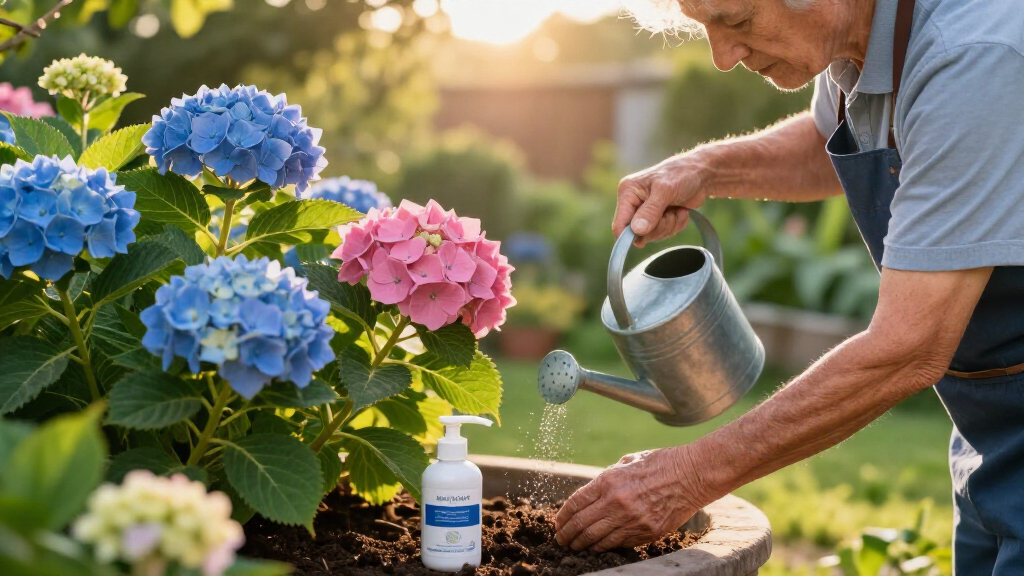
Gardening interest in hydrangea blooming is rising, driven by homeowners noticing lackluster flowers. Experts recommend six easy fixes this September to improve next year’s flowering. The trend is based on observed gardening patterns, but specific causes remain unconfirmed.
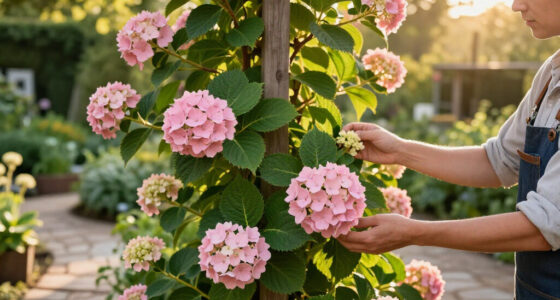
Gardeners noticing that their hydrangeas are producing fewer or no blooms are being advised to take six simple steps this September to promote a more vibrant flowering season next year. Experts say these measures can help revive lazy or underperforming hydrangeas, which are currently a focus of rising gardening interest.
Hydrangeas, popular flowering shrubs, often become ‘lazy’ or produce fewer blooms due to environmental stress, improper pruning, or inadequate nutrients. Recent gardening trend signals show a spike in searches related to hydrangea bloom issues, though the exact causes of poor flowering remain unconfirmed. Experts recommend six specific actions to be undertaken this September to improve flowering potential for the upcoming season.
The six recommended fixes include proper pruning, adjusting soil pH, fertilizing at the right time, watering adequately, mulching, and removing old flower heads. These steps are based on established horticultural practices and are aimed at encouraging healthy growth and abundant blooms. While these methods are widely recommended, some gardeners and experts note that environmental factors such as climate and local conditions can also influence results. The effectiveness of these fixes is generally supported by gardening literature, but individual results may vary.
Why Fixing Hydrangea Blooms This September Matters
Addressing hydrangea bloom issues now can significantly impact next year’s flowering display, making gardens more vibrant and appealing. For homeowners and gardeners, understanding and applying these simple steps can prevent frustration and improve plant health. Additionally, this trend highlights a broader interest in sustainable, low-maintenance gardening practices, as many seek natural ways to enhance plant performance without resorting to chemical treatments. The rise in search interest underscores the importance of timely garden care and can inspire more gardeners to pay closer attention to their shrubs’ needs.
Products Worth Considering

14 Pcs Polycarbonate Greenhouse Panels, 6' x 2' x 0.24'' Twin-Wall Panels, Polycarbonate Sheet for All Weather Outdoor Garden and Greenhouse

Sinimaka 8-Pack Polycarbonate Greenhouse Panels, 8 x 4 ft, 6mm Twin-Wall, UV-Coated Translucent

Orbit B-hyve XR 16-Zone Indoor/Outdoor Smart Sprinkler Timer
As an affiliate, we earn on qualifying purchases.
Hydrangea Bloom Trends and Gardening Advice in 2023
Over recent years, hydrangeas have maintained popularity due to their lush, colorful blooms. However, many gardeners report inconsistent flowering, often linked to environmental stressors or improper maintenance. The current spike in search interest suggests that more homeowners are noticing their hydrangeas underperforming and seeking solutions. Historically, hydrangea care involves specific pruning, soil management, and watering practices, but seasonal variations and climate changes can complicate these efforts. The current focus on September interventions aligns with the plant’s growth cycle, when proper care can set the stage for next year’s blooms.
While there is no confirmed scientific study linking these six fixes directly to improved flowering, they are rooted in well-established horticultural principles. The trend appears to be driven by anecdotal reports and gardening community advice, rather than formal research. The cause of the bloom issues remains unclear—whether due to climate shifts, soil conditions, or other factors—adding an element of uncertainty to the effectiveness of these fixes.
Unconfirmed Causes Behind Hydrangea Blooming Issues
It is not yet clear what specific factors are causing hydrangeas to underperform this season. While environmental stress, improper pruning, and soil conditions are suspected, no definitive scientific studies have confirmed these as the primary causes. The trend signals are based on gardening advice and anecdotal reports, making the effectiveness of the proposed fixes somewhat uncertain. Further research is needed to establish a clear link between these interventions and bloom improvement.
Next Steps for Gardeners and Researchers
Gardeners are advised to implement the six recommended fixes this September and monitor their hydrangeas’ response over the coming months. Observing changes in bloom quality next year will help determine the effectiveness of these steps. Meanwhile, horticultural researchers may investigate the underlying causes of bloom issues more systematically, potentially leading to more targeted solutions. For now, timely care remains the best strategy to enhance hydrangea performance in the upcoming growing season.
Key Questions
Can I prune my hydrangea now to improve next year’s blooms?
Yes, pruning in September, especially removing old flower heads, can promote better flowering next year, according to gardening experts.
What soil adjustments can help my hydrangea bloom better?
Adjusting soil pH—making it more acidic or alkaline—based on your hydrangea type can influence flower color and health. Fertilizing with appropriate nutrients also supports bloom production.
Are environmental conditions affecting my hydrangea’s flowering?
Yes, factors like climate, sunlight, and rainfall can impact blooming. While the fixes help, local conditions also need consideration for best results.
Will these fixes guarantee more blooms next year?
While these steps are recommended and supported by horticultural practices, individual results may vary, and no guarantee exists due to environmental variability.
When should I start these fixes for best results?
The best time to implement these fixes is in early September, aligning with the plant’s growth cycle for optimal impact on next year’s blooms.
Source: rss