
TL;DR

Turn quiet afternoons into listening time
- Thousands of audiobooks, podcasts and originals
- Listen on your phone, tablet or Echo — also offline
- Cancel anytime
Keeping your skin comfortable and moist at home involves protecting your skin barrier, choosing the right products, and establishing a gentle routine. Regular care and environment control make a big difference—dryness is often about water loss, not just dehydration.
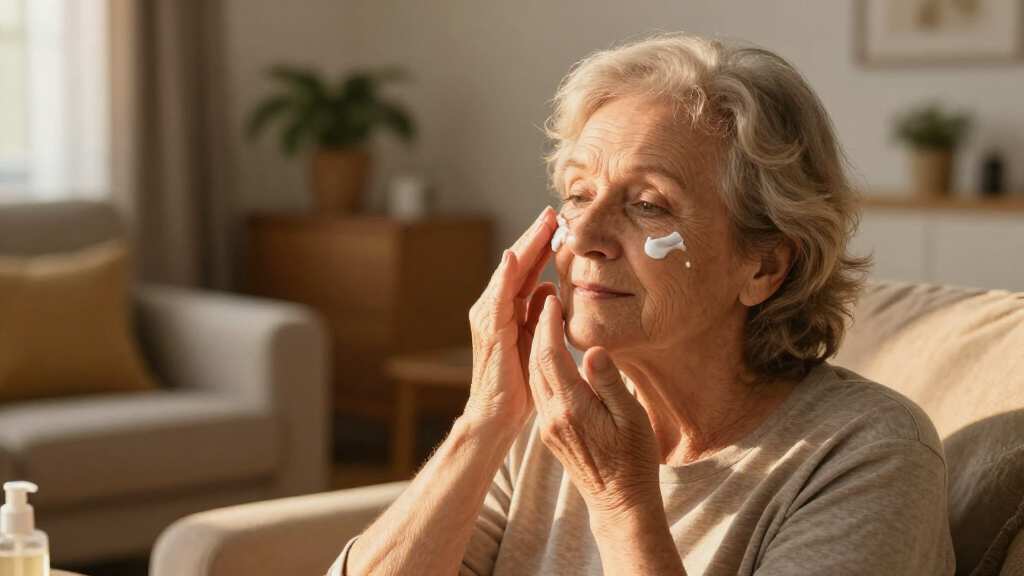
Imagine the rich, velvety feel of a well-moisturized cheek after a gentle massage. That’s what healthy skin should feel like—soft, resilient, and comfortable. Many older adults find their skin becomes dry, itchy, and sensitive, especially during colder months or in dry indoor environments.
But keeping skin comfortable isn’t about slathering on water—it’s about protecting the outer barrier that keeps moisture in and irritants out. This guide will walk you through simple, effective steps to nurture your skin at home, from choosing the right products to creating a soothing routine that feels just right.
Keeping Skin Comfortable and Moisturized at Home
Soft, resilient skin begins with a protected barrier. Gentle cleansing, prompt moisturizing, and thoughtful control of the home environment can reduce dryness, tightness, itching, and irritation—especially for older or sensitive skin.
Protect the wall that keeps moisture in
The outer layer of skin is built from cells, fats, natural oils, and moisturizing factors. When this structure is disrupted, water escapes more easily and irritants can enter, leaving skin tight, flaky, red, or cracked.
Match the texture to the level of dryness
Thicker products generally form a stronger seal. Climate, body area, sensitivity, and personal comfort determine which texture is practical enough to use consistently.
Ointment
Best suited to very dry, cracked, or exposed areas. Petrolatum-based products create a substantial protective layer.
Cream
Provides meaningful moisture with less greasiness, making it useful for the face, body, and sensitive areas.
Lotion
Absorbs quickly and can suit mild dryness or humid weather, but may be insufficient for severely dry skin.
Relative sealing strength
Qualitative comparison of how strongly each texture can slow surface water loss.
Build a complete moisture system
Humectants
Glycerin, hyaluronic acid, and urea draw water toward the skin.
Emollients
Ceramides, fatty acids, and squalane soften and support the barrier.
Occlusives
Petrolatum and dimethicone slow evaporation from the skin surface.
Comfort agents
Colloidal oatmeal may help relieve dryness and itching.
Choose by need, season, and comfort
The best moisturizer is one that provides enough protection without creating a texture you will avoid. Reassess when indoor heating, air conditioning, weather, or skin condition changes.
| Need | Ointment | Cream | Lotion |
|---|---|---|---|
| Very dry or cracked skin | ✓ Best fit | ~ Helpful | ✗ Often too light |
| Everyday body care | ~ Targeted use | ✓ Strong fit | ~ Mild dryness |
| Quick daytime absorption | ✗ Heavier feel | ✓ Balanced | ✓ Lightest feel |
| Cold, dry conditions | ✓ Strong seal | ✓ Good support | ✗ May be insufficient |
✓ Recommended ~ Situational ✗ Less suitable for this need
Three repeatable moments each day
Consistency matters more than a complicated product stack. A short routine reduces unnecessary exposure to potential irritants and makes regular moisturizing easier.
Prepare and protect
Rinse or cleanse only if needed, moisturize slightly damp skin, and apply broad-spectrum sunscreen to exposed areas.
Restore immediately
Pat lightly, then apply fragrance-free cream or ointment. Add a thicker layer to hands, elbows, knees, and dry patches.
Support recovery
Use a rich moisturizer. Clean cotton gloves or socks may help severely dry hands or feet when the skin is not inflamed or infected.
Applying moisturizer within a few minutes of washing helps capture surface moisture. Reapply after handwashing and whenever skin begins to feel tight or itchy.
Small habits create a protective chain
Comfort improves when cleansing, moisturizing, and environmental choices work together. Each step supports the next rather than relying on a single “miracle” ingredient.
Balance indoor humidity
Heating and air conditioning can dry indoor air. A clean humidifier may help during dry seasons, but excessive humidity can encourage mold and dust mites. Keep the device clean and aim for comfort without visible condensation.
- More drinking water rarely fixes dry skin unless dehydration is present.
- “Natural” does not automatically mean gentle or hypoallergenic.
- Stronger urea products may sting cracked or inflamed skin.
- Avoid occlusive coverings over infected or inflamed areas unless advised by a healthcare professional.
How to Protect Your Skin Barrier and Keep It Strong
Your skin barrier is like a cozy wall made of fats, cells, and natural oils. When it’s intact, it keeps moisture in and irritants out. Hot water, harsh soaps, and over-cleaning can weaken this barrier, making skin dry and sensitive.
Imagine washing your hands with scalding water and strong soap every hour. Over time, that strips away natural oils, leaving your skin feeling tight and flaky. This damage can lead to increased sensitivity, redness, and even cracking, which makes your skin more vulnerable to environmental irritants and infections. Protecting your barrier means maintaining its integrity to prevent these issues. Using lukewarm water and gentle cleansers helps preserve this critical layer, reducing the risk of irritation and dryness. Think of it as a delicate wall that needs careful maintenance—if the mortar crumbles, the bricks become exposed and vulnerable. Nourishing ingredients like ceramides and fatty acids act as reinforcement, helping your skin rebuild and maintain its protective shield. Regularly supporting this barrier keeps your skin resilient, comfortable, and better able to handle daily stresses.
Deepening your understanding of this barrier emphasizes why simple habits matter. When the barrier weakens, your skin becomes more prone to irritation, infection, and moisture loss, which can accelerate aging signs like fine lines and sagging. Conversely, a strong barrier retains hydration longer, making your skin appear plumper and healthier. This is why choosing gentle cleansers and nourishing ingredients isn’t just about comfort; it’s about safeguarding your skin’s future resilience and appearance.
Products Worth Considering

Greenworks 40V 12-Inch Cordless Chainsaw with 2.0Ah Battery and Charger

Greenworks 48V Brushless 3-in-1 Leaf Blower, Vacuum, and Mulcher with Two 4.0Ah Batteries

Husqvarna 130 Gas-Powered Chainsaw, 16 Inch
As an affiliate, we earn on qualifying purchases.
Choosing the Best Moisturizer for Comfort and Hydration
Moisturizers are your best friends for skin comfort. But not all are created equal. The goal is to pick products that lock in water without irritating or clogging pores.
For very dry or cracked skin, ointments like petrolatum or zinc oxide are most effective—they form a thick, protective layer that reduces water loss. Creams offer substantial moisture without feeling greasy, making them suitable for sensitive areas or the face. Lotions, lighter and quicker to absorb, work well for mildly dry areas or oily skin. Choosing the right moisturizer depends on understanding your skin’s specific needs and the environment. For example, in winter, your skin might need a richer, occlusive barrier to prevent water from evaporating, while in summer, a lighter lotion might suffice. The key is understanding that the right product creates a seal that prevents water from escaping, which is especially important if your skin has become thinner or more fragile with age. This seal helps maintain your skin’s hydration levels, reducing the need for frequent reapplication and protecting against irritants that can penetrate dry, compromised skin.
Beyond choosing the right type, it’s important to understand the ingredients. Occlusives like petrolatum create a physical barrier that prevents water loss, which is critical when the skin’s natural oils are diminished. Humectants such as glycerin draw water into the skin, providing immediate hydration but needing to be paired with occlusives to lock that moisture in. Emollients like fatty acids help repair and reinforce the skin’s structure, especially if it’s thin or damaged. When selecting a moisturizer, consider your daily environment and skin condition—richer formulations may be necessary in dry, cold seasons, while lighter options suit humid climates. The right combination of ingredients and texture ensures your skin remains comfortable, flexible, and less prone to irritation over time.