
TL;DR

Turn quiet afternoons into listening time
- Thousands of audiobooks, podcasts and originals
- Listen on your phone, tablet or Echo — also offline
- Cancel anytime
Staying hydrated in warm weather means more than just drinking water. Simple habits like carrying a reusable bottle, eating hydrating foods, and balancing electrolytes can make a big difference. Awareness and small daily routines help prevent dehydration and keep you feeling your best.
Warm country days can fill your senses with the golden glow of sunlight, the gentle hum of insects, and the sweet scent of blooming flowers. But the heat also saps your energy and messes with your body’s delicate balance of fluids. Staying hydrated isn’t just about drinking enough water; it’s about making it easy and natural to keep your body happy and healthy. Think of it as a simple, old-fashioned routine that fits right into your country lifestyle.
In this guide, you’ll discover straightforward habits that help you stay refreshed, comfortable, and safe as the temperature rises. No fancy gadgets or complicated routines—just practical tips rooted in everyday life that you can start today.
Carry a reusable water bottle everywhere to make sipping easy and constant.
Balance water intake with hydrating foods like watermelon and cucumbers for variety and extra hydration.
Add a pinch of salt or electrolyte tablets when sweating heavily to maintain mineral balance.
Set hourly reminders to drink, turning hydration into a natural part of your day.
Watch for early signs of dehydration—thirst, dry mouth, dark urine—and act quickly before it worsens.
Staying Hydrated: Easy Habits for Warm Country Days
TL;DR: Staying hydrated in warm weather means more than drinking water. Carry a reusable bottle, eat hydrating foods, balance electrolytes when sweat increases, and build small routines that help you notice dehydration early.
Hydration works best when it feels like part of the day, not another chore.
The practical goal: steady sips, mineral balance, and quick action when your body waves a warning flag.
Why hydration matters more when the fields get hot
Sweating cools you down, but it also drains water and minerals. Once fluids fall behind, temperature regulation, joint lubrication, energy, and nutrient transport all become harder work.
Catch the small warnings
Thirst, dry mouth, darker urine, fatigue, dizziness, and headaches are cues to act before dehydration worsens.
Cooling needs fluid
Your body relies on water to manage heat, support digestion, protect organs, and keep skin comfortable in sun and wind.
Small sips beat panic
Regular drinking is easier on the body than trying to catch up with large glasses after symptoms appear.
A simple country-day hydration dashboard
General water targets are useful starting points, but warm weather, outdoor chores, gardening, exercise, age, and health status can all increase your needs.
Turn hydration into a rhythm you barely have to think about
The easiest routines are visible, repeatable, and tied to moments already in your day: porch breaks, garden rows, picnic stops, or refilling at the kitchen sink.
Fill bottle
Start the morning with a sturdy reusable bottle placed where you will see it.
Sip often
Take small drinks every 15 to 20 minutes during warm outdoor time.
Eat water
Add watermelon, cucumbers, oranges, lettuce, and other juicy foods.
Add minerals
Use salty snacks or electrolytes when sweating is prolonged or heavy.
Check signs
Respond quickly to thirst, dry mouth, dizziness, fatigue, or dark urine.
Electrolyte balance zone
What helps, what needs balance, what to limit
Water is the base, but foods and minerals make hydration more effective. Some drinks can still fit your day, though caffeine and alcohol deserve moderation in high heat.
| Option | Hydration Support | Electrolytes | Warm-Day Use | Best Note |
|---|---|---|---|---|
| Plain water | ✓ Strong | ~ Low | Everyday baseline | Keep it visible and refill often. |
| Watermelon, cucumber, oranges | ✓ Strong | ~ Moderate | Meals and snacks | Complements water, does not replace it. |
| Electrolyte tablets or drinks | ✓ Strong | ✓ Strong | Heavy sweating | Useful for gardening, long walks, or outdoor work. |
| Coffee or tea | ~ Moderate | ✗ Low | Use lightly | Too much caffeine may increase fluid loss. |
| Alcohol or sugary drinks | ✗ Weak | ✗ Low | Limit in heat | Can make dehydration more likely. |
Five common hydration questions
Use body signals alongside general guidance. More heat and more activity usually mean more fluids, more breaks, and more attention to electrolytes.
How much water should I drink?
About 2.7 liters for women and 3.7 liters for men is a broad guide. Hotter or more active days call for more.
Can I drink too much?
Yes. Overhydration can dilute sodium and cause nausea, dizziness, or hyponatremia. Balance matters.
What besides water helps?
Electrolyte waters, herbal teas, watermelon, cucumbers, oranges, leafy greens, bananas, and sweet potatoes can all support hydration.
Can food replace water?
No. Hydrating foods are helpful companions, but they should work alongside regular water intake.
Hydration is a steady practice, not a last-minute rescue.
A glass here, a juicy snack there, a pinch of salt when sweat is heavy: small actions keep warm days comfortable.
- Carry a reusable water bottle everywhere.
- Set hourly reminders until sipping becomes automatic.
- Pair water with hydrating produce.
- Use electrolytes during long outdoor work.
- Act early when thirst, fatigue, or dark urine appears.
Why Hydration Matters More in Warm Weather (And How to Spot You’re Running Low)
Your body is about 60% water, and in warm weather, it works overtime to cool you down. Sweating helps regulate your temperature, but it also means you lose fluids fast. That’s why noticing early signs of dehydration is key. Thirst, dry mouth, and dark urine are your body’s way of waving a flag. Dizziness, fatigue, or a pounding headache mean you’re already behind on your hydration game.
When your body begins to lose more fluids than it takes in, vital functions—like temperature regulation, joint lubrication, and nutrient transport—start to falter. Recognizing these early signs allows you to act before dehydration worsens, which can lead to serious health issues such as heat exhaustion or heat stroke. Moreover, chronic dehydration can impair your kidney function and reduce your overall energy, making daily activities more difficult. Being attentive to these signals encourages proactive hydration, ensuring your body maintains its delicate fluid-electrolyte balance essential for your comfort and safety in the heat.
As an affiliate, we earn on qualifying purchases.
Easy Ways to Keep Water Coming in All Day Long
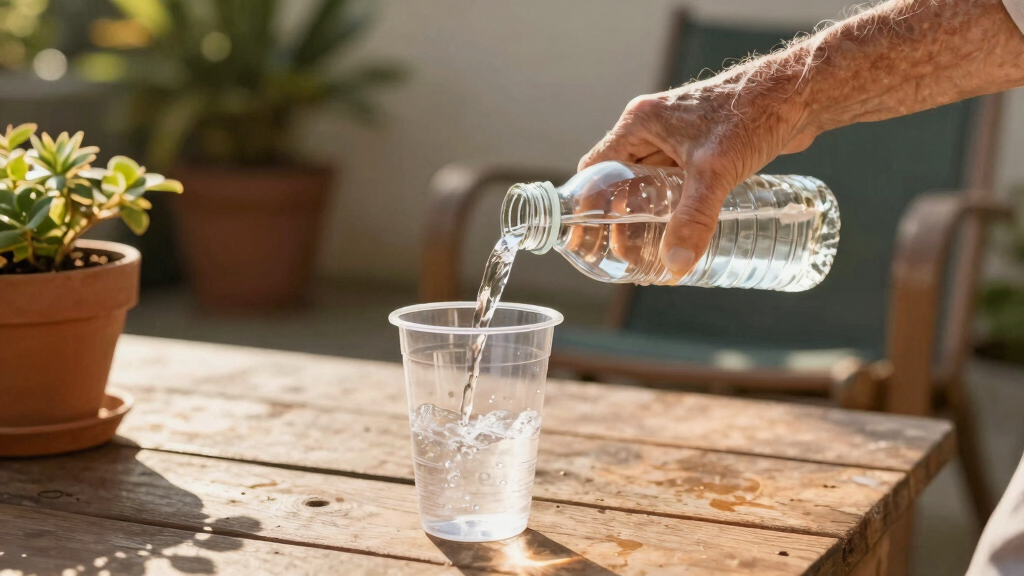
Staying hydrated doesn’t mean gulping down large glasses of water all at once. Instead, spread it out. Carry a sturdy, reusable water bottle everywhere—a habit that turns hydration into a seamless part of your day. You can refill it at the kitchen sink or on the porch, making it easy to sip consistently.
Pair water with hydrating foods like juicy watermelon, crisp cucumbers, and sweet oranges. These foods not only provide hydration but also supply vital nutrients and electrolytes that help your body retain fluids more effectively. Setting a timer or alarm on your phone to remind you to drink every hour helps establish a routine, preventing accidental dehydration. Remember, drinks like coffee, tea, or alcohol can have diuretic effects—they cause your body to lose more fluids, so they should be consumed in moderation, especially in hot weather.
For example, during a warm country picnic, your water bottle becomes your best friend. A quick sip every 15-20 minutes keeps you feeling cool and refreshed, no matter how hot the sun blazes overhead. Establishing these small, consistent habits ensures your body stays hydrated without feeling burdensome, supporting your overall health and well-being during the heat.
As an affiliate, we earn on qualifying purchases.
Why Electrolytes Matter and How to Keep Your Balance
Electrolytes—such as sodium, potassium, and magnesium—are not just tiny minerals; they are essential messengers and regulators within your body. These minerals help your cells communicate, regulate nerve functions, and most importantly, maintain your body’s hydration levels. When you sweat, especially during hot days, your body loses not only water but also these vital minerals. If electrolyte levels drop too low, you might experience muscle cramps, fatigue, dizziness, or nausea—symptoms that can severely impair your ability to enjoy your day outdoors.
Understanding this helps clarify why simply drinking water isn’t always enough. Without replenishing electrolytes, your body struggles to absorb and retain fluids efficiently, which can prolong dehydration and increase the risk of heat-related illnesses. Foods rich in electrolytes—like bananas, sweet potatoes, nuts, and leafy greens—are excellent for restoring balance. Additionally, electrolyte drinks or tablets can be useful during extended outdoor activities or intense gardening, where losses are higher. Maintaining this mineral balance is crucial because it directly influences how well your body can hydrate and recover, ensuring your muscles stay functional and your energy remains steady in the heat.
As an affiliate, we earn on qualifying purchases.
Frequently Asked Questions
How much water should I drink daily in hot weather?
Generally, aim for about 2.7 liters (91 ounces) for women and 3.7 liters (125 ounces) for men, but listen to your body’s signals. More active days or higher temperatures mean you’ll need a bit more. Drinking small amounts regularly is best.Are there signs that I am drinking too little or too much water?
Yes. Signs of too little water include thirst, dry mouth, dark urine, and fatigue. Drinking too much can cause dizziness, nausea, and hyponatremia—a rare but serious condition. Balance is key.What are the best drinks for staying hydrated besides plain water?
Electrolyte-enhanced waters, herbal teas, and hydrating foods like watermelon and cucumbers are excellent. Limit sugary drinks and alcohol, which can dehydrate you further.Can I hydrate effectively with foods alone?
While foods like fruits and vegetables do contribute to hydration, they should complement water intake, not replace it. Combining both ensures your fluids and electrolytes stay balanced.How does activity level affect my hydration needs?
More active you are, especially outdoors, the more fluids and electrolytes you’ll need. Take water and snacks with you, and hydrate before, during, and after activity to stay comfortable.insulated water bottle for outdoor use
As an affiliate, we earn on qualifying purchases.
As an affiliate, we earn on qualifying purchases.
Conclusion
Staying well-hydrated during warm country days is about simple, consistent habits. A glass of water here, a juicy snack there—these small actions keep you feeling your best. Imagine the peaceful rhythm of country life, where taking care of yourself feels as natural as tending your garden.
Remember, hydration is your best friend on hot days. Keep your water close, listen to your body, and enjoy every moment outdoors with comfort and care.
Cold & flu season Picks
humidifiers
As an affiliate, we earn on qualifying purchases.