
TL;DR

Turn quiet afternoons into listening time
- Thousands of audiobooks, podcasts and originals
- Listen on your phone, tablet or Echo — also offline
- Cancel anytime
A Sixty and Me report argues that retirees’ well-being is shaped by habits such as maintaining relationships, finding purpose, staying active and adapting to physical changes—not simply by the size of their savings. The article draws on research and public health guidance, but it does not present a new study comparing retirees’ happiness or establish that these habits cause longer or happier lives.
Sixty and Me’s report on retirement and well-being identifies relationships, a sense of purpose, regular activity and adapting to changing abilities as common habits among retirees it describes as thriving. The article argues that retirement satisfaction is not determined by savings alone, while drawing on existing research and public health guidance rather than reporting a new study of retirees.
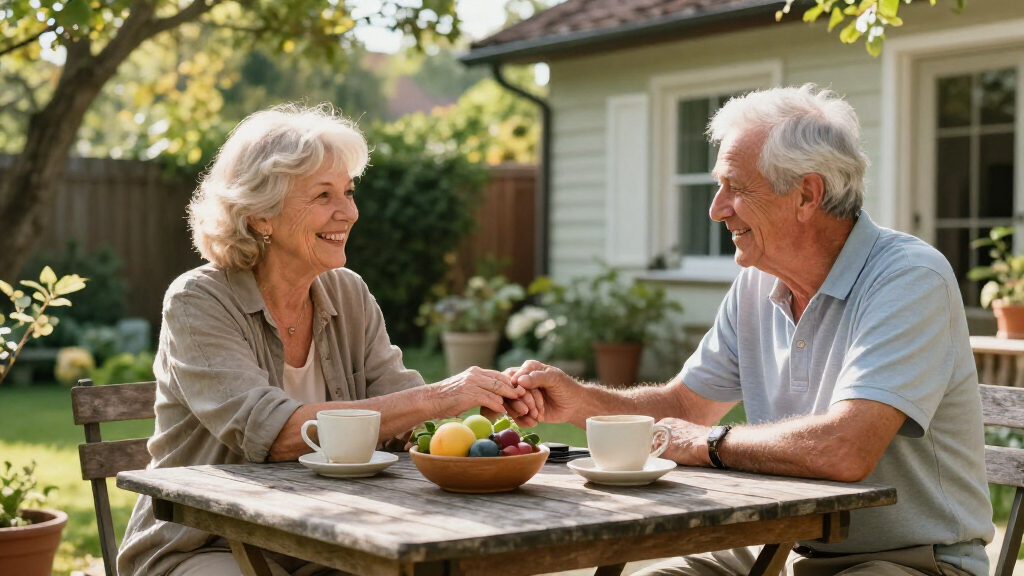
The report says retirees who maintain regular social connections may preserve an important source of well-being after work no longer provides routine contact. It points to the Harvard Study of Adult Development, whose directors have said that good relationships support happiness and health as people age. The article also cites a finding that relationship satisfaction at age 50 predicted health at 80 better than cholesterol did; the supplied report does not provide the study citation or details needed to assess that comparison independently.
Another theme is having something to get up for. The article cites a 2019 study of nearly 7,000 adults over 50, saying participants with the weakest sense of purpose were more than twice as likely to die during the study period as those with the strongest. It gives volunteering, mentoring, family responsibilities and gardening as examples of purposeful activity. The result is an association described by the source, not proof that purpose alone caused differences in mortality.
The report also recommends movement, learning and practical adaptation. It references federal guidance calling for about 150 minutes of moderate physical activity each week for older adults, alongside strength work at least twice weekly and balance exercises. Classes, hobbies and social activities can combine learning with contact. For mobility or balance changes, the author suggests modifying activities or using aids rather than abandoning valued routines.
Daily Habits Can Shape Retirement
The article’s focus matters because retirement can remove the built-in routines and social contact of work. The source says retirement may last 25 or 30 years, making everyday choices about companionship, activity and purpose relevant across a long period of life. Its central point is not that money is irrelevant, but that financial resources alone do not capture the social and personal dimensions of retirement.
Several recommendations are practical and can be started without a major expense: schedule a regular call or meal, join a walking group, take a library class or add strength and balance work to an existing routine. The report also frames mobility aids and home adjustments as ways to maintain participation, not as signs that someone must stop doing activities. These are suggestions from the article, not individualized medical guidance.
The piece draws attention to prevention as well as enjoyment. It cites the CDC estimate that about one in four adults aged 65 and older reports a fall each year, and recommends changes such as better lighting and grab bars. That figure underscores why home safety can affect independence, although the article does not evaluate the effectiveness of each suggested change.
Products Worth Considering

HOOYEAH 6 x 6 ft Polycarbonate Walk-In Greenhouse

Garvee 6 × 8 ft Walk-In Polycarbonate Greenhouse

Takywep 6 x 9 ft Walk-In Greenhouse with Polycarbonate Panels
As an affiliate, we earn on qualifying purchases.
Research Behind the Report
The supplied Sixty and Me article combines personal observations from an author who says they work with older adults and families, summaries of prior research, and practical recommendations. It is not a report of a new survey or experiment comparing the happiness of retirees by income, savings or daily habits. The headline’s contrast with money is the article’s framing, not a conclusion established by a direct financial comparison in the material provided.
The background cited includes the Harvard Study of Adult Development, a long-running study that began in 1938 and later included participants’ families; a 2019 study of purpose among adults over 50; the U.S. Surgeon General’s 2023 advisory on loneliness; federal physical activity guidance; and CDC fall data. Together, these sources provide context for the article’s themes, but they address different outcomes and populations.
““The difference rarely comes down to the size of the nest egg.””
— Sixty and Me report
What the Evidence Does Not Show
The supplied material does not identify the report’s publication date, provide full citations for each study, or explain the methods behind the quoted comparisons. It also does not include a direct study testing whether retirees with these habits are happier than those without them, or whether income has less influence on well-being than relationships or purpose.
The findings cited concern different measures, including health, mortality risk, loneliness and falls. They should not be read as proof that any single habit causes happiness or longer life. Individual health, finances, access to community activities and personal circumstances may all affect what is feasible and beneficial. The article offers broad suggestions; it does not establish one routine that will suit every retiree.
Practical Steps After Retirement
The report closes by encouraging readers to start with a small, concrete action: contact someone, schedule a recurring activity or choose a class or hobby. It also recommends adding strength and balance activity, adjusting a favorite pastime when abilities change, and making home-safety improvements before a fall occurs.
For people experiencing unsteadiness, pain or other health changes, the article’s general suggestions are not a substitute for personalized advice. A qualified health professional can help assess activity and mobility needs. No follow-up study or new milestone is announced in the supplied material; what happens next is left to readers and their individual circumstances.
Key Questions
What habits does the report associate with thriving in retirement?
It highlights maintaining relationships, having a sense of purpose, staying active, continuing to learn and adapting when health or mobility changes.
Does the article prove that money does not affect retirement happiness?
No. The headline emphasizes factors beyond wealth, but the supplied article does not report a direct study comparing savings or income with happiness. It presents social and personal habits as important parts of well-being, not as proof that finances do not matter.
What activity guidance does the report cite?
It references federal guidance of about 150 minutes of moderate activity each week for older adults, plus strength work at least twice a week and balance exercises. People should seek qualified guidance if they have health or mobility concerns.
What does the report say about mobility aids?
It presents canes, walkers and other aids as possible ways to continue valued activities when balance or distance becomes difficult. The right option depends on an individual’s needs.
Source: sixtyandme.com