
TL;DR

Turn quiet afternoons into listening time
- Thousands of audiobooks, podcasts and originals
- Listen on your phone, tablet or Echo — also offline
- Cancel anytime
Tiny Buddha published a personal essay by a 70-year-old writer and executive coach about how familiar self-descriptions can outlast the experiences that formed them. The essay is reflective commentary, not a study: it suggests testing labels such as “I’m not a joiner” while acknowledging that some preferences remain accurate and that the author’s reflections are personal.
The writer describes herself as someone who has spent years identifying her preferences, habits and limits. She has long called herself “not a joiner,” even as she began looking through local Meetup groups for activities involving books, walking, museums, films, travel, food and conversation. She found several that appealed to her, but did not sign up. Instead, she noticed herself putting off the decision and repeating the label.
That moment led her to ask whether avoiding groups was a stable preference or an older conclusion. She says entering a room without knowing anyone can feel uncomfortable, particularly when there is no assigned role or person expecting her. The essay does not report that she ultimately joined a group. Its point is the gap between wanting connection and avoiding the initial awkwardness that may come with seeking it.
The author offers another personal example: she has thought of herself as someone who does not host dinner parties, although she enjoys having people at home and likes conversation. She suggests the obstacle may be preparing the food, rather than hosting itself, and notes that a meal can be purchased. These anecdotes support her broader distinction between a preference and a rule that may have grown around it.
When Self-Labels Shape Choices
The essay speaks to a common tension in self-understanding: labels can help people recognize what they enjoy and avoid activities they have learned they dislike, but they can also make past experience seem like a permanent limit. The writer is not arguing that every reluctance should be overcome. She acknowledges that some conclusions—such as disliking conversation over loud music—may be useful and accurate.
Her proposed check is to listen for broad statements such as “I always,” “I never,” and “I’m just not someone who…” and ask when the belief formed, whether it remains true, and what it may help a person avoid. That approach matters because it separates genuine preference from discomfort, fear of looking foolish or a habit that has gone unexamined. The essay presents this as a personal reflection, not proof that a particular method works for everyone.
Products Worth Considering

8×16 ft Walk-In Greenhouse – Heavy-Duty Outdoor Greenhouse
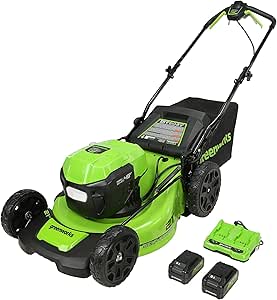
Greenworks 48V (24V x 2) 21-inch Self-Propelled Lawn Mower, Battery Kit

EGO POWER+ 21 Cordless Electric Lawn Mower Kit, Self-Propelled
As an affiliate, we earn on qualifying purchases.
From Self-Awareness to Self-Definition
The essay begins with the author’s confidence that she knows her patterns and preferences after seven decades of life and more than 20 years working as an executive coach. She then questions whether continued self-analysis can turn into self-definition: noticing a pattern can become declaring that the pattern is simply who a person is.
She also applies the question to favorable self-judgments. A person may see themselves as open-minded, easygoing or a good listener while others experience them differently. The author says these assumptions can be less comfortable to challenge than limiting labels, but potentially more useful to examine. She frames change not as discarding earlier versions of oneself, but as recognizing that old rules do not need to decide every present choice.
““I’m just not a joiner.””
— The essay’s author
What the Essay Cannot Establish
This is a first-person essay, not a reported study or clinical assessment. It offers the author’s observations and examples but does not establish how often people misjudge themselves, whether self-labels generally prevent change, or whether questioning them leads to better outcomes. The source also gives no publication date, and the author does not say whether she later attended a Meetup event.
It remains a matter of individual judgment whether a label is outdated, protective or simply accurate. The essay itself allows for that distinction: knowing what one does not enjoy can be useful, while assumptions about listening or open-mindedness may deserve scrutiny from other people’s perspectives.
Testing Old Rules in Daily Life
The source does not announce a follow-up or a next event. Its practical next step is personal reflection: notice absolute self-descriptions, revisit when they formed, and consider whether they still match present circumstances. For the author, that means staying curious about the possibility of connection without claiming she has already joined a group.
Readers looking to apply the idea can treat a label as a question rather than a verdict: distinguish the activity itself from a disliked part of it, as the writer does with hosting and cooking, and decide whether any experiment feels worthwhile. The essay’s closing idea is that earlier versions of a person remain part of their story, but need not have the final say in every decision.
Key Questions
What is the main point of the Tiny Buddha essay?
The author argues that self-awareness can turn into fixed self-labels that may no longer reflect a person’s current preferences. She suggests asking whether a label is still true rather than treating it as permanent.
What example does the author use?
She describes calling herself “not a joiner” while browsing local Meetup groups that sounded appealing. She noticed that she delayed signing up despite wanting more connection.
Does the author say people should ignore their preferences?
No. She says some preferences are useful and accurate. Her point is to distinguish a considered limit from an old assumption that may be narrowing choices.
Is the essay based on a scientific study?
She recommends noticing statements such as “I always” or “I’m just not someone who…” and asking when the belief began, whether it still fits, and what it helps avoid.
Source: tinybuddha.com