
TL;DR

Turn quiet afternoons into listening time
- Thousands of audiobooks, podcasts and originals
- Listen on your phone, tablet or Echo — also offline
- Cancel anytime
Electric blankets for seniors can warm a bed or provide extra comfort without heating the whole home, but they are not a good fit for everyone. Check sensation, mobility, memory, product instructions, and safety features; when in doubt, ask a clinician and consider warming the bed before sleep.
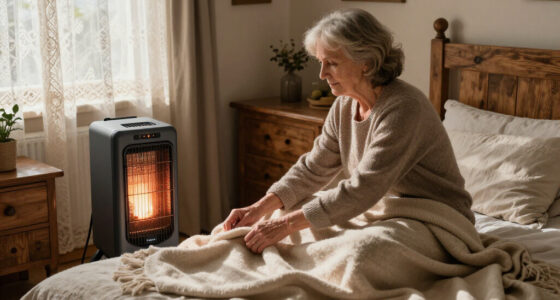
On a frosty morning, the bedroom can feel like the cold side of a stone farmhouse, even when the rest of the house is cozy. An electric blanket may add welcome warmth right where you need it, without turning up the heat in every room.
This guide explains how electric blankets for seniors work in everyday life, what safety details deserve a close look, and when a different kind of bedding may suit you better. You’ll also find practical questions to ask before buying, because a warm bed should feel comforting and easy to manage.
Comfort matters, but so does being able to notice when a blanket feels too hot and to switch it off. Your sensation, mobility, memory, bed setup, and the product’s instructions all affect whether it’s a sensible choice. A few careful checks can help you make a decision that fits your home and your habits.
Choose heated bedding only if you can notice heat and manage the controls safely; ask a clinician about numbness, neuropathy, fragile skin, or related concerns.
Check certification, instructions, care requirements, bed compatibility, and control layout before buying.
Keep the blanket flat and free of folds, and use it overnight only if the manufacturer explicitly allows it.
Stop using and unplug a blanket that has damage, unusual hot spots, or unexpected heating; don’t repair it yourself.
Compare a loose blanket with a secured mattress pad, and consider layered bedding or room heat if heated bedding does not fit your needs.
See when an electric blanket may suit your routine
Electric blankets for seniors can make a cold bed more comfortable and may reduce the need to heat the whole home as much. They can be useful if you feel chilly while reading or resting, or if your bedroom runs colder than the living room. Whether one suits you depends on your ability to sense heat and operate its controls safely.
Think about an evening in a drafty country house: you finish a book in bed, and the sheets feel cool against your feet. A blanket with simple controls might help you warm the bed before you settle in. Some people prefer a heated mattress pad, which stays secured to the bed; others like a loose blanket they can move or share.
Warmth can ease discomfort for some people, but an electric blanket should not be described as treating arthritis, poor circulation, or another medical condition. If you have diabetes with numbness, neuropathy, fragile skin, paralysis, or trouble judging heat, ask a clinician whether heated bedding is suitable. Reduced sensation can make it harder to notice overheating.
Good fit depends on the person: being able to feel heat, understand the controls, and follow the instructions matters as much as the blanket’s features.
Even a model with timers or low-voltage wiring still requires sensible use. The next step is to check whether you can manage its controls comfortably.
Products Worth Considering

Orbit B-hyve Smart Indoor/Outdoor 12-Zone Sprinkler Controller

Orbit B-hyve XR 8-Zone Indoor/Outdoor Smart Sprinkler Controller

EGO Power+ HT2601 26-Inch Cordless Hedge Trimmer with 56V 2.5Ah Battery and Charger
As an affiliate, we earn on qualifying purchases.
Check these safety points before you buy
Electric blankets for seniors are suitable only when the user can follow the product instructions and respond if the blanket feels too hot. Before buying, look for recognized safety certification that applies where you live, readable instructions, and controls you can operate without strain. A straightforward timer or automatic shutoff may help, though neither removes every risk.
Imagine reaching for a tiny, dim button in a dark bedroom. Large, clearly labeled controls can make that task simpler, especially if you need glasses or have stiff fingers. If two people share a bed, dual controls may let each person choose a setting, but check that both sleepers can use their controls reliably.
Use this short checklist as you compare models:
- Controls: Are the buttons clear, easy to reach, and simple to understand?
- Shutoff: Does the timer or automatic shutoff work the way you expect?
- Care: Are the washing and drying instructions manageable for you?
- Bed setup: Does the maker allow use with your mattress or adjustable bed?
- Product record: Can you check the model’s certification and current recall information?
Features and safety standards vary by product and country, so read the specific model’s instructions and verify current information with the manufacturer or relevant consumer-safety authority. A return policy can help if the controls prove awkward once you try them. Next, consider whether you’ll use the blanket while awake or overnight.
Use a simple routine to warm your bed
To warm a bed safely, follow the manufacturer’s instructions, keep the blanket flat, and switch it off before getting in unless the product specifically permits overnight use. A prewarming routine can give you cozy sheets without leaving the heat running while you sleep. The manual—not a general rule of thumb—sets the allowed use for your model.
Try this sequence on a chilly evening, adjusting it to the instructions for your blanket:
- Inspect the blanket for frayed wires, scorch marks, damaged controls, or uneven areas.
- Lay it flat as directed, without folds, bunching, tucking, or heavy objects on top.
- Set the heat using the control and timer instructions for your model.
- Warm the bed before bedtime, then switch the blanket off if overnight use is not explicitly permitted.
- Unplug it when not in use if the maker’s instructions call for that step.
For example, you might set the bed to warm while you put on pajamas, then turn the blanket off before climbing between the sheets. Avoid using it with an adjustable bed unless the manufacturer confirms compatibility; repeated bending or pinching can damage wiring. And if a hot spot or odd smell appears, turn it off, unplug it, and stop using it. That routine protects comfort as well as peace of mind.
Choose a blanket or a heated mattress pad that fits your bed
An electric blanket lies over you and can be moved or shared, while a heated mattress pad sits secured on the mattress. Either can add warmth, and both need the same careful checks for damage, safe operation, and compatibility with the bed. Your preferred feel and the maker’s directions should guide the choice.
Picture two people who share a bedroom: one likes a warm bed, the other prefers cool sheets. A loose blanket may be easy to fold away or pull over one sleeper, while a pad may stay put better through the night. Dual controls can offer separate settings on some products, but each person still needs to understand their controls and respond to heat.
| Option | What may work well | What to check |
|---|---|---|
| Electric blanket | Can be moved, folded, or shared as the instructions allow | Keep it flat in use; confirm care rules and allowed overnight use |
| Heated mattress pad | Secures to the mattress and may stay in place | Check fit, mattress compatibility, and any adjustable-bed limits |
Neither option is automatically safer for every person or bed. For instance, a pad may suit someone who dislikes loose bedding, yet it won’t solve difficulty noticing heat or operating a control. Read the care label before washing; some models are washable only by following a specific method. A close fit matters, but so does being able to use the product as directed.
Know when another kind of warmth makes more sense
Warm bedding, layered clothing, room heating, or another simple option may suit you better if you cannot reliably sense heat or manage an electric blanket’s controls. Electric blankets can help older adults feel warmer in a cold bedroom, but they are not the only way to stay comfortable. The best choice is one that fits your abilities and can be used according to its instructions.
Say you wake with chilly feet but have numbness in your toes. Because you may not notice a blanket getting too hot, talk with a clinician before using heated bedding; extra socks and another light layer may be easier to manage. A hot-water bottle may be another possibility when used according to its own instructions, though it also needs careful handling.
- Layered bedding: Add a washable blanket or a light duvet you can remove easily.
- Warm clothing: Keep a cardigan, socks, or a soft robe near the bed.
- Room heat: Adjust the bedroom temperature if that suits your home and energy budget.
- Hot-water bottle: Follow its filling, cover, and use instructions; avoid direct skin contact if directed.
A space heater can warm a room, but it carries fire and burn risks and needs careful placement and use. If you need to heat only your bed, targeted warmth may seem appealing; if managing cords or controls is difficult, a clothing layer could be the simpler answer. Comfort should not come at the expense of safe, manageable routines.
Keep your blanket in good shape and know when to stop
Check an electric blanket regularly and stop using it if you see frayed wires, scorch marks, damaged controls, unusual hot spots, or other signs of trouble. There is no single lifespan that applies to every model, so use the manufacturer’s replacement guidance and replace a product sooner if it becomes damaged or heats unevenly. Do not try to repair it yourself.
For example, if one patch feels much hotter than the rest while you’re making the bed, switch the blanket off and unplug it. Don’t fold it away for another night and hope the problem disappears. Contact the manufacturer for product-specific guidance, and replace the blanket if it is damaged or behaves unusually.
Follow care instructions just as carefully as operating instructions. Some models can be washed; others may have limits on washing, drying, or removing the controls. Disconnect the controls and use only the washing method on the label, because a tumble dryer or rough handling could harm a product that wasn’t designed for it.
When shopping, check the current recall status for the specific model, since product availability and safety notices change over time. A return policy and clear contact details can make it easier to resolve a control or fit problem. Treat warmth like any other household appliance: inspect it, handle it as directed, and retire it if it shows signs of damage.
Frequently Asked Questions
Are electric blankets safe for seniors?
They can suit some older adults when used as directed, but safety depends on sensation, mobility, memory, and control use. Check the blanket regularly and ask a clinician if a condition may affect your ability to notice heat.
Can I sleep with an electric blanket on all night?
Follow the instructions for your specific model. If overnight use is not explicitly allowed, warm the bed before sleep and switch the blanket off before getting in.
Are electric blankets suitable for someone with diabetes or poor circulation?
Diabetes or poor circulation may come with reduced sensation for some people, which can make it harder to notice excessive heat. Ask a clinician before using heated bedding, especially if you have numbness, neuropathy, or fragile skin.
What should I do if my blanket develops a hot spot?
Turn it off, unplug it, and stop using it. Check for visible damage, but do not try to repair the blanket; replace it if it is damaged or heats unevenly.
Can I wash an electric blanket?
Some models can be washed, but only when the care label allows it. Disconnect the controls and follow the specified washing and drying method.
Can I use an electric blanket with an adjustable bed?
Use one only if the manufacturer confirms compatibility with your adjustable bed. Repeated bending or pinching can damage wiring, so check the product instructions for your exact setup.
Conclusion
Choose warmth you can manage safely. Before buying, check your ability to notice heat, read the product instructions, and make sure the controls and bed setup suit your routine. If a health condition affects sensation or judgment, ask a clinician and weigh simpler options such as layered bedding.
A cozy bed should feel like a quilt warmed by the afternoon sun: comforting, familiar, and easy to enjoy. Let clear instructions and an honest look at your needs guide the choice.