
TL;DR

Turn quiet afternoons into listening time
- Thousands of audiobooks, podcasts and originals
- Listen on your phone, tablet or Echo — also offline
- Cancel anytime
Living alone in the country demands a straightforward emergency plan. Focus on risk assessment, reliable communication, water, power, and a neighbor network. This guide offers concrete steps to stay safe when help may be hours away.
Imagine waking up to a power outage on a chilly winter morning. No heat, no water, and only your wits to rely on. If you live alone in the country, a quick emergency isn’t so quick. Rural living magnifies the need for a simple, reliable plan that keeps you safe without depending on quick help.
This guide is about crafting that plan—one that’s easy to follow, tailored to your land, and built around your independence. You’ll learn how to assess your risks, keep communication open, and prepare your home and supplies for anything. Because in the country, a little preparation goes a long way toward peace of mind.
Focus your emergency plan on the top 2–3 risks specific to your property—don’t overcomplicate.
Establish a reliable check-in system with someone you trust, including written instructions and backup communication devices.
Stock enough water and supplies for at least two weeks, and learn manual methods to access essential resources.
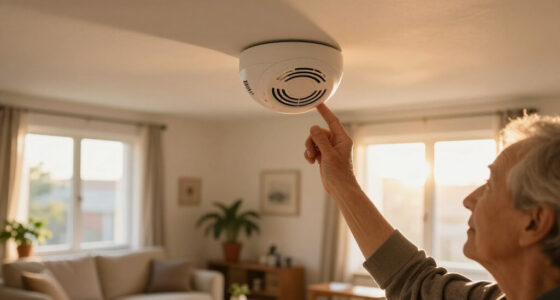
Prepare your home with backup power, heating, and fire safety measures tailored for rural hazards.
Build strong neighbor connections—they’re your local safety net when help takes longer to arrive.
Field Guide · Rural Preparedness · Solo Living
A Simple Emergency Plan for Living Alone in the Country
When the power dies on a winter morning, there is no heat, no water — and no quick rescue. Rural response times run roughly double urban ones. This plan keeps you safe, supplied, and connected — built around your land, your risks, and your independence.
“In the country, a little preparation goes a long way toward peace of mind.”
The Core PrincipleSix Pillars of a Plan You Can Actually Execute Alone
A “simple” plan isn’t a lesser plan — it’s one a single person can carry out without help, when help may be hours away.
Know Your Top Risks
Walk your property. Note flood-prone ground, trees over the roof, where ice piles up. Build around your top 2–3 realistic threats — not a generic checklist.
Set a Check-In System
A scheduled daily call with one trusted contact. If you go silent, they act. Written instructions plus a NOAA radio backup close the gap when cell coverage fails.
Secure Your Water
No power means no well pump. Store 1 gallon per person per day for two weeks — and practice accessing your well manually before you ever need to.
Back Up Power & Heat
Rural outages last days, not hours. A generator on a transfer switch, a wood stove with seasoned fuel, and a plan to keep pipes from freezing.
Stock Food & Meds
Two weeks of shelf-stable food, a manual can opener, and a 30–90 day medication buffer, rotated so nothing expires. Post your med list on the fridge — EMS looks there.
Build a Neighbor Network
Even “alone” usually means someone within a mile. Exchanged numbers and a knock-on-the-door agreement form a genuine life-safety layer.
The Check-In Protocol — How Silence Triggers Help
For someone living alone, this is arguably the single most important element of the entire plan. When every minute counts, a missed call becomes the alarm.
Daily Check-In
Scheduled call or message — e.g. every morning at 8:00 am, or every other day.
Grace Window
A fixed buffer — 15 minutes. No answer by 8:15 means the protocol activates.
Contact Acts
Your person follows written instructions: retry, then call your backup neighbor.
Physical Check
Neighbor knocks on the door using your shared property details and gate access.
Alert Authorities
No response escalates to emergency services with your exact location and notes.
“Call me every morning at 8 am. If I don’t answer by 8:15, check on me.”
Include: what to do if you don’t respond, emergency numbers, your property details — gate codes, long driveway notes, and where the spare key lives.Water: From the 72-Hour Rule to the Two-Week Reality
Guidance is shifting from the classic 3-day kit toward 1–2 weeks of self-sufficiency — rural households should plan for the long end.
The Well Problem
Your well pump needs electricity — no power means no water, no matter how full the aquifer is. Storage is only half the answer.
- Know your well: location, priming procedure, manual operation steps.
- Backup power: a generator or battery station matched to the pump’s load.
- Practice: test manual access periodically — familiarity prevents panic.
What Still Works When the Cell Network Drops
Spotty coverage used to be the dead-end of rural planning. Satellite and dedicated radio have changed the math — layer at least two of these.
| Channel | Works w/o Cell | Cost | Best Role in the Plan |
|---|---|---|---|
| SmartphoneVoice, text, data | ~Coverage dependent | ✓Already owned | Primary daily check-in channel where signal exists. |
| NOAA Weather RadioReceive-only alerts | ✓Fully independent | ✓Low one-time | 24/7 storm and emergency alerts with zero network reliance. |
| Satellite SOS DevicePhone feature or dedicated unit | ✓Needs open sky | ~Moderate | Two-way emergency contact from anywhere on your land. |
| Starlink BroadbandHome internet | ✓Independent | ✗Needs power | Full home connectivity — pair with backup power to stay online. |
Match Each Hazard to Its Countermove
Understanding why a risk escalates rurally turns your plan from a checklist into a strategy. Focus resources where the tradeoffs are real.
| Hazard | Why It Escalates in the Country | Your Countermove |
|---|---|---|
| Wildfire | Fast spread plus fire crews 20+ minutes out raises the stakes on every minute. | Defensible space around the home, two mapped escape routes, an early-departure trigger. |
| Flooding | Washed-out roads isolate you; damaged infrastructure takes longest to restore. | Elevate utilities and outlets, stage sandbags, never cross flooded roads. |
| Winter Storm | Days without power or heat; frozen pipes turn a storm into lasting damage. | Backup heat, extra blankets, drip faucets, know your main water shutoff. |
| Extended Outage | A dead well pump means no water; rural lines are repaired last. | Generator on a transfer switch (outdoors, 20+ ft away), manual well access, 14-gal store. |
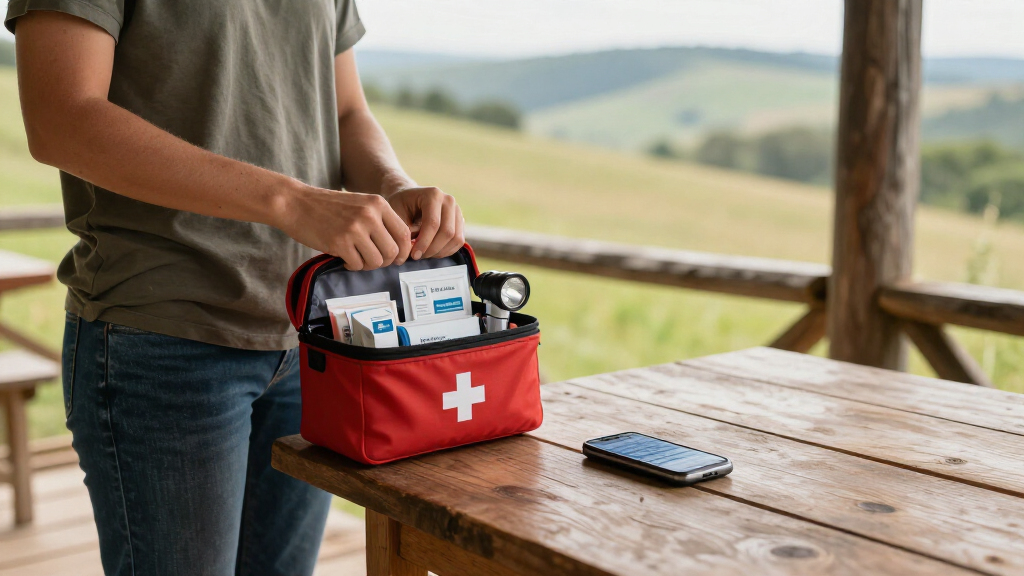
| Medical Emergency | Help is 14+ minutes away and you are the only first responder on site. | Stocked first aid kit, med list on the fridge, alert device, house number visible from the road. |
Hold Your Ground
- Officials have not ordered evacuation and roads remain passable.
- Power, heat, and water backups are working and supplies hold.
- The hazard (storm, outage) is best ridden out indoors.
- Your check-in contact knows you’re staying and your status.
Get Out Early
- Fire proximity or an official evacuation order — leave before you must.
- Rising water threatens access roads or the home itself.
- Heat or medical dependence can’t be sustained through an outage.
- Your pre-agreed personal triggers are met — grab the go-bag and go.
Six Moves, One Peace of Mind
Risks
Check-In
Water
Heat & Power
Network
Go-Bag
Identify Your Top Risks — Focus on What’s Most Likely
The first step in any good emergency plan is knowing what could go wrong. For rural living, common hazards include wildfires, flooding, winter storms, power outages, and medical emergencies. Take a walk around your property. Note the areas prone to flooding, the trees close to your roof, or the spots where snow and ice tend to pile up.
Understanding why these risks matter helps you prioritize actions. For instance, if your property is near a forest, wildfire is a constant threat that could rapidly escalate, making early evacuation or defensible space critical. Flood-prone areas might require elevating electrical outlets or having sandbags ready. Recognizing these risks allows you to allocate resources effectively, avoiding wasted effort on unlikely scenarios and focusing on what could truly impact your safety and property.
Choosing which risks to prioritize involves understanding their potential consequences. Wildfires could destroy property or threaten your life if not prepared for early evacuation. Flooding might damage essential infrastructure, leaving you isolated. Winter storms can cut off power and heat, creating hazards like hypothermia. By understanding these implications, you can develop targeted strategies — like creating defensible space for wildfires, elevating critical utilities for floods, or having extra blankets and backup heating for winter storms. This depth of understanding ensures your plan is not just a checklist but a comprehensive approach that considers the real tradeoffs involved in each hazard.
portable power generator for home backup
As an affiliate, we earn on qualifying purchases.
As an affiliate, we earn on qualifying purchases.
Set Up a Reliable Check-In System with Someone You Trust
Living alone means your safety depends heavily on regular check-ins. Pick one or two contacts—perhaps a neighbor, a friend, or a family member—who will monitor your wellbeing. Schedule a daily or every-other-day call or message. If you go silent, they’ll know something’s up.
For instance, you might say, ‘Call me every morning at 8 am. If I don’t answer by 8:15, check on me.’ Keep a written note with instructions—what to do if you don’t respond, emergency numbers, and your property details. Consider a NOAA weather radio as a backup—when cell signals falter, this device keeps you tuned into alerts.
Why does this matter? Because rural areas often have spotty cell coverage, and emergencies can happen unexpectedly. A trusted check-in system creates a safety net, ensuring someone is aware of your status and can alert authorities if needed. It’s a simple step that dramatically increases your safety margin. The tradeoff is the reliance on consistent communication, so choosing reliable methods and clear instructions is vital to avoid false alarms or missed alerts. This system becomes your lifeline when every minute counts, especially during severe weather or medical crises, where quick intervention can make the difference between life and death.
water storage containers for emergency preparedness
As an affiliate, we earn on qualifying purchases.
As an affiliate, we earn on qualifying purchases.
Stock Up on Water and Know How to Access It Manually
Water is your lifeline. Your well pump needs electricity—without it, no water flows. Store at least one gallon per person per day, ideally enough for two weeks. That’s 14 gallons per person, enough to drink, cook, and wash lightly.
For example, if you’re alone, having a 14-gallon container in your cellar can make a big difference. But beyond storage, understanding how to access your water manually can be a game-changer. If your power goes out, you might need to operate your well pump manually or use a backup power source like a battery or small generator. Knowing the location of your well, how to prime it if necessary, and procedures for manual operation can prevent a crisis from turning into a disaster. The tradeoff is that manual access requires familiarity and practice—so periodically testing your backup methods ensures you’re prepared when it counts. This knowledge can mean the difference between having water and being completely cut off, especially during extended outages or emergencies where external help is delayed.
solar-powered communication devices
As an affiliate, we earn on qualifying purchases.
As an affiliate, we earn on qualifying purchases.
Frequently Asked Questions
How much water and food should I store for emergencies?
Rural areas benefit from storing at least 14 gallons of water per person for two weeks. Food-wise, aim for a two-week supply of shelf-stable items like canned goods, dried fruits, and grains. Rotate supplies regularly to keep everything fresh.
Do I need a generator, and what size is best?
A small portable generator with a transfer switch is ideal for running essentials like your well pump, fridge, and medical devices. Choose one that matches your critical loads—consult an electrician if unsure—and always prioritize safety with outdoor placement and carbon monoxide alarms.
What’s the best way to communicate if cell service drops?
A satellite emergency device or Starlink broadband can keep you connected when cell networks fail. Also, a NOAA weather radio provides alerts and updates without relying on cell signals. Test your devices regularly to ensure they work when needed.
How do I decide when to stay or evacuate?
Follow official alerts and your personal triggers—like fire proximity or severe storms. Have a pre-packed go-bag ready, and agree on clear criteria with your neighbors or family. Staying informed and prepared makes the decision easier when time is tight.
How often should I review and update my plan?
Set a routine—twice a year works well, often during daylight saving time changes. Check your supplies, test communication devices, and revisit your risk assessment. Updating your plan keeps it fresh and reliable.
winter emergency heating solutions
As an affiliate, we earn on qualifying purchases.
As an affiliate, we earn on qualifying purchases.
Conclusion
Living alone in the country doesn’t have to mean being unprepared. A simple, well-thought-out emergency plan keeps you safe, confident, and independent—no matter what the land throws your way.
Remember, it’s not about fear; it’s about peace of mind. Take that first step today—your future self will thank you for it.
Cold & flu season Picks
humidifiers
As an affiliate, we earn on qualifying purchases.