
TL;DR

Turn quiet afternoons into listening time
- Thousands of audiobooks, podcasts and originals
- Listen on your phone, tablet or Echo — also offline
- Cancel anytime
Medical alert systems are devices that help seniors call for help in emergencies, whether at home or on the go. They include wearable buttons and respond quickly, with new features like GPS and fall detection making them more reliable and discreet. Choosing the right system depends on your lifestyle and needs.
If you’ve ever worried about what might happen if you fall or need help quickly, a medical alert system can bring peace of mind. These devices are like a safety net, giving you a way to summon help at the push of a button. They’ve come a long way from simple pendants to smart, connected gadgets that fit seamlessly into everyday life.
In this guide, you’ll learn what these systems do, how they work, and which features matter most. No confusing tech talk — just straightforward info to help you feel confident about staying safe and independent.
Choose a system based on your activity level — inside, outside, or both.
Latest tech offers GPS tracking and fall detection, making safety smarter and more discreet.
Most systems connect via cellular networks, freeing you from landline restrictions.
Regularly check battery life and system updates to keep your safety net reliable.
Insurance and Medicare may help cover some costs, so ask your provider.
What exactly is a medical alert system?
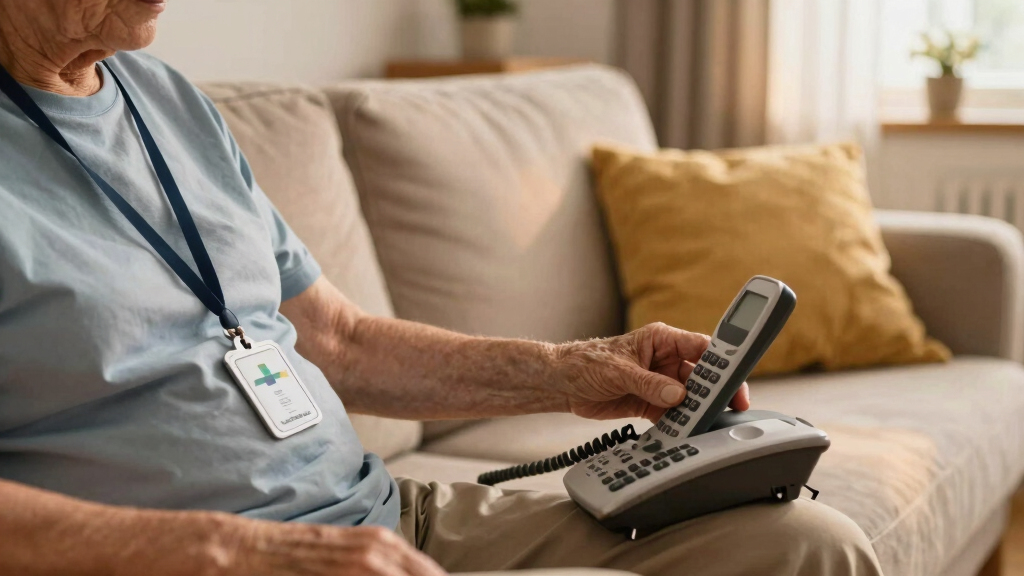
A medical alert system is a device designed to help you get help fast when you need it most. Think of it like having a personal safety assistant always nearby. When you press a button on a pendant or wristband, it connects you to a response center where trained operators can assess your situation and call emergency services if necessary.
Imagine slipping in the kitchen and not being able to get up — pressing your button alerts someone who can send help, even if you’re unable to speak. These systems are a lifeline, especially for those living alone or with health issues that might require quick assistance.
As an affiliate, we earn on qualifying purchases.
Different types of medical alert systems—and what they do best
Medical alert systems come in a few main styles. Each suits different lifestyles and needs:
- In-Home Systems: Connect to your landline or internet, with a base unit and wearable buttons. These are ideal if you mostly stay indoors, but they can limit your mobility outside the house. They’re straightforward and reliable, but if you travel or like to spend time outdoors, they may not offer the flexibility you need.
- Mobile Systems: Use cellular networks, letting you move freely outside your house. These are perfect for active seniors or those who travel. However, they often come with higher costs and require consistent charging or battery maintenance.
- GPS-Enabled Systems: Track your location in real-time, which is especially useful for those prone to wandering or with memory issues. These systems can prevent dangerous situations like getting lost, but they may raise privacy concerns and tend to be more expensive.
Choosing between these options involves weighing convenience, cost, and your specific safety needs. For example, if you value independence and outdoor activity, a mobile or GPS system might provide peace of mind. Conversely, if you’re mostly homebound, an in-home system could be sufficient and more cost-effective. The key is understanding your daily routine and potential risks to make an informed decision.
fall detection medical alert pendant
As an affiliate, we earn on qualifying purchases.
As an affiliate, we earn on qualifying purchases.
How do these systems actually keep you safe?
When you press the button, here’s what happens:
- The device dials a response center.
- An operator answers and asks how they can help.
- If needed, they call emergency services or notify family members.
- Some systems also have fall detection sensors that automatically alert help if you fall and can’t press the button.
Understanding these steps helps you realize how vital quick response is in emergencies. The automatic fall detection feature, for instance, is especially valuable because it acts as a safety net for those who might be unable to press the button after a fall. However, it’s important to recognize that fall detection isn’t foolproof; false alarms can occur, and some falls may go unnoticed. This means that while fall detection can significantly improve safety by reducing response time, it also requires careful consideration of its limitations. For example, false alarms might lead to unnecessary emergency responses, causing inconvenience or anxiety, but missing a fall could have serious consequences. Knowing these tradeoffs helps you decide whether such features align with your safety priorities and comfort level. Ultimately, these systems serve as a proactive safety measure, reducing response time and potentially saving lives. Regular testing and understanding system alerts ensure you’re making the most of these safety features.
cellular medical alert device for seniors
As an affiliate, we earn on qualifying purchases.
As an affiliate, we earn on qualifying purchases.
What features matter most when choosing a system?
Picking the right system isn’t just about price — it’s about what fits your life. Here are key features to look for:
- Coverage: Can it work inside and outside your home? Ensuring reliable connectivity in your typical environment means quicker response times and less frustration when help is needed. Think about your daily routine—if you often go outdoors or travel, a system with broader coverage can be a lifesaver, literally.
- Battery Life: How often will you need to recharge or replace batteries? Longer battery life reduces the chances of a system failure during an emergency, which is critical because a dead device is useless when you need help most. Choosing models with low-maintenance power options means you’re less likely to forget to recharge or replace batteries at crucial moments.
- Ease of Use: Is pressing the button simple, even if your hands shake? Clear, large buttons and straightforward operation prevent accidental calls and ensure help is accessible when needed. Ease of use directly impacts your confidence in the system, and a complicated device might discourage consistent use, defeating its purpose.
- Additional Features: GPS tracking, medication reminders, two-way talk, and fall detection can make a big difference. Prioritize features that address your specific risks and daily routines, rather than paying for extras you won’t use. For example, if you often forget medications, a reminder feature can be invaluable; if you’re prone to wandering, GPS adds an extra layer of safety.
To make an informed choice, consider doing a trial period or consulting with a safety specialist. Reflect on your daily activities, mobility, and health conditions to decide which features will genuinely enhance your safety and independence. Remember, the goal is to find a system that integrates smoothly into your lifestyle, giving you confidence rather than complexity.
As an affiliate, we earn on qualifying purchases.
What’s new in medical alert tech? Innovations you should know about
Medical alert systems are getting smarter every year. Here’s what’s new:
- Smartphone Apps: Family can monitor your activity and receive alerts instantly, making it easier to stay connected and intervene early if needed. This innovation extends safety beyond the device itself, fostering a more connected support network that can react promptly to emergencies or concerns.
- Better Fall Detection: Sensors now distinguish real falls from normal movements, reducing false alarms and ensuring help arrives only when necessary. This improvement is crucial because false alarms can cause unnecessary panic or drain emergency services, while missed falls can lead to serious injury or delay in help. The balance between sensitivity and specificity is vital, and newer sensors aim to optimize that tradeoff for safer, more reliable assistance.
- Wireless & Cellular: Moving away from landlines, systems now work on cellular networks for true freedom of movement. This evolution means fewer restrictions and more consistent coverage, but it also requires regular checking of signal strength and battery status. It’s a tradeoff—greater mobility and convenience at the cost of needing to stay vigilant about connectivity and power, which can be managed with routine checks.
- Discreet & Stylish Devices: No more bulky pendants — today’s devices look like jewelry or fitness trackers, encouraging consistent wear and reducing stigma. This aesthetic shift can greatly improve user compliance and comfort, making safety devices a natural part of daily attire rather than an awkward accessory.
- Smart Home Integration: Connect with voice assistants or security cameras for a safer, smarter home. These integrations can automate alerts and enhance your overall safety ecosystem, allowing for more comprehensive and proactive safety measures that adapt to your environment and lifestyle.
Understanding these innovations helps you leverage technology to stay safer and more independent. For example, a sleek GPS bracelet that doubles as a fall detector can provide peace of mind while blending seamlessly into your daily look. Staying informed about these advances allows you to choose systems that grow with your needs, offering both safety and style.
How much do these systems cost, and are they covered?
Most systems cost between $20–$50 per month. Some might have an upfront device fee, but the ongoing costs cover service and monitoring. According to Huckfarm, many insurance plans and Medicare now offer partial coverage or discounts for these systems, especially if prescribed for medical needs.
Understanding the costs and coverage options is important because it impacts your decision-making and ongoing affordability. Insurance and Medicare coverage can significantly reduce out-of-pocket expenses, making safety devices accessible to more people. However, coverage varies widely—some plans may only cover certain types of systems or require prior authorization. Investigating these options beforehand ensures you select a system that’s both effective and financially manageable, avoiding surprises down the line. Also, consider long-term costs such as battery replacements or system upgrades, which can add up over time. Being proactive about understanding these financial factors helps ensure your safety system remains reliable and affordable, giving you peace of mind.
Your questions answered: common concerns about medical alert systems
Here are a few questions many people ask:
- How do I pick the right one for me? Consider your daily routine, mobility, and budget. Think about whether you need something for inside the house or on the go. Assess your comfort with technology, and prioritize features that will genuinely improve your safety. Taking the time to research and test options can prevent costly mistakes and ensure peace of mind. Remember, a system that fits your lifestyle will be used more consistently and effectively, making it a truly valuable safety tool.
- What if I press the button by mistake? Most systems have a way to cancel false alarms, and operators are trained to handle accidental presses calmly. Practice using your system to understand its functions and avoid unnecessary emergency responses. Inform family and caregivers about this feature so they’re prepared. Being familiar with your device’s operation reduces anxiety and helps you respond appropriately, ensuring that accidental presses don’t lead to unnecessary panic or resource use.
- Can I use it without a landline? Yes. Many systems now run on cellular networks, so a landline isn’t necessary. This flexibility allows you to choose a system that fits your environment and lifestyle, especially if you’re a frequent traveler or prefer wireless options. This shift enhances mobility and reduces dependence on fixed infrastructure, but it also means you should regularly check cellular signal strength and battery life to maintain reliability.
- Are fall detectors reliable enough for everyday safety? They’re improving all the time. While not perfect, newer sensors do a better job distinguishing real falls from normal movements, reducing false alarms and ensuring help arrives when needed. Regularly testing your device and understanding its limitations ensures it functions effectively when it matters most. Balancing sensitivity and specificity is key—too sensitive can cause false alarms, while too insensitive might miss actual falls. Proper use and maintenance maximize their benefit, providing a crucial safety net for daily life.
Frequently Asked Questions
Will a medical alert system work if I have Wi-Fi but no landline?
Yes. Many modern alert systems use cellular networks instead of landlines, so as long as you have cell service, they will work perfectly inside and outside your home.How do I know if I need a GPS-enabled device?
If you enjoy outdoor activities, walk often, or worry about wandering, a GPS-enabled system can give you and your family peace of mind by tracking your exact location in real time. This feature is especially helpful if you tend to forget or become confused about your whereabouts, as it can provide immediate assistance and prevent dangerous situations like getting lost. The decision should be based on your lifestyle and risk factors—if wandering or memory issues are common, the added safety of GPS is a valuable investment.What should I do if I accidentally press the button?
Most systems have a way to cancel false alarms, and operators are trained to handle such situations calmly. Familiarize yourself with the cancellation process and inform your family or caregivers about it. Regular practice ensures you feel confident using your system without worry. Being proactive in understanding how to cancel false alarms reduces unnecessary emergency responses and helps maintain trust in your safety system.Are fall detection sensors reliable enough for everyday safety?
They’re improving all the time. While no sensor is perfect, newer fall detection technology reduces false alarms and increases the likelihood of help arriving when truly needed. Regular testing and understanding their limitations help you rely on these features effectively, providing peace of mind that assistance is available if you fall unexpectedly. Balancing sensitivity to avoid false alarms with the need to detect real falls is key—staying informed and maintaining your device ensures it functions as a trustworthy safety net.Conclusion
A medical alert system isn’t just a gadget — it’s a quiet guardian, giving you the confidence to enjoy your independence. Think of it as a safety friend you carry everywhere, ready to help in a heartbeat. When you pick the right one, you’re not just adding a device — you’re adding peace of mind.
Imagine waking up each day knowing help is just a button away, no matter where you are. That’s the true gift of a good medical alert system — a simple step toward feeling safe every moment.
Cold & flu season Picks
humidifiers
As an affiliate, we earn on qualifying purchases.