TL;DR

Get comfort and care essentials delivered free — and shop member deals
- Fast, free delivery on millions of items
- Access to Prime Big Deal Days deals on October 6–7
- Prime Video, Amazon Music and more included
Making getting up at night safer involves good lighting, clear pathways, and safety devices. Recent tech like smart lights and wearable alarms can further prevent falls, offering peace of mind for you and your loved ones.
Getting up in the middle of the night can be a risky moment. A dark hallway, a loose rug, or a misplaced object could lead to a fall. But a few simple changes can turn your nighttime space into a safe, cozy route back to bed.
Whether you’re managing your own home or caring for someone else, knowing how to make these nightly trips safer gives everyone peace of mind. Today, we’ll walk through easy, practical steps you can take to prevent falls and stay comfortable when the lights are low.
Use motion-activated or plug-in LED nightlights in hallways, bathrooms, and staircases to prevent trips.
Keep pathways free of clutter, cords, and loose rugs — check regularly, especially near beds and in entryways.
Install grab bars and use safety devices like bed alarms or wearable alerts to support mobility and emergency response.
Consider smart lighting and wearable safety tech for an extra layer of nighttime security.
Perform quick home safety checks before bed to spot and fix hazards that could cause falls.
Why Good Lighting Is Your Best Nighttime Safety Tool
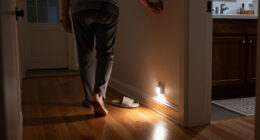
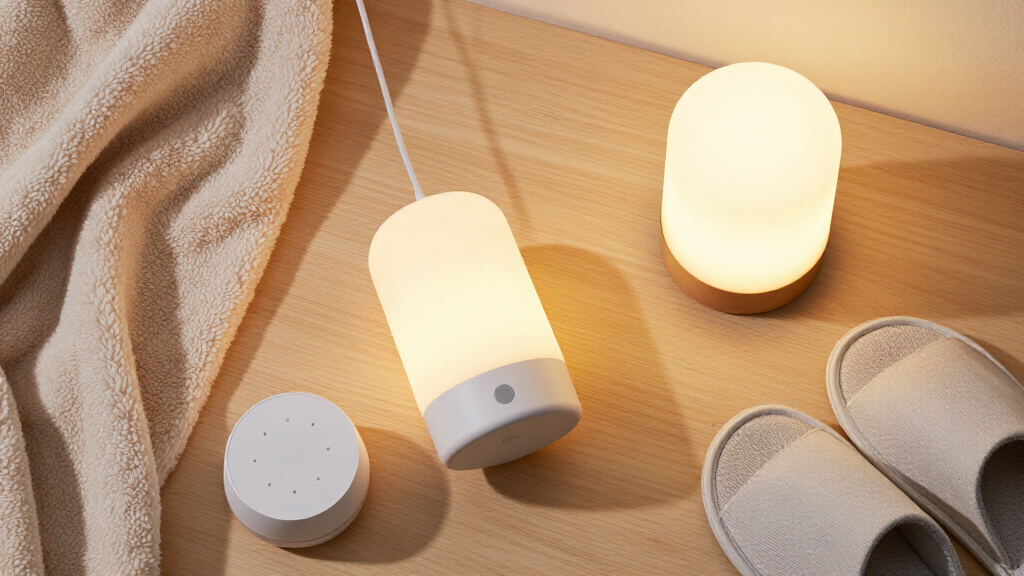
Every step you take in the dark should be guided by clear, gentle light. Nightlights are an inexpensive, simple solution that keeps hallways, bathrooms, and staircases visible. Consider LED plug-in nightlights that turn on automatically when they sense movement.
Why does this matter? Good lighting reduces the chance of missteps that can lead to falls, especially when your vision may be less sharp at night. It also helps you quickly identify hazards like clutter or uneven flooring. The tradeoff is minimal energy use and a small upfront investment for significant safety gains. For example, a homeowner installed motion-activated LED strips along the hallway and reports fewer near-misses during nighttime visits — illustrating how a simple lighting upgrade can make a big difference.
As an affiliate, we earn on qualifying purchases.
Keep Your Path Clear and Clutter-Free to Prevent Trips
Clutter isn’t just an eyesore — it’s a hidden hazard that can cause serious falls. A misplaced book, a loose cord, or a scatter of slippers might seem minor, but they can become trip hazards, especially when visibility is low. Regularly inspecting your pathways helps you identify and remove these risks before they cause injury.
Why is this important? Clutter not only increases the risk of falls but can also cause hesitation or panic if you’re unsure what’s underfoot. Clearing pathways enhances confidence and reduces fall risk, which is crucial for maintaining independence. For instance, a senior resident added a small basket near the bed to keep essentials handy and eliminated loose rugs. This proactive approach minimizes hazards and supports safer mobility, especially during late-night trips, but it requires ongoing vigilance to adapt to new clutter that might accumulate.
As an affiliate, we earn on qualifying purchases.
Safety Devices That Make Night Awakenings Less Risky
Safety devices act as your personal safety net, providing both physical support and peace of mind. Grab bars in bathrooms and near the bed offer stability during transitional movements, reducing the likelihood of slips. Nightlights illuminate your path, decreasing hesitation and missteps. Additionally, bed alarms or wearable emergency alerts serve as proactive tools, alerting others immediately if a fall occurs or assistance is needed.
Why consider these devices? They compensate for natural declines in strength, balance, or vision, especially during vulnerable moments at night. The tradeoff involves some initial cost and effort to install or wear these devices, but the long-term benefit is a significant reduction in injury risk. For example, a family installed sturdy grab bars and a wearable fall detector for an elderly parent, which provided reassurance and quick emergency response when needed. These devices can be life-saving, especially when seconds matter.
Here’s a quick comparison:
| Device | Purpose | Cost | Ease of Use |
|---|---|---|---|
| Grab Bars | Support in bathroom or near bed | Low | Very easy |
| Nightlights | Illuminate pathways | Low | Very easy |
| Personal Emergency Alarm | Alert others if you fall or need help | Moderate | Easy |
As an affiliate, we earn on qualifying purchases.
Smart Tech Make Nighttime Safety Smarter
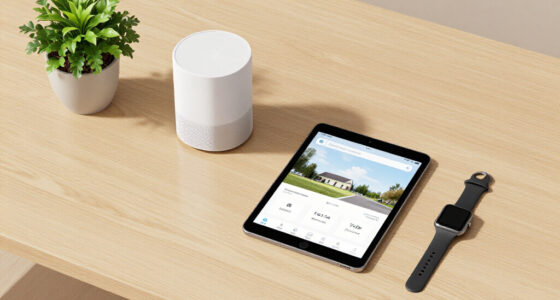
Modern technology offers smart lighting and wearable devices that make getting up safer. Motion-activated smart lights turn on instantly, guiding your steps and reducing the chance of missteps in dark areas. Wearables can detect falls or health issues and automatically alert loved ones or emergency services, providing immediate assistance when needed.
Why does this matter? These innovations add layers of safety that traditional devices can’t match, especially for those with mobility or vision challenges. The upfront cost may be higher, but the potential to prevent serious injuries makes them worthwhile. For example, a family installed smart bulbs that light up as they detect movement, preventing accidental trips. A senior using a wearable alarm can now rest easier, knowing help is just a button press away. These devices also promote confidence, encouraging independence without sacrificing safety.
As an affiliate, we earn on qualifying purchases.
Simple Home Checks That Keep Nighttime Trips Safe
Before bedtime, take five minutes to walk through your home with a flashlight. Look for hazards like loose rugs, cords, or clutter. Make sure all pathways are clear and well-lit. This quick routine helps you identify potential risks that might not be obvious during the day but could cause falls at night.
Why is this important? Regular safety checks create a habit of vigilance, reducing the likelihood of overlooked hazards that could lead to falls. Imagine walking through your hallway with a bright flashlight, noticing a small cord across the floor you hadn’t seen before. Fixing these hazards is quick and inexpensive but can prevent serious injuries. Consistent home inspections also help you adapt safety measures as your needs change, supporting ongoing independence and confidence during nighttime trips.
Frequently Asked Questions
What are the best types of nightlights to use?
Look for LED nightlights that are plug-in or battery-operated with motion sensors. They turn on automatically when you enter a room, providing gentle, consistent light without disturbing your sleep or wasting energy.
How can I prevent falls in the bathroom or on stairs?
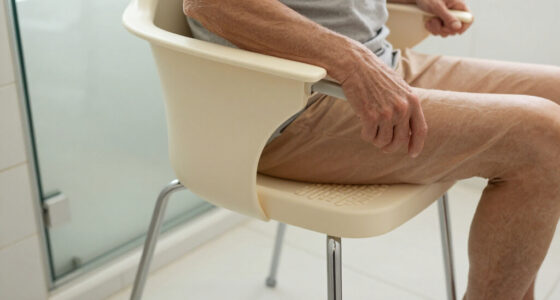
Install grab bars, use non-slip mats, and ensure good lighting. Keep the floor dry and free of clutter. Consider using a shower chair if balance is an issue.
Are there any technological devices that can help improve safety at night?
Yes. Smart lighting systems, wearable fall detectors, and emergency alert devices are designed to provide extra safety. They can automatically notify family members or emergency services if needed.
What should I do if I or a loved one has mobility issues?
Focus on installing grab bars, using sturdy nightlights, and keeping pathways clear. Consider personalized safety devices like bed alarms or wearable alerts to ensure help is available quickly.
How can I make my home safer without extensive renovations?
Start with simple, inexpensive fixes like adding nightlights, removing clutter, and securing loose rugs. Regularly inspect your home for hazards, and use safety devices where needed. Small steps add up to big safety gains.
Conclusion
Simple steps — good lighting, clutter control, safety devices — can make a world of difference when you get up at night. These small changes turn a risky trip into a safe, confident step back to bed.
Remember, staying safe isn’t about big renovations — it’s about smart, manageable tweaks that keep you independent and secure. Now, take a moment tonight to walk your home with fresh eyes — your peace of mind depends on it.
Cold & flu season Picks
humidifiers
As an affiliate, we earn on qualifying purchases.