TL;DR
A personal essay by Sophie Hirsh describes seven categories of belongings her 92-year-old grandmother, Lillian, has reduced or given away since turning 90. The changes include donating dishware, clothes, cookware and books, closing a storage unit, keeping one credit card and gifting a wedding headband; they reflect one family’s experience, not a general prescription for older adults.
Sophie Hirsh has described seven categories of possessions her 92-year-old grandmother, Lillian, has reduced or given away since turning 90, from extra dishware and unworn clothes to books and cookware. In the Apartment Therapy personal essay, Hirsh says some changes made room at home, while closing a storage unit and selling or giving away belongings helped her grandmother save money and pass items to others.

Turn quiet afternoons into listening time
- Thousands of audiobooks, podcasts and originals
- Listen on your phone, tablet or Echo — also offline
- Cancel anytime
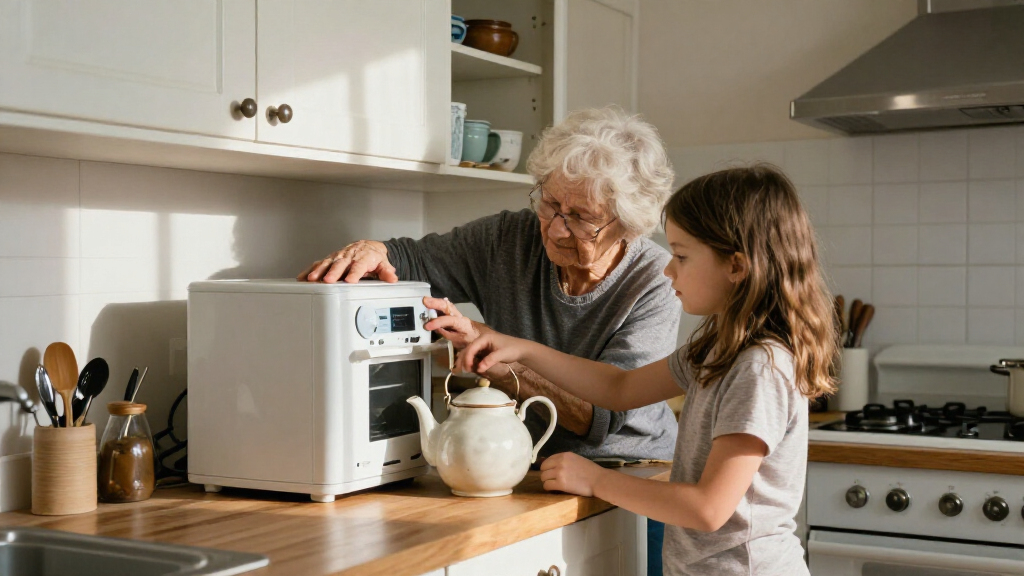
Lillian, whom family members call Nana, once kept five full dish sets despite living alone in a small apartment. She gave two formal sets to relatives and donated another to a thrift store, keeping two everyday sets. “I don’t entertain anymore,” she said, explaining that she wanted someone who hosts gatherings to use the dinnerware.
She also reduced her credit cards to one account, saying, “Less worries, less bookkeeping.” Hirsh notes that managing fewer bills can mean fewer payment dates to track, but the essay does not say whether Lillian had missed payments or experienced any specific financial problem.
Other changes included clearing out unworn clothes and shoes, larger pots and pans, and most of the books she and her late husband had collected. Family members kept some clothing and art; other belongings went to donations or a Buy Nothing group. The family also emptied a storage unit that had held framed artwork, including photographs by Lillian’s late husband, ending its recurring monthly cost.
What Lillian let go of after turning 90
Sophie Hirsh’s 92-year-old grandmother reduced or passed on belongings that no longer fit her routines. Her choices are one family’s experience, not a prescription for others.
Seven categories, different choices
Some belongings went to others; selected meaningful items stayed in the family.
Dishware and cookware
She gave away extra dinner sets and larger pots and pans as her routines changed.
Clothes and shoes
Family kept some pieces; others were sold or donated so people could use them.
Books
She passed on most of the collection while keeping signed and sentimental books.
Wedding headband
She gifted Hirsh the beaded headband she wore at her wedding.
Fewer things to manage
The changes reflected Lillian’s own household needs.
- Credit cards, keeping one account
- A storage unit with framed artwork
- Items for hosting and large meals
- Dishware to relatives and a thrift store
- Artwork through family and a Buy Nothing group
- Clothing to family, buyers and donations
The storage unit
The family emptied a unit held since downsizing apartments in 2012.
Relatives kept some pieces and set others aside for family friends.
The family offered remaining items through a Buy Nothing Facebook group.
Closing the unit removed its recurring monthly cost; the amount was not reported.
What remains open
Some details and next steps were not reported in the account.
- The family planned to list a Corningware coffee percolator online; no sale was reported.
- The storage fee and total savings were not specified.
- The essay does not establish that these choices suit other older adults.
A Smaller Home, Fewer Recurring Costs
The account offers a practical example of how one older adult and her family approached belongings that were no longer being used. Reducing household items can free up limited living space, while closing a storage unit directly removes a monthly expense. Passing objects to family, thrift stores and community members also gives them another use instead of leaving them in storage.
Hirsh’s examples are personal rather than a set of rules for people in their 90s. Lillian’s choices reflect her own routines: she no longer entertains or cooks large meals, and she reads less because her eyesight has changed. Her decisions show why decluttering may look different from person to person, particularly when items have practical, financial or sentimental value.
The story also draws a distinction between letting go and preserving meaning. Lillian kept a selection of signed and sentimental books, while she gave Hirsh a beaded headband she wore at her 1955 wedding. The headband had discolored over time, but remained valuable to the family as a keepsake.
Products Worth Considering

Solo Stove Pi Prime Portable Propane Pizza Oven

Solo Stove Bonfire 2.0 Smokeless Wood-Burning Fire Pit with Stand, 19.5-Inch, Silver

Husqvarna Automower 410iQ Wire-Free Robotic Lawn Mower
As an affiliate, we earn on qualifying purchases.
Seven Categories Lillian Reduced
Hirsh’s account lists dishware, credit cards, clothes and shoes, cookware, a storage unit, books and wedding accessories. The items were not all handled in the same way. Some were donated, some were given to relatives or friends, and some were kept because of sentimental importance. Hirsh says she planned to list a Corningware coffee percolator for sale online after learning that it could have resale value; the essay does not report a completed sale.
The family had kept a storage unit since downsizing apartments in 2012. It mainly held framed art, including work by Lillian’s late husband. When relatives emptied it earlier this year, they kept some pieces, set others aside for family friends, and offered the remainder through a Buy Nothing Facebook group. Hirsh reports that ending the unit’s rental saved Lillian money each month, but does not state the fee.
Clothing was also handled in several ways: Hirsh and her mother kept some pieces, Hirsh sold some vintage garments on Poshmark, and the family donated other items. Lillian said of the clothes she no longer wore, “I don’t use them anymore, so this way people can use them.”
““I don’t entertain anymore. So this way, someone who entertains can use them.””
— Lillian, Hirsh’s grandmother
What the Account Does Not Establish
The essay is a family account, not a survey or expert guide. It does not establish that these choices are suitable for other people at age 90, or that older adults should reduce particular belongings. No financial figures are provided for the storage-unit savings, clothing sales or potential value of the coffee percolator.
Some steps were still in progress when Hirsh wrote the account. She said she planned to list the percolator on eBay, but did not say whether it sold. The essay also does not specify how many credit cards Lillian had before reducing them to one, or how many books and clothing items were given away.
Family Plans for Remaining Items
Hirsh said she planned to list Lillian’s Corningware coffee percolator online, while the family had already distributed or donated much of the artwork from the storage unit. The account does not name a future deadline or a further decluttering plan. For now, the described next step is the planned sale of the percolator; whether it is listed or sold remains unreported.
Key Questions
Who is the 92-year-old grandmother in the story?
She is Lillian, Sophie Hirsh’s grandmother, whom the family calls Nana. The account describes her household choices and does not present them as professional advice.
What seven things did Lillian get rid of or reduce?
She reduced her dishware, credit cards, clothes and shoes, cookware, storage space and books, and gave Hirsh a wedding headband. Some items were donated or passed on; she kept selected sentimental belongings.
Did closing the storage unit save money?
Hirsh says ending the rental saved Lillian money every month. The account does not provide the storage fee or quantify the total savings.
Were all of the items donated?
No. Relatives kept some dishware, clothing and artwork, while other belongings were donated or shared with community members. Hirsh also said she had sold some vintage clothes and planned to list a coffee percolator online.
Does the story recommend that everyone declutter at 90?
No. It reports one person’s experience and the reasons behind her choices. It does not offer a general recommendation for older adults.
Source: apartmenttherapy.com