
TL;DR

Turn quiet afternoons into listening time
- Thousands of audiobooks, podcasts and originals
- Listen on your phone, tablet or Echo — also offline
- Cancel anytime
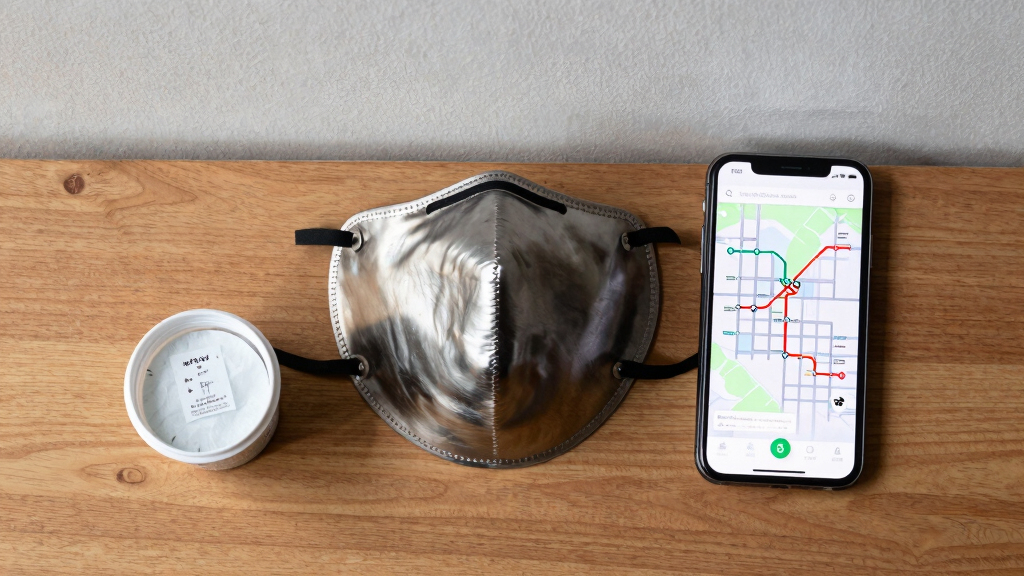
A whistleblower has claimed that toxic dust accumulates on the London Underground, posing health risks to passengers and staff. Authorities have yet to confirm the extent of the hazard, sparking safety concerns.
A whistleblower has raised serious concerns about the presence of toxic dust accumulating on the London Underground, warning that it could pose health risks to millions of passengers and staff. The claim has prompted calls for an investigation into the safety of the transit system, though authorities have not yet confirmed the extent of the issue.
The whistleblower, who has worked within the London Underground maintenance or cleaning services, alleges that hazardous dust particles are widespread on platforms, trains, and tunnels. They claim that this dust contains substances linked to respiratory illnesses and other health problems, and that current cleaning practices are insufficient to mitigate the risk.
Transport authorities have responded by stating they are reviewing the claims, but have not yet provided specific data or confirmed the presence of toxic substances. Experts in occupational health have emphasized that prolonged exposure to certain dust particles can be harmful, especially for vulnerable populations such as the elderly, children, and those with pre-existing health conditions.
Why Toxic Dust Risks on the Underground Are a Public Health Concern
This development matters because millions of Londoners rely on the Underground daily, and exposure to toxic dust could have long-term health implications. If confirmed, it could lead to urgent safety reviews, increased cleaning protocols, and potential legal or regulatory actions. The issue also raises questions about the safety standards and transparency of the transit authority in managing health risks.
Products Worth Considering

Solo Stove Bonfire 2.0 Smokeless Wood-Burning Fire Pit with Stand, Silver

Orbit B-hyve XR 8-Zone Indoor/Outdoor Smart Sprinkler Controller

VEVOR 14-Pack Polycarbonate Greenhouse Panels, 2 × 4 ft
As an affiliate, we earn on qualifying purchases.
Historical Concerns About Dust and Air Quality in Transit Systems
Concerns about dust and air quality in underground transit systems are not new. Past studies and reports have identified issues related to rail dust, brake particles, and tunnel debris, some of which contain harmful substances like asbestos or heavy metals. However, specific claims about toxicity levels and current safety measures in London’s system are still under scrutiny following this whistleblower’s allegations.
The London Underground has previously faced criticism over air quality, but concrete evidence of toxic dust posing an immediate health threat has been limited until now. The whistleblower’s claims may prompt renewed testing and transparency efforts.
“We are reviewing these claims and will take appropriate action if any health risks are confirmed.”
— London Underground spokesperson
Extent and Toxicity of Dust Still Under Investigation
It is not yet clear how widespread or dangerous the dust levels are, as authorities have not released detailed testing data. The actual toxicity levels and health impact remain unconfirmed, and further investigations are needed to determine whether immediate safety measures are required.
Official Safety Review and Public Testing Expected Soon
Transport authorities are expected to conduct comprehensive testing of dust levels across the system. Public health agencies may also review the findings and issue guidance. Further updates on the safety assessment and potential measures will likely be announced in the coming weeks.
Key Questions
What specific substances are in the dust?
It is currently unclear which substances are present in the dust, as testing is ongoing. The whistleblower claims it may contain harmful particles linked to respiratory illnesses, but no confirmed data has been released.
Are passengers currently at risk?
There is no confirmed evidence yet that passengers are at immediate risk. Authorities are reviewing the claims, and safety measures will be updated based on findings.
What should passengers do now?
Passengers are advised to stay informed through official updates. If health concerns arise, consulting medical professionals is recommended, especially for vulnerable groups.
Has the London Underground responded officially?
Yes, a spokesperson stated they are reviewing the claims but have not confirmed the presence of harmful dust or taken specific action yet.
Source: local