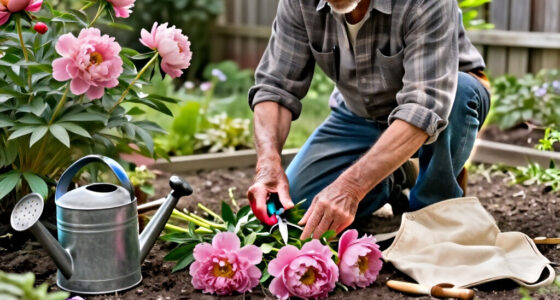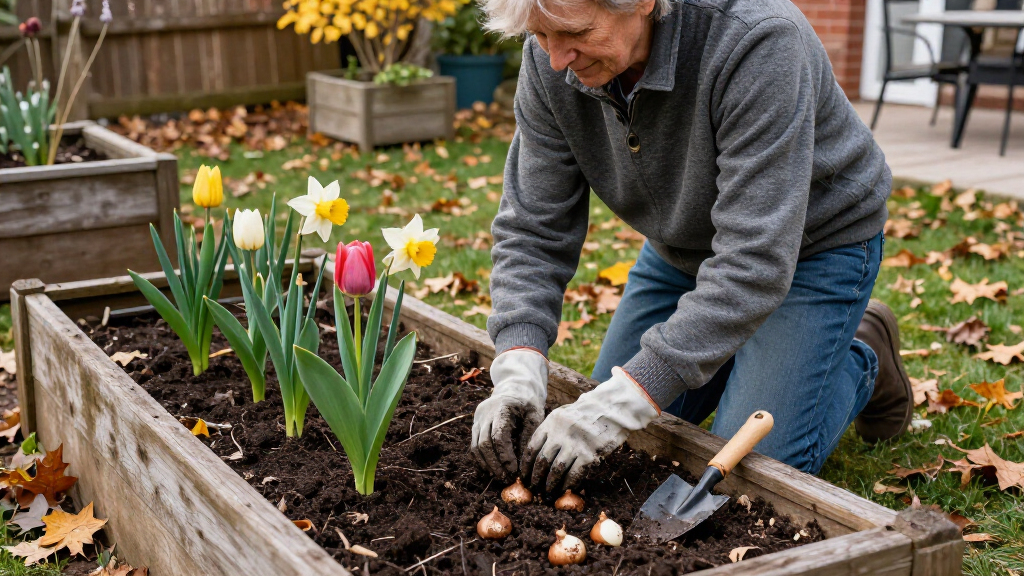

For the best flower bulbs to plant in fall, I’d choose Willard & May Dutch Master Yellow Daffodils as the best overall pick for a focused, easy-to-read spring display. The 75-bulb tulip, daffodil, and hyacinth mix stands out for variety, while the 50 colorful crocus corms suit gardeners who want an earlier show. The main tradeoff is between a coordinated planting of one flower type and a mixed collection with more variety but less control over the final look. Bloom timing, site conditions, and whether you want a large or compact planting also shape the choice. Read on for my full comparison, selection criteria, and advice for matching bulbs to your garden.

Turn quiet afternoons into listening time
- Thousands of audiobooks, podcasts and originals
- Listen on your phone, tablet or Echo — also offline
- Cancel anytime
Complete the kit


Key Takeaways
- Daffodils lead for a straightforward single-species planting: the 50 Dutch Master bulbs offer a consistent yellow display, while mixed packs trade uniformity for variety.
- Crocus and blue starflower suit gardeners chasing an earlier, lower-growing effect: they occupy a different role from the taller tulips, iris, and alliums.
- Tulip options differ mainly by planting scale and style: the 100-pack favors a broad sweep, while the 35-pack is easier to fit into a smaller bed.
- Mixed bulb packs can spread color across flower types: the 75-bulb tulip, daffodil, and hyacinth mix names its blend, while the 50-bulb assortment adds allium, crocus, and squill.
- Allium picks bring a distinct flower shape and height: the 25-bulb mixed option suits a broader planting, while the 10 Purple Sensation bulbs focus on one recognizable look.
| 50 Mixed Spring and Fall Flower Bulbs |  | Best for a Varied Garden | Quantity: 50 pieces | Brand: CZ Grain | Planting stock: Bulbs, corms, and rhizomes | VIEW LATEST PRICE | See Our Full Breakdown |
| Ipheion ‘Jessie’ Blue Starflower Bulbs, 12 Pack |  | Best for Blue Spring Color | Plant type: Spring-flowering bulb | Quantity: 12 bulbs | Flower color: Blue | VIEW LATEST PRICE | See Our Full Breakdown |
| Willard & May Dutch Master Yellow Daffodil Bulbs, 50 Count |  | Best for a Dependable Mass Planting | Brand: Willard & May | Plant type: Daffodil | Quantity: 50 bulbs | VIEW LATEST PRICE | See Our Full Breakdown |
| Grape Hyacinth (Muscari Armeniacum) Bulbs, 15 Count |  | Best Compact Border Bulb | Quantity: 15 bulbs | Plant type: Flowering bulb | Flower color: Blue | VIEW LATEST PRICE | See Our Full Breakdown |
| Dutch Iris ‘Valentine’ Fall-Planting Bulbs |  | Best for Cut Flowers | Usage: Outdoor | Blooming period: Late spring to early summer | Sunlight exposure: Full sun or partial shade | VIEW LATEST PRICE | See Our Full Breakdown |
| 50 Mixed Colorful Crocus Corms for Early Spring Gardens |  | Best for the Earliest Color | Plant type: Crocus vernus corms | Quantity: 50 corms | Plant height: About 4–6 inches | VIEW LATEST PRICE | See Our Full Breakdown |
| Willard & May Mixed Tulip Bulbs, 100-Pack, 11/12 cm |  | Best for Large Tulip Displays | Brand: Willard & May | Quantity: 100 bulbs | Bulb size: 11/12 cm | VIEW LATEST PRICE | See Our Full Breakdown |
| Garden State Bulb Mixed Allium Flower Bulbs, 10/12 cm, Fall Planting, 25 Bulbs |  | Best for Pollinator-Friendly Structure | Quantity: 25 bulbs | Bulb size: 10/12 cm circumference | Hardiness zones: USDA zones 4–9 | VIEW LATEST PRICE | See Our Full Breakdown |
| Willard & May Assorted Mixed Tulip Bulbs, 35-Pack, Size 11/12 cm |  | Best for Smaller Beds | Brand: Willard & May | Quantity: 35 bulbs | Bulb size: 11/12 cm | VIEW LATEST PRICE | See Our Full Breakdown |
| Spring Flower Bulb Garden Mix, 75 Tulip, Daffodil, and Hyacinth Bulbs |  | Best for a Varied Spring Border | Bulb count: 75 | Flower varieties: Tulips, daffodils, and hyacinths | Bloom season: Spring | VIEW LATEST PRICE | See Our Full Breakdown |
| 50 Spring Flower Bulbs: Tulips, Daffodils, Allium, Crocus, and Squill |  | Best for a Varied Spring Display | Quantity: 50 bulbs; 10 of each variety | Varieties: Dutch Master daffodils, mixed tulips, purple allium, mixed crocus, and squill | Bloom period: Early to late spring | VIEW LATEST PRICE | See Our Full Breakdown |
| Willard & May Triumph Tulip Bulbs, 50-Pack, Assorted Colors |  | Best for a Colorful Tulip Bed | Quantity: 50 bulbs | Plant type: Triumph tulip | Colors: Red, white, purple, pink, and orange | VIEW LATEST PRICE | See Our Full Breakdown |
| 10 Purple Sensation Allium Bulbs |  | Best for Tall, Pollinator-Friendly Blooms | Quantity: 10 bulbs | Flower color and form: Deep purple, globe-shaped flowers | Typical growth height: 24–36 inches | VIEW LATEST PRICE | See Our Full Breakdown |
| flower bulbs to plant in fall | Quantity | Planting period | Hardiness zones |
|---|---|---|---|
| 50 Mixed Spring and Fall Flowe | 50 pieces | Varies by flower type; spring or fall | — |
| Ipheion ‘Jessie’ Blue Starflow | 12 bulbs | — | 4–8 |
| Willard & May Dutch Master Yel | 50 bulbs | September to December | — |
| Grape Hyacinth | 15 bulbs | Fall to spring (as listed) | — |
| Dutch Iris ‘Valentine’ Fall-Pl | — | Fall | — |
| 50 Mixed Colorful Crocus Corms | 50 corms | — | USDA zones 4–9 |
| Willard & May Mixed Tulip Bulb | 100 bulbs | September through December | USDA zones 3–8 |
| Garden State Bulb Mixed Allium | 25 bulbs | — | USDA zones 4–9 |
| Willard & May Assorted Mixed T | 35 bulbs | September through December | USDA zones 3–8 |
| Spring Flower Bulb Garden Mix | — | September through December | USDA zones 3–8 |
| 50 Spring Flower Bulbs: Tulips | 50 bulbs; 10 of each variety | Fall | 3–8 |
| Willard & May Triumph Tulip Bu | 50 bulbs | Fall | — |
| 10 Purple Sensation Allium Bul | 10 bulbs | Fall | 3–10 |
More Details on Our Top Picks
50 Mixed Spring and Fall Flower Bulbs
Best for a varied garden, this 50-piece assortment gives buyers more flower forms and colors than a single-variety bag. It may include tulips, daffodils, crocus, iris, gladiolus, and other planting stock, making it a flexible choice for beds, borders, cutting gardens, or suitable containers. Compared with the Willard & May Dutch Master Yellow Daffodil Bulbs, it offers more variety but less certainty about the finished display: the exact mix can vary, and each type may call for a different planting schedule and care routine. The spring and summer bloom window can extend seasonal interest, though the listing also includes fall-flowering stock. I’d choose it when variety matters more than a coordinated color scheme or a simple planting plan.
Pros:- Assortment can include several flower types, colors, heights, and bloom forms
- May provide flowers across spring and summer
- Can suit beds, borders, cutting gardens, and suitable containers
Cons:- Exact varieties and resulting color mix can vary
- Different bulb types may need different planting times and care
Best for: Gardeners filling a mixed bed or cutting garden who are comfortable sorting different bulb types and following their planting needs.
Not ideal for: Buyers planning a uniform color display or seeking one predictable planting depth and care schedule.
- Quantity:50 pieces
- Brand:CZ Grain
- Planting stock:Bulbs, corms, and rhizomes
- Color:Mixed
- Expected bloom period:Spring and summer
- Sunlight:Full sun
- Moisture:Moderate watering
- Planting period:Varies by flower type; spring or fall
Our verdict“Choose this assortment if you want a varied seasonal display and are willing to manage the needs of multiple flower types.”
Ipheion ‘Jessie’ Blue Starflower Bulbs, 12 Pack
Best for blue spring color, Ipheion ‘Jessie’ brings a distinct star-shaped bloom to the front of a bed, along a walkway, or into a naturalized planting. Its compact growth and potential to form colonies make it a more focused choice than the 50 Mixed Spring and Fall Flower Bulbs, where the assortment and eventual color pattern can vary. The tradeoff is scale: 12 bulbs make a smaller initial display, and the dormant bulbs arrive without foliage or flowers, so the result takes patience. The listing specifies full sun and well-drained soil, which narrows where it will suit best. I’d pick it for a defined patch of blue and a long-term spreading effect, not for an immediate, large mixed-color show.
Pros:- Distinctive blue, six-petaled star-shaped flowers
- Compact habit suits walkways and the front of flower beds
- Can naturalize into colonies over time
Cons:- Small 12-bulb quantity creates a limited initial planting
- Ships dormant, so there is no immediate foliage or bloom
- Needs full sun and well-drained soil
Best for: Gardeners in zones 4–8 who want compact blue flowers along a sunny path or at the front of a well-drained bed.
Not ideal for: Buyers seeking a large first-season display or planting in damp, poorly drained soil.
- Plant type:Spring-flowering bulb
- Quantity:12 bulbs
- Flower color:Blue
- Blooming period:Summer to winter (as listed)
- Sun exposure:Full sun
- Hardiness zones:4–8
- Soil type:Loam
- Moisture:Moderate watering
Our verdict“Choose Ipheion ‘Jessie’ for a compact, gradually spreading patch of blue where drainage and sun are suitable.”
Willard & May Dutch Master Yellow Daffodil Bulbs, 50 Count
Best for a dependable mass planting, this 50-bulb bag is a straightforward route to a repeated display of large yellow trumpet flowers. Fall planting at the listed 10 cm depth and spacing gives buyers a clear layout, while a mature height around 45 cm makes the daffodils visible in borders and beds. Compared with the 50 Mixed Spring and Fall Flower Bulbs, Dutch Master offers a much more predictable flower and color, though it gives up the variety of a mixed assortment. It can grow in full sun or partial shade and is listed for little to no watering, but the supplied soil guidance names sandy soil, so buyers should check their site conditions. This is a practical pick for a cohesive spring display, not a changing mix of bloom forms.
Pros:- Fifty bulbs support a substantial, coordinated planting
- Large yellow trumpet flowers create a clear spring display
- Listed for full sun or partial shade
- Planting depth and spacing are specified
Cons:- Fall planting is needed for the intended spring bloom
- Single flower color offers less variety than mixed assortments
- Listed soil type is sandy soil
Best for: Gardeners who want a coordinated yellow spring display and can plant a substantial group of bulbs in fall.
Not ideal for: Buyers seeking mixed colors or flower types, or those whose garden soil does not suit the listed sandy-soil preference.
- Brand:Willard & May
- Plant type:Daffodil
- Quantity:50 bulbs
- Bulb size:10/12 cm
- Mature height:About 45 cm
- Planting period:September to December
- Planting depth and spacing:10 cm deep; 10 cm apart
- Light exposure:Full sun or partial shade
- USDA hardiness zone:3
Our verdict“Choose Dutch Master if you want a sizable, uniform yellow daffodil planting and can accommodate its fall schedule and soil preference.”
Grape Hyacinth (Muscari Armeniacum) Bulbs, 15 Count
Best compact border bulb, grape hyacinth adds fragrant, deep blue clusters without the height of the 45 cm Willard & May Dutch Master Yellow Daffodils. At 6–8 inches tall, these 15 bulbs fit pathways, borders, and the front of a bed, while their ability to naturalize can build a fuller patch over time. They suit full sun or partial shade and are listed for zones 3–9, giving them a broad placement range. The display is intentionally modest: the blooms are small clusters rather than the large trumpet flowers of the daffodils, and the listing calls for regular watering after planting. I’d choose Muscari for an early-season blue accent that can spread, rather than for height or a single bold focal point.
Pros:- Fragrant, deep blue flowers bloom in spring
- Short 6–8 inch height suits paths and border edges
- Grows in full sun or partial shade
- Can naturalize and provide early-season nectar for pollinators
Cons:- Fifteen bulbs make a relatively small initial display
- Needs regular watering after planting
- Low flower clusters are less suited to a tall focal display
Best for: Gardeners in zones 3–9 who want a low, fragrant blue edge along a path or at the front of a border.
Not ideal for: Buyers who want tall focal flowers, a large initial planting, or a bulb requiring little watering after planting.
- Quantity:15 bulbs
- Plant type:Flowering bulb
- Flower color:Blue
- Expected bloom period:Spring
- Planting period:Fall to spring (as listed)
- Expected height:6–8 inches
- Sunlight:Full sun or partial shade
- USDA hardiness zones:3–9
Our verdict“Choose grape hyacinth for a low, spreading blue border accent where you can water it regularly after planting.”
Dutch Iris ‘Valentine’ Fall-Planting Bulbs
Best for cut flowers, Dutch Iris ‘Valentine’ pairs upright 24-inch stems with indigo-purple blooms marked in yellow, making it a more vertical and arrangement-ready choice than the compact Grape Hyacinth (Muscari Armeniacum) Bulbs. Its late-spring to early-summer bloom period also extends interest beyond earlier spring flowers. Plant in fall in full sun or partial shade, and use well-drained soil; the listed moderate watering needs suit gardeners who can keep an eye on moisture without leaving the bulbs waterlogged. The seasonal flowering window is limited, and the listing gives no pack quantity, so it is harder to plan a large display from the supplied details. I’d choose it for striking cut stems and upright garden texture, rather than a low carpet or a long bloom season.
Pros:- Indigo-purple blooms have distinctive yellow markings
- 24-inch height adds upright structure and usable cut stems
- Can grow in full sun or partial shade
- Hardy perennial bulbs may return and naturalize
Cons:- Flowers are seasonal, from late spring to early summer
- Requires well-drained soil
- Pack quantity is not specified in the supplied product data
Best for: Cut-flower gardeners in zones 5–9 who want upright, late-spring blooms for arrangements and a sunny or partly shaded bed.
Not ideal for: Buyers seeking low-growing groundcover, a long flowering season, or planting stock with a clearly stated quantity.
- Usage:Outdoor
- Blooming period:Late spring to early summer
- Sunlight exposure:Full sun or partial shade
- Planting period:Fall
- USDA hardiness zones:5–9
- Plant height:24 inches
- Soil:Well-drained
- Moisture needs:Moderate watering
Our verdict“Choose Dutch Iris ‘Valentine’ for upright, distinctive flowers to cut, provided your site drains well and its seasonal bloom window fits your plan.”
50 Mixed Colorful Crocus Corms for Early Spring Gardens
For gardeners who want color close to the ground as winter gives way to spring, this 50-corm Crocus vernus mix fills a different role from the taller tulips and alliums in this roundup. At about 4–6 inches tall, crocuses suit rock gardens, containers, and lawn edges where taller flowers could feel out of scale. The possible purple, lavender-blue, white, yellow, and striped blooms add variety, though the mix does not promise a particular color balance. Compared with the Willard & May 100-Pack Tulips, this offers a lower-growing early display and fewer stems for cutting. It can spread gradually, but needs fall planting in well-drained soil; waterlogged spots are a poor fit.
Pros:- Compact 4–6 inch growth suits rock gardens and small containers
- Mixed possible colors add variety to early spring displays
- Can spread gradually into a naturalized planting
- Hardy in USDA zones 4–9
Cons:- The color mix may vary, so a specific palette is not assured
- Needs fall planting at a specified depth and spacing
- Well-drained soil is necessary
Best for: Gardeners filling rock gardens, container edges, or low borders with early spring color in USDA zones 4–9
Not ideal for: Buyers who want tall cut flowers, a predictable color scheme, or bulbs suited to poorly drained soil
- Plant type:Crocus vernus corms
- Quantity:50 corms
- Plant height:About 4–6 inches
- Bloom period:Spring
- Color:Mixed; may include purple, lavender-blue, white, yellow, and striped blooms
- Sun exposure:Full sun to partial shade
- Hardiness zones:USDA zones 4–9
- Planting:Plant in fall, about 3 inches deep and 3–4 inches apart in well-drained soil
Our verdict“Choose these crocuses for a low-growing, early spring display, especially where taller tulips would overwhelm the space.”
Willard & May Mixed Tulip Bulbs, 100-Pack, 11/12 cm
This 100-bulb tulip assortment suits gardeners who want a broad, layered display and enough stems to cut for bouquets. Its early, mid, and late-season flowering times can extend the spring show beyond a single flush, while the mix varies in color and bloom shape. That broader tulip planting makes it a bigger commitment than the 35-Pack Assorted Tulips, which is easier to place in a smaller bed or container. It also keeps the planting focused on tulips, unlike the 75-Bulb Garden Mix of tulips, daffodils, and hyacinths. The tradeoff is scale: 100 bulbs need ample space, and fall planting in well-drained soil is required. The listing’s spring-to-fall blooming-period wording is broad; the description specifies spring blooms.
Pros:- 100 bulbs support a substantial mass planting
- Early, mid, and late varieties can spread blooms across the season
- Assorted colors and flower shapes create visual variety
- Stems are described as suitable for cut flowers
Cons:- The large quantity requires considerable planting space
- Color and bloom-shape assortment may vary
- Requires fall planting in well-drained soil
Best for: Gardeners with a large bed or border who want a long sequence of tulip blooms and plenty of cut stems
Not ideal for: Small-space gardeners or buyers who want a fixed color scheme or a mix of different flower types
- Brand:Willard & May
- Quantity:100 bulbs
- Bulb size:11/12 cm
- Color:Mixed
- Bloom timing:Early-, mid-, and late-season varieties; described as spring flowering
- Planting period:September through December
- Hardiness zones:USDA zones 3–8
- Sun exposure:Partial sun
- Soil:Well-drained soil
Our verdict“Pick this assortment for a large, tulip-focused spring display with enough blooms to bring indoors.”
Garden State Bulb Mixed Allium Flower Bulbs, 10/12 cm, Fall Planting, 25 Bulbs
These 25 mixed alliums bring a later, taller layer to a fall-planted garden, blooming from late spring into early summer at about 24–36 inches tall. That makes them a useful partner to the low-growing crocuses, whose spring display arrives earlier and stays near the ground. Compared with the 10 Purple Sensation Allium Bulbs in this roundup, this assortment offers purple and white possibilities rather than a named single variety, but the package’s exact mix can vary. The flowers attract pollinators, and the bulbs are described as deer and squirrel resistant, which may help where browsing disrupts other plantings. They need fall planting and moderately watered, well-drained soil; buyers seeking an immediate early spring carpet should choose crocuses instead.
Pros:- Late spring to early summer bloom extends the garden season
- Tall 24–36 inch stems add vertical structure
- Flowers attract pollinators
- Described as deer and squirrel resistant
Cons:- Mixed varieties and colors may vary by package
- Fall planting is required
- Needs well-drained soil and moderate watering
Best for: Gardeners in USDA zones 4–9 who want taller late-spring flowers for pollinators and a border’s back layer
Not ideal for: Gardeners seeking early spring color, short plants, or a consistent single allium variety
- Quantity:25 bulbs
- Bulb size:10/12 cm circumference
- Hardiness zones:USDA zones 4–9
- Bloom time:Late spring to early summer
- Mature height:24–36 inches
- Bloom width:4–6 inches
- Colors:Purple and white; varieties may vary
- Light:Full sun to partial shade
- Water and soil:Moderate watering; loam soil
Our verdict“Choose these alliums for a taller, pollinator-attracting late spring display where the exact color mix can remain flexible.”
Willard & May Assorted Mixed Tulip Bulbs, 35-Pack, Size 11/12 cm
With 35 mixed tulip bulbs, this pack offers a more manageable planting than the 100-bulb Willard & May assortment. It fits a smaller bed, raised bed, border, or container planting while still providing blooms for cutting. The 11/12 cm bulbs are listed for USDA zones 3–8, and the product describes the flowers as spring blooming and low maintenance once planted. Compared with the 75-Bulb Garden Mix, this choice keeps the display to tulips instead of mixing in daffodils and hyacinths, so it is better for someone building a tulip-focused color scheme. The tradeoff is less variety in flower type and fewer stems overall; the assorted colors may also vary. Fall planting remains necessary for the spring show.
Pros:- 35 bulbs suit more compact planting areas
- Mixed colors add variety to borders and containers
- Flowers can be used as cut flowers
- Hardy in USDA zones 3–8
Cons:- Fewer bulbs mean a smaller display than the 100-pack
- Color assortment may vary
- Requires fall planting for spring blooms
Best for: Gardeners planting a smaller tulip bed, raised bed, or container who still want some flowers for cutting
Not ideal for: Buyers planning a large mass planting or wanting several flower types and a predictable color selection
- Brand:Willard & May
- Quantity:35 bulbs
- Bulb size:11/12 cm
- Color:Mixed
- Bloom period:Spring
- Planting period:September through December
- Hardiness zones:USDA zones 3–8
- Sun exposure:Partial sun
- Water needs:Little to no watering
Our verdict“Choose this pack for a modest, tulip-only spring display when a 100-bulb assortment would be too much.”
Spring Flower Bulb Garden Mix, 75 Tulip, Daffodil, and Hyacinth Bulbs
This 75-bulb garden mix combines tulips, daffodils, and hyacinths for a spring display with different flower types and heights. Tulips and daffodils reach about 12–20 inches, while hyacinths grow 8–12 inches, giving a border more variation than the single-type tulip packs. Its broad mix is a better fit for gardeners who want a ready-made blend than for someone matching a precise color plan, since the listed color is mixed and bloom timing and height vary by variety. Compared with the 35-Pack Assorted Tulips, it offers more kinds of flowers and twice as many bulbs, but less control over a tulip-only look. The varieties are described as deer resistant and suitable for zones 3–8. Plant in fall; the listing gives little to no watering as the moisture need.
Pros:- Includes tulips, daffodils, and hyacinths in one mix
- 75 bulbs support a substantial garden or border planting
- Different listed heights add variation to the display
- Varieties are described as deer resistant
Cons:- Bloom timing and height vary by flower type
- Mixed colors offer limited control over the finished palette
- Requires fall planting
Best for: Gardeners in USDA zones 3–8 who want several spring bulb types and varied heights in one border planting
Not ideal for: Buyers who want a tulip-only display, exact bloom timing, or a specified color arrangement
- Bulb count:75
- Flower varieties:Tulips, daffodils, and hyacinths
- Bloom season:Spring
- Planting period:September through December
- Hardiness zones:USDA zones 3–8
- Tulip and daffodil height:12–20 inches
- Hyacinth height:8–12 inches
- Sun exposure:Partial sun
- Deer resistance:Described as deer resistant
Our verdict“Pick this mix for a broad spring border with several bulb types and varied heights rather than a uniform tulip display.”
50 Spring Flower Bulbs: Tulips, Daffodils, Allium, Crocus, and Squill
Five bulb varieties in one pack make this the broadest choice here for gardeners who want spring interest to unfold across several bloom periods. The 50 bulbs are divided evenly among Dutch Master daffodils, mixed tulips, purple allium, mixed crocus, and squill, with separate packing to help identify each group while planting. Compared with Willard & May Triumph Tulip Bulbs, this mix trades a coordinated tulip display for more variety in flower shape and timing. Its zones 3–8 range suits many cold-winter gardens, and the bulbs can fill beds, borders, or walkway edges. The tradeoff is that each variety gets only 10 bulbs, so it may look scattered in a large bed; gardeners also need to provide well-drained soil and plant in fall.
Pros:- Combines five distinct spring-flowering varieties
- Separate variety packing helps identify bulbs during planting
- Bloom timing spans early to late spring
- Hardiness zones 3–8 suit a broad range of cold-winter gardens
Cons:- Only 10 bulbs of each variety may be too few for a broad, coordinated sweep
- Needs fall planting and well-drained soil
- A mixed planting offers less control over a single-color garden scheme
Best for: Gardeners who want several flower types and staggered spring color across a small bed or border
Not ideal for: Buyers planning a large, uniform planting of one flower type, since only 10 bulbs of each variety are included
- Quantity:50 bulbs; 10 of each variety
- Varieties:Dutch Master daffodils, mixed tulips, purple allium, mixed crocus, and squill
- Bloom period:Early to late spring
- Hardiness zones:3–8
- Sunlight:Full sun to partial sun
- Soil:Loam; well-drained
- Watering:Moderate; water thoroughly after planting
- Planting period:Fall
Our verdict“Choose this pack if you want several kinds of spring flowers in one planting and are comfortable with a varied rather than uniform display.”
Willard & May Triumph Tulip Bulbs, 50-Pack, Assorted Colors
Fifty Triumph tulips in five colors give this pack a clearer visual direction than the mixed-species CZ Grain collection: plant it for a tulip-focused spring display in red, white, purple, pink, and orange. The included instructions are useful for gardeners who want a straightforward fall planting, while the listed 11/12 cm bulb size gives a specific sizing reference. Compared with Willard & May Mixed Tulip Bulbs, 100-Pack, this pack provides fewer bulbs for a smaller planting, but keeps the same single-flower focus. The tradeoff is limited flexibility: it does not add daffodils or early crocus to extend the display, and the product data lists partial sun and sandy soil. Its hardiness listing is zone 3, so buyers outside that range should check local suitability before choosing it.
Pros:- Fifty bulbs support a focused tulip bed or border
- Assorted red, white, purple, pink, and orange flowers add color variety
- 11/12 cm bulb size is specified
- Planting instructions are included
Cons:- Offers tulips only, without other flowers to broaden the spring display
- Listed for partial sun and sandy soil, which may not suit every planting site
- Hardiness information lists zone 3 only
Best for: Gardeners in zone 3 seeking a substantial, multicolor tulip planting with fall instructions included
Not ideal for: Gardeners seeking a mix of flower types or a wider stated hardiness range than zone 3
- Quantity:50 bulbs
- Plant type:Triumph tulip
- Colors:Red, white, purple, pink, and orange
- Bulb size:11/12 cm
- Bloom season:Spring
- Planting period:Fall
- Sunlight:Partial sun
- Hardiness zone:3
- Soil and watering:Sandy soil; regular watering
Our verdict“Pick these if you want a sizeable, colorful tulip display and your garden fits the listed light, soil, and zone details.”
10 Purple Sensation Allium Bulbs
Deep purple globe-shaped flowers on upright stems give this allium a distinct architectural role among the roundup’s mixed tulip and bulb packs. At a typical height of 24–36 inches, it can add a taller layer above lower spring flowers, while its late spring to early summer bloom period extends color beyond early-season bulbs. The flowers also attract bees and other pollinators and can be cut fresh or dried. Compared with the 50 Spring Flower Bulbs: Tulips, Daffodils, Allium, Crocus, and Squill mix, this pack focuses all 10 bulbs on purple allium rather than spreading them across five varieties. That focus means a more consistent look, but fewer total plants and less bloom variety. It also needs full sun and well-drained soil, so it is less adaptable to shady or damp beds.
Pros:- Tall stems and globe-shaped flowers add height and a distinct form
- Late spring to early summer bloom period can extend seasonal color
- Flowers attract bees and other pollinators
- Blooms can be used fresh or dried in arrangements
Cons:- Requires full sun and well-drained soil
- Ten bulbs provide less planting coverage than the 50-bulb packs
- Its later bloom period does not provide the same early-to-late variety as a mixed collection
Best for: Gardeners with a sunny, well-drained border who want tall purple blooms, pollinator activity, and flowers for arrangements
Not ideal for: Buyers with shaded or poorly drained planting areas, or those who want many flower varieties from one pack
- Quantity:10 bulbs
- Flower color and form:Deep purple, globe-shaped flowers
- Typical growth height:24–36 inches
- Bloom period:Late spring to early summer
- Hardiness zones:3–10
- Sunlight:Full sun
- Soil and moisture:Loam; well-drained; moderate moisture
- Planting depth and spacing:4–6 inches deep; 6–8 inches apart
- Planting period:Fall
Our verdict“Choose these alliums for a sunny border where tall purple blooms and pollinator appeal matter more than a broad mix of flowers.”
How We Picked
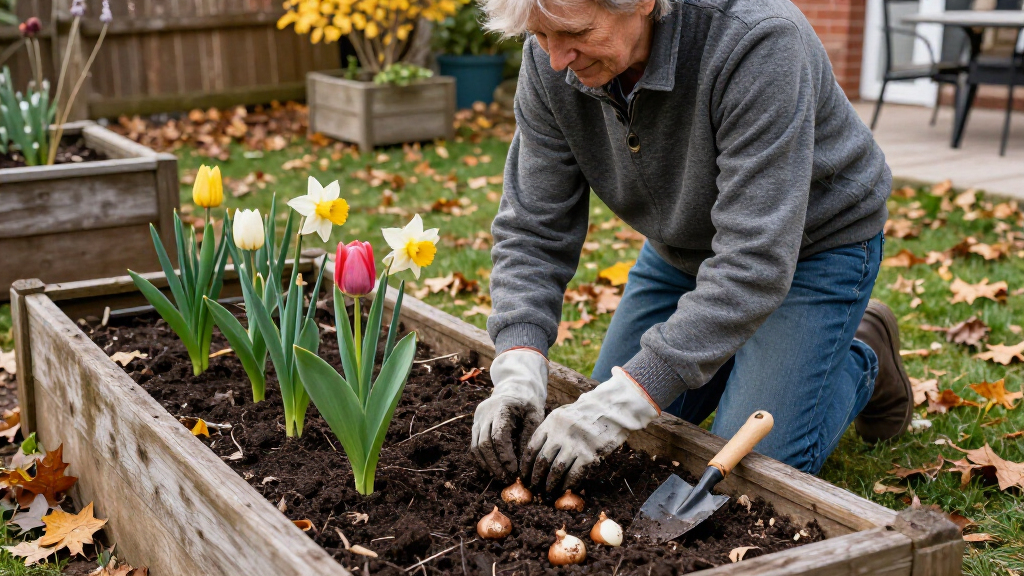
I ranked these options by how well their stated contents match a clear fall planting goal: a dependable spring display, a specific bloom style, an earlier show, or a varied mix. I weighed the named flower types, bulb or corm count, stated size where provided, and how easily a buyer can picture the planting from the product description. Packs with a defined species or color earned an edge for predictability; mixed packs earned credit for variety and planting breadth, but their less specific compositions limit control over the result.
The order reflects those differences rather than treating every pack as interchangeable. I placed the daffodils first as a focused, legible choice, then included options that serve distinct needs such as early color, mixed spring interest, or a larger tulip planting. These listings do not provide enough detail to compare shipping condition, regional suitability, or actual bloom performance, so I have not treated those as established advantages. I recommend checking the seller’s planting guidance and the package details before choosing.
| flower bulbs to plant in fall | Planting period |
|---|---|
| 50 Mixed Spring and Fall Flowe | Varies by flower type; spring or fall |
| Ipheion ‘Jessie’ Blue Starflow | — |
| Willard & May Dutch Master Yel | September to December |
| Grape Hyacinth | Fall to spring (as listed) |
| Dutch Iris ‘Valentine’ Fall-Pl | Fall |
| 50 Mixed Colorful Crocus Corms | — |
| Willard & May Mixed Tulip Bulb | September through December |
| Garden State Bulb Mixed Allium | — |
| Willard & May Assorted Mixed T | September through December |
| Spring Flower Bulb Garden Mix | September through December |
| 50 Spring Flower Bulbs: Tulips | Fall |
| Willard & May Triumph Tulip Bu | Fall |
| 10 Purple Sensation Allium Bul | Fall |
Factors to Consider When Choosing Best Flower Bulbs To Plant In Fall
Choosing fall-planted bulbs starts with the garden you want to see next spring. I’d work out the planting site, the look you prefer, and how much seasonal maintenance you can manage before comparing pack sizes. These broader decisions can matter as much as the flower name on the label.
Match the bulb to your climate and planting window
Fall planting works when bulbs have time to establish before the ground freezes, but the useful window varies by region and by bulb type. Check local guidance and the seller’s instructions for planting depth and timing instead of relying on a calendar date from another climate. A warm autumn may extend the window, while an early hard freeze can shorten it. If your area has mild winters, confirm that the variety suits those conditions before buying. Buying too early without a storage plan can leave bulbs sitting in unsuitable conditions. The safer choice is to coordinate delivery with the time you can plant.
Plan for drainage and winter moisture
Many bulbs struggle when water lingers around them, especially through a cold winter. Before planting, check whether the site stays soggy after rain and whether a raised bed or a different location would drain better. Heavy soil may need improvement, but mixing amendments into a planting hole alone does not correct poor drainage across a whole bed. Containers can help with site control, though they may expose bulbs to colder temperatures than the surrounding ground. Read the care directions for the specific flower rather than assuming all bulbs share the same needs. A well-chosen site can prevent losses that no larger pack can make up for.
Choose a display style before choosing a mix
A single flower type creates a repeated shape and color, while a mixed pack offers more variation and can make planning simpler. That variety also means less control over where each flower type appears and whether the final display matches a specific color scheme. Look for a list of included flowers and quantities when those details matter to you. If the listing only gives a general mix description, treat the finished composition as less predictable. You can also buy separate types and plant them in distinct groups for variety with clearer boundaries. Repeated clumps usually read more clearly from a distance than bulbs dotted one at a time.
Think about height, bloom sequence, and placement
Bulbs do not all bloom at the same time or grow to the same height, so a mixed bed can change over several weeks. Short crocus and blue starflower are easier to see at the front of a border or among groundcover, while taller flowers need room behind them. Check the expected height and bloom period for each variety before combining them. Planting every type in one tight cluster can hide shorter blooms once taller foliage grows. If you want color over a longer period, select varieties with staggered bloom windows based on reliable local or seller information. If you want a coordinated single moment, choose types with more similar timing.
Buy a quantity that fits the planting area
Pack count only helps when you know how much ground you intend to cover. Estimate the bed or container area and follow the recommended spacing for each bulb; the same count can make a dense patch or a scattered display depending on the variety. Larger packs can simplify filling a broad border, but they may leave extra bulbs if the site is small. Smaller packs offer more control for edging, containers, or trying a new flower type. For mixed collections, remember that the advertised total is divided among the included varieties. Sketching groups on paper before ordering can help prevent an oversized or uneven planting.
Balance low-maintenance goals with seasonal care
Some bulbs return in suitable conditions, while others are often treated as a seasonal display; the listing may not state how reliably a particular variety naturalizes in your garden. Consider whether you are willing to let foliage die back after flowering, since removing green leaves too soon can weaken future growth. A tidy lawn or bed may conflict with the recovery period bulbs need. If you prefer a low-effort planting, prioritize types suited to your region and choose a place where fading foliage will not bother you. Mixed packs can spread the maintenance across several flower types, so check the care needs of each. Buying more bulbs does not reduce the work of planting and tending them.
Frequently Asked Questions
Can I plant different bulb types together in the same bed?
Yes, provided the varieties suit your climate and their planting depths and spacing can be managed in the same area. A layered planting can use different depths, but each type still needs room to grow and access to suitable drainage. Check the instructions for every variety in a mixed pack, since the shared label may not give all care details. Put shorter flowers where taller plants will not shade or hide them. If you want a more controlled pattern, plant each type in a separate cluster within the bed.
Which bulbs should I choose if I want flowers early in spring?
Crocus is a familiar option for an early, low-growing display, and blue starflower may also suit a planting focused on small flowers. Exact bloom timing depends on variety, weather, and local conditions, so use regional guidance rather than assuming every pack will flower at a fixed time. Plant early bloomers where you can see them from a path or window, since their shorter stems can disappear among taller growth. Pairing early flowers with later varieties can extend the season. Confirm that the chosen bulbs suit your winter conditions before buying.
Are mixed bulb packs a better choice than buying one flower type?
They are useful if you want several kinds of flowers without selecting every variety separately. A named combination can give you a clearer sense of the intended display, while a broad assortment may provide less control over color balance and placement. Single-type packs are easier to plan when you want a uniform sweep or a specific color. Mixed packs can also contain different bloom times and heights, which adds interest but asks for more thought about arrangement. Choose based on whether variety or predictability matters more in your garden.
How many bulbs do I need for a border or container?
Start with the planting area, then use the variety’s recommended spacing to estimate how many bulbs will fit. A container needs enough depth for the selected bulbs and drainage holes to prevent standing water. Border planting can use tighter groups for a fuller look, but spacing too closely may crowd mature plants. For mixed packs, remember that the total count is shared across the listed flower types. When the package does not state the quantities for each type, plan for a less predictable balance.
What should I do if I cannot plant the bulbs as soon as they arrive?
Check the supplier’s storage instructions and keep the bulbs in the conditions they specify until planting. Avoid sealing them somewhere damp or warm unless the package directions say to do so, since poor storage can affect bulb condition. If the ground is already frozen, follow seller guidance on temporary storage and plant as soon as the soil is workable. Inspect the bulbs when they arrive and contact the seller if the shipment appears damaged or the contents differ from the listing. Delivery timing is a practical reason to order from a source that provides clear handling instructions.
Conclusion
For a clear, single-flower planting, I’d choose Willard & May Dutch Master Yellow Daffodils as my best overall pick. The 50 mixed spring and fall bulbs are my best value-style choice for gardeners who want a broad assortment, though the general mix description gives less control over the display. For a more considered mix, the 75-bulb tulip, daffodil, and hyacinth garden blend is the premium-style option in this lineup because its named flower types make the intended variety easier to understand. Beginners may prefer the focused daffodil pack over a mixed collection with more planting decisions. For specific needs, choose crocus or Blue Starflower for a low-growing early display, a larger tulip pack for a broad tulip planting, or Purple Sensation alliums for a distinctive flower form. Match the pack to your climate, site, and preferred spring look, then check the seller’s planting and storage directions before ordering.
Halloween Picks
halloween
As an affiliate, we earn on qualifying purchases.