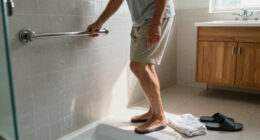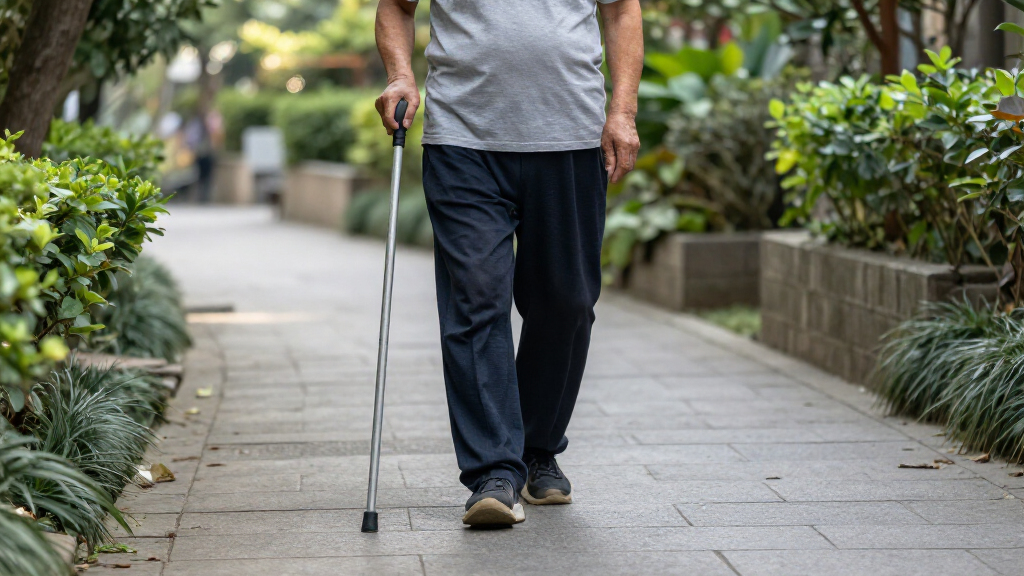
For seniors seeking fall prevention walking canes, the best choice depends on the kind of support needed: a wide-base cane can feel steadier on level ground, while a folding model is easier to carry but may involve tradeoffs in bulk and setup. My best overall pick is the KingPavonini Foldable, Adjustable Cane with Pivoting Quad Base for its mix of adjustable height, a folding design, and a base that can stay in contact with the ground at changing angles. The WHLICKS Dual-Handle Cane stands out for extra leverage when standing up, while the REHAND All-Terrain Tip Cane is a better fit for varied walking surfaces. No cane can prevent every fall, and a poor fit can make walking less secure. Read on for the full breakdown of how these 15 options differ and which type of buyer each one suits.

Turn quiet afternoons into listening time
- Thousands of audiobooks, podcasts and originals
- Listen on your phone, tablet or Echo — also offline
- Cancel anytime
Complete the kit


Key Takeaways
- The KingPavonini pivoting quad-base cane ranks first because it combines adjustable height and foldability with a base intended to keep ground contact as the cane angle changes.
- Dual handles serve a different purpose from wider bases: WHLICKS and KingPavonini’s dual-handle model prioritize leverage for rising, while quad-base models focus on a broader support footprint during walking.
- REHAND’s all-terrain-tip model fills a distinct gap for people who walk on more than smooth indoor floors; a specialized tip may be more useful than extra handles for that buyer.
- Special features add tradeoffs, not automatic safety: an ice spike, LED light, or stair-climbing step may suit a particular task but does not replace a correctly fitted cane or appropriate mobility assessment.
- Simple canes remain relevant: DMI and Carex emphasize a more straightforward grip-and-strap setup, which may suit buyers who prefer fewer moving parts over folding or multi-feature designs.
| KingPavonini Foldable, Adjustable Walking Cane with Pivoting Quad Base |  | Best for Self-Standing Storage | Brand: KingPavonini | Frame material: Aluminum alloy | Handle materials: ABS and TPR | VIEW LATEST PRICE | See Our Full Breakdown |
| WHLICKS Adjustable Folding Walking Cane with Dual Handles |  | Best for Standing Up from Low Seats | Brand: WHLICKS | Material: Aircraft-grade aluminum alloy | Height adjustment: 31–38 inches | VIEW LATEST PRICE | See Our Full Breakdown |
| COMFKEY Folding Adjustable Aluminum Walking Cane |  | Best for Lightweight Travel | Brand: COMFKEY | Frame material: Aluminum | Height range: 33–37 inches | VIEW LATEST PRICE | See Our Full Breakdown |
| Rehand Adjustable Quad Cane with Ergonomic Handle |  | Best for a Defined Fit and Compact Fold | Brand: Rehand | Frame material: Aluminum | Handle material: Rubber | VIEW LATEST PRICE | See Our Full Breakdown |
| HEINALOUS Adjustable Aluminum Walking Cane with Ice Spike |  | Best for Icy Outdoor Routes | Brand: HEINALOUS | Material: Aluminum | Height range: 30–38 inches | VIEW LATEST PRICE | See Our Full Breakdown |
| YOKABOZE Adjustable Folding Walking Cane with T-Handle |  | Best Compact Single-Point Cane | Material: Anodized aluminum alloy | Height range: 30–36 inches | Folded size: Approximately 12.5 inches | VIEW LATEST PRICE | See Our Full Breakdown |
| REHAND Foldable Adjustable Walking Cane with All-Terrain Tip and Travel Bag |  | Best for Varied Outdoor Surfaces | Height settings: 8 settings in 1-inch increments | Recommended user height: 5 ft to 6 ft 5 in | Cane length: 31–38 inches | VIEW LATEST PRICE | See Our Full Breakdown |
| HONEYBULL Foldable, Adjustable Walking Cane with Pivoting Base |  | Best for a Freestanding Base | Material: Aluminum | Height range: 30–36 inches | Extended length: 37 inches | VIEW LATEST PRICE | See Our Full Breakdown |
| DMI Adjustable Walking Cane with Ergonomic Handle and Wrist Strap, Black |  | Best for a Broad Height Range | Model: 502-1304-0255 | Material: Aluminum | Adjustable height: 30–39 inches in 1-inch increments | VIEW LATEST PRICE | See Our Full Breakdown |
| LIXIANG Adjustable Folding Stair-Climbing Cane with Pull-Out Step |  | Best for Stair and Vehicle Transfers | Model: RBHW-5565 | Materials: Aluminum, plastic, and alloy steel | Adjustment positions: 10 | VIEW LATEST PRICE | See Our Full Breakdown |
| Hopelight Adjustable Folding Walking Cane with LED Light |  | Best for Added Standing Support | Material: Aluminum alloy | Adjustable height: 30–38 inches | Recommended user height: 5 feet–6 feet 3 inches | VIEW LATEST PRICE | See Our Full Breakdown |
| REHAND Foldable Adjustable Pivot Walking Cane |  | Best for Self-Standing Storage | Model: RH1601 | Materials: Aluminum, PA, polypropylene (PP), and TPR | Weight: 0.45 kg | VIEW LATEST PRICE | See Our Full Breakdown |
| KingPavonini Adjustable Folding Walking Cane with Quad Base and Dual Handles |  | Best for Standing Assistance and Portability | Material: Aluminum alloy | Weight: 2 pounds | Weight capacity: 300 lbs | VIEW LATEST PRICE | See Our Full Breakdown |
| Carex Soft Grip Adjustable Walking Cane with Strap, Blue |  | Best for a Simple, Ambidextrous Fit | Handle: Ergonomic soft grip, latex-free | Height adjustment: Push-button adjustable | Handedness: Suitable for right- and left-handed users | VIEW LATEST PRICE | See Our Full Breakdown |
| REHAND Adjustable Folding Walking Cane with Ergonomic Grip |  | Best for Taller Users | Model: RH1901 | Materials: Aluminum shaft, rubber and wood handle, rubber base | Height range: 40–49 inches | VIEW LATEST PRICE | See Our Full Breakdown |
| fall prevention walking canes for senior | Weight |
|---|---|
| KingPavonini Foldable | 1.08 pounds |
| WHLICKS Adjustable Folding Wal | 1.3 pounds |
| COMFKEY Folding Adjustable Alu | 0.24 kg |
| Rehand Adjustable Quad Cane wi | 16 ounces |
| HEINALOUS Adjustable Aluminum | 1.6 kg |
| YOKABOZE Adjustable Folding Wa | — |
| REHAND Foldable Adjustable Wal | 0.45 kg |
| HONEYBULL Foldable | 0.44 kg |
| DMI Adjustable Walking Cane wi | — |
| LIXIANG Adjustable Folding Sta | — |
| Hopelight Adjustable Folding W | — |
| REHAND Foldable Adjustable Piv | 0.45 kg |
| KingPavonini Adjustable Foldin | 2 pounds |
| Carex Soft Grip Adjustable Wal | — |
| REHAND Adjustable Folding Walk | 16 ounces |
More Details on Our Top Picks
KingPavonini Foldable, Adjustable Walking Cane with Pivoting Quad Base
The self-standing, 360-degree pivoting quad base is the main reason I’d shortlist this cane: it can stay upright when set aside, which may reduce awkward reaching for someone who has trouble bending. Its 1.08-pound weight and folding design also make it easier to pack than a fixed quad cane. Compared with the Rehand Adjustable Quad Cane, this KingPavonini adds a pivoting base and a carry bag, while Rehand gives a defined 16-inch folded length and right- or left-hand setup. The key drawback is a serious fit uncertainty: the listing gives two incompatible height ranges, 31–38 inches and 25.5–32.5 inches. I would verify the correct range with the seller before buying; a cane at the wrong height can undermine comfortable, steady walking.
Pros:- Self-standing quad base may reduce the need to bend down to retrieve a cane
- Pivoting base is designed to keep contact as the cane angle changes
- Lightweight aluminum frame folds for storage and travel
- Listed capacity is up to 350 pounds
Cons:- Conflicting height ranges make fit uncertain until the seller confirms the specification
- At 4.5 inches wide, the quad base may feel less convenient in tight spaces than a simple cane tip
Best for: Seniors who want a lightweight folding cane that can stand on its own and can confirm the correct height range before purchase.
Not ideal for: Buyers who need a reliably documented fit without contacting the seller, or anyone whose safe cane height falls outside the verified adjustment range.
- Brand:KingPavonini
- Frame material:Aluminum alloy
- Handle materials:ABS and TPR
- Base:360-degree pivoting, self-standing quad base
- Base width:4.5 inches
- Listed height ranges:Conflicting listings: 31–38 inches and 25.5–32.5 inches
- Weight:1.08 pounds
- Weight capacity:350 pounds
- Included:Carry bag
Our verdict“Choose this for a portable, self-standing base only if you verify its actual height range before relying on it for fall prevention.”
WHLICKS Adjustable Folding Walking Cane with Dual Handles
The WHLICKS stands apart from the simpler COMFKEY Folding Adjustable Aluminum Walking Cane by adding a second handle intended to help with rising from low seats. That can be useful for a senior who needs support during the sit-to-stand movement as well as while walking, though a cane should not replace a suitable chair or a clinician’s mobility advice. Its 31–38-inch adjustment range, ambidextrous setup, and 350-pound capacity make it more adaptable on paper than COMFKEY, whose listed range is only 33–37 inches. The tradeoff is extra hardware and an unclear folded size; I can’t tell from the provided details how compact it is for a small bag or drawer. It includes a storage bag and binding strap, but buyers should check that the added handle feels natural and does not interfere with their usual grip.
Pros:- Second handle is designed to assist with standing from low seats
- Height adjusts from 31 to 38 inches
- Ambidextrous design suits either hand
- Folds and includes a storage bag and binding strap
Cons:- Folded dimensions are not specified, making portability harder to judge
- Second handle adds bulk and may not suit users who prefer a simple, uncluttered grip
Best for: Seniors who regularly need help rising from low chairs and want one folding cane for walking and added sit-to-stand support.
Not ideal for: People seeking the simplest, most compact cane or anyone who does not need a second handle and would prefer fewer parts to position and manage.
- Brand:WHLICKS
- Material:Aircraft-grade aluminum alloy
- Height adjustment:31–38 inches
- Recommended user height:4 feet 8 inches–6 feet 5 inches
- Weight:1.3 pounds
- Weight capacity:350 pounds
- Hand orientation:Ambidextrous
- Included:Binding strap, extra second handle, storage bag, and cane
- Warranty:1 year
Our verdict“Pick the WHLICKS if standing from low seats is a recurring challenge and you are comfortable managing its additional handle.”
COMFKEY Folding Adjustable Aluminum Walking Cane
At a listed 0.24 kg, the COMFKEY is the lightest and most straightforward option in this group by the supplied specifications. Its five-section folding design and removable hand strap suit someone who wants a basic cane that can be stowed between outings. Compared with the WHLICKS Adjustable Folding Walking Cane, it avoids a second handle and the resulting extra hardware, but it gives up the WHLICKS’s wider 31–38-inch adjustment range and sit-to-stand aid. COMFKEY adjusts only from 33 to 37 inches, so fit is its defining limitation; buyers should check the correct cane height before choosing it. The plastic handle and single rubber tip also offer a simpler contact setup than quad-base picks such as KingPavonini, so it is better for users who prioritize low weight and portability over a broader base.
Pros:- Listed weight of 0.24 kg is low for carrying
- Folds into five sections for storage and travel
- Height adjusts between 33 and 37 inches
- Rubber tip and removable hand strap are included
Cons:- Narrow height range may not fit many users
- Single rubber tip provides less ground contact than the quad bases on KingPavonini or WHLICKS
- Plastic handle is a simpler grip than the molded ergonomic handles on some alternatives
Best for: Seniors who need a very light, folding cane for occasional trips and whose measured cane height falls within 33–37 inches.
Not ideal for: People who need a wider height range, a self-standing quad base, or additional support when rising from a chair.
- Brand:COMFKEY
- Frame material:Aluminum
- Height range:33–37 inches
- Weight:0.24 kg
- Handle material:Plastic
- Base material:Rubber
- Folded sections:5
- Lock type:Flip
- Included:Removable hand strap
Our verdict“Choose COMFKEY for a light, uncomplicated travel cane if its limited height range matches your fit.”
Rehand Adjustable Quad Cane with Ergonomic Handle
For buyers who want a quad base but need clear fit and storage details, the Rehand is the most straightforwardly specified choice here: it adjusts from 31 to 38 inches in 1-inch increments and folds to 16 inches. Its four-pronged base with larger rubber foot pads gives more ground contact than the single-tip COMFKEY, while its right- or left-hand configuration adds flexibility that the supplied COMFKEY details do not include. The tradeoff is that this is a molded quad base rather than the self-standing, 360-degree pivoting design on the KingPavonini, and no warranty is listed. Its 31–38-inch range may also rule it out for users needing a shorter or taller cane. I’d favor it when a documented fold and hand setup matter more than a self-standing base.
Pros:- Height adjusts from 31 to 38 inches in 1-inch increments
- Folds to a specified 16 inches for storage
- Can be configured for right- or left-handed use
- Four rubber foot pads provide a broader contact base than a single cane tip
Cons:- No warranty is listed in the supplied product details
- Height range is limited to 31–38 inches
- Base is not described as pivoting or self-standing
Best for: Seniors who want a lightweight quad cane with a stated folded length, adjustable fit, and the ability to set it up for either hand.
Not ideal for: Users whose correct cane height is outside 31–38 inches, or those specifically seeking a pivoting, self-standing base or a listed warranty.
- Brand:Rehand
- Frame material:Aluminum
- Handle material:Rubber
- Base:Molded four-pronged base with rubber foot pads
- Height adjustment:31–38 inches in 1-inch increments
- Folded length:16 inches
- Weight:16 ounces
- Maximum height recommendation:6.51 feet
- Handedness:Right- or left-handed
Our verdict“Choose Rehand if you want a compact-folding quad cane with a clearly stated height range and hand orientation.”
HEINALOUS Adjustable Aluminum Walking Cane with Ice Spike
The HEINALOUS is the only cane in this batch with a retractable metal ice spike, giving it a specific role for seniors who sometimes walk on icy ground. Retracting the spike leaves an anti-slip rubber tip for ordinary surfaces, so it is more seasonally adaptable than the COMFKEY, which lists a standard rubber tip only. It also offers ten height settings from 30 to 38 inches, a range that starts lower than the Rehand quad cane’s 31-inch minimum. This is still a single-tip cane, not a quad-base model, so the spike should not be mistaken for a broader support platform. The listed 250-pound capacity is lower than the 350-pound capacities on KingPavonini and WHLICKS, and its stated 1.6 kg weight is heavier than those options. I’d choose it for occasional ice, not as a substitute for route planning or suitable footwear.
Pros:- Retractable metal spike is designed for icy surfaces
- Rubber tip supports use on non-icy surfaces
- Ten height settings span 30–38 inches
- Includes an ergonomic T-handle and wrist strap
Cons:- 250-pound capacity is lower than the 350-pound limits listed for KingPavonini and WHLICKS
- At 1.6 kg, it is heavier than the other lightweight options in this group
- Single-tip design does not provide the broader footprint of a quad cane
Best for: Seniors who walk outdoors in winter, need a retractable ice spike, and fit within the cane’s 30–38-inch adjustment range and 250-pound capacity.
Not ideal for: People who need a quad base, a higher listed weight capacity, or a lighter cane for frequent carrying.
- Brand:HEINALOUS
- Material:Aluminum
- Height range:30–38 inches
- Height settings:10
- Weight:1.6 kg
- Weight capacity:250 pounds
- Handle:Ergonomic T-handle
- Tip:Anti-slip rubber tip with retractable metal ice spike
- Warranty:1 year
Our verdict“Choose HEINALOUS for a cane that can switch between rubber-tip use and icy outdoor conditions, provided its capacity and weight suit you.”
YOKABOZE Adjustable Folding Walking Cane with T-Handle
I’d choose the YOKABOZE when packability and simple height adjustment matter more than a wide support base. It folds to about 12.5 inches, adjusts from 30 to 36 inches, and weighs little enough to suit travel or occasional use away from home. Its 300-pound capacity is higher than the DMI cane’s stated 250-pound limit, though the YOKABOZE’s small rubber tip gives less contact with the ground than the HONEYBULL’s three-pronged pivoting base. The wrist strap can help keep the cane close at hand, but it does not make the single-point design a substitute for a broader base or a walker. I’d favor it for someone who already manages a standard cane confidently; people seeking extra standing stability should compare multi-point options instead.
Pros:- Folds to approximately 12.5 inches for storage and travel.
- Adjusts from 30 to 36 inches to fit a range of users.
- Stated 300-pound capacity exceeds the DMI cane’s 250-pound limit.
- Wrist strap and slip-resistant rubber tip add practical grip and contact features.
Cons:- Small single-point base provides less standing support than the HONEYBULL’s three-pronged base.
- Six-inch adjustment range may not fit users who need a taller cane.
Best for: Seniors who already use a single-point cane confidently and want a compact, height-adjustable option for travel or storage.
Not ideal for: People who need a broader base for balance while standing or walking, since its small rubber tip offers less ground contact than a multi-point cane.
- Material:Anodized aluminum alloy
- Height range:30–36 inches
- Folded size:Approximately 12.5 inches
- Weight capacity:300 lbs
- Handle:Ergonomic T-handle with wrist strap
- Base:Small base with slip-resistant rubber tip
- Warranty:1 year
Our verdict“Choose the YOKABOZE if you want a compact folding cane with a higher stated capacity, but pick a multi-point design if you need a wider base.”
REHAND Foldable Adjustable Walking Cane with All-Terrain Tip and Travel Bag
The REHAND is the strongest fit here for seniors who carry a cane between different surfaces, thanks to its shock-absorbing all-terrain base and included travel bag. Its eight height settings span 31 to 38 inches, a taller range than the YOKABOZE and DMI, which may suit some taller users. The flip lock and ergonomic handle add practical details for daily setup and grip comfort. That broader height range and terrain-oriented base make it more versatile outdoors than the HONEYBULL, whose appeal centers on a pivoting three-pronged base. The tradeoff is a key information gap: no load capacity is provided, so I wouldn’t choose it without confirming that it suits the user’s needs. Its maximum recommended user height is also specified as 6 feet 5 inches.
Pros:- All-terrain base is described as slip-resistant and shock-absorbing.
- Eight height settings from 31 to 38 inches offer more range than the YOKABOZE.
- Folds to 14 inches and includes a travel bag for carrying and storage.
- Ergonomic handle is designed to reduce palm fatigue.
Cons:- Product details do not state a load capacity.
- The stated recommended user height tops out at 6 feet 5 inches.
- Its 14-inch folded size is longer than the approximately 12.5-inch YOKABOZE and HONEYBULL.
Best for: Seniors who walk on a mix of indoor and outdoor surfaces, want a travel bag, and fall within the stated height range.
Not ideal for: Buyers who need a clearly stated weight capacity or users taller than 6 feet 5 inches.
- Height settings:8 settings in 1-inch increments
- Recommended user height:5 ft to 6 ft 5 in
- Cane length:31–38 inches
- Folded size:14 inches
- Weight:0.45 kg
- Materials:Aluminum, polypropylene, rubber, and TPR
- Lock type:Flip lock
- Included components:Cane and cane tip
- Warranty:2 years
Our verdict“Pick the REHAND for varied walking surfaces and a taller adjustment range, provided its unstated capacity is suitable for the user.”
HONEYBULL Foldable, Adjustable Walking Cane with Pivoting Base
I’d give the HONEYBULL the nod for seniors who value a cane that can stand on its own and keep its base planted on angled surfaces. Its three-pronged pivoting base offers more points of contact than the YOKABOZE’s small single-point tip, a meaningful difference when setting the cane down or walking over uneven ground. It also folds to 12.5 inches, adjusts from 30 to 36 inches, and works in either hand. Compared with the REHAND, it has a shorter height range and lacks an all-terrain claim, but its free-standing base is a clear practical distinction. The listed details do not give a weight capacity, and the provided cons offer no usable information about fit or durability, so I’d verify both before relying on it for substantial support.
Pros:- Three-pronged pivoting base can stand freely and follow angled surfaces.
- Ambidextrous design suits either hand.
- Folds to 12.5 inches for storage and travel.
- Adjustable from 30 to 36 inches.
Cons:- Height range is shorter than the REHAND’s 31–38-inch range.
- Product details do not state a weight capacity.
- No specific all-terrain or shock-absorption claim is provided.
Best for: Seniors who want a folding cane with a self-standing, pivoting base and need an ambidextrous design.
Not ideal for: Taller users who need more than 36 inches of adjustment or buyers who require a published weight capacity.
- Material:Aluminum
- Height range:30–36 inches
- Extended length:37 inches
- Folded size:12.5 inches
- Weight:0.44 kg
- Base:Three-pronged, pivoting, free-standing
- Hand orientation:Ambidextrous
- Warranty:2 years
Our verdict“Choose the HONEYBULL if a free-standing pivoting base matters more than a taller adjustment range or documented load capacity.”
DMI Adjustable Walking Cane with Ergonomic Handle and Wrist Strap, Black
The DMI stands apart for users who need more height adjustment than most compact folding options provide: it spans 30 to 39 inches in one-inch increments. That extra reach can make it a better fit than the YOKABOZE or HONEYBULL for someone whose cane needs fall above their 36-inch maximum. Its soft offset handle, wrist strap, rubber tip, and locking ring address everyday grip and setup, while its stated 250-pound capacity gives buyers a figure the REHAND and HONEYBULL details omit. This is a straightforward single-point cane, not a folding model with a multi-pronged base, so it offers less of those products’ portability or standing stability benefits. The listed weight is contradictory—12 ounces in one description and 3.2 ounces in item details—so I would not rely on the weight figure.
Pros:- 30–39-inch adjustment range is taller than the YOKABOZE and HONEYBULL ranges.
- One-inch increments allow closer height fitting.
- Stated 250-pound capacity provides a published limit.
- Soft offset handle, wrist strap, rubber tip, and locking ring support everyday use.
Cons:- Listed weight conflicts between 12 ounces and 3.2 ounces.
- Single-point rubber tip offers less ground contact than the HONEYBULL’s three-pronged base.
- No folding design is specified for compact storage.
Best for: Seniors who need a cane longer than 36 inches and want one-inch height adjustments with a stated 250-pound capacity.
Not ideal for: People seeking a folding cane, a wider multi-point base, or dependable product weight information.
- Model:502-1304-0255
- Material:Aluminum
- Adjustable height:30–39 inches in 1-inch increments
- Weight capacity:250 pounds
- Handle:Soft offset handle
- Tip:Rubber
- Lock type:Push button
- Included:Cane tip and wrist strap
- Warranty:1-year limited
Our verdict“Choose the DMI if you need adjustment up to 39 inches and a stated capacity, but skip it if compact folding or a wider base is a priority.”
LIXIANG Adjustable Folding Stair-Climbing Cane with Pull-Out Step
The LIXIANG is the most specialized option in this group: its pull-out tread is designed to assist with stairs and getting in or out of a car, tasks the YOKABOZE and DMI do not address. Ten adjustment positions cover 28.8 to 37.8 inches, while the foam handle, wrist strap, and included storage bag add comfort and portability. I’d treat the tread as a task-specific aid rather than a reason to assume the cane prevents falls on its own; users should follow its instructions and seek professional guidance if stairs are a major safety concern. Compared with the HONEYBULL’s pivoting base, the LIXIANG offers a different kind of support but lacks a stated multi-point base design. Product details also conflict on weight and maximum length.
Pros:- Pull-out tread is designed for stairs and getting in or out of vehicles.
- Ten adjustment positions cover 28.8–37.8 inches.
- Includes a wrist strap, storage bag, and Velcro bandage.
- Nonslip feet and ambidextrous design support flexible use.
Cons:- Listed weight conflicts between 2.86 lbs and 16 ounces.
- Maximum length details differ between the 37.8-inch adjustment range and 34-inch extended length.
- Its stair-focused tread does not provide the same stated pivoting or all-terrain base features as the HONEYBULL or REHAND.
Best for: Seniors who want an adjustable cane with a pull-out tread for stair use or vehicle transfers and can manage its added mechanism.
Not ideal for: Buyers seeking a simple, clearly specified everyday cane, especially those who need consistent weight and length information.
- Model:RBHW-5565
- Materials:Aluminum, plastic, and alloy steel
- Adjustment positions:10
- Adjustable height:28.8–37.8 inches
- Extended length:34 inches
- Folded size:13 inches
- Base:Nonslip feet
- Hand orientation:Ambidextrous
- Warranty:1 year
Our verdict“Choose the LIXIANG for its stair- and vehicle-transfer tread, but favor a simpler cane if you need consistent specifications or a terrain-focused base.”
Hopelight Adjustable Folding Walking Cane with LED Light
The Hopelight pairs a second standing handle with an LED light, making it a fit for seniors who want help rising as well as a cane for walking. Its 30–38-inch adjustment range covers a broad user-height span, while interchangeable four-corner bases let buyers choose between the included base options. The TPR tips are intended to improve grip, but they do not replace a properly fitted cane or a clinician’s advice about fall risk.
Compared with the Carex Soft Grip Adjustable Walking Cane, Hopelight adds a standing handle and lighting, but the Carex has a simpler, more conventional setup. The tradeoff is extra hardware and an LED that depends on two AA batteries. Product details also do not provide real-world evidence about stability or durability, so buyers wanting a proven track record may prefer a simpler model.
Pros:- 30–38-inch height adjustment suits a wide range of user heights.
- Second handle offers another grip point when standing up.
- LED light includes two AA batteries.
- Interchangeable four-corner bases have TPR tips for added traction.
Cons:- The LED needs two AA batteries, which will need replacement.
- No user reports are provided to establish real-world stability or durability.
- The extra handle and interchangeable bases add components compared with a basic cane.
Best for: Seniors who want a second handle to assist with standing and plan to use a cane in dim indoor areas.
Not ideal for: Buyers who want a simple, low-maintenance cane or need published real-world stability and durability information.
- Material:Aluminum alloy
- Adjustable height:30–38 inches
- Recommended user height:5 feet–6 feet 3 inches
- Weight capacity:440 lbs
- Light:LED; requires two included AA batteries
- Handle:Soft rubber anti-slip handle with second standing handle
- Base:Interchangeable large and small four-corner bases
- Tip material:TPR
- Color:Black
Our verdict“Choose Hopelight if a standing-assist handle and built-in light matter more than a simpler design with a longer track record.”
REHAND Foldable Adjustable Pivot Walking Cane
The REHAND RH1601 earns this spot for combining a foldable frame with a self-standing pivoting base. Its four rubber-footed prongs are designed to keep contact as the cane tilts, which may suit users who want a little more base movement than a standard single tip. Eight height settings, spaced in one-inch increments, also give more room to tune the fit than the five settings on the KingPavonini Dual-Handle Cane.
At 0.45 kg, it is a lightweight choice to carry or store, and standing upright can make it easier to retrieve without bending down. The tradeoff is that its listed features do not include a second handle for pushing up from a chair, unlike KingPavonini. No warranty is listed, and the product information gives no weight-capacity figure, so buyers who need those details should seek clarification before choosing it.
Pros:- Folds for carrying and storage.
- Pivoting four-pronged base has non-slip rubber foot pads.
- Stands upright when set down.
- Eight height settings provide one-inch adjustment increments.
Cons:- No warranty is listed.
- No weight-capacity figure is provided in the supplied specifications.
- Unlike the KingPavonini, it has no second handle for standing assistance.
Best for: Seniors who want a lightweight folding cane that can stand on its own and need several height settings for a closer fit.
Not ideal for: People who need a second standing-assist handle, a stated weight capacity, or warranty details before buying.
- Model:RH1601
- Materials:Aluminum, PA, polypropylene (PP), and TPR
- Weight:0.45 kg
- Extended length:37 inches
- Adjustable height range:78–96 cm
- Height settings:8, in 1-inch increments
- Recommended user height:5 feet–6 feet 5 inches
- Base:Four-pronged pivoting base with non-slip rubber foot pads
- Handle:Soft TPR grip
Our verdict“Pick the REHAND RH1601 if a foldable, self-standing design and fine height adjustment matter more than a second handle or listed capacity.”
KingPavonini Adjustable Folding Walking Cane with Quad Base and Dual Handles
The KingPavonini is aimed at cane users who want a second grip point for rising from a chair without giving up a foldable frame. Its four-pronged base adds contact points compared with the single-tip Carex Soft Grip Cane, while the foam-padded offset handle offers a familiar walking grip. At two pounds, it is still described as lightweight, though it is heavier than the REHAND RH1601 listed at 0.45 kg.
The fit range is narrower than the Hopelight’s, with five settings from 32 to 37.5 inches, and its stated capacity is 300 lbs. The product information also notes that the quad base may be smaller than those on similar canes, so buyers should not assume it provides a broad footprint. Height adjustment requires tightening a screw joint, adding a step beyond a simple push-button adjustment.
Pros:- Second handle provides an extra grip point when rising.
- Four-pronged base offers more contact points than a single-tip cane.
- Folds for travel and storage.
- Aluminum construction keeps the listed weight to two pounds.
Cons:- The quad base may be smaller than bases on comparable canes.
- Height adjustment requires tightening the screw joint.
- Its 300-lb capacity and 32–37.5-inch range may not suit every buyer.
Best for: Seniors who want a folding cane with a second handle for standing support and whose fit falls within its 32–37.5-inch range.
Not ideal for: People who need a wider quad base, a lighter carry option, or a height range beyond the five listed settings.
- Material:Aluminum alloy
- Weight:2 pounds
- Weight capacity:300 lbs
- Height adjustment:32–37.5 inches
- Height settings:5
- Folded size:32 inches
- Handle:Foam-padded offset handle with second handle
- Lock type:Twist
- Color:Black
Our verdict“Choose KingPavonini for a foldable quad-base cane with standing assistance, provided its fit range and base size work for you.”
Carex Soft Grip Adjustable Walking Cane with Strap, Blue
The Carex Soft Grip is the straightforward choice in this group: an adjustable cane with a latex-free ergonomic grip, wrist strap, and anti-slip rubber tip. Its ambidextrous handle makes it easier to use on either side without choosing a handed version. Compared with the multi-pronged bases on the REHAND RH1601 and KingPavonini, Carex has a conventional single tip, so it avoids the bulk of a quad base but offers fewer ground-contact points.
The soft grip is designed to reduce shock and hand fatigue, which may appeal to users who hold a cane for longer walks. A push-button adjustment also keeps fitting simpler than KingPavonini’s screw-joint process. The main limitation is its 250-lb maximum supported weight; the supplied details do not state a height range, so buyers should confirm that the adjustment suits their stature before ordering.
Pros:- Soft ergonomic grip is designed to reduce shock and hand fatigue.
- Push-button adjustment allows personalized height fitting.
- Ambidextrous handle works for right- or left-handed use.
- Wrist strap and anti-slip rubber tip are included.
Cons:- Maximum supported weight is 250 lbs.
- Single rubber tip has fewer ground-contact points than the quad bases on REHAND RH1601 and KingPavonini.
- The supplied product details do not specify its height adjustment range.
Best for: Seniors who want a conventional, ambidextrous adjustable cane with a soft grip and wrist strap.
Not ideal for: Buyers who need a quad base, a stated height range, or capacity above 250 lbs.
- Handle:Ergonomic soft grip, latex-free
- Height adjustment:Push-button adjustable
- Handedness:Suitable for right- and left-handed users
- Tip:Anti-slip rubber
- Maximum supported weight:250 lbs
- Strap:Included
- Color:Blue
Our verdict“Choose Carex for simple, left- or right-hand use with a soft grip, but check the height fit and capacity before buying.”
REHAND Adjustable Folding Walking Cane with Ergonomic Grip
This REHAND RH1901 stands apart from the other canes here with a 40–49-inch height range, making it the clearest fit for taller users who may find the 30–38-inch Hopelight or 32–37.5-inch KingPavonini too short. It also folds to 10 inches and weighs 16 ounces, so it is easy to pack when a full-height cane is not needed. The self-standing anti-slip base may help keep it within reach when set down, while the ambidextrous ergonomic grip accommodates either hand.
Ten height settings offer more adjustment choices than KingPavonini’s five, and the stated capacity is 350 lbs. Its unusually tall range is also its main limitation: buyers who need a standard-height cane should verify the fit rather than assuming more adjustment is always useful. No warranty is listed, and the product data does not give a recommended user-height range.
Pros:- 40–49-inch adjustment range serves users who need a taller cane.
- Ten height settings allow several fit choices.
- Folds to 10 inches and weighs 16 ounces.
- Self-standing anti-slip base and ambidextrous grip add everyday convenience.
Cons:- The 40-inch minimum may be too tall for many cane users.
- No recommended user-height range is provided.
- No warranty is listed.
Best for: Taller seniors who need a cane that adjusts up to 49 inches and want a lightweight option that folds compactly for travel.
Not ideal for: Users who need a conventional shorter cane, a stated recommended user-height range, or listed warranty information.
- Model:RH1901
- Materials:Aluminum shaft, rubber and wood handle, rubber base
- Height range:40–49 inches
- Height settings:10
- Maximum weight capacity:350 lbs
- Weight:16 ounces
- Folded size:10 inches
- Hand orientation:Ambidextrous
- Lock type:Push-button lock and twist lock
Our verdict“Choose the REHAND RH1901 if you need a taller cane with a compact fold, and skip it if its 40-inch minimum is beyond your fit.”
How We Picked
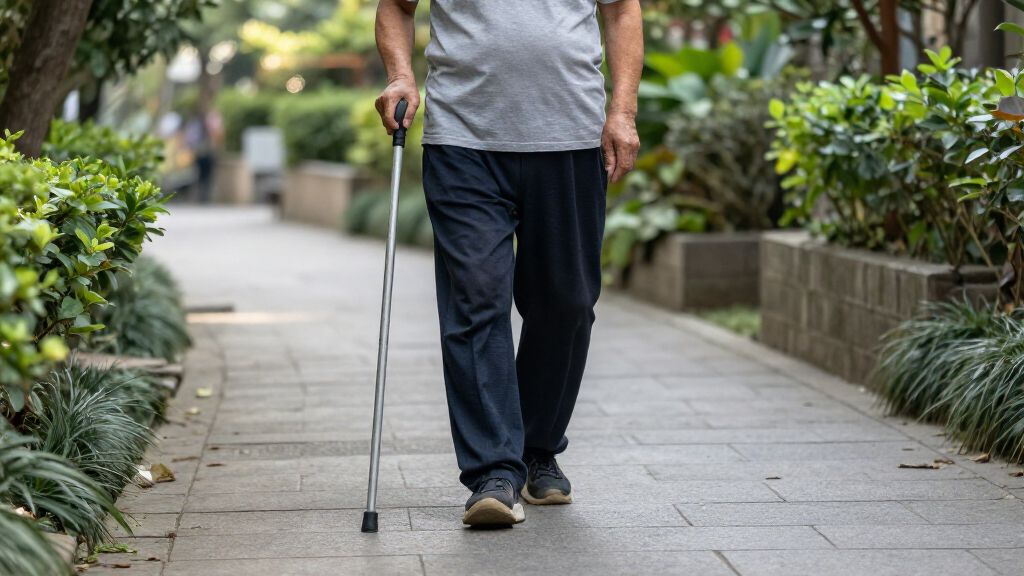
I ranked these canes around the needs behind fall prevention: dependable contact with the ground, a secure-feeling grip, useful height adjustment, and a design that matches the user’s routine. I also weighed whether folding mechanisms, wider bases, dual handles, lighting, or specialized tips offer a meaningful benefit for a defined use rather than simply adding features. Build and upkeep matter too: tips need to remain in good condition, and moving parts should be checked as part of routine care.
The order favors balanced everyday support first, followed by options with strong benefits for narrower needs, such as rising from a chair, carrying a cane while traveling, or walking on varied surfaces. A specialty feature does not automatically earn a higher position: its usefulness depends on the user and setting, and it can add weight, bulk, or setup demands. These rankings are product comparisons, not a substitute for a clinician’s guidance on whether a cane is the right mobility aid or how it should be fitted.
Factors to Consider When Choosing Fall Prevention Walking Canes For Seniors
A cane can support balance, but choosing one involves more than picking the widest base or the longest feature list. I’d start with the user’s movement needs, then match the cane’s height, grip, base, and carrying demands to everyday routines. These broader checks can help prevent a mismatch that product features alone may not reveal.
Match the Cane to the Reason Support Is Needed
People reach for a cane for different reasons: mild balance concerns, pain on one side, reduced confidence outdoors, or difficulty standing from a seat. Those needs do not call for the same design, and a cane may be unsuitable when a person needs support on both sides or has trouble controlling it. A quad base can offer a broader footprint, while a dual handle can help with push-off during standing; neither solves every mobility problem. A common mistake is buying a cane because it appears sturdy without checking whether the user can place and move it comfortably. If falls are recurring or walking ability has changed, ask a physical therapist or clinician to assess the right aid and technique before relying on a new cane.
Get the Height and Hand Position Right
Adjustability only helps when the cane can be set to a suitable height for the person using it. A cane set too high or too low can encourage awkward posture and make each step harder to control. The grip should let the user hold the cane without straining the wrist, and the handle should suit their hand strength and comfort. If the cane is shared between people, each user needs a separate fit check rather than inheriting the previous setting. Buyers should also confirm that the adjustment mechanism locks securely and is simple for the intended user to operate. When fit is uncertain, a professional fitting is more useful than guessing from a product description.
Choose a Base for the Surfaces You Actually Walk On
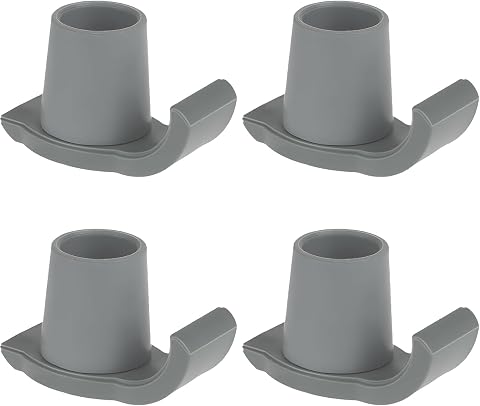
A broad or pivoting base may suit indoor routes and smooth outdoor paths, but the shape and contact pattern can affect how the cane moves through a step. A conventional single tip is often simpler and may feel less cumbersome for someone who already has a steady cane rhythm. Uneven paths, wet surfaces, and seasonal conditions raise different concerns from a hallway or shopping center. Do not assume that a multi-tip base works safely on every floor or that an ice spike is appropriate for ordinary indoor use. Check the tip for wear, confirm replacement options, and follow the maker’s instructions for any removable or seasonal attachment. The right base is the one that fits the user’s route and walking pattern, not necessarily the one with the most contact points.
Balance Portability Against Stability and Setup
Folding canes are easier to put away or carry when they are not in use, which can help on trips or during seated activities. That convenience may come with extra joints, a different feel when walking, and a need to unfold and lock the cane correctly each time. A non-folding cane avoids that setup but can be awkward to store or transport. Quad bases can also take up more space and may catch on tight turns or crowded areas. Before buying, think through the actual routine: how often the cane will be folded, where it will be stored, and whether the user can manage its mechanism without help. Convenience should not come at the cost of a cane the person avoids using or cannot set up securely.
Treat Extra Features as Task-Specific Tools
LED lights, ice spikes, travel bags, and step-assisting designs address particular situations rather than providing universal fall protection. A light may help with visibility in dim conditions, but it cannot correct a poor walking surface or replace adequate room lighting. An ice spike may suit carefully selected outdoor conditions, yet can be unsuitable on indoor flooring and may require changing attachments. A stair-climbing cane with a pull-out step is a specialized product that should not be treated as a general substitute for a handrail or mobility assessment. Buyers can avoid paying in weight and complexity for features they will rarely use by naming the specific task first. For any feature that changes how the cane contacts the ground, follow the product instructions and seek professional advice if the user’s balance is limited.
Check Grip, Weight, and Ongoing Condition
A comfortable handle matters because the user may hold it through many steps, but a soft feel alone does not guarantee a secure grasp. Hand weakness, arthritis, numbness, and wrist discomfort can affect which handle shape is practical, so a grip that works for one person may not suit another. Lighter designs can be easier to lift repeatedly, while sturdier-feeling constructions may appeal to users who prefer a more substantial cane; the right balance depends on control and strength. Straps can help keep a cane nearby when the hand opens, but they should not be treated as a safety tether. Inspect the handle, adjustment lock, folding joints, and ground tip regularly, and replace worn parts according to the manufacturer’s guidance. A damaged tip or loose joint can undermine confidence regardless of the cane’s original design.
Frequently Asked Questions
Is a quad-base cane safer than a single-tip cane for every senior?
No single base is safest for every person. A quad base offers a broader contact area, which some users may prefer for standing support or slower walking, but it can feel bulky and may catch on obstacles or tight turns. A single-tip cane can be easier to move through a normal walking rhythm, though it offers a smaller contact footprint. The user’s balance, strength, gait, and usual walking surfaces matter more than the base shape alone. A physical therapist can help determine which style matches the person’s needs and teach safe placement.
Can a folding cane be used as my main everyday cane?
It can be, if the user can unfold it fully, confirm that it locks, and walk with it comfortably. Folding is useful for storage and travel, but the mechanism adds setup steps and joints that should be checked for secure engagement. Someone who forgets steps, has limited hand dexterity, or needs immediate support when standing may prefer a simpler design. Try the cane in the settings where it will be used rather than judging it only by how compact it is. Follow the manufacturer’s inspection and use instructions before each use.
Do dual handles make it easier to stand up from a chair?
A second handle can provide a different hand position for pushing up, which may help some users rise from a seated position. It does not guarantee a safe transfer, and the cane must be designed and positioned for that use. Pulling on an ordinary cane to stand can cause it to shift, so users should follow the maker’s directions and ask a clinician about a safe technique. Chair height, armrests, leg strength, and balance all affect how much help is needed. If standing is difficult or unsteady, a transfer aid or other mobility support may be more appropriate than a cane alone.
Should I choose a cane with an ice spike for winter walking?
Choose an ice spike only if the user regularly walks outdoors in icy conditions and can manage the attachment as directed. A spike intended for ice may be unsafe or damaging on indoor floors, so it may need to be retracted or removed when entering a building. It does not make every icy route safe, and a cane tip cannot compensate for poor footwear or hazardous conditions. Check how the attachment changes the cane’s contact with the ground and whether the user can operate it reliably. For anyone with significant balance concerns, avoiding icy routes or arranging assistance may be safer than relying on a specialized tip.
When should a senior consider a walker instead of a cane?
A cane generally provides support on one side, while a walker can offer hand support on both sides and a larger base of support. A walker may be a better fit if the person cannot balance with one hand on a cane, needs to lean heavily for support, or has repeated near-falls despite using a cane. It can also be harder to maneuver and transport, so the person’s home layout and outdoor routine matter. A clinician or physical therapist can assess walking, transfers, and fall history to recommend the right aid. Do not treat a more supportive-looking device as automatically suitable without checking fit and training needs.
Conclusion
For a balanced everyday choice, I’d start with the KingPavonini pivoting quad-base cane, the roundup’s best overall pick for its combination of adjustability, folding storage, and a base designed to maintain contact as the cane angle changes. For best value in a simpler setup, compare the DMI and Carex options if a straightforward grip-and-strap cane fits the user’s needs; their appeal is fewer specialty features, not a claim that they suit everyone. The WHLICKS dual-handle model is my best option for buyers who need extra leverage when standing, while REHAND’s all-terrain-tip cane is the specific-use pick for varied walking surfaces. For a beginner, I’d favor a cane with an understandable adjustment and locking routine over one loaded with task-specific features, then get the height and walking method checked by a professional. If a buyer wants a best premium-style feature set, the pivoting-base and multi-feature models deserve a closer look, but extra functions only make sense when the user can operate them and will use them regularly. Whichever option you choose, match the cane to the person’s mobility needs and seek professional advice if falls or balance problems persist.