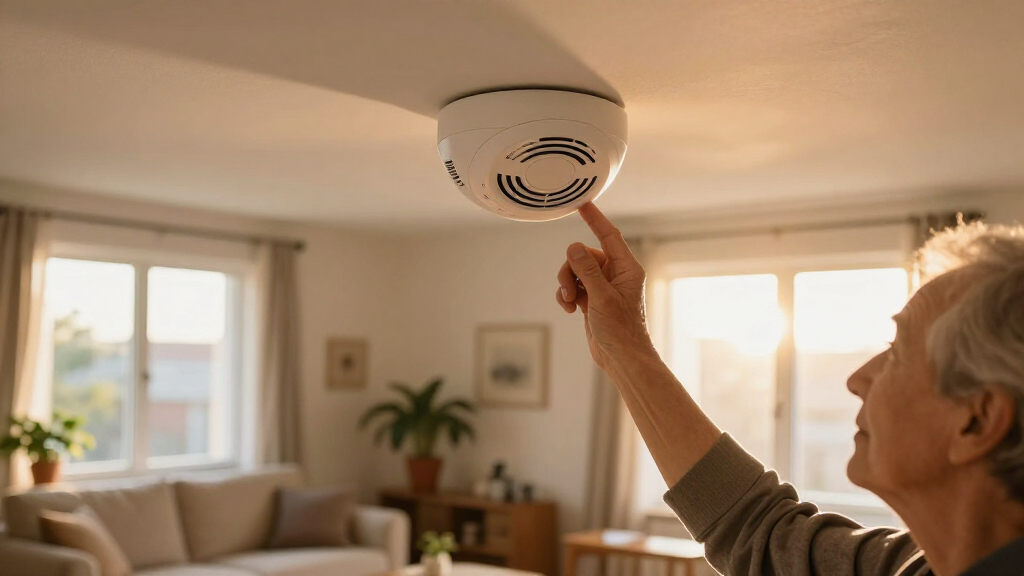

TL;DR
Reliable smoke and CO detectors are vital for home safety. Modern units offer smart features, longer batteries, and easy maintenance, but proper placement and regular testing remain key to protection.
Imagine waking up in the middle of the night to a loud alarm. Your heart races as you scramble to find out what’s wrong. That sudden jolt from a reliable smoke or CO detector can be a lifesaver, turning a dangerous situation into a simple wake-up call.
In this guide, you’ll learn what makes a detector truly trustworthy, how modern features improve safety, and practical tips to keep your home protected. Because when it comes to safety, you want devices that don’t just beep—they do their job when it counts.
Choose combination smoke and CO detectors with UL certification and sealed 10-year batteries for reliability.
Place detectors on every home level—inside bedrooms, outside sleeping areas, and in the basement.
Regularly test detectors monthly and replace units every 8-10 years to keep safety current.
Smart detectors can send alerts directly to your phone, offering peace of mind whether home or away.
Proper placement and maintenance are your best tools for early warning and safety assurance.
Smoke and Carbon Monoxide Detectors You Can Rely On
A dependable alarm does more than beep. It detects the right threat, sounds early, reaches sleeping occupants and stays powered between checks. Choose well, place deliberately and maintain the system before an emergency tests it for you.
Dependability begins inside the alarm.
Different fires develop differently. Fast flames, slow smoldering smoke and carbon monoxide each demand suitable sensing technology. Combination coverage, certification and reliable power close the most common protection gaps.
Ionization smoke sensing
Typically responds quickly to fast-flaming fires. It uses a small amount of radioactive material to detect changes caused by combustion particles.
Photoelectric smoke sensing
Uses a light sensor to detect smoke, making it well suited to slow, smoky fires that may build before visible flames appear.
Combination and CO units
Dual-sensor smoke alarms widen fire coverage, while smoke-and-CO combination units reduce device clutter and protect against odorless carbon monoxide.
Features that earn trust when seconds matter.
No single feature replaces correct placement and testing. The strongest setup layers comprehensive sensing, certified hardware, dependable power, interconnection and clear alerts.
| Feature | Basic smoke alarm | Recommended combination setup | Smart connected alarm |
|---|---|---|---|
| Smoke detection | ✓Single sensor | ✓Dual or enhanced sensing | ✓Enhanced sensing |
| CO detection | ✗Separate unit needed | ✓Integrated | ✓Often integrated |
| Home-wide interconnection | ~Model dependent | ✓Strongly preferred | ✓Wired or wireless |
| Remote phone alerts | ✗Not available | ~Model dependent | ✓Real-time notification |
| Voice hazard identification | ~Model dependent | ✓Preferred for clarity | ✓Common feature |
| 10-year sealed power | ~Some models | ✓Low-maintenance option | ~Check specifications |
Build a protective ring around sleep.
Install alarms where they can detect danger and wake people quickly. Cover every floor, place smoke alarms inside and outside sleeping areas, and give CO alarms access to the air near bedrooms.
Level-by-level coverage
Install smoke and CO protection on each occupied level, including the basement.
Inside bedrooms
Smoke alarms inside bedrooms help ensure the sound reaches people with doors closed.
Outside sleeping areas
Place smoke and CO alarms near sleeping zones so developing hazards trigger an early warning.
Basement protection
Cover utility and basement levels while following the manufacturer’s mounting guidance.
Technology should strengthen the warning chain.
Smart features are valuable when they make an alarm easier to hear, understand and act upon. They remain a supplement to a functioning local siren—not a substitute for placement, testing or an escape plan.
Remote phone alerts
Receive hazard and status notifications when you are away from home.
Voice identification
Hear whether the danger is smoke or carbon monoxide, reducing confusion.
Interconnected alarms
When one unit detects danger, compatible alarms sound throughout the home.
Sealed lithium power
Long-life power reduces missed battery changes, but monthly testing still matters.
Maintenance horizon
Relative intervals shown against a ten-year device horizon. Always follow the date and instructions printed on your alarm.
Hazard develops
Smoke particles or CO enter the sensing chamber.
Sensor detects
The correct sensing technology identifies the threat.
Alarms connect
Linked units warn occupants across multiple rooms.
Message clarifies
Voice or phone alerts identify the type and location.
People respond
Occupants leave, call emergency services and stay out.
A small routine keeps the warning system alive.
Reliability is a continuing practice. A certified alarm with excellent sensors cannot protect a household if it has expired, lost power, become obstructed or never been tested.
Choose certified combination coverage
Match smoke and CO sensing to the home and verify recognized safety listings.
Test every alarm
Use the test control and confirm that interconnected devices sound as intended.
Replace removable batteries
Change them annually or immediately when the low-battery signal sounds.
Clean and inspect
Keep vents free of dust and check for damage, obstruction or repeated fault signals.
Replace expired units
Use the alarm’s printed replacement date; many units require renewal after 8–10 years.
If an alarm sounds unexpectedly
Every reliable warning depends on the link before it.
Certified device
Listed hardware and suitable sensors
Correct placement
Every level and every sleep zone
Reliable power
Hardwired backup or healthy battery
Verified alarm
Monthly tests and routine inspection
Prepared response
Clear exit plan and immediate action
What Makes a Smoke or CO Detector Truly Dependable?
Reliability starts with choosing the right type of detector and understanding what features contribute to consistent performance. Ionization detectors respond quickly to flaming fires, which can spread rapidly and cause burns or structural damage. Photoelectric detectors, on the other hand, are better at detecting slow, smoky fires that develop over time, giving you valuable extra warning. Combining both in a dual-sensor unit ensures comprehensive coverage, reducing the chance of a dangerous fire going unnoticed.
Certification from trusted safety organizations like UL indicates that a detector has undergone rigorous testing for performance and safety standards. Features like sealed 10-year batteries eliminate the common problem of dead batteries, which can leave you unprotected if not checked regularly. Easy testing functions allow you to verify operation without complex procedures, ensuring you’re always aware of your detectors’ status.
Choosing a detector with these features and certifications means investing in a device that you can rely on during critical moments—reducing false alarms, avoiding maintenance headaches, and providing peace of mind that your home is protected.
Beyond the technical features, understanding why these elements matter can influence your safety decisions. For instance, dual sensors reduce the likelihood of false alarms caused by cooking fumes or steam, which can desensitize or cause nuisance alarms. UL certification assures that the device meets rigorous safety standards, giving you confidence that it will perform reliably during an emergency. Sealed 10-year batteries mean you won’t forget to replace batteries annually, preventing gaps in protection. Together, these features address common pitfalls—false alarms, dead batteries, or untested devices—that compromise safety and can lead to complacency or dangerous delays in response.

X-Sense Smoke Detector and Carbon Monoxide Detector, SC01, 5-Pack
- Standalone Unit: No wireless interconnection or Wi-Fi
- Long-lasting Battery: 10-year sealed lithium battery
- Dual Protection: Detects both smoke and carbon monoxide
As an affiliate, we earn on qualifying purchases.
As an affiliate, we earn on qualifying purchases.
How to Place Your Detectors for Maximum Safety
Proper placement of detectors isn’t just about following rules—it’s about ensuring they perform when it matters most. Placing smoke detectors on every level, especially inside bedrooms and outside sleeping areas, guarantees that the alarm will wake you up if a fire starts while you’re asleep. This strategic positioning minimizes the risk of missing early warning signals, which can be life-saving.
For carbon monoxide detectors, positioning them outside bedrooms and on each level ensures that the silent, odorless gas is detected promptly, preventing CO poisoning. Avoid placing detectors near vents, windows, or humid areas, as drafts and moisture can interfere with their sensors, delaying alarms during a real leak. Proper placement maximizes early detection, giving you critical extra seconds to respond.
Keeping detectors at least 10 inches from walls and away from cooking appliances or humidifiers helps prevent false alarms that can lead to complacency or alarm fatigue. Thoughtful placement isn’t just about following guidelines; it’s about understanding how environmental factors can impact sensor performance. For example, placing a detector too close to a kitchen stove might cause frequent false alarms, leading you to disable it—reducing overall safety. Conversely, placing it too far from the area where a fire might start could delay warning. Effective placement considers both safety standards and your home’s unique layout, ensuring early detection and reducing unnecessary disruptions.

First Alert Hardwire Combination Smoke & Carbon Monoxide Alarm
- Advanced sensing technology: Reduces false alarms and detects early
- Interconnects with alarms: Sounds all alarms when one detects danger
- Battery backup: Ensures protection during power outages
As an affiliate, we earn on qualifying purchases.
As an affiliate, we earn on qualifying purchases.
Smart and Long-lasting Detectors: What’s New and Why It Matters
Modern detectors are transforming home safety by integrating smart technology that enhances reliability and convenience. These smart units can send alerts directly to your smartphone, providing real-time updates whether you’re at home or away. This connectivity allows you to respond quickly to potential hazards, even if you’re not nearby, giving peace of mind for busy households or frequent travelers.
Voice alerts are a significant upgrade—they can announce whether an alarm is due to fire or carbon monoxide, helping you understand the severity without rushing to check. This feature is especially helpful for older adults or those with hearing impairments, as it reduces confusion during emergencies.
Sealed 10-year batteries are another breakthrough, eliminating the need for annual replacements and reducing the chance of dead batteries going unnoticed. This long-term power source ensures continuous protection without the hassle of regular maintenance. These technological advancements are designed to reduce false alarms caused by cooking steam or high humidity, making detectors more dependable and less intrusive. Overall, these innovations mean safer, smarter, and more user-friendly home safety devices that adapt to your lifestyle and improve your protection.
Understanding why these features matter can help you appreciate their importance. For example, real-time alerts ensure you’re never caught off guard, even if you’re away from home. Voice notifications provide clarity during emergencies, reducing panic and confusion. Sealed batteries mean fewer interruptions and less maintenance, which is especially valuable for older adults or those with busy schedules. Reducing false alarms not only prevents annoyance but also maintains your confidence in your safety system, ensuring you respond appropriately when true danger arises. These technological improvements are not just about convenience—they directly enhance your ability to protect yourself and your loved ones effectively.
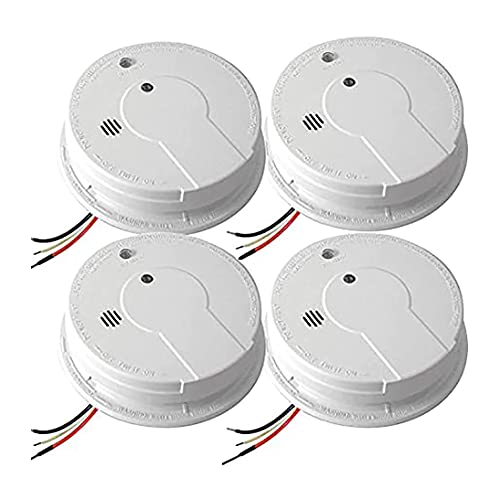
Kidde AC Hardwired Interconnect Smoke Alarm with Hush I12040 (4-Units)
- Hush feature for nuisance alarms: Temporarily silences nuisance alarms
- Brand: Kidde
- Design: Compact construction
As an affiliate, we earn on qualifying purchases.
As an affiliate, we earn on qualifying purchases.
The Key Facts You Need to Know About Your Detectors
Early detection is crucial because it significantly increases your chances of escaping a fire or avoiding carbon monoxide poisoning. Research shows that smoke detectors can reduce fire-related deaths by half, underscoring their importance. Similarly, CO detectors alert you to silent, odorless gas that can cause serious health issues or death if undetected. Understanding these facts highlights why choosing the right device and maintaining it properly is essential for your safety.
The NFPA recommends installing smoke alarms inside bedrooms, outside sleeping areas, and on every floor, recognizing that fires can start anywhere and spread quickly. Many regions now legally require both smoke and CO detectors, emphasizing that these devices are not optional but vital safety measures. Ensuring your detectors meet local standards and are regularly tested and replaced when necessary keeps them functioning at peak performance, providing reliable early warnings when it matters most. Recognizing these key facts helps you prioritize safety and understand the real implications of your choices—your safety depends on it.
multi-level home smoke and CO detector set
As an affiliate, we earn on qualifying purchases.
As an affiliate, we earn on qualifying purchases.
Your Top Questions About Relying on Safety Detectors Answered
- How do I choose the best detectors? Focus on combination units that include both smoke and CO detection, check for UL certification, opt for sealed 10-year batteries, and consider smart features like remote alerts and voice notifications. These elements collectively ensure comprehensive and reliable protection tailored to your needs.
- Are smart detectors worth it? Absolutely—especially if you want to stay informed when away from home. They provide real-time alerts and voice notifications, which can be crucial during emergencies. While they might cost more upfront, the added peace of mind and improved safety often justify the investment.
- How often should I test and replace? Testing your detectors monthly ensures they are operational, and replacing batteries yearly prevents power failures. Most detectors should be replaced every 8-10 years to ensure sensors remain sensitive and effective, as over time, their ability to detect hazards diminishes.
- What if a detector goes off unexpectedly? First, check for actual smoke or CO. If none is present, silence the alarm and test again. Persistent false alarms may indicate dust or sensor issues; cleaning or replacing the unit can restore accuracy. Ignoring false alarms can lead to complacency or disabling alarms, which is dangerous—so address them promptly.
- Can I install these myself? Most detectors are designed for easy DIY installation, but carefully follow the manufacturer’s instructions. If unsure about wiring or placement, consulting a professional ensures correct setup, maximizing safety and compliance with local codes.
Conclusion
Reliable detectors are more than just alarms—they’re your home’s silent guardians. Investing in smart, long-lasting units and placing them thoughtfully turns your house into a fortress of safety.
Remember, safety isn’t a one-time setup—regular testing, maintenance, and a little awareness keep your home a cozy, secure haven for years to come. When you hear that beep, you’ll know it’s doing its job—protecting your peace of mind.