TL;DR

Turn quiet afternoons into listening time
- Thousands of audiobooks, podcasts and originals
- Listen on your phone, tablet or Echo — also offline
- Cancel anytime
Staying confident on stairs is possible with just a few simple aids like handrails and non-slip strips. Proper use, good lighting, and a healthy balance help prevent falls and build confidence every day.
Climbing stairs might seem like second nature, but for many older adults or those with mobility concerns, it can feel like a tightrope walk. A slip or stumble isn’t just embarrassing—it can cause serious injury. The good news? A few simple aids and good habits can turn your staircase into a safe, confident part of your day.
In this guide, you’ll learn how basic tools like handrails, non-slip strips, and proper technique can make a big difference. Whether you’re navigating your own stairs or helping a loved one, these straightforward tips will keep you steady and secure—country living style, with a touch of safety.
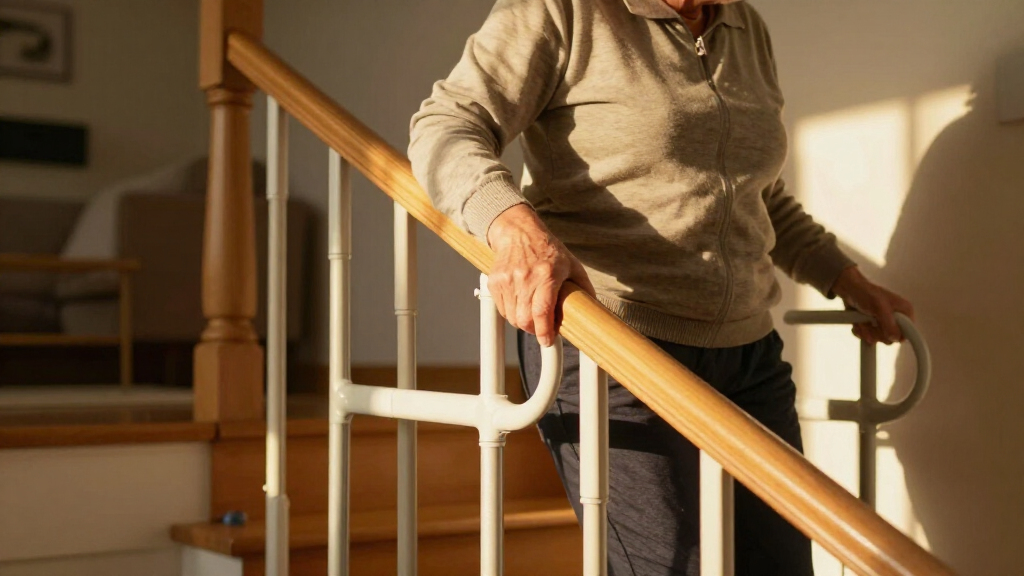
Install sturdy handrails on both sides of your staircase for maximum support.
Add non-slip strips or treads to improve grip, especially in wet or icy conditions.
Use your aids consistently—never skip the handrail or your cane when feeling unsteady.
Keep your staircase well-lit and clutter-free to prevent trips and falls.
Strengthen your legs and balance regularly through simple exercises to boost confidence.
Why Simple Aids Make All the Difference on Your Stairs
Using simple aids like handrails and non-slip strips transforms a potentially risky climb into a safe, confident step. These tools do more than just prevent accidents—they act as anchors that support your body’s natural balance mechanisms. When your muscles and joints weaken with age or injury, having a sturdy handhold or a textured surface provides that extra layer of security, reducing hesitation and promoting independence.
Think of them as your safety net; they help you recover from minor missteps before they turn into falls. For example, a well-placed handrail can be the difference between a safe ascent and a dangerous slip, especially on stairs with uneven surfaces or in poor lighting. Research shows that proper installation of these aids not only prevents falls but also encourages more frequent use of stairs, which is essential for maintaining mobility and strength. The tradeoff? Slight effort and investment are required upfront, but the long-term safety benefits far outweigh these initial costs.
As an affiliate, we earn on qualifying purchases.
Choosing the Right Aids to Stay Safe and Steady
Not all aids are created equal, and choosing the right ones involves understanding your specific needs, the layout of your stairs, and the environment. For instance, sturdy handrails provide continuous support but must be installed at the correct height and securely anchored to withstand weight. Non-slip strips increase traction but need to be made from durable materials that resist wear and moisture, especially in humid or icy conditions.
While these aids seem straightforward, their effectiveness depends on proper selection and placement. A poorly installed handrail may wobble or be positioned too high or low, making it ineffective or even dangerous. Similarly, non-slip treads that are too thin or poorly adhered can create tripping hazards. The tradeoff here is that investing in quality aids and professional installation might cost more initially but significantly enhances safety and confidence over time. Balancing cost, durability, and ease of use is key to creating a staircase that truly supports your mobility needs.
As an affiliate, we earn on qualifying purchases.
How to Use Your Aids Correctly for Maximum Confidence
- Grasp the handrail firmly with your whole hand, ensuring you have a secure grip that engages your palm and fingers. This provides maximum support, especially when your balance is compromised or your hands are sweaty or wet.
- Step carefully, placing your entire foot on each tread, and avoid rushing. Rushing increases the risk of missteps, especially on uneven or worn stairs, and can lead to loss of balance.
- Keep your eyes on the stairs, and ensure the lighting is bright enough to see each step clearly. Good visibility helps you anticipate and adjust to irregularities like loose carpet or debris, which could otherwise cause falls.
- Use your aids consistently—never skip the handrail or forget your cane when you feel unsteady. Regular use builds muscle memory and confidence, making each climb more predictable and safe.
- Practice slow, deliberate climbs, focusing on each movement. Over time, this mindful approach trains your muscles and mind to rely on proper technique, turning cautious steps into confident strides.
Take Mrs. Lee, who used to hesitate on her staircase. After practicing with her handrails and using her cane regularly, she now climbs with calm assurance, even in dim light. Proper technique not only prevents falls but also boosts psychological confidence, making stairs feel less intimidating and more manageable.
As an affiliate, we earn on qualifying purchases.
Making Your Stair Environment Safer in Simple Ways
Your surroundings play a crucial role in stair safety. Bright, even lighting reduces shadows and highlights irregularities, helping you see each step clearly and avoid missteps. Clutter-free stairs eliminate trip hazards, while sturdy, well-installed handrails on both sides provide support from all angles, especially important if you need to use both hands for stability.
Imagine walking into a staircase bathed in warm, bright light, with a thick, non-slip rug covering each step. It’s inviting, reduces the risk of slipping, and encourages regular use. Regularly check that handrails are secure and that no loose carpet or clutter blocks your path. These small modifications are cost-effective but have profound impacts on safety, especially in homes where lighting or space is limited. The tradeoff? A little effort and vigilance can prevent serious falls, preserving independence and confidence.
As an affiliate, we earn on qualifying purchases.
Stay Strong and Balanced with Simple Exercises
Even the best aids are most effective when your body is strong and balanced. Regular exercises like leg lifts, heel raises, and balance drills directly target muscles that support your stability and coordination. Strengthening these muscles helps you respond more quickly to slips or uneven surfaces, reducing the likelihood of falls.
For example, standing on one foot while holding onto a sturdy chair not only improves balance but also trains your brain to coordinate movements more effectively. Doing this daily for a few minutes can make a significant difference in how confident you feel climbing stairs. The tradeoff? Incorporating these exercises into your routine requires only a small time investment but can yield substantial safety benefits, empowering you to navigate stairs more independently and safely.
According to an anonymous researcher at Huckfarm, regular movement reduces fall risk by strengthening the muscles that keep you steady. It’s like building a safety net from the inside out—more muscle, better balance, fewer falls.
Frequently Asked Questions
What are the easiest aids to install for stair safety?
Sturdy handrails on both sides and adhesive non-slip strips are the easiest and most effective aids to install. They require minimal tools and can be set up quickly to dramatically improve safety.
How can I build my confidence on the stairs?
Practice using your aids regularly, ensure good lighting, and perform balance exercises. Over time, these habits help your muscles and mind trust your steps again.
Are there specific products recommended for safety?
Look for non-slip stair treads, adjustable handrails, and lightweight, stable walking sticks designed for balance. Choose products that are easy to install and suited to your stairs’ size and shape.
What if I feel unsteady even with aids?
Seek a professional assessment to check your mobility and balance. Physical therapy or targeted exercises can also help rebuild strength and confidence.
How can I improve my staircase environment for safety?
Install sturdy handrails on both sides, keep stairs well-lit and free of clutter, and add non-slip treads or mats. Small tweaks can make a big difference in preventing falls.
Conclusion
Confidence on stairs doesn’t come from complicated gadgets; it’s built from simple, consistent habits. Using aids like handrails and non-slip strips, plus keeping your environment bright and clutter-free, makes every step safer and steadier. Imagine your staircase as a country lane—smooth, safe, and inviting.
Remember, a confident step today leads to a safer tomorrow. Keep your aids handy, your environment friendly, and your body strong. That way, every climb remains a peaceful part of your day—country living at its safest and most comfortable.
Halloween Picks
halloween
As an affiliate, we earn on qualifying purchases.