
TL;DR

Turn quiet afternoons into listening time
- Thousands of audiobooks, podcasts and originals
- Listen on your phone, tablet or Echo — also offline
- Cancel anytime
Canes, walkers, and rollators each serve different mobility needs. Canes are lightweight; walkers offer stability; rollators combine support with convenience. Choose based on your activity level, safety, and comfort.
Choosing the right mobility aid can be life-changing. It’s not about what’s trendy, but what truly supports your daily routines. Whether you’re stepping out in the garden, shopping at the market, or just moving around your cozy home, the right device makes all the difference.
Many folks get overwhelmed by options—should they stick to a classic cane, or try a walker? Or maybe a rollator? This guide breaks down what each offers, recent trends, and practical tips. No fluff, just honest advice to help you find your best fit.
Choose a cane for light balance support and portability.
Walkers provide more stability but are less portable; ideal for moderate support needs.
Rollators blend support and convenience, perfect for outdoor walks or fatigue management.
Recent innovations in lightweight materials and tech features improve safety and comfort.
Always get properly fitted and check your device regularly for safe use.
What’s the real difference between a cane, walker, and rollator?
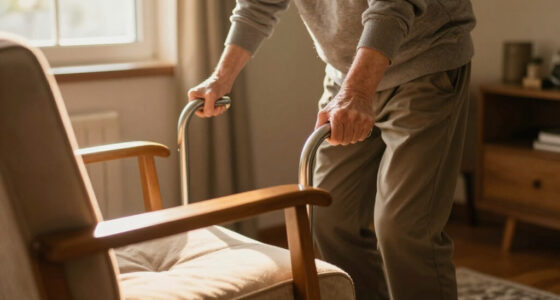
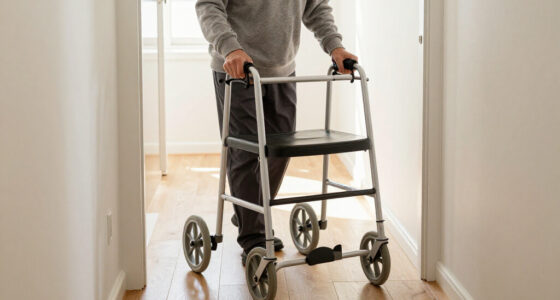
Think of canes, walkers, and rollators as three levels of support, each suited for different needs. A cane is a simple stick that helps with balance, providing a lightweight, easy-to-carry option for minor stability issues. It’s like having a gentle hand guiding you; however, its support is limited, so it’s best for those with slight unsteadiness. A walker is a sturdy frame, offering four points of contact with the ground, which significantly enhances stability—think of it as a small set of training wheels for adults. It’s ideal for those recovering from injury or with moderate weakness. Rollators are like a smart, mobile throne—equipped with wheels, brakes, and often a seat—designed for longer walks or tired legs. They provide a combination of mobility and rest, enabling users to pause and sit without needing to find a bench.
Choosing the right device depends on your specific needs: if you’re only slightly unsteady, a cane might suffice; if you require more reassurance, a walker provides greater stability; and if you want both support and convenience during outdoor activities or extended walking, a rollator is often the best choice. Understanding these differences helps prevent falls, reduces fatigue, and promotes independence by matching the device’s support level with your daily activities.
lightweight walking cane for seniors
As an affiliate, we earn on qualifying purchases.
As an affiliate, we earn on qualifying purchases.
Which device gives you the best stability and safety?
Stability is a crucial factor in choosing a mobility aid because it directly affects your risk of falls and injuries. Canes offer minimal support, mainly helping with balance for minor issues, but they don’t prevent falls on their own. Walkers, with their four points of contact and wide base, significantly reduce fall risk by providing a stable frame that supports your weight and balance. They’re especially effective on uneven surfaces or when recovering from surgery. Rollators enhance safety further by integrating features like hand brakes, which lock the wheels to prevent rolling away, and sometimes a seat for resting. These features are particularly valuable outdoors or on unpredictable terrain, where maintaining control is essential.
Choosing the right device involves assessing your environment and mobility level. For example, if you frequently navigate outdoor uneven surfaces, a rollator with large wheels and shock absorption can cushion shocks and prevent slips. Conversely, if your activity is mostly indoors on smooth floors, a well-fitted walker or cane might be sufficient. The tradeoff is often between ease of use and maximum support; more support usually means a bulkier device, which might be less convenient to carry or store. Prioritizing safety means selecting a device that matches your environment and physical condition, thereby reducing the chance of falls and increasing confidence during movement.
sturdy walker with seat and brakes
As an affiliate, we earn on qualifying purchases.
As an affiliate, we earn on qualifying purchases.
What are the latest trends making these devices better?
Today’s mobility aids are smarter and lighter, reflecting a shift toward enhancing user safety, comfort, and independence. Manufacturers now use advanced materials like aluminum and carbon fiber, which reduce weight without sacrificing strength—making devices easier to handle, carry, and store. Ergonomic grips and adjustable heights ensure a comfortable fit, minimizing strain and fatigue during extended use. Shock-absorbing features, especially on rollators, cushion impacts on uneven terrain, making outdoor walking safer and more comfortable. Some models also incorporate plush seats, allowing users to rest conveniently during long outings, which encourages longer, more active lifestyles.
Beyond physical design, technological innovations are transforming mobility aids. GPS tracking helps caregivers monitor users, especially those with memory issues, while fall alerts can notify loved ones immediately if a fall occurs. Sensors embedded in devices detect instability or sudden movements, prompting alerts or adjustments. For example, a rollator with shock absorption and GPS can turn a simple walk into a supported journey, reducing anxiety about falls and providing peace of mind. These advancements are not just about convenience—they’re about empowering users to maintain their independence safely and confidently in various environments.
modern rollator with shock absorption
As an affiliate, we earn on qualifying purchases.
As an affiliate, we earn on qualifying purchases.
How to choose the right device for your daily life
- Assess your mobility needs—are you just balancing or walking longer distances? Understanding your activity level helps determine whether minimal support like a cane suffices or if a more supportive device like a walker or rollator is necessary.
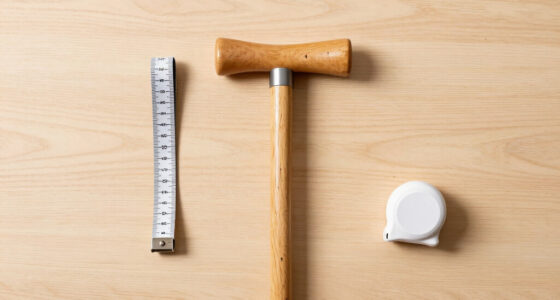
- Measure your height—your device should reach your wrist when standing naturally. Proper fit is crucial; an incorrectly sized device can cause discomfort, fatigue, or imbalance, increasing fall risk.
- Think about terrain—are you mostly indoors, or do you walk on uneven paths? Outdoor environments with gravel, grass, or slopes demand more robust features like larger wheels and shock absorption to ensure safety and ease.
- Consider your strength—can you handle a lightweight cane, or do you need a sturdy walker? Your physical capacity influences device choice; heavier devices might offer more support but could be harder to maneuver.
- Test different devices—try them in a store or at home with a safe environment. Feeling how a device handles and fits your body helps you make an informed decision, reducing the likelihood of dissatisfaction or injury.
- Consult a healthcare professional—get personalized advice based on your health history. They can recommend specific features or models tailored to your needs, ensuring optimal safety and comfort.
For example, if your knees ache after a short walk, a rollator with shock absorption and adjustable height might be your best choice, offering both support and comfort while encouraging mobility.
Quick comparison: Which device fits which lifestyle?
| Device | Best For | Portability | Support Level | Cost Range |
|---|---|---|---|---|
| Canes | Minor balance issues, quick errands | Very lightweight, folds easily | Minimal | $20 – $50 |
| Walkers | Moderate support, recovering from injury | Some foldability, bulkier | High | $50 – $150 |
| Rollators | Longer walks, fatigue, outdoor use | Foldable with extras like seats | Very high with brakes and seats | $100 – $300 |
Safety tips for using your mobility device
Always check tips and brakes before heading out. Keep devices clean and non-slip. Adjust height and fit properly—your wrist should brush the top when standing tall. Practice in safe, familiar settings first. Regularly inspect for wear and tear, especially on tips and brakes.
Imagine stepping onto a wet porch—non-slip tips prevent slips. A quick check of brakes ensures your rollator won’t roll away when you want to rest. Properly fitted devices make every step safer and more confident.
Frequently Asked Questions
How do I know if I need a walker or a rollator?
If you require more support than a cane offers but don’t need to sit often, a walker might be enough. If you walk longer distances, get tired easily, or want features like a seat and brakes, a rollator could be better. Consulting a healthcare provider can help clarify your needs.Can I switch between a cane and a walker as my needs change?
Absolutely. Many people start with a cane and move to a walker or rollator as their strength or mobility changes. It’s common to adapt your devices over time to match your comfort and safety.Are rollators safe for outdoor uneven terrain?
Yes, especially models with larger wheels and sturdy frames designed for outdoor use. Look for features like shock absorption and durable tires. Always test your rollator on similar terrain to your usual walking paths.How should I measure for the correct height of my device?
Stand upright with your arms relaxed at your sides. The device’s handle should align with your wrist bone. Proper height reduces strain and improves balance—adjust as needed before use.What safety precautions should I follow?
Regularly inspect your device for damage, ensure tips are non-slip, and brakes work properly. Practice using your device in safe areas before venturing outdoors. Proper fitting and cautious use are key to safety.Conclusion
Your choice of mobility aid should feel like a trusted companion—supportive, comfortable, and right for your everyday adventures. Whether you prefer the simplicity of a cane, the stability of a walker, or the smart features of a rollator, the goal is safe independence. Take time to try different options and listen to your body.
Imagine yourself strolling through your garden, feeling confident and steady—that’s the real reward of choosing the right device. Your best support is the one that keeps your country spirit alive and your days full of movement.
Halloween Picks
halloween
As an affiliate, we earn on qualifying purchases.