
TL;DR

Turn quiet afternoons into listening time
- Thousands of audiobooks, podcasts and originals
- Listen on your phone, tablet or Echo — also offline
- Cancel anytime
As mobility needs change, selecting the right walking aid is key to maintaining independence and safety. Regular assessment and understanding your options help you choose devices that grow with you, from canes to smart walkers.
Imagine feeling steady on your feet one day, then noticing a little wobble the next. Suddenly, your trusty cane no longer feels enough. It’s a common story—your mobility shifts, and so should your support. Choosing the right walking aid isn’t just about convenience; it’s about safety, confidence, and staying connected to the world around you.
This guide walks you through how to evaluate your changing needs, explore the latest options, and make smart choices that keep you moving comfortably and securely. Because as your needs change, so should your support system—simple, adaptable, and tailored to you.
Regularly reassess your mobility needs with professional guidance to ensure your support matches your current strength and balance.
Choose a walking aid that fits your environment—indoor, outdoor, uneven terrain—and your lifestyle for maximum safety and comfort.
Modern aids incorporate lightweight materials, ergonomic design, and smart technology to enhance safety and independence.
Proper fit and training are essential; take time to learn how to use your device correctly to prevent discomfort and falls.
As needs change, don’t hesitate to upgrade your support system—your safety and confidence depend on it.
How to Know When It’s Time to Switch Your Walking Aid
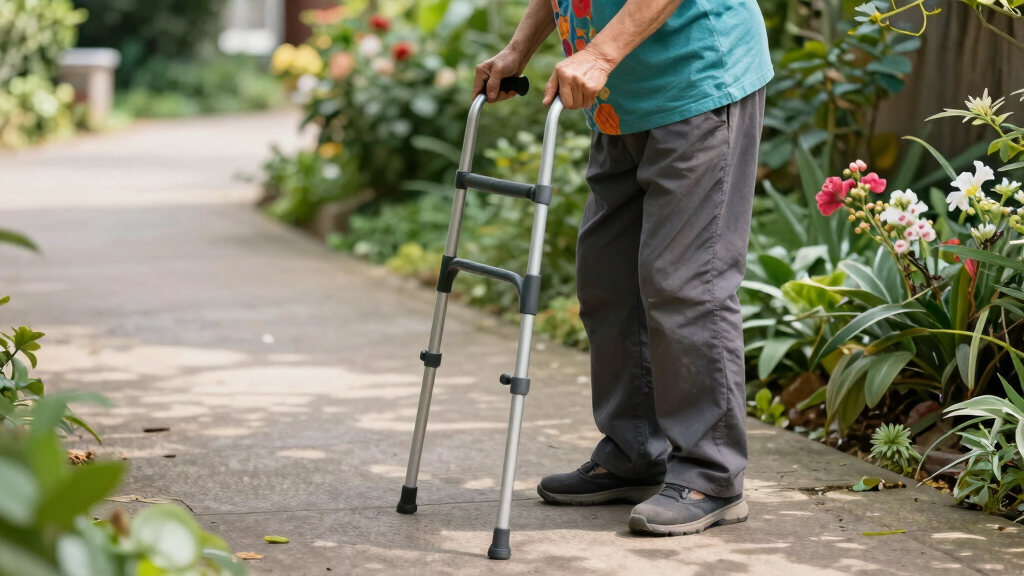
If your current aid causes discomfort, or you’re relying more heavily on furniture for support, it’s a sign it’s time to reconsider. For example, a lady in her late 70s found her cane no longer felt stable on uneven garden paths. She shifted to a lightweight rollator, which gave her confidence and freedom to enjoy her yard again.
Assessing your mobility involves looking at balance, strength, and endurance. If walking feels more tiring or you’re worried about falls, it’s time to explore other options. Regular check-ins with a healthcare professional can help determine whether your current aid still fits your needs or if an upgrade is needed.
Understanding when to change your aid is crucial because using an ill-fitting or inappropriate device can lead to falls, injuries, or decreased independence. Recognizing signs early allows for timely adjustments, ensuring your support system remains effective and safe, which can significantly impact your confidence and quality of life.
Products Worth Considering

Rachio 3 Smart Sprinkler In-Ground WiFi Irrigation Controller, 8-Zone

8×16 ft Walk-In Greenhouse – Heavy-Duty Outdoor Greenhouse

Orbit B-hyve XR 8-Zone Indoor/Outdoor Smart Sprinkler Controller
As an affiliate, we earn on qualifying purchases.
The Different Types of Walking Aids and When to Use Each
Choosing the right support depends on your specific needs. Here’s a quick comparison to help you decide:
| Type of Aid | Best For | Example Scenario |
|---|---|---|
| Cane | Mild balance issues, indoor or quick trips | Walking around the house or short errands |
| Crutches | Partial weight-bearing, recovery from injury | Post-surgery or broken ankle recovery |
| Walker | Significant balance problems, stability needed | Navigating uneven outdoor paths or busy markets |
| Rollator | Longer walks, fatigue management, comfort | Grocery shopping or park strolls |
| Scooter | Limited mobility over long distances | Visiting friends’ farms or large outdoor events |
Each type of aid offers different benefits and tradeoffs. For instance, a cane is lightweight and easy to carry, which makes it ideal for quick, short-term support, but it provides limited stability—so if your balance worsens, it might no longer be sufficient. Conversely, a rollator offers increased support and comfort for extended walks, but its bulkier design can be cumbersome indoors or in tight spaces. Understanding these tradeoffs helps you choose a device that aligns with your daily routines and environment, ensuring you don’t sacrifice safety for convenience or vice versa. Recognizing the implications of each aid’s strengths and limitations allows you to make a more informed decision, ultimately supporting your independence and reducing risks associated with falls or fatigue.
How to Make Sure Your Walking Aid Fits Perfectly
A poorly fitted aid can cause discomfort or even falls. To get it right, measure your height carefully, keeping your posture natural. For example, a woman in her early 80s found her cane was too short, leading to back strain. A quick adjustment and proper fitting made all the difference.
Key tips include:
- Adjust the height so that your elbow is slightly bent when holding the aid, allowing for natural arm movement without strain. An improper height can force you into awkward postures, increasing fatigue and fall risk.
- Choose ergonomic grips to reduce hand fatigue, especially if you have arthritis or joint pain, as uncomfortable grips can discourage proper use and lead to improper technique.
- Test the stability on different surfaces before settling on a device. Uneven or slippery surfaces can reveal stability issues that might not be apparent indoors, providing insight into how well the aid will perform in real-world conditions.
Having a professional assessment ensures your aid matches your body and environment perfectly. Proper fit isn’t just about comfort; it directly impacts your safety by promoting correct posture, reducing strain, and preventing falls. Investing time in proper fitting can make your mobility aid a reliable support, encouraging independence and reducing the risk of injury. This proactive approach ensures your device supports your unique needs, adapts to changing conditions, and ultimately enhances your confidence in moving safely.
Latest Trends Making Walking Aids Safer and Smarter
The newest walking aids blend technology with comfort. For instance, some rollators now include sensors that monitor gait and alert you or caregivers if something’s off. This innovation is significant because it provides real-time feedback, allowing for immediate correction and preventing falls before they happen. For example, a smart walker with gait analysis can detect subtle changes in walking pattern that might indicate fatigue or imbalance, prompting you to rest or seek assistance.
Lightweight materials like aluminum alloys reduce the physical burden of carrying aids, which is especially important for those with limited strength. Ergonomic grips and foldable frames add convenience, making it easier to transport and store your device. Custom colors and styles are not just aesthetic choices; they can boost morale and personal identity, transforming a functional device into an expression of personality. These trends are designed to boost safety, independence, and emotional well-being by making mobility aids more integrated into everyday life.
Furthermore, these innovations often include features like fall detection, GPS tracking, and smartphone connectivity. Fall detection can automatically alert emergency services if a fall occurs, potentially saving lives. GPS tracking helps locate devices if misplaced, and smartphone integration allows for monitoring and adjustments remotely. While these advancements significantly enhance safety and usability, they also require users to stay informed about how to operate and maintain new technology, emphasizing the importance of ongoing education and adaptability to maximize benefits and ensure seamless integration into daily routines.
How to Switch and Train Yourself to Use a New Walking Aid Safely
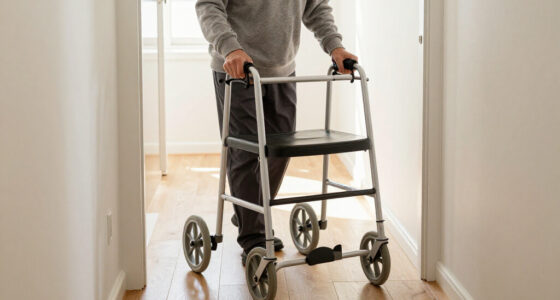
Switching to a new aid might feel strange at first. Take it slow. For example, a man transitioning from a cane to a walker practiced in his hallway, holding onto furniture for balance. Over a few days, he gained confidence and independence.
Follow these steps:
- Start indoors, where you feel safe, and gradually extend to outdoor surfaces. This gradual exposure helps your body adapt to the new device’s feel and mechanics, reducing the risk of falls or missteps.
- Practice walking with the aid, paying attention to posture, grip, and comfort. Proper technique minimizes strain and maximizes stability, which is crucial for long-term safety.
- Gradually increase the duration and complexity of your walks, such as moving from flat surfaces to uneven terrain. This progression builds strength and confidence while allowing your muscles and coordination to adapt to the new support.
- Ask a caregiver or family member for feedback and support, which can help correct posture and technique. External input ensures you’re using the device correctly and efficiently, preventing bad habits that could lead to injury.
- Consult professionals if you experience persistent balance issues, as proper training ensures safety and maximizes the aid’s benefits. They can provide tailored exercises and guidance specific to your needs, making the transition smoother and safer.
Patience and consistent practice are key. Learning to use a new device effectively can prevent accidents, boost confidence, and make your mobility more reliable. Embracing gradual adaptation allows you to maintain independence while minimizing risks associated with unfamiliar equipment. Remember, progress might be slow initially, but with perseverance, your new support system can become second nature, enhancing your safety and quality of life.
Frequently Asked Questions
How do I know when it’s time to switch to a different walking aid?
If your current device causes discomfort, you feel unsteady, or your mobility needs change—like needing more support or less fatigue—it’s time to reconsider. Regular check-ins with a healthcare professional can help you determine when an upgrade is necessary.
What are the best options for someone with balance issues versus weakness?
For balance issues, a sturdy walker or rollator with stability features often works best. If weakness is the main concern, lightweight aids like canes or adjustable crutches can provide support without adding strain. Matching the aid to your specific challenge makes a big difference, and understanding the tradeoffs helps you choose the most effective support for your unique needs.
How can I ensure my walking aid fits properly?
Measure your height accurately, with your shoes on, and adjust the aid so your elbow remains slightly bent. Test on different surfaces, and consider a professional assessment for perfect fit. Proper fitting not only enhances comfort but also maximizes safety by promoting proper posture and reducing strain, which are critical for preventing falls and supporting long-term mobility.
Are there walking aids suitable for outdoor use and uneven terrain?
Yes. Heavy-duty walkers, four-wheeled rollators with wide, non-slip tires, or even outdoor scooters can handle rougher surfaces. Choosing aids with durable wheels and stable frames helps you explore outside with confidence. Selecting the right equipment for outdoor terrain ensures safety, reduces fatigue, and encourages outdoor activity, which is vital for overall health and well-being.
What are the latest innovations in walking aids?
Modern aids incorporate smart sensors, lightweight composites, ergonomic grips, and foldable designs. These features not only improve safety and ease of use but also allow for customization. Understanding these innovations helps you select aids that align with your lifestyle, providing better control, real-time feedback, and connectivity options that can alert caregivers or track your activity, ultimately enhancing your independence and safety.
Conclusion
Supporting your mobility isn’t about sticking to one device forever; it’s about adapting thoughtfully as your needs evolve. A well-chosen, properly fitted walking aid can be your trusted partner—making everyday adventures safer and more enjoyable.
Remember, a little patience and regular check-ins with professionals keep your support system as strong as your spirit. Keep moving, stay connected, and cherish every step.