TL;DR

Turn quiet afternoons into listening time
- Thousands of audiobooks, podcasts and originals
- Listen on your phone, tablet or Echo — also offline
- Cancel anytime
Maintaining balance isn’t about dramatic moves. Gentle exercises like tai chi, home modifications, and supportive tools can greatly reduce fall risk and boost confidence. Small, consistent habits make a big difference.
Imagine stepping out on your porch just as the morning sunlight spills over the fields. Your balance is steady, your mind calm, and you feel connected to the gentle rhythm of country living. Keeping your balance isn’t about pushing yourself to extremes; it’s about cultivating simple, nurturing habits and using the right tools to support your independence.
In this guide, you’ll discover how small, mindful changes—like gentle exercises and home tweaks—can make a world of difference. Whether you’re just starting to feel a bit wobbly or want to stay steady for years to come, these tips are designed to fit into your peaceful country lifestyle.
Gentle exercises like tai chi and yoga can cut fall risk by up to 50%, according to recent research.
Home modifications—like grab bars and non-slip mats—are quick, effective ways to prevent accidents.
Supportive tools, from canes to smart sensors, provide confidence and real-time stability feedback.
Emerging tech like virtual reality offers new, enjoyable ways to improve balance safely from home.
Start small: incorporate easy habits daily, building confidence and independence over time.
Gentle Habits and Helpful Tools for Steadier Days
Maintaining balance is not about dramatic moves. It is about small, steady choices: gentle movement, clearer walkways, brighter rooms, and supportive tools that make daily life feel calmer and safer.
Up to 50%
Tai chi has been shown in studies to reduce fall risk among older adults, making it one of the strongest gentle balance practices.
5 Min
A short daily routine can begin retraining strength, coordination, and body awareness without strain.
Small habits build quiet confidence.
Balance improves when your body, home, and tools all work together.
Potential fall-risk reduction linked with tai chi practice.
Grab bars, clear paths, non-slip mats, and brighter lighting.
One repeatable cue can turn balance work into routine.
Canes, walkers, apps, monitors, sensors, and VR training.
How Gentle Exercises Make You Steady as a Tree
Slow, low-impact movement strengthens legs, improves coordination, and sharpens proprioception: the body’s sense of where it is in space.
Flowing Control
Slow weight shifts train your body to respond calmly when the ground changes, especially on porches, gardens, and uneven paths.
Strength + Breath
Supported poses build leg stability and focus while keeping movement gentle enough for a daily home practice.
Practice Anywhere
Heel-to-toe walks, seated leg lifts, and standing stretches help retrain balance without special equipment.
A Safer Home Works Like a Well-Kept Country Path
Most fall risks are ordinary: dim corners, loose rugs, wet floors, cluttered hallways, and unsupported transitions from sitting to standing.
Clear Paths
Remove clutter and loose rugs from walking routes.
Add Grip
Use non-slip mats where water and smooth floors meet.
Install Holds
Place grab bars near toilets, showers, and steps.
Brighten Rooms
Swap dim bulbs and add motion lights in halls.
Repeat Check
Review hazards as routines, seasons, and needs change.
Tools That Help You Stay Balanced and Confident
Supportive tools are everyday allies. The best choice depends on where you walk, how long you stand, and how much feedback helps you feel secure.
| Tool | How It Helps | Best For | Confidence Signal |
|---|---|---|---|
| Walking Cane | Provides extra support on uneven ground and helps with quick corrections. | Short outings, garden walks, porch steps. | ✓Simple and portable |
| Walker | Creates a broader support base for longer distances or standing periods. | Indoor routes, outdoor paths, errands. | ✓Maximum stability |
| Balance Monitor | Tracks stability patterns and can reveal subtle changes over time. | Regular practice and awareness. | ~Needs setup |
| Smartphone App | Offers guided exercises, reminders, step tracking, and safety prompts. | Daily motivation and habit building. | ~Best with consistency |
| Loose Rugs | Increase trip risk, especially in low light or narrow paths. | Remove, secure, or replace with safer flooring. | ✗Avoid when possible |
The Newest Tech Is Turning Balance Practice Into Feedback
Virtual reality, smart sensors, and wearable devices can make balance training more engaging while helping spot changes before they become hazards.
Virtual reality can make practice feel safer and more enjoyable.
Guided balance scenes can simulate gentle movement challenges at home, supporting confidence without requiring a high-impact routine.
From One Small Cue to Everyday Independence
Balance support works best when each part connects: body awareness, safer rooms, smart tools, and a routine you can actually keep.
Morning Cue
Start with one steady moment.
Gentle Move
Practice control without strain.
Clear Space
Let the home support each step.
Right Tool
Add stability where needed.
Feedback
Use reminders and tracking.
Confidence
Move through the day with ease.
What to Start With This Week
Choose the smallest useful next step. Consistency matters more than intensity, especially when building long-term steadiness.
Practice five gentle minutes daily.
Try tai chi, supported yoga, heel-to-toe walking, or seated leg lifts.
Fix the highest-risk spot first.
Bathrooms, stairs, hallways, and kitchen floors often deliver the biggest safety gains.
Match support to the setting.
Canes suit short uneven walks; walkers offer more support; apps and monitors help with awareness.
Build confidence by repeating what works.
A calm, steady rhythm can reduce fear of falling and make everyday movement feel freer.
How Gentle Exercises Make You Steady as a Tree
Gentle exercises like tai chi and yoga are proven to improve balance without strain. Imagine a slow, flowing dance that strengthens your legs, improves coordination, and calms your mind. These exercises work by enhancing proprioception—the body’s ability to sense its position—which is crucial for maintaining stability. When you improve proprioception, you become more aware of your body’s movements, making falls less likely, especially in unpredictable situations like uneven ground or sudden shifts.
Start small: simple standing stretches, heel-to-toe walks along the porch, or seated leg lifts. These movements help retrain your nervous system to respond quickly and effectively to balance challenges. The tradeoff is that consistency is key—regular practice gradually rewires your body’s responses, leading to lasting improvements in stability and confidence. For instance, practicing tai chi regularly can foster a sense of calm and control that carries over into daily activities, reducing fear of falling and encouraging more active living.
For example, I know a neighbor who began with five-minute tai chi routines in her sunroom. Over months, her balance improved so much she felt more confident tending her garden without fear of wobbling, demonstrating how small, persistent efforts can lead to significant safety benefits.
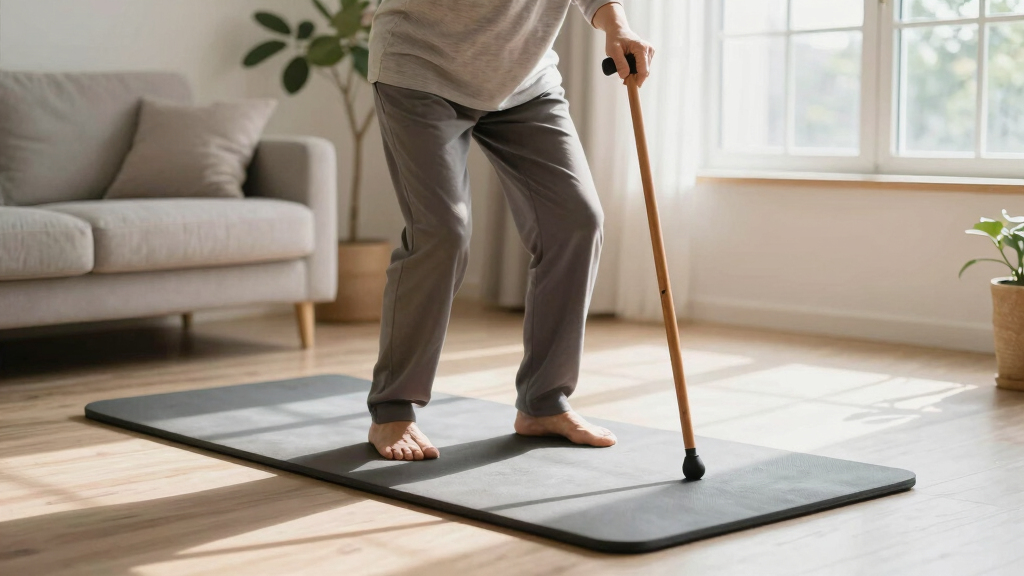
tai chi balance exercise for seniors
As an affiliate, we earn on qualifying purchases.
As an affiliate, we earn on qualifying purchases.
Easy Home Changes That Keep You Safe
Your home’s layout can help or hinder your balance. Simple modifications make a big difference, especially when they address common risk factors like poor lighting, clutter, and unstable surfaces. Think of your home as a country path—well-maintained, even, and well-lit—so your daily routines are safe and smooth. These small adjustments reduce the likelihood of trips and falls, which are often caused by preventable hazards.
Here are some quick updates and why they matter:
- Install grab bars in the bathroom near the toilet and shower—these provide a reliable handhold that supports your body when transitioning from sitting to standing, significantly reducing the risk of slips during these vulnerable moments.
- Remove clutter and loose rugs—clutter can obscure walking paths, and loose rugs are notorious for causing trips. Clearing these creates a safer walking environment, especially if your vision isn’t perfect or if you’re moving quickly.
- Use non-slip mats in the kitchen and bathroom—these surfaces prevent slips on wet or uneven floors, which are common accident sites in a home.
- Ensure good lighting—swap out dim bulbs for bright LEDs, and consider motion-activated lights in hallways—these improve visibility and help you see obstacles before they become hazards.
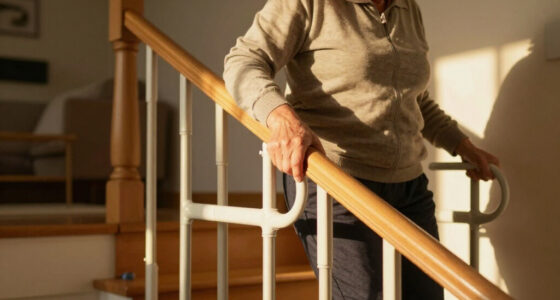
One of Huckfarm’s clients added a sturdy handrail along her staircase—an easy yet impactful modification. This simple change provided her with a sense of security on every step, illustrating how small adjustments can have profound safety implications, enabling you to move freely and confidently in your home.
As an affiliate, we earn on qualifying purchases.
Tools That Help You Stay Balanced and Confident
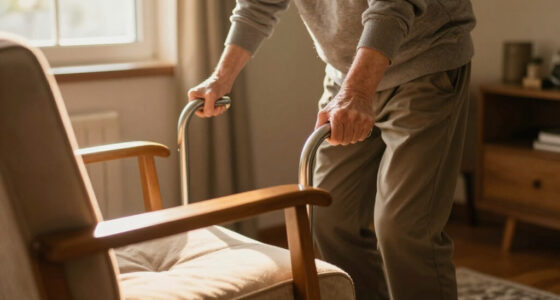
Supportive tools aren’t just for emergencies—they’re everyday allies that can enhance your independence by providing stability and awareness. Choosing the right tool depends on your individual needs, environment, and comfort level. For example, a cane offers extra support on uneven ground, but if you need more stability indoors, a walker might feel more secure. Balance monitors and smartphone apps can help you track your stability over time, giving you real-time feedback and motivation to keep practicing.
Here’s a quick comparison, with insights into why each might matter:
| Tool | How It Helps | Best For |
|---|---|---|
| Walking Cane | Provides extra support on uneven ground, reducing wobbling and helping with quick adjustments if you feel unsteady. | Short outings, garden walks, or navigating uneven surfaces where extra stability is needed. |
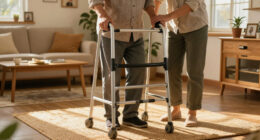
| Walker | Offers a broader base of support, especially useful if you experience balance issues over longer periods or need to rest frequently. | Indoor and outdoor use, especially when walking longer distances or standing for extended periods. |
| Balance Monitors | Track your stability patterns and alert you to imbalances, helping you identify when your balance may be deteriorating so you can adjust routines or seek help. | Regular practice and monitoring, especially if you want to become more aware of subtle changes in your balance. |
| Smartphone Apps | Provide guided exercises, reminders, and safety alerts—these tools turn technology into personal trainers, encouraging consistent practice and awareness. | Daily routines, mental focus, and motivation—helping to integrate balance exercises seamlessly into everyday life. |
For example, one country-living lady uses a simple step-counter app to remind herself to stand on one leg for a minute each morning. This small habit, reinforced daily, gradually builds confidence and improves balance, proving that accessible, easy-to-use tools can make a big difference.
As an affiliate, we earn on qualifying purchases.
The Newest Tech to Keep You Steady
Technology is making it easier than ever to stay balanced by offering innovative, accessible solutions that integrate seamlessly into daily life. Virtual reality balance training, for example, provides gentle, guided exercises in a controlled environment that can be tailored to your comfort level. Imagine putting on a headset and gently swaying along a peaceful country trail, improving your stability without leaving your living room. This immersive experience not only enhances physical balance but also promotes mental well-being by creating a calming, engaging activity.
Smart home sensors are another breakthrough—these devices monitor your movement patterns and can alert you if you’re near a fall risk zone or if your gait shows signs of imbalance. These alerts can prompt you or a caregiver to take action before a fall occurs, effectively turning your home into a proactive safety zone. The tradeoff here is that technology requires some initial setup and learning, but the long-term benefits include increased independence and peace of mind.
According to an anonymous Huckfarm researcher, early trials of VR balance exercises show promising results—improving stability and confidence in seniors, and making balance practice more engaging and less intimidating than traditional exercises. As technology continues to evolve, these tools will become more user-friendly and affordable, opening new pathways for maintaining mobility and independence in later years.
balance support cane with LED light
As an affiliate, we earn on qualifying purchases.
As an affiliate, we earn on qualifying purchases.
How to Make Gentle Habits Part of Your Daily Life
Building balance-friendly routines is easier than you think. The key is to start with small, manageable steps that fit seamlessly into your daily schedule, gradually building habits that become second nature. Consistency is more important than intensity—regular, gentle practice reinforces neural pathways and muscular memory, making stability feel natural rather than effortful.
For example, you might:
- Morning: Stand on one leg while waiting for your tea to steep, holding onto a sturdy chair—this helps train your body’s awareness and strength early in the day.
- Afternoon: Take a slow, mindful walk around your garden, paying close attention to your footing, breathing, and surroundings—this not only improves physical balance but also promotes mental calmness.
- Evening: Practice gentle stretches or breathing exercises to relax your muscles and mind, preparing you for restful sleep and reinforcing a sense of control over your body.
Remember, the goal is to create habits that are sustainable and enjoyable. Over time, these small, consistent actions accumulate, building resilience and confidence. Incorporating these gentle practices transforms balance from a challenge into a natural part of your daily rhythm, helping you maintain independence and vitality well into the future.
Frequently Asked Questions
What are some easy exercises I can do at home to improve my balance?
Simple routines like heel-to-toe walks, seated leg lifts, and slow tai chi movements are gentle yet effective. Even just a few minutes each day can help strengthen your legs and improve stability.
How can I make my home safer without turning it into a fortress?
Focus on small changes: remove loose rugs, add grab bars in key spots, improve lighting, and keep pathways clear. These simple steps make a big difference in preventing falls while keeping your home cozy and inviting.
Are there tools or devices that can help me stay balanced?
Yes. Canes, walkers, balance monitors, and smartphone apps can support your stability. Choose what feels natural for your routine and comfort, and don’t hesitate to ask for help fitting them into your daily life.
Can mental practices help with physical balance?
Absolutely. Practices like mindfulness and gentle breathing reduce stress and improve focus, which in turn can enhance your sense of stability and confidence in movement.
What new technologies are making balance maintenance easier?
Virtual reality balance exercises and smart sensors are emerging tools that provide safe, engaging ways to practice stability. These innovations are designed to support your independence and peace of mind at home.
Conclusion
Keeping your balance is a journey, not a sprint. Small, gentle habits paired with simple tools can create a sturdy foundation for years of confident country living. Take a moment each day to nurture your stability—your future self will thank you.
Picture yourself walking along a country lane, steady and sure, surrounded by the sights and sounds you love. That peace of mind begins with the gentle steps you take today.
Cold & flu season Picks
humidifiers
As an affiliate, we earn on qualifying purchases.