
TL;DR

Turn quiet afternoons into listening time
- Thousands of audiobooks, podcasts and originals
- Listen on your phone, tablet or Echo — also offline
- Cancel anytime
Transfer aids like grab bars, transfer belts, and stand-assist devices help reduce effort and improve safety when standing. Proper selection and use boost confidence and independence, with recent tech innovations making transfers smoother and safer.
Imagine the simple act of standing up — suddenly feeling like climbing a small hill. If you or a loved one face mobility hurdles, that effort can turn into a daunting task. But with the right transfer aids, standing up becomes less of a struggle, more of a confident step.
This guide walks you through the most helpful transfer aids, what makes them work, and how to use them safely. Whether you’re recovering from an injury or managing age-related strength changes, understanding these tools can transform everyday moments into more independent, comfortable routines.
Choosing the right transfer aid depends on your mobility level and environment; a tailored approach improves safety and confidence.
Modern transfer devices now include smart, lightweight options that make your daily transfers smoother and less tiring.
Proper training and regular maintenance are essential to prevent accidents and maximize the benefits of transfer aids.
Incorporating simple aids like grab bars can dramatically boost independence in everyday routines.
Always consult a healthcare professional for personalized advice before selecting or using transfer aids.
Transfer Aids That Make Standing Up Feel Easier
TL;DR: Transfer aids like grab bars, transfer belts, and stand-assist devices reduce effort, improve safety, and help everyday standing feel less like climbing a small hill.
The right support turns a risky rise into a calmer, more confident routine.
Selection depends on strength, balance, environment, and whether the transfer is independent or caregiver-assisted.
Choose support by how much help the body needs.
Simple aids can add leverage; advanced devices can provide full support. The safest choice matches the person, the room, and the transfer pattern.
Grab Bars & Handrails
Mounted or portable supports near bathrooms, beds, and favorite chairs provide immediate balance and push-off help.
Best fit: mild to moderate balance support.Transfer Belts
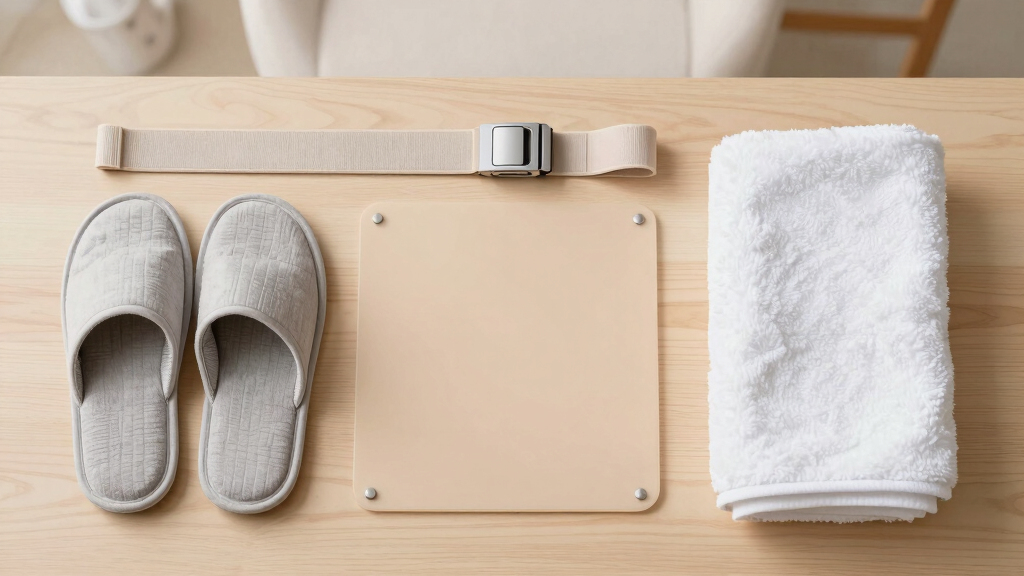
A gait belt gives caregivers a secure hold while helping someone stand, pivot, or steady themselves.
Best fit: assisted standing with training.Transfer Boards
Rigid or flexible slide boards bridge gaps between surfaces, reducing friction during seated transfers.
Best fit: guided movement between seats.Standing Frames & Lifts
Manual or powered sit-to-stand devices support the body through the rise when strength or balance is limited.
Best fit: severe mobility challenges.Which transfer aid matches the moment?
Use this table as a starting point, then confirm fit with an occupational therapist, physical therapist, or qualified clinician.
| Type of Aid | Best For | Independence | Caregiver Support | Setup Complexity | Key Features |
|---|---|---|---|---|---|
| Grab Bars | Bathrooms, bedsides, chairs, balance support | ✓ | ~ | Low to medium | Simple leverage, non-slip grip, fixed or portable options |
| Transfer Belts | Standing with caregiver assistance | ✗ | ✓ | Low | Adjustable waist fit, secure caregiver handholds, quick use |
| Transfer Boards | Bridging gaps between chairs, beds, and wheelchairs | ~ | ~ | Medium | Low-friction surface, portable design, practice required |
| Powered Lifts | Severe mobility limits and high-support transfers | ~ | ✓ | High | Remote control, brakes, sensors, stable powered rise |
A safer stand starts before the first push.
Rushing is where many transfers become risky. A repeatable sequence keeps the device, body, and room working together.
Mobility Level
Can the person stand with light support, or is full assistance needed?
Aid to Space
Check chair height, bathroom width, bed position, and turning room.
Device Stability
Confirm locks, brakes, anchors, weight rating, and grip surfaces.
Technique
Use professional training for posture, timing, and caregiver body mechanics.
Maintain Fit
Inspect wear and update the setup as strength, balance, or routine changes.
Support ranges from simple leverage to full mechanical assistance.
The most useful aid is not always the most complex one. Start with the smallest safe support, then scale up when the body or setting requires it.
Complexity Spectrum
Basic transfer belts and grab bars are widely available for home use. Powered lifts and smart systems add sensors, remote controls, automatic brakes, and modular parts for higher-support transfers.
The device helps, but habits carry the transfer.
Regular checks and trained technique protect both the person standing and the caregiver assisting.
Inspect Before Use
Look for wear, loose fasteners, corrosion, damaged belts, unstable bases, or failing brakes before weight is applied.
Clear the Route
Remove clutter, secure rugs, improve lighting, and keep the target surface close enough to avoid twisting.
Get Trained
Healthcare professionals can teach positioning, body mechanics, and the safest device choice for changing needs.
How better transfers build independence.
A good setup connects the person, environment, support level, and training into one repeatable routine.
What is best for severe mobility issues?
Powered lifts or full-support standing frames are often most effective, but they should be selected after professional assessment.
Can transfer aids be used independently?
Some aids promote independence, especially grab bars and certain stand-assist tools. Others require supervision or caregiver help.
Are there affordable home options?
Yes. Transfer belts, basic grab bars, and portable handrails are typically more affordable than powered lift systems.
How do you learn safe technique?
Ask an occupational therapist, physical therapist, nurse, or trained mobility professional to demonstrate and supervise practice.
What are transfer aids and why do they make standing easier?
Transfer aids are devices designed to support your body during movement, especially when rising from seated positions. They help reduce the effort needed, improve safety, and boost confidence. Think of them as your helpful partners in everyday mobility.
For example, a sturdy grab bar next to your favorite armchair or a transfer belt around your waist can make a noticeable difference. They are especially useful if your muscles are a bit tired or your balance isn’t as steady as it used to be.
Proper use of transfer aids not only makes standing easier but also plays a crucial role in preventing falls and reducing strain on caregivers. When used correctly, these devices can help maintain independence longer, delay the need for full assistance, and foster confidence in daily routines.
As an affiliate, we earn on qualifying purchases.
Which transfer aids are best for your needs? Here’s a quick comparison
| Type of Aid | Best For | Key Features |
|---|---|---|
| Transfer Boards | Bridging gaps between seat and standing surface | Rigid or flexible, portable, requires some guidance |
| Transfer Belts | Assisted standing with caregiver support | Adjustable, secure grip, easy to wear |
| Standing Frames & Mechanical Lifts | Full support during stand-up | Powered or manual, stable, suited for severe mobility issues |
| Grab Bars & Handrails | Leverage and balance support | Mounted or portable, simple to use, versatile |
Choosing the right aid depends on your strength, environment, and whether you prefer to do it alone or with help. For example, a transfer board provides a smooth, low-friction surface ideal for transferring between surfaces with minimal effort, but it requires some guidance and practice. Conversely, grab bars offer immediate leverage and support, especially in fixed locations like bathrooms, but may not be suitable for all environments or users with severe mobility limitations. Understanding these tradeoffs helps ensure you select the most effective device for your specific needs and reduces the risk of misuse or accidents.
As an affiliate, we earn on qualifying purchases.
How to choose the right transfer aid for your home or care setting
Picking the right transfer aid is like choosing a good pair of shoes — it has to fit your needs perfectly. Here’s a simple step-by-step:
- Assess your mobility level honestly. Can you stand with minimal support? Or do you need full assistance? Recognizing your capabilities helps determine whether a device should augment your strength or provide full support.
- Consider your environment. Is it a small bathroom, a cozy living room, or a hospital bed? The layout and space influence what types of aids are practical and safe to use.
- Think about safety features. Does it have non-slip surfaces? Is it adjustable or sturdy enough? These features can prevent slips and falls, which are common risks during transfers.
- Test different aids if possible. Visit a local supplier or demo at a rehab center. Hands-on experience provides insight into how a device feels and whether it suits your daily routines.
- Consult a healthcare professional for personalized advice. They can evaluate your specific needs and recommend devices that balance support with ease of use, considering any medical conditions or limitations.
For example, if you enjoy gardening but struggle to stand for long, a portable grab bar and a sit-to-stand aid can make your yard work more enjoyable and less risky. Investing time in choosing the right device ensures safety, enhances independence, and minimizes frustration during transfers.
As an affiliate, we earn on qualifying purchases.
Recent innovations making transfers safer and easier
Technology is making a real difference in transfer aids. Powered lifts and smart devices are now more lightweight, intuitive, and adaptable. For example, some lifts can be controlled with a remote or smartphone, reducing physical strain. These advancements mean users can operate devices with minimal effort, increasing safety and independence.
Lightweight, portable devices are now a reality — perfect for home use or outings. Safety features like automatic brakes, anti-slip materials, and modular designs mean fewer worries during transfers. This reduces the physical effort required and minimizes the risk of accidents caused by device instability.
One inspiring trend: modular systems that can be customized to fit your changing needs. If you start with simple grab bars, you can add a powered lift later as needed. This flexibility allows users to adapt their equipment over time, ensuring ongoing safety and independence as mobility levels change. These innovations collectively aim to make transfers less intimidating and more reliable, encouraging users to stay active and engaged.
As an affiliate, we earn on qualifying purchases.
What safety precautions should you keep in mind?
Using transfer aids safely is key to avoiding injuries. Always ensure the device is in good condition and properly installed. Regularly inspect for signs of wear, corrosion, or damage, and replace or repair as needed. Never rush — take your time when positioning yourself or your loved one, as hurried transfers increase the risk of slips or falls.
Training from a healthcare professional is invaluable. They can show you how to use the device correctly, including proper body mechanics and transfer techniques, which significantly reduces the chance of accidents. Keep walkways clear of clutter and ensure the area around the device is well-lit. Double-check that the aid is stable and securely attached before applying your weight.
Remember, even the best device can’t replace good habits. Regularly inspect aids for wear and tear, and ask for help if you’re unsure about a transfer technique. Developing a routine with proper precautions ensures safety, confidence, and long-term effectiveness of transfer aids.
Frequently Asked Questions
What is the best transfer aid for someone with severe mobility issues?
For severe mobility challenges, powered lifts or full support standing frames are often most effective. These devices provide the stability needed to stand safely, often requiring professional assessment and installation.How can I learn to use transfer aids safely at home?
Seek guidance from a healthcare professional or occupational therapist who can demonstrate proper techniques. Many organizations also offer instructional videos and resources to help you practice safely.Are transfer aids difficult to operate?
Most transfer aids are designed for user-friendliness, but some require initial instruction. Once familiar, many aids become intuitive, especially with proper training and practice.Can I use transfer aids independently?
Many aids support independence, but it depends on your mobility level. For some, supervision or assistance ensures safety during transfers, especially with more advanced devices.What maintenance do transfer aids need?
Regularly inspect for wear and tear, clean according to manufacturer instructions, and ensure all moving parts are functioning smoothly. Proper upkeep helps prevent accidents and prolongs device life.Conclusion
Remember, the act of standing up doesn’t need to feel like climbing a mountain. The right transfer aid, used correctly, turns that effort into a gentle step. It’s about reclaiming independence, one safe and steady move at a time.
So, take a moment to evaluate your needs, explore your options, and don’t hesitate to ask for expert advice. Your confidence in standing up can be just a simple device away — and that can change everything.
Cold & flu season Picks
humidifiers
As an affiliate, we earn on qualifying purchases.