
TL;DR

Turn quiet afternoons into listening time
- Thousands of audiobooks, podcasts and originals
- Listen on your phone, tablet or Echo — also offline
- Cancel anytime
Choosing a cane that suits your height and grip is key to safe mobility. Measure your wrist height for the right length, pick ergonomic grips for comfort, and consider lightweight, durable materials. Proper fit reduces fall risk and enhances confidence every step of the way.
Imagine walking through your garden, the sun warm on your back, the scent of blooming roses in the air. Your cane feels like an extension of your arm—solid, comfortable, just right. Choosing the right cane isn’t about style alone; it’s about safety, comfort, and independence.
If your cane is too tall or too short, or if the grip slips in your hand, your balance can suffer. That tiny misfit could lead to a stumble or fall. In this guide, you’ll learn how to pick a cane that aligns with your height and grip preferences, helping you stay steady and secure with country charm.
Always measure from the floor to your wrist when standing upright for proper cane height.
Choose ergonomic grips—cushioned or gel—especially if you have arthritis or weak grip strength.
Opt for lightweight materials like aluminum or carbon fiber for easier handling and transport.
Prioritize safety features such as non-slip rubber tips and sturdy construction.
Pick a style that makes you feel confident—your comfort and attitude matter as much as safety.
Choose a Cane That Feels Like Steady Confidence
Safe mobility starts with fit. The best cane meets your wrist at the right height, gives your hand a secure grip, and keeps every step light, balanced, and comfortable.
Proper fitting can meaningfully reduce fall risk by improving balance, posture, and control.
A gentle bend helps distribute weight without forcing your shoulder, wrist, or back.
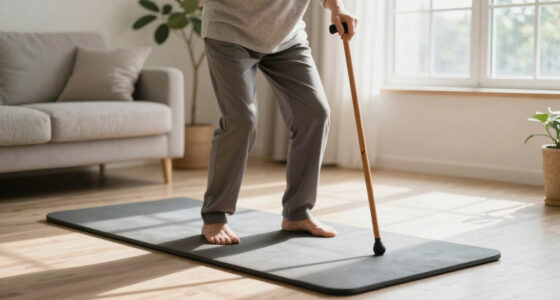
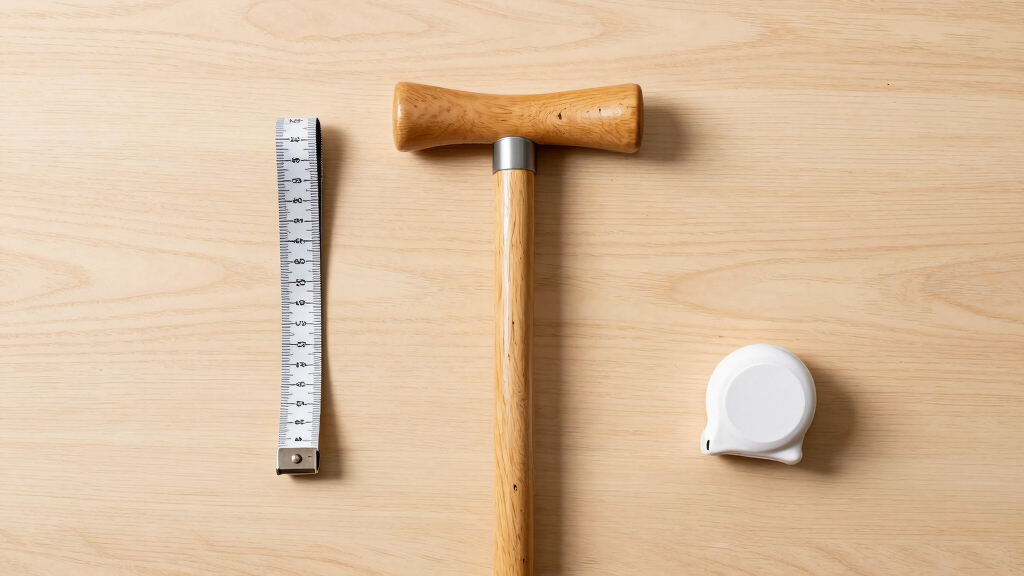
Measure from the floor to your wrist crease while standing upright in your normal shoes.
Top of cane aligns with the wrist crease.
Comfort matters, but slip resistance comes first.
Aluminum and carbon fiber reduce handling fatigue.
Non-slip rubber tips stabilize wet or uneven ground.
Measure Once, Walk Better
Stand tall with shoulders relaxed and your arm hanging naturally. The cane handle should meet your wrist crease, creating a slight elbow bend when you hold it.
Measure on a flat surface while wearing the shoes you use most often.
Stand Upright
Relax your shoulders and keep your arm at your side. Do not bend forward to meet the cane.
Find Wrist Crease
Measure from the floor to the crease of your wrist. A 34-inch wrist height usually means a 34-inch cane.
Check Bend
When gripping the cane, your elbow should bend gently about 15 to 20 degrees.
Your Cane’s Handshake Matters
The grip should feel secure without pressure points. Ergonomic, padded, gel, or cushioned grips are especially helpful for arthritis, stiffness, or limited hand strength.
A slick or painful grip can reduce control, especially on wet paths or uneven ground.
Shape
Choose an ergonomic contour that follows your hand instead of forcing it flat.
Texture
Rubber, foam, cork, leather, gel, and cushioned surfaces all feel different in daily use.
Size
The handle should fill your hand without feeling bulky, slippery, or painful.
Confidence
When your hand trusts the grip, your posture and rhythm become steadier.
Weight, Durability, and Style
Daily canes need to be sturdy enough for support and light enough to handle repeatedly. Material choice shapes comfort, portability, and long-term use.
Aluminum and carbon fiber usually offer the best balance of lightness and durability.
| Material | Weight | Durability | Appearance | Everyday Fit |
|---|---|---|---|---|
| Aluminum | ✓ Lightweight | ✓ Durable and rust-resistant | Wide range of colors and styles | ✓ Strong daily choice |
| Carbon Fiber | ✓ Very lightweight | ✓ Strong, stiff, less prone to bending | Sleek, modern look | ✓ Best for active users |
| Wood | ~ Heavier | ~ Strong but wears over time | Classic, warm aesthetic | ~ Charming but less portable |
| Decorative Fashion Cane | ~ Varies | ✗ Must verify build quality | High personality and pattern variety | ~ Choose only with safety features |
Light but Dependable
A lightweight cane reduces arm fatigue and makes it easier to lift, carry, and use consistently throughout the day.
Personality With Traction
Color, pattern, and charm are welcome, but the cane still needs a secure grip, sturdy shaft, and non-slip rubber tip.
Style Meets Safety
Recent cane designs add carbon fiber, folding mechanisms, ergonomic customization, LED lights, and smart sensors while keeping the core fit rules the same.
Smart features never replace correct height, grip comfort, and stable contact with the ground.
Measure wrist height before buying or adjusting.
Test several grip shapes for pressure and slip.
Choose aluminum or carbon fiber for daily handling.
Inspect the rubber tip for traction and wear.
Select a style that makes regular use feel natural.
How the Right Cane Reduces Risk
A good cane decision connects small details into a safer walking experience: correct height, better posture, controlled grip, stable tip, and greater confidence.
Comfort and confidence encourage regular use, which supports independence.
Height
Wrist-level fit
Posture
Upright stance
Grip
Less strain
Tip
More traction
Balance
Better control
Confidence
Steadier steps
Elbow Bend Sweet Spot
The ideal holding position keeps your elbow gently bent. Too tall can strain the shoulder and back; too short can force awkward lifting.
Jane’s Better Walk
A lightweight aluminum cane with a gel grip and a decorative pattern made daily walks easier, safer, and more enjoyable.
Fast Answers Before You Choose
The best cane is not just measured correctly. It also feels comfortable in your hand, matches your daily routine, and includes essential safety features.
Ask a mobility expert or therapist if you have pain, weakness, or changing support needs.
How do I know if my cane is the right height?
Stand upright with relaxed shoulders and measure from the floor to your wrist crease. The handle should reach this point.
What grip works best for arthritis?
Ergonomic, padded, cushioned, or gel grips often reduce hand pressure and make longer walks more comfortable.
Are adjustable canes better?
Adjustable canes offer flexibility for changing needs, while fixed-height canes may feel more stable for some users.
How do I keep style from reducing safety?
Choose a design you like, then confirm the cane has a sturdy shaft, secure grip, proper weight, and non-slip tip.
How to Measure Your Cane Height for Perfect Fit
Getting the height just right is the first step. When you stand upright with your shoulders relaxed, let your arm hang naturally at your side. The top of your cane should be level with the crease of your wrist. This ensures your elbow has a gentle 15-20 degree bend when holding the cane.
For example, if you measure from the floor to your wrist and it’s 34 inches, your cane should roughly be that length. An improperly sized cane—either too long or too short—can cause discomfort or imbalance, increasing fall risk.
Pro tip: When measuring, wear comfortable shoes and stand on a flat surface. Adjust your cane to match this measurement for a snug, supportive fit.
Choosing the correct cane height is crucial because it directly influences your posture and stability. A cane that’s too long can cause you to lean forward, straining your back and making you more prone to falls. Conversely, a cane that’s too short can force you to lift your arm unnaturally, leading to discomfort and reduced control. Proper height ensures your weight is evenly distributed, and your posture remains upright, which is essential for maintaining balance and reducing fatigue during walks.
As an affiliate, we earn on qualifying purchases.
Choosing the Right Grip for Comfort and Control
The grip is your handshake with your cane. A comfortable grip feels secure yet gentle in your hand, especially if you have arthritis or limited hand strength. Common materials include rubber, foam, cork, and leather. Ergonomic shapes that conform to your hand’s natural curve tend to reduce fatigue and pressure points.
For example, if your hands tire easily or feel stiff, a gel-filled or cushioned grip can make walking feel less like a workout and more like a dance across your garden path.
Remember: Your grip should fit comfortably without slipping or causing pain. Test different textures and shapes to find your best match—your hand will thank you.
Choosing the right grip is more than a matter of comfort; it impacts your safety. A secure grip prevents the cane from slipping, especially on uneven or wet surfaces. If the grip is too hard or slick, you might lose control, risking a fall. Conversely, a grip that’s too soft or bulky can cause hand fatigue or reduce your ability to maneuver precisely. Ergonomic and cushioned grips help distribute pressure evenly, reducing strain and enhancing your confidence during each step. The tradeoff often lies in style versus function—selecting a grip that balances aesthetic appeal with practical safety features is key for long-term use.
lightweight aluminum cane with non-slip tip
As an affiliate, we earn on qualifying purchases.
As an affiliate, we earn on qualifying purchases.
Comparing Cane Materials and What They Mean for You
| Material | Weight | Durability | Appearance |
|---|---|---|---|
| Aluminum | Lightweight | Highly durable, rust-resistant | Variety of colors and styles |
| Carbon Fiber | Very lightweight | Stronger and stiffer, less prone to bending | Sleek, modern look |
| Wood | Heavier | Strong but prone to wear over time | Classic, warm aesthetic |
For daily use, aluminum or carbon fiber canes are perfect—they’re sturdy yet light enough for easy handling. Wooden canes bring a country charm but may be less practical if you need to carry or lift often.
Understanding the implications of each material helps you balance durability with weight and style. Aluminum offers a lightweight yet resilient option, suitable for those who need a reliable support without added fatigue. Carbon fiber pushes this further with an ultra-light profile and high stiffness, ideal for active individuals. Wooden canes, while attractive and traditional, tend to be heavier and less resistant to wear, which can impact long-term durability. Your choice should reflect your daily activity level, strength, and aesthetic preferences, ensuring your cane remains a dependable companion that complements your lifestyle.
cane with cushioned grip for arthritis
As an affiliate, we earn on qualifying purchases.
As an affiliate, we earn on qualifying purchases.
Latest Trends in Canes: Style Meets Safety
Today’s canes aren’t just about function—they’re about flair. The newest models feature lightweight carbon fiber, stylish colors, and even foldable designs that slip into your bag. Some incorporate smart tech, like fall sensors or LED lights, adding safety without sacrificing charm.
Imagine a cane with a polished wooden handle, a bright red shaft, and a built-in LED flashlight—perfect for evening strolls. These options make it easier to stay active and express your personality.
Remember: Style should never compromise safety. Look for non-slip tips and sturdy construction, regardless of design. The latest innovations show that safety and fashion can go hand-in-hand, giving you peace of mind while allowing you to showcase your personality. Choosing a trendy cane with safety features ensures you don’t have to sacrifice function for style, making every walk both secure and fashionable.
As an affiliate, we earn on qualifying purchases.
Practical Tips to Pick a Cane That Fits You Best
- Measure your wrist height—this is the gold standard for cane length.
- Test different grips—feel which one offers the best comfort and grip security.
- Choose lightweight, durable material—aluminum or carbon fiber are top choices.
- Look for non-slip tips—your safety depends on it.
- Pick a style that makes you feel good—confidence boosts balance.
Remember: The right cane isn’t just about measurements; it’s about how it makes you feel. Comfort and confidence are key to encouraging regular use and maintaining your independence. Take your time testing different options, and don’t hesitate to seek advice from mobility experts or therapists who can help you select the best fit for your unique needs.
Frequently Asked Questions
How do I know if my cane is the right height?
Stand upright with your shoulders relaxed, and measure from the floor to your wrist. Your cane should reach this point, providing a gentle elbow bend when you hold it. This ensures proper support and reduces strain.What grip type is best for someone with arthritis?
Ergonomic, padded, or gel grips are ideal. They reduce hand fatigue and pressure, making walking more comfortable, especially if your hands tend to ache or feel stiff.Are adjustable canes better than fixed-height ones?
Adjustable canes offer flexibility for different users or changing needs, but fixed canes can provide more stability. Choose based on your lifestyle and whether you need to change height often.How do I pick a stylish cane without compromising safety?
Look for canes with non-slip tips, sturdy construction, and ergonomic grips. Select a design that matches your personality—colorful patterns or classic wood—while keeping safety front and center.What materials are most durable for everyday use?
Aluminum and carbon fiber are both durable and lightweight, making them ideal choices for daily use. They resist rust and wear, so your cane stays reliable for years.Conclusion
Finding a cane that fits your height and grip isn’t just about comfort—it’s about reclaiming your independence with confidence. A well-chosen cane becomes a trusted companion on every walk, garden visit, or trip to the mailbox.
Remember: Measure carefully, test different grips, and select materials that suit your lifestyle. Your perfect fit is out there—ready to support your adventures with country charm and peace of mind.
Cold & flu season Picks
humidifiers
As an affiliate, we earn on qualifying purchases.