
TL;DR

Turn quiet afternoons into listening time
- Thousands of audiobooks, podcasts and originals
- Listen on your phone, tablet or Echo — also offline
- Cancel anytime
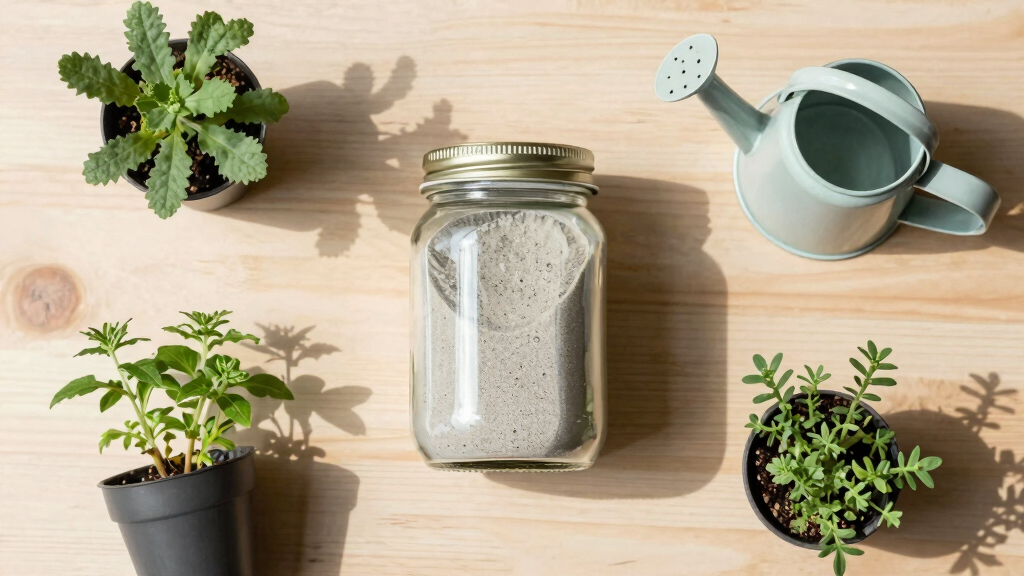
Feeding your plants naturally means using organic fertilizers, compost, and mulch to nourish your garden without chemicals. It’s better for the soil, plants, and the environment, and simple DIY options make it easy for everyone.
Ever notice how a garden feels more alive when you nurture it with care? Instead of relying on chemical fertilizers, feeding your plants naturally taps into the soil’s own magic. It’s about working with nature, not against it, creating a lush, healthy garden that’s gentle on the environment.
This simple guide will walk you through easy, practical ways to nourish your plants naturally. Whether you’re growing vegetables, flowers, or herbs, these methods help you produce vibrant, thriving plants while respecting the land you love.
Use compost and organic amendments regularly to build healthy, nutrient-rich soil.
Homemade fertilizers like banana peel tea and coffee grounds are effective and easy to make.
Observe your plants closely; yellowing or poor growth signals a need for more nutrients.
Gradually replace chemical fertilizers with natural options to improve soil health long-term.
Mulching with straw or leaves conserves moisture and enriches soil as it decomposes.
A Simple Guide to Feeding Your Plants Naturally
TL;DR: Feed the soil first. Compost, mulch, and gentle organic amendments nourish plants slowly, reduce shock, and build a living garden ecosystem without relying on synthetic chemicals.
Soil First
Healthy microbes break down organic matter and make nutrients available at the pace plants can actually use.
2-3 in.
A seasonal compost layer improves soil structure, aeration, water retention, and nutrient cycling.
Slow release means steadier growth.
Organic fertilizers often reduce plant shock while supporting long-term soil health.
N-P-K
Nitrogen, phosphorus, and potassium remain the major plant fuel trio.
High
Compost encourages beneficial microbes that release nutrients gradually.
Lower
Kitchen scraps and yard waste become plant food instead of landfill load.
Gentle
Natural feeds reduce overfeeding shock when applied with moderation.
Natural feeding builds a garden that can feed itself.
Instead of forcing quick growth with chemicals that may wash away, natural feeding adds organic matter. That improves soil texture, moisture retention, microbial activity, and resilience against stress.
Biological powerhouse
Add compost regularly to supply nutrients, improve aeration, and create a rich habitat for microbes that unlock plant food.
Targeted boosts
Bone meal, blood meal, seaweed extract, and fish emulsion correct specific needs when used carefully and sparingly.
Moisture shield
Straw, leaves, and bark suppress weeds, regulate soil temperature, and slowly decompose into more organic matter.
Boost your soil naturally in one simple loop.
Repeat this rhythm through the growing season. The payoff is healthier roots, steadier growth, and fewer emergency fixes.
Add compost
Work a 2-3 inch layer into the topsoil or use it as a top-dressing around established plants.
Feed precisely
Use organic amendments only where plants show need, then follow recommended quantities to avoid imbalance.
Mulch generously
Cover bare soil with straw, leaves, or bark to conserve water and keep the soil biology protected.
Natural fertilizers trade speed for lasting soil health.
Synthetic fertilizers can deliver fast results, but natural inputs improve the whole growing system. The best choice depends on whether you are solving today’s deficiency or building tomorrow’s resilience.
| Feature | Natural Fertilizers | Synthetic Fertilizers | Garden Impact |
|---|---|---|---|
| Source | ✓ Compost, manure, seaweed, meals | Chemically manufactured blends | Natural inputs add organic matter while feeding plants. |
| Release speed | ✓ Slow and steady | ~ Fast and immediate | Slow release lowers plant shock and supports longer feeding windows. |
| Soil structure | ✓ Improves texture and biology | ✗ Limited soil-building value | Compost and mulch help roots access air and water. |
| Runoff risk | ✓ Lower when applied well | ✗ Higher overfeeding risk | Natural feeding helps reduce nutrient loss after rain. |
| Learning curve | ~ Requires observation | ✓ Easy measured dosing | Natural feeding rewards patience and plant watching. |
Three kitchen-friendly recipes for everyday plant nutrition.
Homemade fertilizers are mild, accessible, and useful for regular maintenance. Use them as part of a balanced routine rather than a single miracle fix.
Banana peel tea
Soak peels in water for 2 days, then water plants with the liquid for a gentle potassium boost.
Coffee grounds
Sprinkle used grounds lightly around plants to add nitrogen and improve soil texture without over-acidifying.
Herbal infusion
Steep comfrey or nettle for a week, strain, then apply at the base or as a careful foliar spray.
Observe first, then feed with intention.
Yellowing leaves, slow growth, weak flowering, or pale stems often signal that nutrients are missing or unavailable. Natural remedies work best when matched to what the plant is telling you.
Do not wait for the whole plant to struggle.
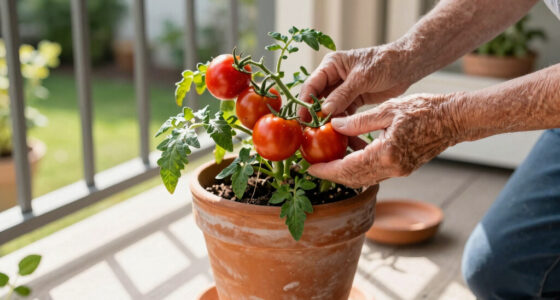
A tomato plant with pale yellow leaves may need iron, magnesium, or general soil support. Compost tea, seaweed extract, or fresh compost can help restore vigor while improving the soil around the roots.
Yellowing leaves
Check moisture first, then support with compost tea or seaweed extract.
Stunted growth
Build soil structure with compost and ensure roots are not compacted.
Poor flowering
Consider phosphorus-rich organic amendments such as bone meal in correct amounts.
Dry, stressed soil
Apply mulch to slow evaporation and protect the active soil layer.
Feeding intensity scale
Most home gardens thrive in the middle: steady compost, seasonal mulch, and targeted organic amendments only when plants show a need.
From scraps to stronger plants.
This is the natural feeding chain: turn waste into organic matter, let microbes unlock nutrients, and support plants with a healthier root environment.
Kitchen scraps
Fruit peels, greens, and garden clippings begin the loop.
Compost pile
Organic matter breaks down into rich soil food.
Microbes
Beneficial life releases nutrients slowly.
Roots
Plants absorb what they need with less shock.
Resilience
Soil holds more water and supports stronger growth.
Why Natural Feeding Works Better Than Chemicals
Natural feeding focuses on enriching your soil with organic matter, giving plants what they need without synthetic chemicals. This approach promotes a healthy balance of microbes that break down compost and organic fertilizers, releasing nutrients slowly and steadily. The significance of this lies in fostering a resilient garden ecosystem where beneficial microbes thrive, which in turn improves nutrient availability and suppresses harmful pests and diseases. Over time, this leads to healthier plants that are less dependent on external inputs.
For example, instead of chemical fertilizers that can leach away with rain and cause environmental pollution, composted kitchen scraps and yard waste provide a continuous, gentle feed that enhances soil structure and microbial activity. This creates a self-sustaining cycle, where healthy soil supports healthy plants, reducing the need for frequent interventions and minimizing ecological impacts.
As an affiliate, we earn on qualifying purchases.
How to Boost Your Garden Soil Naturally in 3 Easy Steps
- Add compost regularly. Incorporate a 2-3 inch layer of rich compost into your soil, which acts as a biological powerhouse. Compost not only supplies essential nutrients but also improves soil aeration and water retention. This creates an environment where beneficial microbes flourish, which are crucial for breaking down organic matter and making nutrients available to plants. The tradeoff is that composting takes time and effort, but the long-term benefits for soil vitality make it worthwhile.
- Use organic amendments. Bone meal, blood meal, and seaweed extract are concentrated sources of nutrients. When mixed into the soil, they provide targeted boosts that can correct deficiencies and promote specific plant needs. Understanding the implications, over-application can lead to nutrient imbalances or runoff, so it’s essential to follow recommended quantities. Proper use supports sustained plant growth and reduces reliance on synthetic fertilizers.
- Mulch generously. A thick layer of straw, leaves, or bark conserves moisture, suppresses weeds, and decomposes into organic matter that enriches the soil. Mulching also moderates soil temperature fluctuations, which benefits root health. The tradeoff is that mulch may harbor pests if not managed properly, but when used correctly, it creates a healthier, more stable environment for plants to thrive.
Imagine your flower beds bursting with color because of this simple routine. It’s like giving your garden a nourishing hug every season, which builds resilience against drought and pests over time.
As an affiliate, we earn on qualifying purchases.
Compare Natural and Synthetic Fertilizers Side by Side
| Feature | Natural Fertilizers | Synthetic Fertilizers |
|---|---|---|
| Source | Compost, manure, seaweed | Chemically manufactured |
| Release speed | Slow, steady | Fast, immediate |
| Environmental impact | Low, improves soil | Higher, can cause runoff and pollution |
| Plant safety | Gentle, reduces shock | Risk of overfeeding and root damage |
Choosing natural feeds supports your garden’s long-term health and sustainability. While synthetic fertilizers may deliver quick results, they often do so at the cost of soil structure and environmental quality. Natural options foster a thriving soil ecosystem that benefits plants and the planet alike, though they may require more patience and understanding of nutrient cycles.
As an affiliate, we earn on qualifying purchases.
DIY Organic Fertilizer Recipes You Can Make Today
- Banana Peel Tea: Soak banana peels in water for 2 days, then use the water to provide a gentle potassium boost. This method captures the nutrients in peels that would otherwise be discarded, turning waste into a beneficial supplement. The tradeoff is that the nutrient concentration is mild, so it’s best for regular use rather than a quick fix.
- Coffee Grounds: Sprinkle used coffee grounds around plants to add nitrogen and improve soil texture. Coffee grounds also help aerate compacted soil, promoting root growth. However, overuse can lead to acidity buildup, so moderation and balancing with other organic matter are key.
- Herbal Infusions: Steep herbs like comfrey or nettle in water for a week, then strain and spray on leaves or pour at the base. These infusions deliver micronutrients and plant hormones that stimulate growth and resilience. The implications include potential nutrient overload if applied excessively, so use as part of a balanced feeding routine.
Imagine your tomato plants thriving with this simple, natural supplement — it’s almost like feeding them a vitamin boost straight from your kitchen, supporting vigorous growth without synthetic chemicals.
As an affiliate, we earn on qualifying purchases.
Signs Your Plants Need More Natural Nutrition
Look for yellowing leaves, stunted growth, or poor flowering. These symptoms often indicate nutrient deficiencies or imbalances. Recognizing these signals is essential because it allows you to respond promptly with targeted organic remedies, like compost tea or foliar sprays, which can quickly correct deficiencies and promote recovery. Ignoring these signs can lead to weakened plants more susceptible to pests and diseases, underscoring the importance of attentive observation.
For example, a tomato plant with pale, yellowing leaves might be lacking iron or magnesium. Applying a seaweed extract or compost tea rich in these nutrients can restore vigor. Understanding these signs and their implications helps you maintain a resilient, productive garden over time.
How to Make the Switch from Chemicals to Natural Feeding
- Start small. Replace one synthetic fertilizing routine with compost or organic amendments to observe how your plants respond. This gradual approach minimizes risk and allows you to learn the specific needs of your garden.
- Observe your plants. Carefully monitor changes in growth, color, and flowering after each adjustment. These signs inform whether to increase or decrease organic inputs, helping you fine-tune your feeding strategy.
- Learn and adapt. Gradually phase out synthetic feeds, replacing them with homemade or organic options. Over time, this transition fosters richer soil and healthier plants, reducing chemical dependency and environmental impact. The process requires patience but yields a more resilient garden ecosystem.
Envision your garden becoming healthier year after year, with rich soil that supports every bloom and vegetable. The tradeoff is patience and initial effort, but the long-term gains in soil vitality and plant health are well worth it.
Switching isn’t overnight, but each step makes a difference. Your garden will thank you with more vibrant growth and fewer worries about chemicals.
Frequently Asked Questions
Can I use kitchen scraps to feed my garden plants?
Yes, kitchen scraps like vegetable peels, coffee grounds, and eggshells are excellent organic feeds. Composting these scraps creates rich soil that nourishes your plants naturally. This practice reduces waste and enhances soil microbial activity, which is vital for nutrient cycling and plant health.
How often should I feed my plants naturally?
Most plants benefit from a monthly feeding with compost tea or organic amendments. During peak growing seasons, you might increase frequency to support vigorous development. Regular observation is key—look for signs of nutrient deficiencies or excesses, and adjust accordingly to maintain a balanced, healthy garden ecosystem.
Are homemade fertilizers safe for all plants?
Generally, yes. Homemade solutions like herbal infusions and banana peel tea are gentle and safe when used appropriately. However, over-application can lead to nutrient imbalances or build-up of salts, which may harm sensitive plants. Always start with small amounts and monitor your plants’ responses, adjusting as needed for safety and effectiveness.
Will natural feeding control pests?
Natural feeding improves overall plant health, making them more resistant to pests and diseases. While it doesn’t directly target pests, healthier plants are less attractive to them and better able to recover from infestations. Combining good nutritional practices with natural pest deterrents, like companion planting and neem oil, enhances your garden’s resilience.
What is the best time to fertilize naturally?
Early spring and early summer are ideal for providing a nutrient boost, as plants begin active growth phases. Applying organic feeds when plants show signs of new growth or before flowering ensures they have the resources needed for optimal development. Timing your feeding to match growth cycles maximizes benefits and minimizes waste or runoff.
Conclusion
Feeding your plants naturally isn’t just good for your garden — it’s good for your soul. It’s about working with the land, not just on it, creating a vibrant, resilient space that’s a joy to tend.
Next time you’re in the garden, remember: a handful of compost, a splash of herbal tea, and a little patience can turn a tired patch into a lush paradise. Your plants will thank you — and so will the earth beneath your feet.
Cold & flu season Picks
humidifiers
As an affiliate, we earn on qualifying purchases.