
TL;DR

Turn quiet afternoons into listening time
- Thousands of audiobooks, podcasts and originals
- Listen on your phone, tablet or Echo — also offline
- Cancel anytime
Deadheading flowers without bending is simple with long-handled tools, ergonomic gadgets, and strategic placement. These methods reduce strain, prevent injury, and keep your garden tidy and blooming longer.
Imagine a garden where every blossom gets a gentle touch—no bending, no strain, just easy, satisfying care. If your back or knees aren’t what they used to be, that’s no reason to let your garden suffer. You can keep those flowers tidy and blooming, all while standing tall and comfortable.
In this guide, you’ll discover simple, proven techniques to deadhead your flowers without bending over. From long-handled tools to clever tips, these ideas make gardening safe, enjoyable, and just as rewarding as ever.
Long-handled, ergonomic tools are game-changers for deadheading without bending, reducing physical strain.
Regular deadheading every few days keeps your garden looking vibrant and healthy.
Elevating plants or using raised beds makes maintenance easier and safer for limited mobility.
Recent innovations, like telescoping tools with built-in guides, boost comfort and precision.
Safety gear and stable footing are essential for injury-free gardening, especially when using longer tools.
Why Deadheading Without Bending Matters for Your Garden and Body
Deadheading is more than just keeping your garden looking fresh. It’s a vital part of plant maintenance that encourages continual blooming, prevents seed formation, and helps control plant size. When flowers are deadheaded properly, plants allocate energy toward producing new blooms instead of seed development, resulting in a vibrant, long-lasting display.
For seniors or those with limited mobility, the physical act of bending can introduce risks such as muscle strain, joint pain, or falls. Over time, repeated bending can also lead to chronic back issues. Using long tools and standing techniques not only minimizes these risks but also promotes better posture and reduces fatigue. This approach supports a sustainable gardening routine that respects your body’s limits while ensuring your garden remains lush and colorful.
Furthermore, avoiding bending can improve overall safety: it reduces slips on uneven ground, prevents overreaching that could cause loss of balance, and diminishes the likelihood of accidental cuts or injuries. In the long run, these methods help you enjoy gardening as a healthy, safe activity that enhances both your physical well-being and the vitality of your plants.
long-handled flower pruning shears
As an affiliate, we earn on qualifying purchases.
As an affiliate, we earn on qualifying purchases.
The Best Tools to Deadhead Flowers Without Bending
Selecting the appropriate tools is crucial because they directly influence your comfort, safety, and the quality of your work. Long-handled tools extend your reach, allowing you to prune or deadhead from a standing position, which reduces strain on your back and knees. This extension also enables you to access awkward spots without risking slips or overreaching, thus preventing potential injuries.
Extendable floral snips and ergonomic scissors are designed for ease of use, reducing wrist fatigue and providing better control—important factors when working for extended periods. Elevated beds or containers placed at waist height eliminate the need to bend altogether, offering a more natural posture that minimizes joint stress.
Choosing the right tools involves considering the specific needs of your garden and your physical condition. For example, a gardener might attach extendable snips to a pole to reach high flowers or position raised beds to reduce bending. Investing in quality tools with comfortable grips and adjustable features can make a significant difference, turning a tedious chore into a manageable, even enjoyable task. Proper tool selection is a tradeoff: while some tools may be more expensive or require an initial learning curve, the long-term benefits include reduced fatigue, lower injury risk, and more consistent garden care.
ergonomic gardening tools for deadheading
As an affiliate, we earn on qualifying purchases.
As an affiliate, we earn on qualifying purchases.
How to Deadhead Flowers Without Bending in 4 Simple Steps
- Identify the spent flower: Recognize faded or wilted blooms that signal it’s time to prune. Removing these at the right stage encourages the plant to produce more flowers and prevents seed formation, which can drain energy from the plant. Proper identification ensures you don’t accidentally remove healthy blooms or disrupt the plant’s natural cycle.
- Position your tool: Extend your long-handled tool to reach the flower comfortably. Adjust your stance to maintain good posture—standing upright and keeping your back straight. Proper positioning minimizes unnecessary movements and strain, making the process more efficient and safer.
- Snip just above the leaf node: Make your cut just above a healthy set of leaves or a leaf node. This precise cut encourages new growth from that point, leading to more abundant blooms and a tidy appearance. Cutting at the right spot also reduces damage to the plant and promotes quicker healing.
- Repeat regularly: Deadhead your flowers every few days during peak blooming periods. Consistent removal of faded flowers prevents disease, pests, and seed buildup. This regular maintenance supports healthy, vigorous plants that continue to flourish, making your garden more beautiful and easier to manage over time.
Imagine standing comfortably on your garden path, reaching out with your extended tool to carefully prune each flower. This routine not only keeps your garden looking its best but also trains your plants to produce more blooms, resulting in a lush, vibrant display that’s easy to maintain and safe for your body.
As an affiliate, we earn on qualifying purchases.
Smart Innovations Making Deadheading Easier Than Ever
Technology continues to evolve, bringing innovative tools that address the specific needs of senior gardeners. Ergonomic handles reduce hand fatigue, while lightweight materials lessen overall effort. Telescoping designs now extend over 3 feet, allowing you to reach high or low flowers without bending or straining your back. Some advanced tools include built-in guides or markings to help you make precise cuts, promoting healthy regrowth and reducing the need for corrections.
These innovations are not just about convenience—they have deeper implications for your safety and gardening success. For example, a lightweight, extendable tool minimizes the physical effort required, making deadheading accessible even for those with limited strength or joint issues. The built-in guides help ensure proper pruning angles, preventing damage to the plant and supporting its long-term health. Over time, adopting these technologies can lead to more consistent, safer gardening practices, reducing the risk of injury and boosting your confidence in garden maintenance.
raised garden beds for easy gardening
As an affiliate, we earn on qualifying purchases.
As an affiliate, we earn on qualifying purchases.
Quick Tips for Deadheading in Small Gardens or Containers
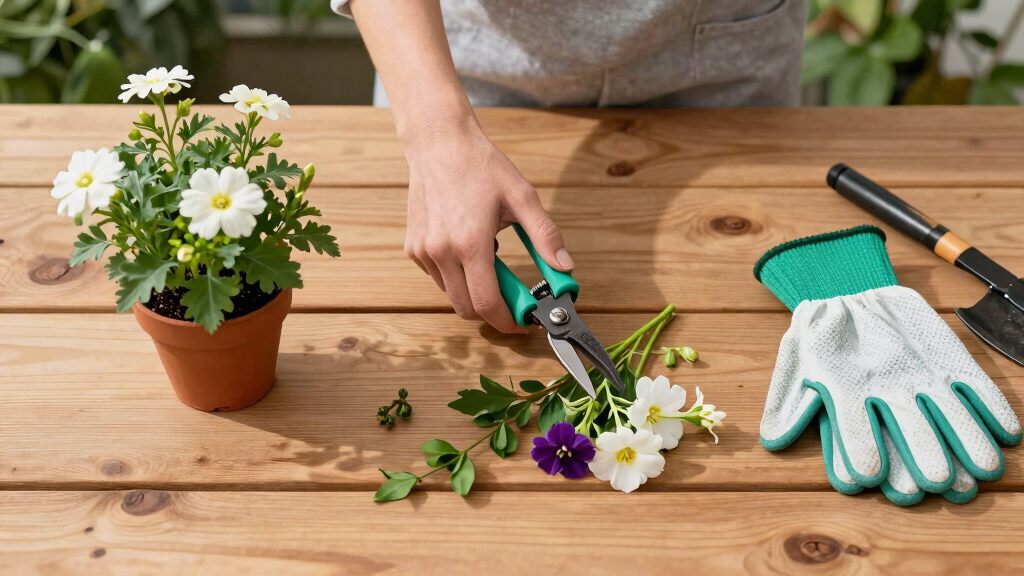
Small gardens and container plantings are ideal for standing deadheading because they typically allow easier access and better control. Placing containers on raised stands or tables at waist height reduces the need to bend, which can be uncomfortable or risky. Keep your tools within arm’s reach so you can make quick, precise cuts without unnecessary movement. Using small, sharp scissors for delicate flowers like petunias or alyssum allows for controlled, clean cuts that require less effort and minimize damage to the plant.
Additionally, taking regular breaks is important. Listening to your body and stopping when you feel fatigue helps prevent overexertion and injuries. Incorporate these habits into your routine to keep your garden healthy and your body safe. For example, a gardener might set up a row of potted herbs and flowers on a sturdy, waist-high table, making it effortless to prune and deadhead without strain. Elevating your plants and using appropriate tools ensures you maintain your garden efficiently while protecting your joints and muscles, making the task more manageable and enjoyable.
Safety Tips to Keep Your Gardening Pain-Free
Using long tools enhances safety by reducing the need to stretch or overreach, but incorporating safety practices ensures an injury-free experience. Always wear sturdy gloves to protect your hands from thorns, rough edges, or accidental cuts. Regularly inspect your tools for sharpness and integrity—dull blades require more force, increasing the risk of slips and injuries. Maintain a stable stance by keeping your feet shoulder-width apart, which improves balance and prevents falls, especially when reaching or applying force. Remember to take frequent breaks to stretch your muscles and avoid fatigue, which can lead to strains or accidents.
Imagine trimming your roses confidently, knowing you’re stable and protected. These precautions are essential, especially when working with extended tools, as they help you avoid common hazards like slips, cuts, or muscle strains. Consistent safety practices allow you to enjoy gardening as a relaxing, rewarding activity without pain or worry, regardless of your physical limitations.
Frequently Asked Questions
What tools are best for deadheading without bending?
Long-handled pruning shears, extendable floral snips, and ergonomic scissors are ideal. They reach high or low flowers while you stay upright, making deadheading safer and more comfortable.Can I deadhead all types of flowers without bending?
Most flowering plants respond well to deadheading without bending, but delicate or low-growing flowers may need gentle approaches or smaller tools. Know your plants’ needs for best results.How often should I deadhead my plants?
Aim to deadhead every few days during peak bloom, removing faded flowers promptly to encourage continuous flowering and keep your garden looking fresh.Are there plants I should leave alone when it comes to deadheading?
Yes, some wildflowers or seed-producing plants benefit from leaving flowers to set seed. Deadheading is mainly for ornamental plants to prolong their bloom time.Any safety tips for using long-handled tools?
Always wear gloves, check your tools for sharpness, maintain a stable stance, and take breaks. These steps help prevent accidents and keep your gardening safe and enjoyable.Conclusion
Staying comfortable is the secret to a flourishing garden—and a joyful gardening experience. With the right tools and techniques, deadheading becomes a simple, safe task you’ll look forward to every week.
Imagine yourself standing tall, scissors in hand, flowers looking perfect. That’s the country-gardening life—beautiful, easy, and full of quiet pride. So, grab your tools and enjoy the blooms, no matter your age or mobility.
Halloween Picks
halloween
As an affiliate, we earn on qualifying purchases.