
TL;DR

Turn quiet afternoons into listening time
- Thousands of audiobooks, podcasts and originals
- Listen on your phone, tablet or Echo — also offline
- Cancel anytime
Vertical gardening dramatically increases your planting area by growing upward. It saves you from bending and kneeling, making gardening easier and more accessible. Modern systems and sustainable practices make it a smart choice for anyone wanting to grow more with less hassle.
Imagine filling a blank wall with lush green herbs, vibrant flowers, or fresh vegetables without taking up much ground. That’s the magic of vertical gardening. It’s a clever way to turn small spaces into lively, productive gardens—perfect for those who want to enjoy gardening without the strain of bending or kneeling.
If you’re looking for a way to grow more while bending less, this guide will walk you through how vertical gardening works, the best systems for easy maintenance, and simple tips to get started today. It’s all about bringing country charm to your home with less effort and more beauty.
Vertical gardens can boost your planting space by up to 300%, making small areas highly productive.
Choosing the right system depends on your space, plants, and how much effort you want to put in.
Automated watering and sustainable materials make vertical gardening easier and more eco-friendly.
Start simple with herbs or flowers, and expand as you gain confidence and space.
Modern innovations like IoT sensors and modular designs are making vertical gardens smarter and more adaptable than ever.
Grow Upward, Harvest More, Bend Less
Vertical gardening turns blank walls, balconies, patios, and small yards into productive growing zones. By lifting herbs, flowers, greens, and vegetables into arm’s reach, it expands usable planting area while reducing kneeling, bending, hauling, and strain.
Vertical systems can increase usable planting area by up to 300% compared with ground-only layouts.
Raised pockets, towers, and wall panels keep routine care closer to eye level and easier on joints.
“A small footprint can become a lush, layered garden when the growing surface moves upward.”
Country charm, modern efficiencyMore room for greens, herbs, flowers, and small vegetables.
From pocket planters to automated hydroponic systems.
Self-watering and drip irrigation reduce daily effort.
Basil, mint, lettuce, spinach, petunias, and ferns are forgiving first choices.
Easy Gardening Starts With Height
Vertical gardens solve two problems at once: limited space and physical strain. Structures like panels, pockets, towers, trellises, and living walls let plants grow upward, making care more accessible for seniors, small-space gardeners, and anyone who wants beauty without constant crouching.
Less bending and kneeling
Plants placed at waist, chest, or eye level make watering, pruning, and harvesting more comfortable and less risky.
More plants in less ground
Walls and towers turn unused vertical surfaces into productive growing area, especially in patios, balconies, and urban yards.
A calmer routine
Organized, reachable planting encourages regular care, time outside, and a stronger connection with nature.
Compare the Main Vertical Garden Types
The right setup depends on your wall strength, available floor space, budget, preferred plants, and how much maintenance you want to handle.
| System Type | Best For | Ease of Use | Cost Range | Maintenance |
|---|---|---|---|---|
| Wall-mounted panels | Small walls, patios, indoor herb zones | ~ Moderate | $50-$300 | ~ Low to moderate |
| Pocket planters | Balconies, railings, small yards | ✓ Easy | $30-$150 | ✓ Low |
| Freestanding towers | Open yards, patios, flexible placement | ~ Moderate | $100-$400 | ~ Moderate |
| Hydroponic systems | Indoor gardens, high-yield growers | ✗ More complex | $200-$1000+ | ✓ Low with automation |
A Simple Upward-Growing Plan
Begin with a small, reachable system and expand once watering, weight, light, and plant choice feel predictable.
Measure the spot
Check wall strength, sun hours, water access, and whether you need a movable tower.
Pick the system
Use pockets for simplicity, panels for walls, towers for patios, or hydroponics for indoor yield.
Choose light plants
Start with herbs, lettuce, spinach, petunias, ferns, or compact vegetables.
Add easy watering
Install drip irrigation or self-watering containers to keep moisture steady with less lifting.
Prune and monitor
Trim regularly, watch for pests, and adjust light, nutrients, or spacing as plants mature.
Maintenance Gets Easier When the System Does More
Small upgrades make the biggest difference: lightweight growing media, sturdy supports, native plants, and automated watering reduce effort while improving plant health.
Use lightweight soil or hydroponic solution. Heavy soil strains structures and makes seasonal movement harder.
Add drip irrigation or self-watering planters. Consistent moisture prevents stress and reduces daily lifting.
Choose hardy, climate-suited plants. Native and easy growers need less pest control, watering, and attention.
Prune before crowding starts. Better airflow keeps plants healthier and the garden easier to reach.
Match Ambition to Effort
A beginner can start with a few fabric pockets of herbs. A confident grower might build a modular wall. A tech-friendly gardener can use sensors, pumps, and hydroponics for higher yields with more upfront complexity.
From simple to smart
Fabric pockets, herbs, flowers, hand watering.
Modular panels, drip lines, mixed edible plants.
IoT sensors, hydroponics, automated nutrients.
Trace the Benefits From Wall to Harvest
Unused vertical surface becomes growing area.
Plants rise to a more comfortable working height.
Drip lines keep moisture steady with less effort.
Herbs, greens, flowers, and small vegetables thrive.
Green walls support cooling, air quality, and biodiversity.
More beauty and food arrive from a smaller footprint.
The Smart Small-Space Garden
Vertical gardening is not just a space hack. It is a more accessible, adaptable, and sustainable way to garden at home.
Best first move
- Start small with herbs, lettuce, flowers, or ferns.
- Keep weight low with lightweight media and compact containers.
- Place plants within reach to reduce bending and overextension.
Best upgrade path
- Add drip irrigation for easier, steadier watering.
- Use modular systems so the garden can expand over time.
- Try smart sensors when moisture, light, and nutrients need closer tracking.
Why Vertical Gardens Are Perfect for Easy Gardening
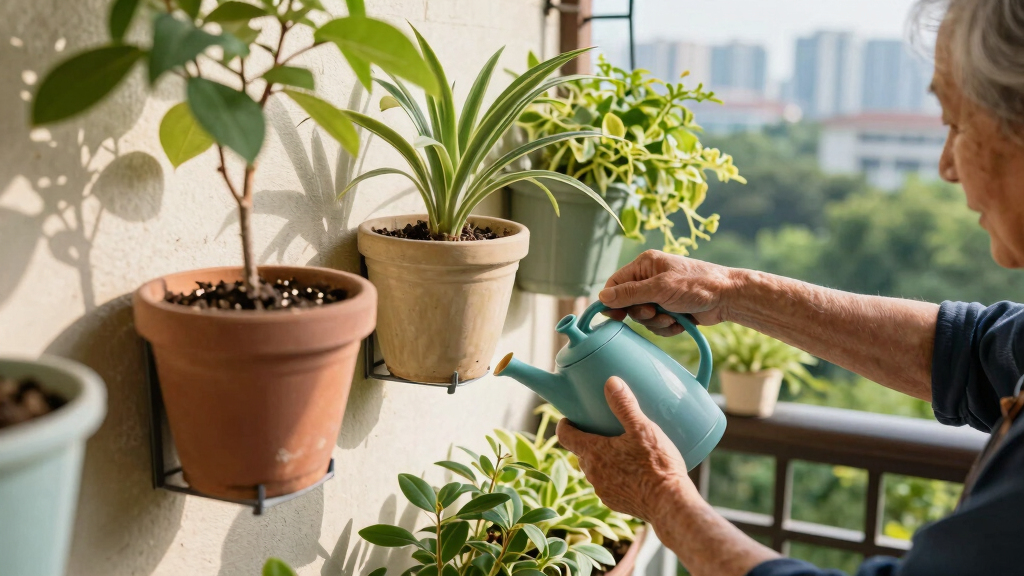
Vertical gardening is an innovative technique that involves growing plants upward on structures like walls, panels, or towers. This approach is especially beneficial for seniors because it addresses common physical challenges—like limited mobility, back pain, or joint issues—by reducing the need to bend or kneel extensively. When plants are at eye level or within arm’s reach, gardening becomes more accessible and less risky.
Beyond convenience, vertical gardens maximize space efficiency. They allow you to cultivate a larger variety of plants in a smaller footprint, which is ideal for urban environments or small yards. The ability to grow more in less ground means you can enjoy a richer harvest or more colorful displays without needing extra land.
Furthermore, vertical gardens can help improve mental well-being. The act of tending to a lush, organized vertical space can be more engaging and less physically demanding, encouraging regular activity and connection with nature. This combination of physical ease and emotional satisfaction makes vertical gardening a practical and therapeutic choice for seniors.
As an affiliate, we earn on qualifying purchases.
How to Pick the Right System for Your Space and Needs
Selecting the best vertical gardening system requires a thoughtful assessment of your physical space, your gardening goals, and your personal capabilities. Each system offers different tradeoffs—some are easier to install, others are more adaptable, and some require more maintenance or investment. Understanding these factors helps you make an informed choice that balances effort, cost, and long-term satisfaction.
For instance, wall-mounted panels are excellent for maximizing limited space on small walls or indoors, but they might require sturdy mounting and some DIY skills. Pocket planters are lightweight and simple to set up, making them ideal for beginners or those with mobility concerns, but they might have limited capacity for larger plants. Freestanding towers offer versatility and can be moved or reconfigured to suit changing needs, yet they may take up more space and require more initial effort to assemble.
Considering maintenance is also key. Automated watering systems can save time and effort, reducing the physical strain of manual watering, but they add to the initial cost and complexity. Choosing durable, lightweight materials ensures your system remains manageable over time, especially if you need to relocate or store it seasonally. By weighing these factors, you can select a system that fits your space, suits your physical capabilities, and aligns with your gardening ambitions.
As an affiliate, we earn on qualifying purchases.
Comparing Popular Vertical Garden Types: Which One Fits You?
| System Type | Best For | Ease of Use | Cost Range | Maintenance Level |
|---|---|---|---|---|
| Wall-mounted panels | Small walls, indoor or outdoor | Moderate | $50-$300 | Low to moderate |
| Pocket planters | Balconies, small yards | Easy | $30-$150 | Low |
| Freestanding towers | Open yards, patios | Moderate | $100-$400 | Moderate |
| Hydroponic systems | Indoor gardens, tech-savvy | Moderate to high | $200-$1000+ | Low with automation |
Each type of vertical garden offers unique advantages and considerations. Wall-mounted panels are space-efficient and suitable for small or indoor areas, but they may require secure mounting and some DIY skills for installation. Pocket planters are lightweight, easy to handle, and ideal for beginners or those with limited strength, but they often have limited capacity for larger plants or root systems.
Freestanding towers provide a flexible solution, allowing you to place them anywhere in your yard or patio. They can support a variety of plants and are generally easier to access, which is beneficial for seniors. However, they tend to be bulkier and may require more effort to assemble and move.
Hydroponic systems are the most technologically advanced, enabling rapid plant growth and efficient use of space. They are particularly appealing for those interested in high yields or growing plants indoors, but they tend to be more costly and complex to operate. The choice depends on balancing your budget, physical ability, and gardening goals—understanding these tradeoffs ensures you pick the system that best supports your needs.
self-watering vertical garden planter
As an affiliate, we earn on qualifying purchases.
As an affiliate, we earn on qualifying purchases.
Simple Tips to Keep Your Vertical Garden Thriving
Growing more while bending less is easy when you follow these practical tips:
- Use lightweight, nutrient-rich soils or hydroponic solutions to support healthy growth without excess weight. This is crucial because heavy soil or large containers can stress your structures and make handling difficult, especially for seniors. Choosing the right medium ensures your plants get the nutrients they need while keeping the overall weight manageable, which extends the lifespan of your system and reduces risk of accidents.
- Install drip irrigation or self-watering planters to keep plants consistently moist with minimal effort. These systems help maintain optimal moisture levels, preventing both under- and over-watering that can stress or damage plants. For seniors, such systems reduce the physical effort required for regular watering, making it easier to maintain a healthy garden and avoid the frustration of forgotten or irregular watering.
- Choose native or easy-to-grow plants like herbs, lettuce, or petunias that are adapted to your climate. These plants require less attention, watering, and pest control, which simplifies maintenance and increases the likelihood of success. By selecting hardy, low-maintenance plants, you reduce the risk of frustration and disappointment, making gardening a more enjoyable and sustainable activity.
- Prune regularly to promote healthy growth and prevent overcrowding. Pruning encourages new growth, improves air circulation, and keeps plants manageable at eye level. Proper maintenance helps prevent pests and diseases, and keeps your vertical garden looking attractive. This ongoing care is essential for ensuring your plants thrive and that your gardening effort remains rewarding rather than burdensome.
- Monitor for pests early through weekly checks, and use natural deterrents or beneficial insects to control infestations. Early detection prevents pests from causing extensive damage, which can be discouraging and difficult to manage, especially for those with limited mobility. Integrated pest management reduces the need for chemical interventions, aligning with eco-friendly practices and ensuring a healthy, safe environment for both plants and gardeners.
For example, installing a self-watering system on your wall-mounted herb garden can mean less frequent watering, reducing physical effort while keeping your plants lush and productive. Regular pruning and pest monitoring help maintain a healthy, vibrant garden that provides fresh herbs and colorful blooms with minimal fuss, making gardening both easier and more enjoyable.
As an affiliate, we earn on qualifying purchases.
What’s New in Vertical Gardening? The Latest Trends
Vertical gardening is evolving rapidly, with innovations that make it smarter, more sustainable, and more accessible. Today’s systems often incorporate IoT sensors that monitor moisture, light, and nutrient levels—then automatically adjust watering and fertilization. This technology reduces manual effort and ensures optimal plant health, making gardening more convenient and less physically demanding. It also opens opportunities for remote monitoring, which is especially helpful for seniors or those with mobility challenges.
Eco-friendly materials like reclaimed wood, recycled plastics, and metals are increasingly used in vertical garden construction, reducing environmental impact and adding rustic country charm. Modular panels and expandable systems allow gardeners to customize and grow their gardens over time, adapting to changing needs and space constraints. Hydroponic and aeroponic systems are gaining popularity for their ability to produce faster growth and higher yields without soil, which is ideal for urban environments or indoor gardening.
Across the globe, urban farms and community gardens are adopting these advanced systems to maximize food production in limited spaces. These innovations demonstrate that vertical gardening is not just about aesthetics but also about sustainability, food security, and community resilience. The ongoing development of these technologies promises even more opportunities for seniors and enthusiasts to enjoy productive, low-effort gardening that benefits both the environment and their well-being.
Your Easy Step-by-Step Plan to Start Today
Ready to plant your own vertical garden? Here’s a simple plan to get started:
- Pick your spot: Choose a sunny wall, balcony, or corner with good airflow. A well-lit space helps your plants grow strong and healthy, reducing the need for artificial lights or extra care.
- Choose your plants: Start with herbs, leafy greens, or colorful flowers that are easy to care for and thrive in your climate. Selecting familiar or native plants often results in more successful growth and less fuss.
- Gather your materials: Select a system that fits your space and budget—pocket planters or panels are great starter options. Consider lightweight, durable materials that are easy to handle and maintain.
- Set up your system: Follow manufacturer instructions or simple DIY guides. Ensure it’s lightweight and securely mounted or placed to prevent accidents or damage, especially important for seniors or those with limited strength.
- Plant and water: Fill containers with quality soil or hydroponic medium, then gently plant your selections. Use a watering schedule that keeps plants moist but not waterlogged—automatic systems can help reduce effort and guesswork.
- Enjoy and maintain: Prune, fertilize, and observe your garden’s progress. Celebrate small wins like your first basil leaves or bright blooms. Regular care ensures ongoing health and productivity, making gardening a fulfilling activity.
Within a few weeks, your vertical garden will start to flourish, adding a touch of rustic charm and fresh flavors right at your fingertips—all while keeping you comfortably upright and engaged.
Frequently Asked Questions
Can I grow vegetables in a vertical garden?
Absolutely. Many vegetables like cherry tomatoes, lettuce, spinach, and peppers thrive in vertical systems. Just choose lightweight containers and ensure proper support and watering.How often do I need to water a vertical garden?
It depends on your plants and weather, but automated drip systems or self-watering planters can reduce how often you need to water—often once or twice a week is enough for most herbs and greens.Is vertical gardening suitable for indoor spaces?
Yes. Indoor vertical gardens are perfect for herbs or small flowering plants, especially in sunny spots like south-facing windows. Use grow lights if natural light is limited.What are the biggest challenges, and how can I fix them?
Water management, structural stability, and pests are common concerns. Regular checks, sturdy mounting, and choosing pest-resistant plants help keep your garden thriving.Can I use recycled materials for my vertical garden?
Definitely. Recycled wood, plastic containers, and metal panels are eco-friendly options that add country charm while helping the environment.Conclusion
Growing more while bending less isn’t just a dream—it’s a real, easy-to-achieve possibility with vertical gardening. It turns your small space into a lively, productive patch of country charm, perfect for enjoying outdoors without the strain.
So, why not start today? A few simple containers or panels can transform your gardening experience, bringing fresh herbs, vibrant flowers, and a touch of rustic beauty right where you want it—without bending a knee.
Halloween Picks
halloween
As an affiliate, we earn on qualifying purchases.