TL;DR

Turn quiet afternoons into listening time
- Thousands of audiobooks, podcasts and originals
- Listen on your phone, tablet or Echo — also offline
- Cancel anytime
This guide shows how a simple spring garden plan can reduce gardening time by focusing on native plants, mulching, raised beds, and smart watering. It’s all about enjoying the garden, not laboring in it.
Imagine stepping into your garden on a warm spring morning. The air smells fresh, and the vibrant colors of blooming flowers brighten your day. Gardening doesn’t have to be a labor-intensive chore, especially when you choose a simple plan designed for slower, easier days.
If you’re looking to enjoy your garden without feeling overwhelmed, this guide offers practical tips for creating a low-maintenance, joyful space. It’s about embracing the country charm and making your garden an extension of your cozy home.
Prioritize native, hardy plants to cut down on watering and fuss.
Use mulch generously to halve weeding time and maintain moisture.
Install a simple drip or soaker hose system with a timer to save watering effort.
Opt for raised beds or containers to reduce bending and improve soil quality.
Grow quick, easy vegetables and herbs for fast, satisfying harvests.
A Simple Spring Garden Plan for Slower, Easier Days
Build a garden that gives more than it asks: native plants, deep mulch, raised beds, and smart watering create a peaceful spring rhythm with less bending, less weeding, and more time to enjoy the view.
Enjoy the garden, don’t labor inside it.
Choose plants that thrive without hovering.
A slower spring garden starts with forgiving plants. Hardy perennials return year after year, herbs reward small harvests, and native varieties reduce the need for extra watering, fertilizer, and troubleshooting.
Lavender, coneflowers, hostas
Dependable plants bring color and texture back each spring with only light pruning and occasional watering.
Thyme, chives, mint, basil
Quick-growing herbs fit containers or raised beds and turn small snips into fragrant kitchen rewards.
Local, hardy, pollinator-friendly
Plants adapted to your region settle in more easily and support bees, butterflies, and healthier soil life.
Design the work out of the week.
Use simple structure before spring gets busy. Clear beds, easy paths, and automatic water make the garden feel calmer from the first warm morning onward.
Pick natives
Start with plants matched to your climate and sunlight.
Raise beds
Improve soil control while reducing bending and strain.
Mulch deep
Suppress weeds, retain moisture, and protect roots.
Add timer
Let drip lines or soaker hoses water consistently.
Harvest small
Grow lettuce, radishes, spinach, and herbs for quick wins.
The easiest upgrades do the heaviest lifting.
Maintenance reducers
Low-effort suitability scale
Native perennials, mulched beds, and timed irrigation land near the easy end because they reduce surprise chores and daily decision-making.
Pick the layout that fits your body, space, and pace.
| Feature | Raised Beds | Container Gardens | Mulched Beds |
|---|---|---|---|
| Ease of maintenance | ✓ High — less bending, better soil control | ✓ High — portable, less weeding | ✓ Very high — weed suppression, moisture retention |
| Watering needs | ~ Moderate — controlled watering | ✓ Low — customizable with drip systems | ✓ Low — soil stays moist longer |
| Best for | Vegetables, flowers, accessible harvesting | Herbs, small vegetables, patios | Native plants, perennials, wider borders |
| Main watch-out | ~ Initial setup takes effort | ~ Containers dry faster in heat | ✗ Needs yearly mulch refresh |
How one simple choice turns into easier days.
The plan works because every element connects: the right plants reduce inputs, the right surface reduces weeds, and the right watering system protects your time.
Keep tools simple.
A trowel, pruning shears, mulch, and a hose timer cover most low-maintenance spring tasks.
Feed the system.
Compost, rainwater, organic amendments, and pesticide-free care make the garden healthier over time.
Wait for frost to pass.
Plant after your local last frost date to avoid extra protection, replanting, and spring stress.
Common worries, calmer answers.
How do I start with little experience?
Begin with containers, native plants, and herbs. Keep the first bed small enough to care for in minutes, not hours.
Which plants are best for beginners?
Try lavender, coneflowers, black-eyed Susans, thyme, mint, lettuce, radishes, and spinach.
How much time will it take weekly?
With mulch and simple watering, expect about 1-2 hours for watering checks, harvesting, and light weeding.
How do I make it eco-friendly?
Use native plants, compost, rainwater harvesting, organic soil support, and avoid chemical pesticides or fertilizers.
Choose Plants That Thrive with Less Work
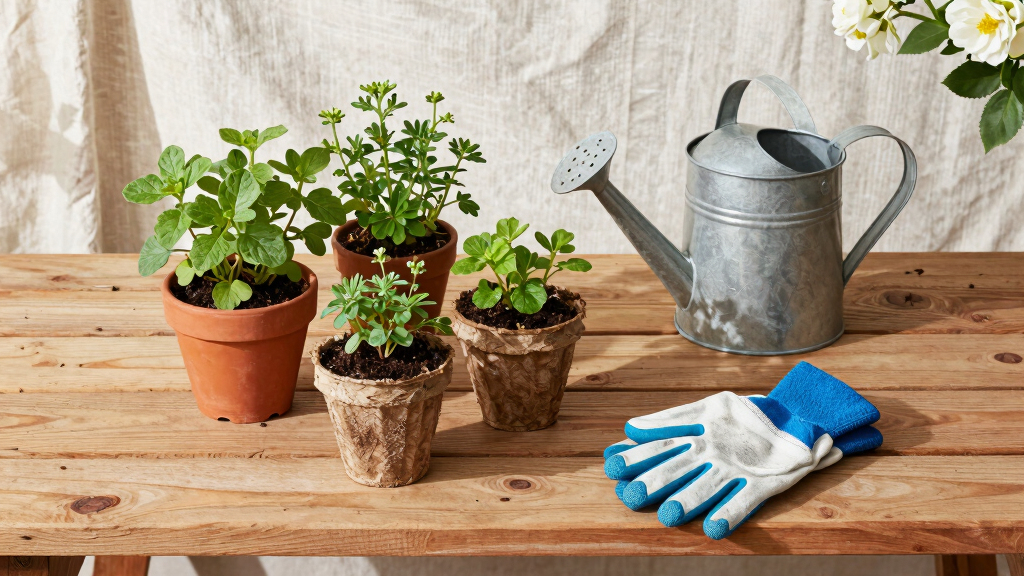
Picking the right plants is the first step to a garden that’s gentle on your time and effort. Focus on hardy perennials like lavender, coneflowers, and hostas. These plants come back year after year, needing only occasional watering and minimal fuss.
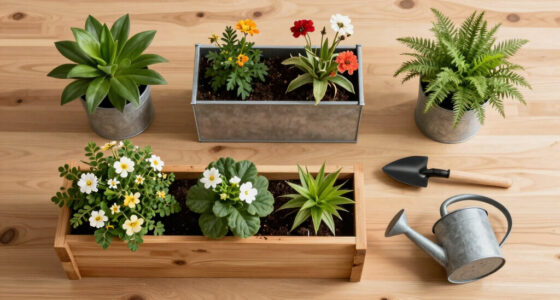
Herbs such as thyme, chives, and mint grow quickly and can be harvested with just a snip. Growing native plants suited to your climate reduces watering and fertilizing needs, saving you time and resources.
For example, planting a bed of lavender not only fills your garden with a soothing scent but also requires little watering once established. It’s a small reminder that beauty and ease can go hand in hand.
native plants for low maintenance garden
As an affiliate, we earn on qualifying purchases.
As an affiliate, we earn on qualifying purchases.
Design Your Garden for Easy Care
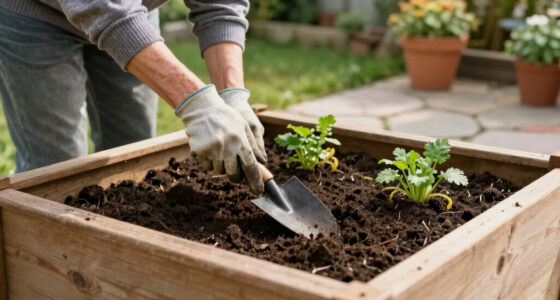
Simple, straightforward layouts make your garden easier to maintain. Raised beds are a favorite—they improve soil drainage, reduce back strain, and keep weeds at bay.
Mulching around your plants with straw, bark, or shredded leaves suppresses weeds, retains moisture, and cuts watering needs. Pathways made of gravel or stepping stones create clear access, so you don’t have to step on soil or plants.
Imagine walking along a garden path, the scent of fresh mulch filling the air, knowing you won’t be bent over weeding for hours.
As an affiliate, we earn on qualifying purchases.
Streamline Watering with Smart Solutions
Consistent watering is key, but it can be a chore. Using drip irrigation or soaker hoses with timers keeps plants healthy with minimal effort. Just set it and forget it.
For example, installing a simple timer on your garden hose means your plants get a steady supply of water, even if you’re away or busy. It’s a small upgrade that pays back in time saved and healthier plants.
According to Huckfarm, incorporating these systems can reduce watering time by up to 40%, freeing you to enjoy your garden instead of working in it.
As an affiliate, we earn on qualifying purchases.
Pick Easy Vegetables and Herbs for Quick Harvests
Growing vegetables and herbs that are simple to care for means you can enjoy fresh flavors with little fuss. Lettuce, radishes, and spinach mature quickly—often within a month—so you get fast rewards.
Herbs like basil, thyme, and mint grow abundantly with minimal attention. Plant them in containers or beds, and harvest with a snip here and there. It’s gardening that feels more like a treat than work.
Imagine plucking a handful of fresh basil for your pasta—fresh, fragrant, and effortless.
As an affiliate, we earn on qualifying purchases.
Compare Common Garden Styles for Low Maintenance
| Feature | Raised Beds | Container Gardens | Mulched Beds |
|---|---|---|---|
| Ease of Maintenance | High — less bending, better soil control | High — portable, less weeding | Very high — weed suppression, moisture retention |
| Watering Needs | Moderate — controlled watering | Low — customizable with drip systems | Low — retains moisture |
| Ideal For | Vegetables, flowers | Herbs, small vegetables | Native plants, perennials |
Choosing between these options depends on your space and mobility. Each reduces some of the back-breaking work and makes gardening more accessible.
Frequently Asked Questions
How can I start a low-maintenance spring garden if I have little experience?
Begin with easy native plants and herbs. Container gardening is perfect for beginners—small, manageable, and forgiving. Follow simple guides, and don’t be afraid to learn as you go. Gardening is about enjoyment, not perfection.
What are the best plants for a beginner’s spring garden?
Try lavender, coneflowers, black-eyed Susans, thyme, and mint. These are hardy, low-maintenance, and quick to grow. They’re like the welcoming friends of your garden—reliable and easy to care for.
How much time should I expect to spend on my garden weekly?
With a simple plan, most of your work is watering, harvesting, and occasional weeding—about 1-2 hours per week. That leaves plenty of time to enjoy your garden’s beauty.
What tools or equipment are essential for a low-maintenance garden?
A trowel, pruning shears, a watering can or hose with a timer, and mulch are all you need. These tools make caring for your garden straightforward and less tiring.
How can I make my garden more eco-friendly and sustainable?
Use native plants, organic amendments, compost, and rainwater harvesting. Avoid chemical pesticides and fertilizers—your garden will be healthier and easier to care for.
Conclusion
Gardening doesn’t have to be a backbreaking chore. With a few thoughtful choices—like native plants, smart design, and simple watering—you can create a garden that’s a peaceful retreat, not a burden.
Imagine your days filled with the sweet scent of blooming flowers and the gentle rustle of leaves—easy, relaxing, country charm at its best. Your garden can be a slow, joyful haven that welcomes you every spring morning.
Halloween Picks
halloween
As an affiliate, we earn on qualifying purchases.