
TL;DR

Turn quiet afternoons into listening time
- Thousands of audiobooks, podcasts and originals
- Listen on your phone, tablet or Echo — also offline
- Cancel anytime
The best garden gloves for tender skin combine protection, breathability, and a perfect fit. Prioritizing these features can prevent cuts, blisters, and irritation, making gardening safer and more enjoyable for older adults.
Imagine gardening without worry about scratches, blisters, or irritating skin rashes. It’s possible—if you pick the right gloves. For many older gardeners, tender skin needs extra care. The secret lies in choosing gloves that protect without sacrificing comfort.
In this guide, you’ll learn what features matter most, how to find gloves that fit just right, and what new innovations can make gardening safer and more pleasant. Because a good glove isn’t just a tool—it’s a shield, a comfort, and a little piece of country charm.
Prioritize gloves made from breathable, protective materials like leather or nitrile to shield tender skin from cuts and scratches.
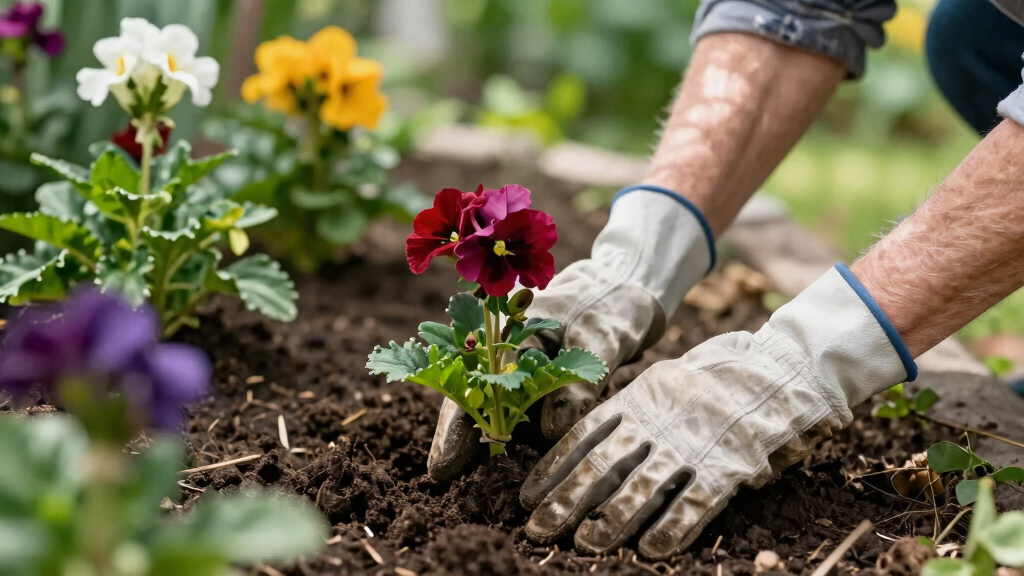
Always measure and try on gloves to find a fit that’s snug but flexible—comfort prevents irritation and blisters.
Look for gloves with reinforced fingertips, extended cuffs, and textured palms to improve safety and grip during gardening tasks.
Maintain your gloves by washing and inspecting them regularly, replacing worn gloves promptly to keep your skin safe.
Stay informed about new innovations—touchscreen-compatible, eco-friendly, ergonomic models—that make gardening safer and more enjoyable.
What Materials Keep Your Skin Safe and Comfortable
When it comes to garden gloves, material choice is everything. For tender skin, breathable fabrics like cotton or bamboo blends help wick sweat away, keeping your hands dry and reducing irritation. These natural fibers allow air to circulate, which is crucial because moist, sweaty skin is more prone to rashes and infections. However, their lower resistance to punctures means they might not stand up to thorny plants or sharp tools, so understanding the tradeoff between breathability and protection is key.
For maximum protection, look for gloves made with leather, nitrile, or rubber. These materials provide a barrier against punctures, cuts, and abrasions—especially important when handling thorny roses or digging into rough soil. But they tend to be less breathable, which can cause sweating and discomfort over long periods. If you’re allergic to latex, nitrile or synthetic options are gentler alternatives that still offer durability. Choosing the right material depends on the task at hand and your skin’s sensitivity, balancing comfort with safety.
For example, a gardener with delicate skin might wear lightweight cotton gloves for planting, then switch to nitrile gloves for pruning roses. Recognizing these nuances helps prevent skin irritation and ensures safety without sacrificing comfort.
breathable garden gloves for sensitive skin
As an affiliate, we earn on qualifying purchases.
As an affiliate, we earn on qualifying purchases.
How to Find the Perfect Fit for Your Hands
Ever tried gloves that slip or pinch? Finding the right fit isn’t just about comfort; it’s about preventing injuries and skin irritation. Ill-fitting gloves can cause blisters, chafing, or even accidental cuts if they slide during use. A glove that’s too tight restricts circulation, leading to numbness or soreness, while one that’s too loose reduces dexterity and control, increasing the risk of mishandling tools or damaging skin.
Proper fitting gloves improve safety and comfort by ensuring that your movements are precise and that your skin isn’t exposed to friction or pressure points. To find the best fit, measure your hand’s widest point with a soft tape measure around your palm. Try on gloves that are about half an inch larger than your measurement to allow for movement and slight swelling. Flex your fingers and grip tools to test flexibility; the gloves should move with you without bunching or slipping. Also, check that the fingertips are snug but not tight, and that the gloves stay in place when you grasp gardening tools.
For example, a senior gardener found that a size medium glove fit snugly without restricting movement, which helped reduce skin irritation after hours of planting. Investing time in finding the right fit ensures that your gloves serve as effective protection and comfort aids, making gardening a more enjoyable experience.
leather gardening gloves for thorny plants
As an affiliate, we earn on qualifying purchases.
As an affiliate, we earn on qualifying purchases.
Features That Boost Protection and Ease Gardening
Not all gloves are created equal. Some incorporate features that address common safety concerns and enhance comfort, especially for tender skin. Extended cuffs provide additional shield against scratches and dirt from wrist to forearm, reducing the risk of skin irritation from debris or plant contact. Reinforced fingertips serve as a safeguard against punctures from thorns or sharp tools, which can otherwise cause painful cuts or infections.
Textured palms and fingers improve grip, reducing the effort needed to hold tools or grasp delicate plants—this is especially helpful for older adults with weaker grip strength or arthritis. Padding or extra layers in key areas absorb shocks from heavy tools or rough terrain, preventing skin damage and reducing fatigue. These features don’t just make gardening safer—they make it more accessible and enjoyable by minimizing physical strain and injury risk.
Imagine a gardener with arthritis who benefits from reinforced fingertips and padded palms: these features reduce hand fatigue and lower the chance of skin tears. Selecting gloves with these design elements ensures that safety and comfort go hand in hand, encouraging longer, more relaxed gardening sessions.
nitrile gardening gloves for older adults
As an affiliate, we earn on qualifying purchases.
As an affiliate, we earn on qualifying purchases.
Easy-care Tips for Long-Lasting, Safe Gloves
Keeping your gloves clean isn’t just about hygiene—it’s essential for maintaining their protective qualities and prolonging their lifespan. Dirt, soil, and plant residues can degrade glove materials over time, reducing their effectiveness and potentially harboring bacteria that can cause skin irritation or infections. Proper cleaning helps preserve the integrity of the gloves and keeps your skin safe from contaminants.
Most gloves are washable, but always check the manufacturer’s instructions. For washable gloves, remove dirt after each use with a quick rinse or brush to prevent buildup. Wash them in warm water with gentle soap or a mild dish detergent, avoiding harsh chemicals that could weaken the fabric or compromise waterproof layers. Air dry thoroughly in a well-ventilated area—exposing gloves to direct heat or sunlight for extended periods can cause materials to crack or degrade, reducing their protective qualities.
Replacing gloves when they show signs of wear—such as thinning fabric, holes, or loss of grip—is crucial. Worn gloves no longer provide adequate protection, increasing the risk of cuts, scratches, or skin irritation. Regular inspection and prompt replacement ensure your gloves remain effective shields during gardening, safeguarding your tender skin from harm.
touchscreen compatible gardening gloves
As an affiliate, we earn on qualifying purchases.
As an affiliate, we earn on qualifying purchases.
Innovations Making Gardening Safer and More Comfortable
Advances in glove technology are transforming gardening safety and comfort, especially for those with sensitive skin. Modern synthetic fibers now combine breathability with strength, reducing sweat accumulation and skin irritation. Some gloves feature touchscreen-compatible fingertips, allowing you to operate devices without removing them—saving time and reducing the risk of exposing your skin to dirt or cold.
Eco-friendly options, made from recycled or natural fibers, are gaining popularity, offering sustainable choices that don’t compromise on protection. Ergonomic designs with pre-curved fingers reduce hand fatigue, which is especially beneficial for older adults or those with arthritis. These innovations not only improve safety but also make gardening more accessible and enjoyable, encouraging longer and more frequent outdoor activity.
For example, a senior gardener uses touchscreen gloves to control her garden sprinkler system, avoiding the inconvenience of removing her gloves repeatedly. These technological and design advancements help maintain the connection with nature while ensuring safety and comfort remain priorities.
What to Remember When Picking Your Garden Gloves
Choosing the right gloves isn’t just about style—it’s about ensuring your skin is protected, your comfort is prioritized, and your gardening experience is safe. Focus on selecting materials that act as a barrier against cuts, scratches, and irritants, while also considering fit to prevent discomfort and blisters. Features like reinforced fingertips, extended cuffs, and textured palms add layers of safety and grip, making tasks easier and reducing the chance of accidental injury.
Regularly inspecting your gloves for wear and tear is vital; worn gloves lose their protective qualities and can even cause skin damage. Investing in quality gloves that suit your specific needs—whether for delicate planting or heavy-duty pruning—can make all the difference in maintaining healthy, irritation-free skin.
Think of your gloves as an extension of your care for both your garden and yourself. With proper selection and maintenance, gardening becomes a cozy, safe retreat, transforming potential skin hazards into moments of peace and productivity.
Frequently Asked Questions
What are the best materials for gloves to protect sensitive skin?
Breathable fabrics like cotton or bamboo blends are gentle and comfortable, while leather or nitrile offers better protection against cuts and thorns. Choose based on the task and your skin’s sensitivity.How do I find gloves that fit well and don’t cause discomfort?
Measure your hand’s widest point, try on gloves with a little extra room, and check for flexibility. A good fit feels snug but lets your fingers move freely, preventing irritation.Are there gloves specifically designed for people with allergies or sensitive skin?
Yes, many gloves now come in latex-free options made from nitrile or synthetic fibers, reducing allergy risks and irritation for sensitive skin types.How often should I replace my gardening gloves?
Inspect your gloves regularly. Replace them when they show signs of wear—holes, thinning fabric, or lost grip—so your skin remains protected with each gardening session.Can I wash and reuse my garden gloves?
Most gloves can be washed with warm water and gentle soap. Let them air dry completely. Proper cleaning extends their life and keeps your skin safe from bacteria or dirt build-up.Conclusion
A pair of well-chosen garden gloves can turn gardening from a skin-threatening chore into a cozy afternoon ritual. Think of them as your personal shield—protecting tender skin while letting you dig, plant, and nurture with ease.
So, pick gloves that fit just right, suit your needs, and bring a little country comfort to every gardening session. Because a gentle touch and a safe hand make every garden bloom brighter—and your days in nature more joyful.
Cold & flu season Picks
humidifiers
As an affiliate, we earn on qualifying purchases.