
TL;DR

Get comfort and care essentials delivered free — and shop member deals
- Fast, free delivery on millions of items
- Access to Prime Big Deal Days deals on October 6–7
- Prime Video, Amazon Music and more included
Elevated planters are portable, compact, and ideal for small spaces or mobility issues, while raised beds are larger, durable, and suited for extensive vegetable gardening. Knowing your space and needs makes the right choice clear.
Elevated planters are perfect for small spaces, portability, and those with mobility challenges.
Raised beds excel at large-scale planting, soil control, and long-term durability.
Both options benefit from good drainage—use drainage holes or gravel layers.
Material choice impacts longevity, appearance, and environmental impact.
Combining both can create a versatile and beautiful garden setup tailored to your needs.
Elevated Planters vs. Raised Beds
Both bring better soil, easier weed control, and a more organized garden. The right choice comes down to four things: available space, physical comfort, planting scale, and how often you want to move or water your garden.
Elevated planters can be repositioned for sun, weather, or access.
Raised beds commonly begin around this length for practical crop space.
Small elevated containers drain and dry more quickly.
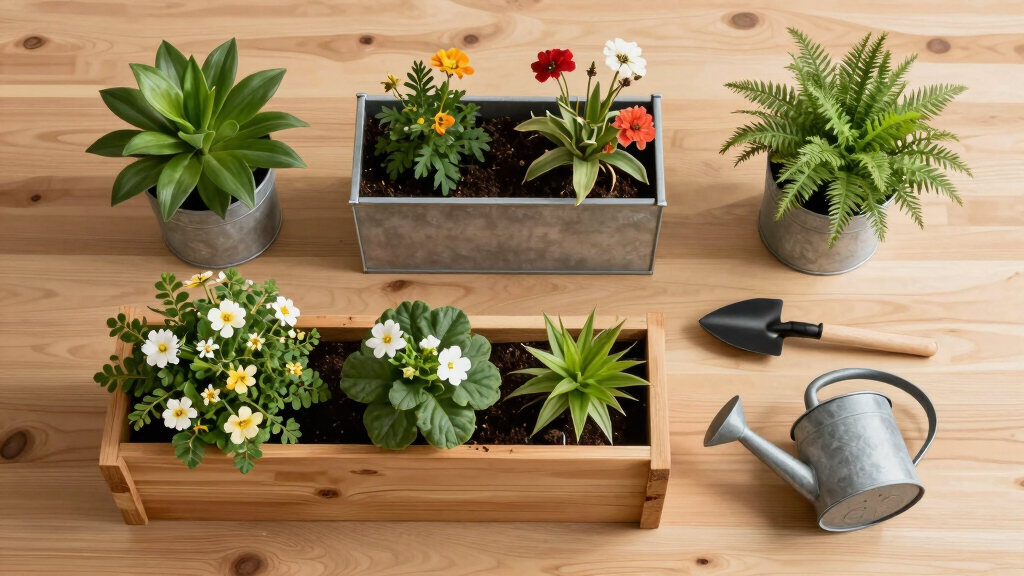
A hybrid garden balances accessibility, scale, and visual interest.
Same idea, different scale
Elevated planters lift a contained growing box onto legs or a pedestal. Raised beds frame a larger volume of soil at ground level or on a sturdy base. That structural distinction shapes almost every practical tradeoff.
Elevated planter
A portable container perched above the ground, sized for patios, balconies, herbs, flowers, and smaller crops.
- Waist-height tending can reduce bending and kneeling.
- Easy to move toward sunlight or shelter from harsh weather.
- Smaller soil volume requires more frequent moisture checks.
Raised bed
A fixed garden frame filled with a substantial soil volume for vegetables, dense flowers, perennials, and intensive planting.
- More room for roots, companion planting, and larger harvests.
- Moisture remains stable longer than in a compact container.
- Requires more materials, soil, space, and initial construction.
The practical comparison
No option wins every category. The strongest choice is the one whose advantages solve your daily gardening constraints.
| Decision factor | Elevated planter | Raised bed |
|---|---|---|
| Balcony or patio | ✓Compact and space-efficient | ✕Often too large or heavy |
| Mobility support | ✓Minimal bending at waist height | ~Good if built tall and narrow |
| Large crop volume | ✕Limited by container size | ✓Ideal for intensive planting |
| Repositioning | ✓Portable, especially with wheels | ✕Usually a fixed installation |
| Water retention | ~Drains fast; monitor frequently | ✓Larger soil mass stays moist longer |
| Setup effort | ✓Quick fill-and-plant setup | ~More building and soil required |
| Long-term scale | ~Expand with modular units | ✓Durable, structured garden system |
Comfort, water, and control
Both systems let you replace difficult native soil with a tailored growing mix. Their main difference is volume: smaller containers offer precision, while larger beds buffer changes in moisture and temperature.
Where each format shines
Less stooping, more growing
A tall, narrow raised bed can also be accessible. Keep the center within comfortable reach and leave enough path width for safe movement around every side.
Use unobstructed drainage holes in planters and a free-draining base or layered soil system in raised beds.
Planters need closer monitoring; raised beds usually reduce watering frequency once established.
Tailor compost, nutrients, texture, and pH to the herbs, vegetables, flowers, or shrubs you intend to grow.
From space to solution
Work through the decision in order. Your site sets the boundary; your body and plants define the format; water and materials make the system sustainable.
Flexibility matters most
You have a balcony, patio, compact yard, mobility challenges, or a need to move plants with the seasons.
Growing capacity matters most
You have permanent garden space and want deeper soil, larger harvests, stable moisture, and room for multiple crops.
Before you start building
Materials, dimensions, and drainage determine whether the garden stays attractive and easy to maintain after the first season.
Which option fits best?
Elevated planters are usually the better choice because they are compact, portable, and easy to rotate toward available sunlight.
Are raised beds easier?
They often need less frequent watering and handle larger planting plans efficiently, but they require more work and materials upfront.
What lasts longest?
Composite and metal tend to outlast untreated softwood. Reclaimed wood offers character and lower environmental impact when it is safe for garden use.
What trends are useful?
Modular frames, self-watering reservoirs, drip irrigation, moisture sensors, recycled materials, and compact hydroponic inserts add flexibility.
Make gardening feel joyful, not burdensome.
Pick the format that fits your real routine. Elevated planters favor comfort, movement, and small spaces. Raised beds favor capacity, soil stability, and long-term production. Good drainage and durable materials make either choice thrive.
What Are Elevated Planters and Raised Beds? Here’s the Difference
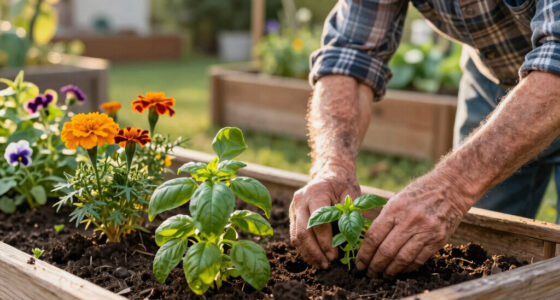
Elevated planters are portable containers perched on stands or pedestals, often small enough to sit on patios or balconies. They’re like a cozy nook for your favorite herbs or flowers, easy to move around or position for the best sunlight.
Raised beds are larger, fixed structures built directly into your garden or on a sturdy platform. They’re like mini gardens, framed with wood or stone, designed for bigger planting projects like vegetables or dense flower beds.
For example, a small, colorful container on your porch that you can wheel inside in winter is an elevated planter. A 4-foot long wooden box filled with tomatoes and lettuce in your backyard? That’s a raised bed.
Understanding the structural differences helps you determine which option suits your space and needs. Elevated planters are ideal when you want mobility and flexibility, allowing you to rearrange or bring plants indoors during bad weather. Raised beds, being more permanent, provide a stable environment for larger-scale planting, which can be crucial for soil quality and plant health. The tradeoff is that raised beds require more initial effort and space commitment but often yield better results for intensive gardening.
As an affiliate, we earn on qualifying purchases.
Which Is Easier to Access? The Comfort Factor
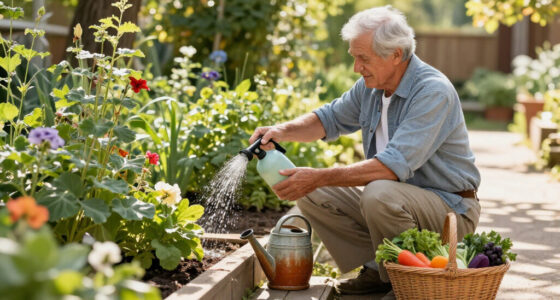
Elevated planters are your best friends if bending or kneeling is a challenge. They sit at waist height, so tending to your plants feels more like a pleasant chat than a workout. This height reduces strain on your back and knees, making gardening accessible for seniors or those with physical limitations. Additionally, their portability means you can position them where they’re most comfortable or move them to avoid harsh weather.
Raised beds can also be built to an ergonomic height, but their larger size might mean more reaching and bending, especially if they’re long and wide. The depth of a raised bed influences how much you need to bend or stretch to reach the plants in the center. If you opt for a taller, narrower bed, you can improve accessibility, but this might limit root space or planting volume. The key tradeoff is that while raised beds can be designed for comfort, their size and shape may still pose challenges for those with mobility issues, especially if they are not constructed with accessibility in mind.
Imagine an older gardener with arthritis happily harvesting herbs from a 3-foot-high planter on wheels—much easier than stooping over a sprawling ground bed. Conversely, a large, traditional raised bed might require you to stretch or lean, which can cause discomfort over time. Therefore, choosing the right height and size is essential to ensure your gardening remains enjoyable and accessible.
large raised garden beds for vegetables
As an affiliate, we earn on qualifying purchases.
As an affiliate, we earn on qualifying purchases.
Controlling Soil and Water: Which Is Better?
Both elevated planters and raised beds give you control over your soil—no more fighting weeds or poor drainage from native ground. This control is vital because soil quality directly impacts plant health, yield, and disease resistance. Proper soil management means you can tailor nutrients and pH to specific plants, which leads to healthier growth and higher productivity. Additionally, controlling water drainage prevents waterlogging or drought stress, both of which can severely affect plant roots.
Elevated planters, being containers, often have drainage holes and can be filled with custom soil mixes. Their small volume means they drain quickly and dry out faster, requiring more frequent watering but allowing precise moisture control. This setup is advantageous for delicate plants or herbs that prefer consistent moisture levels. However, frequent watering can be a drawback if you’re away often or forget to water regularly.
Raised beds can be designed with gravel bottoms and layered soil to improve drainage, mimicking natural soil conditions. Their larger volume retains moisture longer, reducing watering frequency. This makes them ideal for plants that need a stable moisture environment, such as root vegetables or perennials. The ability to add compost, amendments, or specific soil blends ensures optimal growing conditions, but it also requires more planning and effort upfront. The tradeoff is that with proper design, raised beds can strike a balance between moisture retention and drainage, leading to healthier plants with less daily maintenance.
Understanding these differences helps gardeners decide based on their climate, plant choices, and maintenance preferences. For example, a gardener growing delicate seedlings might prioritize a raised bed with excellent drainage and controlled soil conditions, while someone cultivating herbs on a balcony may prefer portable, well-draining containers for quick adjustments.
garden planter with drainage holes
As an affiliate, we earn on qualifying purchases.
As an affiliate, we earn on qualifying purchases.
Frequently Asked Questions
Which is better for small balconies?
Elevated planters are usually the best choice—they’re portable, space-efficient, and easy to move around for optimal sunlight.Are raised beds easier to maintain than containers?
Raised beds often require less frequent watering once established and provide better weed control, but they do need more initial effort to build.What materials should I consider for durability?
Reclaimed wood, composite, and metal are popular for their longevity. Avoid softwoods that rot easily unless treated or sealed.Can I combine both options in my garden?
Absolutely! Mixing elevated planters and raised beds can maximize space, accessibility, and visual interest.How do I prevent water pooling or drainage issues?
Use drainage holes in containers and add gravel or coarse sand at the bottom of raised beds for proper water flow.As an affiliate, we earn on qualifying purchases.
Conclusion
Your garden’s future depends on your space, physical needs, and style. Whether a cozy elevated planter or a sturdy raised bed, each can bring fresh beauty and bounty to your life. Remember—gardening should feel joyful, not burdensome. So pick what makes you smile and get planting.Evergreen bestsellers Picks
bestsellers
As an affiliate, we earn on qualifying purchases.