
TL;DR

Turn quiet afternoons into listening time
- Thousands of audiobooks, podcasts and originals
- Listen on your phone, tablet or Echo — also offline
- Cancel anytime
A drip irrigation system delivers water directly to your plants, saving time, water, and effort. Proper planning, quality components, and regular maintenance ensure a hassle-free setup that lets you skip hauling water manually.
Imagine watering your garden without hauling buckets or dragging hoses across the yard. That’s the magic of a well-set-up drip irrigation system. It’s a quiet helper that delivers just the right amount of water directly to each plant’s roots, saving you time and effort.
If you’re tired of lugging watering cans or fighting with tangled hoses, this guide is for you. You’ll learn how to plan, install, and maintain your own drip system — making garden chores a breeze, especially as you enjoy your later years in comfort and country charm.
A well-planned drip system can cut water use by up to 50%, saving you money and effort.
Start with a simple map and choose components suited to your garden’s size and plants.
Regular maintenance, like cleaning filters and checking for leaks, keeps your system running smoothly.
Smart timers and rain sensors take the hassle out of watering, especially during unpredictable weather.
Investing in a drip system pays off by reducing hauling and manual watering chores, giving you more time to enjoy your garden.
What is a drip irrigation system, and why it’s perfect for easy gardening
A drip system is a network of tiny tubes and emitters that deliver water slowly and directly to your plants’ bases. It’s like giving each plant its own gentle rain, right where it needs it.
For older gardeners, it means less hauling. Instead of dragging hoses or carrying watering cans, your plants get a steady supply of moisture, and you get more time to enjoy your garden’s beauty.
For example, a neighbor of Huckfarm installed a drip system in her vegetable patch. Now, she waters her tomatoes and peppers with just a flick of a timer — no more heavy watering cans or rushing to beat the sun.
As an affiliate, we earn on qualifying purchases.
How to plan your drip system so it fits your garden like a cozy quilt
Start with a simple map of your garden. Mark where your plants sit and where the water source is. Think about the size of your beds, and how much space each plant needs.
Measure the length of tubing needed and decide on the flow rate — usually, 2 gallons per hour (GPH) per emitter works well for most vegetables. For larger trees, use emitters with higher flow rates or multiple emitters.
Here’s a quick checklist:
- Map your garden layout
- Choose your water source (hose, spigot)
- Pick the right tubing and emitters
- Plan zones for different watering needs
Proper planning is crucial because it determines how evenly and efficiently your garden receives water. Overlooking this step might lead to uneven watering, wasted water, or over- or under-watering certain plants. By thoughtfully designing your system, you minimize the risk of dry spots or waterlogged roots, which can stress plants or promote disease. Tailoring zones ensures each part of your garden gets the right amount of water, reducing waste and improving plant health over time.
garden drip watering kit with timer
As an affiliate, we earn on qualifying purchases.
As an affiliate, we earn on qualifying purchases.
The must-have parts for your DIY drip system and why they matter
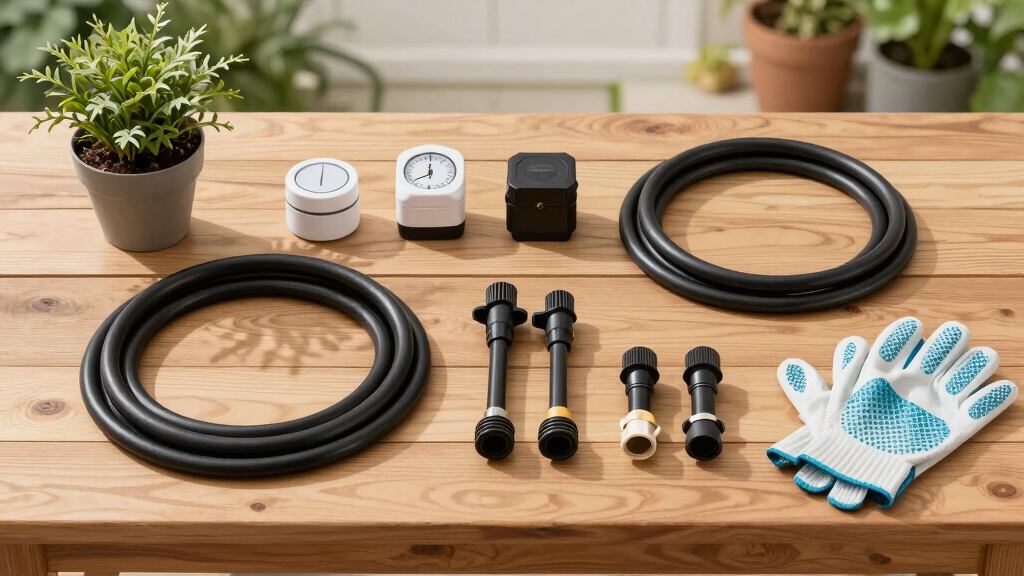
Every good drip system starts with quality parts. Here’s what you’ll need:
| Component | Why it’s important |
|---|---|
| Mainline tubing (½ inch) | Forms the backbone, connects to your water source. Choosing durable, UV-resistant tubing ensures longevity, especially if exposed to the sun, and prevents leaks that could waste water or cause pressure issues. |
| Emitter tubing (¼ inch) | Delivers water directly near plants. Proper size and flexibility make installation easier and help maintain consistent flow rates, which is vital for uniform watering. |
| Emitters (2-4 GPH) | Control flow to each plant. Selecting the right emitter flow rate ensures each plant receives adequate moisture without overwatering, which can lead to root rot or disease. |
| Filters | Prevent clogs, keep water flowing smoothly. Regularly cleaning filters or replacing them prevents blockages that could starve plants of water or cause pressure buildup in the system. |
| Pressure regulators | Stop damage from high water pressure. Proper regulation extends the life of your emitters and prevents leaks or bursts, maintaining system efficiency over time. |
| Connectors & stakes | Hold everything in place and connect parts. Secure fittings prevent disconnections and leaks, which are common issues that can disrupt watering schedules and waste water. |
Understanding each part’s role helps you select quality components that work together seamlessly. Investing in reliable parts reduces repair costs and frustration, ensuring your system remains effective season after season.
As an affiliate, we earn on qualifying purchases.
Step-by-step: How to install your drip system in less than a morning
Follow these simple steps to get watering without the hauling:
- Connect your mainline tubing to the water source. Attach a filter and pressure regulator to prevent clogs and protect emitters. This initial step ensures your system starts with clean, regulated water, which prolongs the life of your components and prevents headaches later.
- Lay out the tubing along your garden beds. Use stakes to keep everything neat and in place. Proper placement ensures even water distribution and prevents tubing from shifting or kinking, which could block flow.
- Punch small holes in the tubing where your plants are, then insert smaller emitter tubing or individual emitters near each plant. Positioning emitters correctly ensures each plant gets the right amount of water, avoiding dry or overly saturated roots.
- Secure all connections and turn on the water. Check for leaks or dry spots. Adjust or add emitters as needed. This step allows you to troubleshoot early, preventing water waste and ensuring coverage.
- Set your timer to match your garden’s needs. Most gardens do well with watering once or twice a day in hot weather. Automating this process saves you from manual watering and guarantees consistent moisture levels, crucial for healthy plant growth.
Imagine a quiet morning, your garden already watered, while you enjoy a cup of coffee on the porch. That’s the beauty of a simple drip setup, which streamlines your routine and gives you more leisure time.
As an affiliate, we earn on qualifying purchases.
Smart features and upgrades to make watering even easier
Modern drip systems now come with smart technology that lets you control watering from your phone. Wi-Fi-enabled timers can adjust watering schedules based on weather, so you never waste a drop.
Rain sensors are another handy upgrade, automatically pausing watering when it rains. These features help optimize water use, reduce waste, and prevent overwatering, which can lead to plant diseases or water runoff.
For example, Huckfarm’s neighbor installed a Wi-Fi timer last spring. Now, she adjusts her watering schedule from her living room, and her plants thrive even during unpredictable weather. These smart features provide peace of mind and save effort, especially for seniors who prefer automation and remote control.
Troubleshooting: Common problems and how to fix them quickly
Clogged emitters are the most common headache. Regularly check filters and flush your system to clear out debris. If an emitter stops working, replace it or clean it with a pin. Understanding the cause of clogs, such as mineral buildup or debris, helps you prevent recurring issues and maintain consistent watering.
Leaks happen when connections loosen. Tighten fittings or replace damaged parts. Conducting a quick inspection once a month allows you to catch potential problems early, preventing water loss and ensuring your plants stay properly hydrated. Recognizing signs of wear or damage early can save you time and money in repairs.
Remember, consistent maintenance extends the life of your drip setup and keeps your garden well-watered, making your gardening experience more reliable and less stressful.
How much does a drip system cost, and is it worth it?
Costs vary based on garden size and features. A small, DIY kit might run around $50, including basic parts and a timer. Larger, automated systems with smart controls can cost several hundred dollars.
Think of it as an investment in your garden and your time. It reduces water bills, saves effort, and keeps plants healthier—especially in the heat of summer. When you consider the time saved and the healthier plants, the initial expense quickly pays for itself through water savings and reduced labor.
For example, Huckfarm’s older gardener friend estimates she’s saved hours of watering each week, making her garden more enjoyable and less of a chore. The long-term benefits—less manual work, more consistent watering, and healthier plants—make the investment worthwhile for most gardeners.
Your questions answered: Setting up a drip system made simple
Q: How do I choose the right flow rate for my plants?
A: Most vegetables and flowers need 1-2 GPH, while trees may need more. Check specific plant guides or ask at your local nursery.
Q: Can I run a drip system in a large garden?
A: Absolutely. It may require multiple zones and larger mainlines, but it’s doable with some planning.
Q: How often should I water?
A: During hot months, once or twice daily works well. In cooler weather, cut back accordingly. Consistent watering helps prevent stress and promotes healthy growth.
Q: What if the system clogs?
A: Use filters and flush the system regularly. Replacing clogged emitters keeps everything flowing smoothly and prevents dry patches in your garden.
Q: Is a timer necessary?
A: Not mandatory, but it’s a huge time-saver and keeps watering consistent, especially if you’re busy or away. Automation reduces the risk of forgetting or overwatering, which can harm plants or waste water.
Conclusion
Setting up a drip irrigation system isn’t just about watering smarter — it’s about reclaiming your time and reducing effort. With a little planning and some simple parts, you can enjoy lush plants without the heavy hauling or daily chores.
Imagine a garden where every drop counts, and you spend more time relaxing than watering. That’s the country garden dream made real — easy, efficient, and full of life.
Cold & flu season Picks
humidifiers
As an affiliate, we earn on qualifying purchases.