TL;DR
Proper trellises and supports boost garden yields and make harvesting less strenuous. They improve airflow, prevent plant damage, and can be customized to your space and needs, turning gardening into a relaxing, rewarding activity.
Choose support types that match your plant’s growth habit and your space, like vertical trellises for beans or cages for tomatoes.
Opt for durable, weather-resistant materials to save time on maintenance and repairs.
Support height and accessibility are key—aim for waist-level or adjustable setups to make harvesting easier and safer.
Stay aware of new trends like lightweight composites and modular systems that simplify setup and expansion.
Proper supports can increase crop yields by reducing plant stress and improving airflow, making harvests more plentiful and less physical.

Turn quiet afternoons into listening time
- Thousands of audiobooks, podcasts and originals
- Listen on your phone, tablet or Echo — also offline
- Cancel anytime
How to Choose the Perfect Trellis or Support for Your Plants
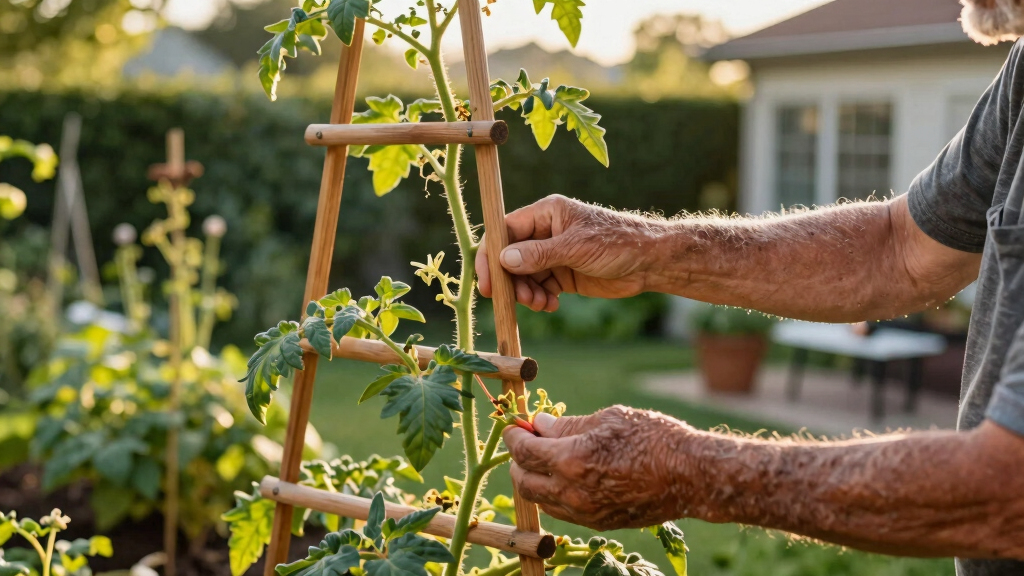
Picking the right support is like choosing a good friend for your plants. It should be strong, easy to access, and fit your space. For example, a tall, sturdy trellis might be perfect for climbing peas, while a simple wire cage works well for tomatoes. Think about the height, weight, and growth habit of your plants. A trellis that’s too short or flimsy makes harvesting a struggle, while one that’s too bulky can be hard to maneuver around.
But beyond these basics, it’s important to consider how the support influences your gardening process. Supports that are too high or difficult to reach can cause strain, especially for seniors with limited mobility. Conversely, supports that are too low might require bending or kneeling, which can be uncomfortable or unsafe. Adjustable supports or those at waist level can significantly reduce physical strain, making harvesting more comfortable and less risky. Additionally, think about how easy it is to access the fruits or vegetables—supports that allow for gentle, direct access without maneuvering around obstacles help prevent accidental damage to plants or injury to the gardener. Ultimately, selecting a support that balances stability, accessibility, and ease of maintenance ensures that your gardening efforts are both productive and enjoyable.
Products Worth Considering

Greenworks 80V 21-inch Self-Propelled Lawn Mower with 4.0 Ah Battery and Charger

FLY BY YAN 6 × 6 ft Outdoor Polycarbonate Greenhouse with Roof Vent, Dark Gray

Orbit B-hyve Smart Indoor/Outdoor 12-Zone Sprinkler Controller
As an affiliate, we earn on qualifying purchases.
Top Support Types That Make Harvesting a Breeze
Here’s a quick look at common support styles that help you pick with less fuss, but understanding their implications can help you choose the best options for your needs:
| Support Type | Best For | Pros |
|---|---|---|
| Vertical Trellises | Beans, cucumbers, tomatoes | Maximizes space, keeps fruit off the ground, facilitates easier reach for harvesting at waist level, reducing bending. However, taller trellises may require more effort to install and maintain, so consider your physical capacity. |
| A-Frame Supports | Squash, melons, vining plants | Accessible from all sides, making it easier to pick from multiple angles. They can be stable, but their width may require more space, which could be a tradeoff for smaller gardens. |
| Wire Cages | Tomatoes, peppers | Quick to install and stable, allowing easy access to fruits. Nonetheless, some cages can be rigid or heavy, so choosing lightweight options can help seniors maneuver them easily. |
| Lattice Panels | Multiple climbing plants, decorative | Attractive and functional, offering multiple points for plants to cling to. However, large panels may be cumbersome to move or adjust, so modular or lightweight versions are preferable. |
| String Supports | Pole beans, peas | Inexpensive and simple to set up, making them ideal for quick installations. The tradeoff is that they may require regular tightening or adjustments as plants grow, which can be challenging for some seniors. |
The key is matching the support to your plant’s growth habit and your space, while considering how accessible and manageable they are for your physical needs. For example, a sturdy vertical trellis placed at waist height not only makes harvesting easier but also minimizes the need for bending, reducing strain and enhancing safety during harvest time.
Understanding the Tradeoffs and Long-term Benefits of Support Choices
Choosing the right support isn’t just about immediate convenience; it’s about weighing the long-term benefits against potential tradeoffs. For instance, while a large, decorative lattice can add visual appeal and support multiple plants, it might be heavy and cumbersome to move or adjust as plants grow or seasons change. This could limit flexibility and require extra effort or assistance, especially important considerations for seniors. Conversely, lightweight, modular supports may be easier to handle but might need more frequent maintenance or adjustments, such as tightening strings or replacing parts. Understanding these tradeoffs helps you select supports that align with your physical capacity and gardening goals. Additionally, investing in durable, weather-resistant materials reduces ongoing maintenance, saving time and effort over the years. The overarching goal is to create a support system that balances ease of use, durability, and adaptability—ensuring your garden remains productive and enjoyable without becoming a source of strain or frustration over time.