TL;DR

Turn quiet afternoons into listening time
- Thousands of audiobooks, podcasts and originals
- Listen on your phone, tablet or Echo — also offline
- Cancel anytime
Keeping mobile in bad weather depends on choosing safe transport, using proper gear, and planning ahead. With these simple tips, you stay active and independent, rain or shine.
Bad weather isn’t just an inconvenience — it can be a real danger to your mobility. Heavy rain, snow piles, icy sidewalks, and gusty winds can turn simple trips into risky ventures. But with a few smart adjustments, you can stay active, safe, and independent, no matter what Mother Nature throws your way.
This guide will walk you through practical ways to navigate bad weather confidently. From choosing the right shoes to planning your route, you’ll find straightforward tips designed to keep you moving comfortably and safely in all seasons.
Choose sturdy, slip-resistant shoes and clear snow or ice from footwear before entering indoors.
Take small, controlled steps and use handrails or supports to prevent slips on ice.
Use public transport or ride services during hazardous weather to stay safe and avoid falls.
Plan routes with shelter, good lighting, and places to rest to reduce exposure to hazards.
Always check weather forecasts and postpone trips when conditions are dangerous.
Simple Ways to Stay Mobile in Bad Weather
Bad weather can turn an ordinary trip into a genuine mobility risk. The answer is not to maintain your usual routine at all costs—it is to choose safer transport, use the right gear, and plan ahead so you can stay active and independent, rain or shine.
Five small choices that protect your independence
Every choice reduces either exposure, instability, or the pressure to rush. Combine them for a safer journey rather than relying on one piece of equipment alone.
Start with secure grip
Choose well-fitting shoes with broad, textured soles. Add traction cleats outdoors when appropriate, then remove them on smooth indoor flooring.
Take short, flat steps
Keep your knees relaxed, feet slightly apart, and weight centered. Avoid abrupt turns, hurried crossings, and long strides on uncertain surfaces.
Keep both hands ready
Use handrails whenever possible. Carry essentials in a backpack or cross-body bag so your hands remain available for balance.
Match the sole to the surface
Smooth soles offer little protection on ice. Deep tread improves everyday stability, while suitable removable cleats provide the strongest outdoor grip.
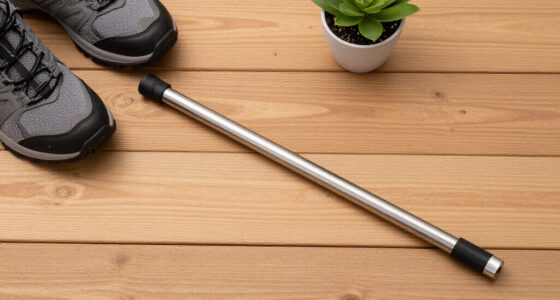
Inspect mobility aids
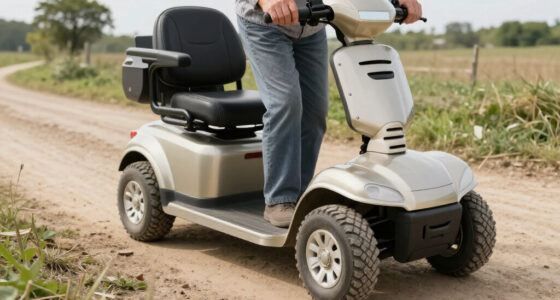
Check cane tips, walker brakes, wheelchair tires, batteries, lights, and weather covers. Equipment must remain stable and controls must stay clear.
Pause, plan, then move
A quick decision chain helps you catch changing conditions, simplify the route, and choose a safer alternative before risk accumulates.
Review forecast, wind, visibility, precipitation, temperature, and warnings.
Select walking, transit, taxi, community transport, delivery, or postponement.
Favor treated paths, shelter, lighting, accessible entrances, and rest points.
Wear visible layers, inspect equipment, charge your phone, and pack essentials.
Check return-time conditions and postpone if the risk is greater than the need.
Rushing increases the chance of slips, missed steps, unsafe road crossings, and driving errors. Build in extra time and keep your center of gravity over your feet when surfaces are icy.
Let the conditions decide the mode
Convenience matters, but exposure and stability matter more. Keep a backup option ready if your preferred route becomes unsafe.
| Transport mode | Best conditions | Low exposure | Door-to-door | Main advantage |
|---|---|---|---|---|
| Walking | Clear, dry days | Free, flexible, and active | ||
| Public transit | Snow, ice, heavy rain | More shelter and less effort | ||
| Taxi or community ride | Extreme heat or cold | Comfortable, direct service | ||
| Driving | Clear, treated roads | Convenient when visibility and grip are good | ||
| Delivery or postpone | Warnings or severe hazards | Removes unnecessary travel risk |
Driving note / Clear roof snow, windows, mirrors, lights, and sensors. Reduce speed and leave at least double the normal following distance.
Adjust the plan to the hazard
Different conditions create different mobility problems. Use the safest response for the surface, temperature, visibility, and wind—not a one-size-fits-all rule.
Grip and balance
Use deliberate steps and cleared routes. Treated paths can refreeze, so remain cautious even when surfaces look safe.
See the surface
Avoid puddles hiding curbs or potholes. Never enter moving floodwater on foot, wheels, bicycle, or in a vehicle.
Shade and hydration
Travel during cooler hours, choose shade, take breaks, and drink regularly unless a clinician has advised fluid restriction.
Layer and protect
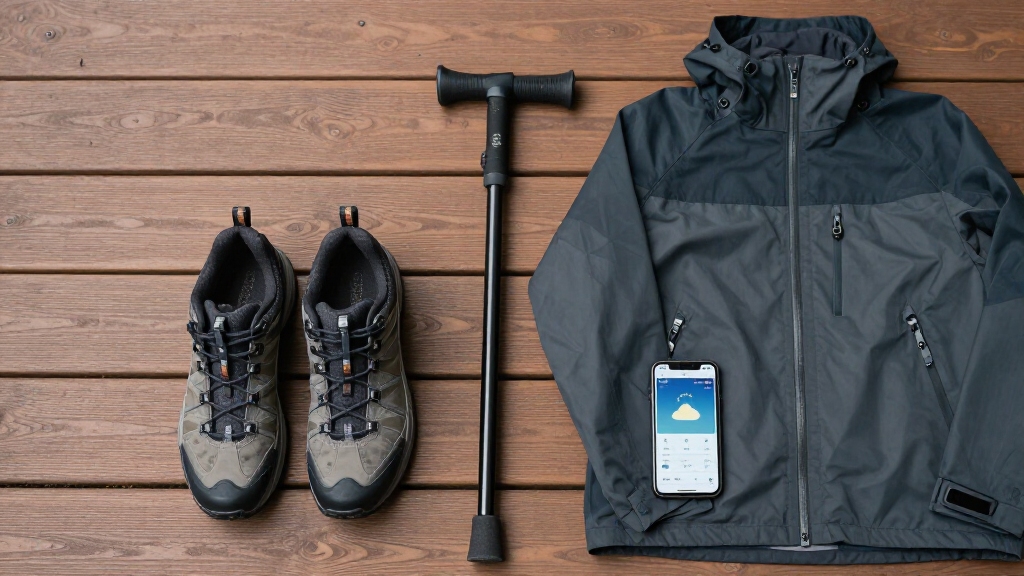
Wear loose, dry layers and protect hands and head. In strong wind, use a hooded raincoat instead of an umbrella.
Be easier to detect
Bright outerwear, reflective details, and lights help drivers see pedestrians and mobility-device users in rain, fog, snow, and early darkness.
A two-minute readiness check
Preparation makes delays easier to handle and gives you more options if the weather changes during the trip.
Carry and confirm
- Charged phone
- Identification
- Regular medication
- Water and small snack
- Emergency contact details
- Backup transport plan
- Weather-ready clothing
- Working lights or reflectors
Know when to stop
Frequently asked questions
Simple responses to common decisions about ice, wind, mobility equipment, and winter driving.
What shoes are best for snow and ice?
Choose secure shoes with broad, textured soles. Removable traction cleats can add outdoor stability, but many should be removed before walking on smooth indoor floors.
Are small or large steps safer on ice?
Small, slow steps provide more control. Keep your knees relaxed, avoid abrupt turns, and use a handrail or stable support when available.
Should I use an umbrella in strong wind?
No. A hooded waterproof jacket is more reliable in gusts and keeps your hands free for balance.
Can mobility equipment be used on ice?
Only when the route is safe and the equipment is suitable. Inspect tires, brakes, tips, batteries, and controls; seek assistance or postpone in severe conditions.
How much following distance should drivers leave?
Leave at least double the normal distance and increase it further when visibility, tire grip, or road conditions deteriorate. Lower speed early and avoid sudden braking or steering.
Independence is preserved by making the safer choice.
Plan a simpler route, allow extra time, wear the right gear, and change transport when conditions demand it. A cautious step today can keep you active and confident through every season—and postponing one hazardous trip is often the smartest form of mobility.
How to Pick the Perfect Shoes for Snow and Ice
In snowy and icy conditions, your footwear makes all the difference. Shoes with broad, textured soles grip better and help prevent slips. Think sturdy boots with a good tread, or add removable traction cleats for extra grip outdoors. Inside, switch to slippers with rubber soles to avoid slipping on polished floors.
Choosing the right shoes matters because it directly impacts your safety. Proper footwear can provide the necessary grip to prevent falls, which are a leading cause of injury among older adults during winter. The tradeoff often lies in comfort versus grip: some shoes with excellent traction might be less comfortable for extended wear, but sacrificing safety isn’t worth it. Investing in well-designed, slip-resistant shoes or cleats can reduce fall risk significantly, making your daily outings safer and more confident.
For example, a neighbor I know swears by her slip-resistant boots with deep lugs. She says they give her confidence walking on icy sidewalks, especially when she’s carrying groceries or her dog’s leash.
Tip: Always clear snow and ice from your shoes before stepping inside to avoid tracking slippery surfaces indoors.
slip-resistant winter shoes for men
As an affiliate, we earn on qualifying purchases.
As an affiliate, we earn on qualifying purchases.
Master the Art of Taking Small, Controlled Steps on Ice
Walking on ice is tricky — small, deliberate steps keep you balanced. Keep your knees slightly bent, and walk flat-footed, avoiding sharp turns or quick movements. Use handrails or walls whenever possible for extra support.
This technique matters because it directly influences your ability to maintain balance and prevent falls. Larger or hurried steps increase the likelihood of slipping, especially on black ice, which is hard to see. By taking small, controlled steps, you distribute your weight more evenly and reduce the chance of sudden slips. The tradeoff is that walking slowly might feel less natural or efficient, but safety must come first. Using handrails or supports adds an extra layer of stability, especially when your footing is uncertain. Mastering this approach can mean the difference between a safe walk and a painful fall.
Imagine a friend slipping on a patch of black ice while rushing to catch the bus. She slowed her steps, kept her hands free, and used the bus stop shelter for balance. That little change kept her upright.
Tip: When outdoors, consider wearing traction cleats that grip icy surfaces, but remove them indoors to avoid slipping on smooth floors.
As an affiliate, we earn on qualifying purchases.
Choosing Safe Transportation Options in Bad Weather
In bad weather, walking or cycling might become unsafe. Instead, opt for public transit, taxis, or community shuttles that keep you off slippery roads and sidewalks. During snowstorms or extreme heat, these alternatives can keep you moving without risking a fall or heat exhaustion.
This choice is crucial because it directly affects your safety. For example, relying on public transit during a snowstorm reduces exposure to icy sidewalks and reduces the risk of slips and falls. The tradeoff is that some transportation options might be less flexible or more costly, but prioritizing safety outweighs convenience. Using these services can help maintain your mobility without exposing yourself to unnecessary hazards, thereby protecting your independence and health.
Compare your options with this simple table:
| Transport Mode | Best Weather | Advantages |
|---|---|---|
| Walking | Clear, dry days | Free, flexible, good exercise |
| Public Transit | Snow, ice, heavy rain | Safe, sheltered, less effort |
| Taxi/Community Transport | Extreme heat or cold | Comfortable, door-to-door service |
| Driving | Clear roads | Convenient, quick |
Tip: Always check weather and road conditions before heading out, and have a backup plan in case your main route becomes unsafe. Being prepared ensures you can adapt quickly and avoid hazardous situations.
weatherproof walking shoes for women
As an affiliate, we earn on qualifying purchases.
As an affiliate, we earn on qualifying purchases.
Frequently Asked Questions
What shoes are best for snow and ice?
Choose shoes with broad, textured soles that grip well. Removable traction cleats can add extra stability outdoors. Avoid smooth soles that can slip on icy surfaces, and always clear snow from your footwear before entering your home.
Is it safer to take small or large steps on ice?
Small, slow steps offer better control and balance. Keep your knees slightly relaxed, avoid abrupt turns, and use handrails when available. This reduces the chance of slipping and falling.
Should I use an umbrella in strong wind?
No, umbrellas can turn inside out or be blown away in gusts. A hooded waterproof jacket or raincoat provides better protection and keeps your hands free for balance.
Can I use a cane, walker, or wheelchair on ice?
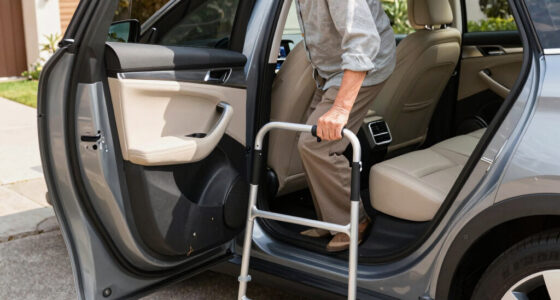
Only if your equipment has suitable tires and your route is safe. Check that brakes and tips are in good condition, and consider assistance or postponing if conditions are severe.
How much extra distance should I leave when driving in bad weather?
Increase your following distance substantially — at least double — and drive slowly. Adjust for visibility, tire grip, and road conditions to stay safe on slippery surfaces.
handrails and support grips for mobility
As an affiliate, we earn on qualifying purchases.
As an affiliate, we earn on qualifying purchases.
Conclusion
Staying mobile in bad weather is about smart choices and preparation. A little extra planning, the right gear, and knowing when to stay inside can make a world of difference in maintaining your independence and safety.
In the country or town, a cautious step today keeps you active and safe for many seasons to come. So next time the weather turns foul, remember — safety starts with you, and a few simple adjustments can keep you moving confidently through any storm.
Halloween Picks
halloween
As an affiliate, we earn on qualifying purchases.