
TL;DR

Turn quiet afternoons into listening time
- Thousands of audiobooks, podcasts and originals
- Listen on your phone, tablet or Echo — also offline
- Cancel anytime
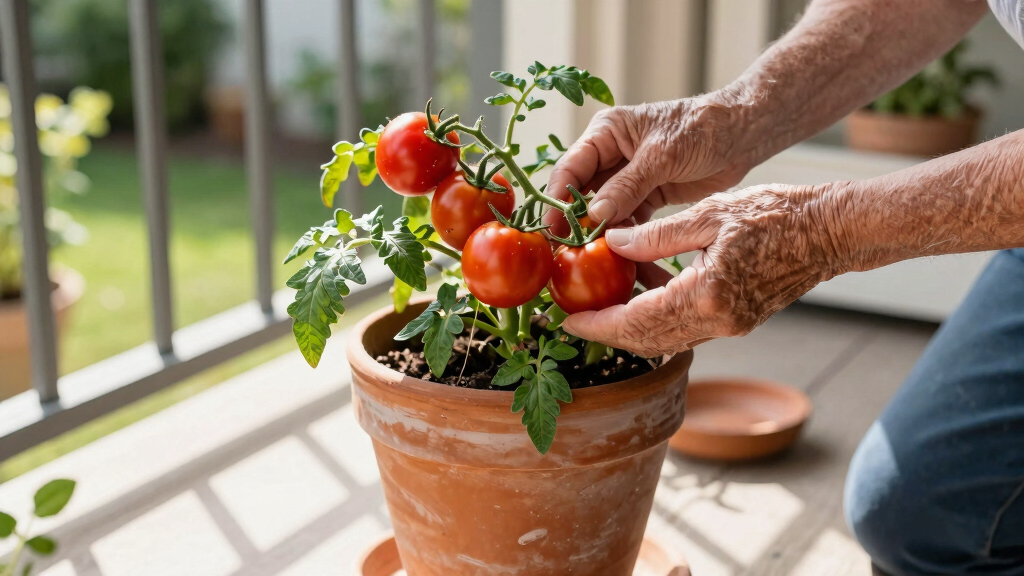
You can grow delicious tomatoes in containers with the right size pot, soil, sunlight, and watering routine. This step-by-step guide helps you succeed, even in small spaces or on a porch.
Choose the right tomato variety and a large enough container for healthy growth.
Use rich, well-draining soil mixed with compost or organic fertilizers for best results.
Provide at least 6 hours of direct sunlight daily and keep soil evenly moist.
Support your plants with stakes or cages to prevent damage and make harvesting easier.
Monitor regularly for pests and problems, acting early to keep plants healthy.
Grow Tomatoes in a Pot: A Friendly Step-by-Step
TL;DR: You can grow delicious tomatoes in containers with the right size pot, rich soil, steady sunlight, and a consistent watering rhythm. This guide turns a porch, balcony, patio, or bright windowsill into a compact tomato patch.
Container-grown tomatoes can produce yields comparable to ground plantings when proper care is given.
Choose the variety, pot, and soil that match your space.
Tomatoes are forgiving, but the setup matters. Root room, drainage, and a nutrient-rich potting mix prevent stunted growth, soggy roots, and disappointing fruit.
Pick bush or vining types.
Determinate tomatoes stay compact for small pots. Indeterminate tomatoes climb, produce longer, and need stronger support.
Give roots room to breathe.
Use sturdy plastic, ceramic, or fabric pots with drainage. A 5-gallon pot is the practical minimum; larger pots buffer heat and moisture swings.
Build a light, rich root bed.
Choose vegetable potting mix, then blend in compost or slow-release organic fertilizer. Mulch the top to hold moisture and suppress weeds.
From empty pot to ripe tomato.
Follow the sequence in order: setup first, then sunlight and water, then support and prevention. Each step makes the next one easier.
Select a compact variety.
Try Tiny Tim, Patio, Bush Early Girl, or Celebrity for container-friendly growth.
Plant in a drained pot.
Use at least 5 gallons and avoid containers that trap standing water.
Feed the soil.
Compost, organic fertilizer, and airy potting mix keep roots active.
Water with consistency.
Soak at the base when the top inch dries, especially during hot days.
Support and harvest.
Stake early, inspect often, and pick fully colored fruit when slightly soft.
Which tomato style fits your growing spot?
Use this comparison before buying seeds or seedlings. The right match reduces pruning, support work, and watering stress.
| Choice | Best For | Container Fit | Support Need | Beginner Ease |
|---|---|---|---|---|
| Determinate bush tomato | Small balcony, porch, patio | ✓ Excellent | ~ Light cage | ✓ High |
| Indeterminate vining tomato | Larger balcony or sunny yard edge | ~ Needs bigger pot | ✓ Strong stake or trellis | ~ Moderate |
| Dwarf or patio tomato | Compact spaces and new growers | ✓ Excellent | ~ Minimal | ✓ High |
| Large heirloom tomato | Experienced growers with room | ✗ Demanding | ✓ Heavy support | ✗ Lower |
The daily signals that keep tomatoes thriving.
Container plants dry out faster than in-ground plants. Watch sunlight, moisture, airflow, and fruit ripeness as a connected system.
Care priority bars
Relative importance for a healthy potted tomato routine.
Moisture sweet spot
Water when the top inch is dry, then soak deeply at the base. Avoid both dust-dry soil and soggy standing water.
Irregular watering can contribute to blossom end rot, cracking, leaf stress, and poor fruit development.
Catch small problems before they become big ones.
Aphids, whiteflies, hornworms, poor airflow, and moisture swings are easier to handle early. Inspect new growth, leaf undersides, stems, and fruit clusters every few days.
Look for pests where growth is tender.
Aphids cluster on new leaves; hornworms chew fast. Rinse pests away or use neem oil when needed.
Keep fruit and leaves off the soil.
Stakes, cages, and soft ties improve airflow, simplify harvesting, and reduce rot risk.
Harvest at full color with slight softness.
Use scissors or a gentle twist so the plant keeps producing without broken stems.
How each decision connects to better tomatoes.
Think of the container as a miniature growing system. Every choice either stabilizes roots, strengthens stems, protects leaves, or improves fruit quality.
Pick the Perfect Tomato Variety and Container for Your Space
Choosing the right tomato and container sets the stage for success. Decide between determinate (bush) and indeterminate (vining) varieties. Determinates stay compact, making them ideal for small pots. Indeterminates grow taller and need support but can produce more fruit over time.
For containers, aim for at least 5 gallons (19 liters) of space per plant. Think sturdy plastic, ceramic, or fabric pots with good drainage. When you’re shopping, picture your plant’s future size and pick a container that will give roots room to breathe.
Why does this matter? A container that’s too small can restrict root growth, leading to stunted plants and lower yields. Conversely, a very large container may retain too much moisture, risking root rot if not properly drained. Balancing size and drainage ensures your plant has the right environment to grow strong and healthy. For example, a small patio might host a ‘Tiny Tim’ in a 5-gallon pot, while a larger balcony could handle a ‘Celebrity’ with some support.
As an affiliate, we earn on qualifying purchases.
Fill Your Pot with the Best Soil and Fertilizer — Here’s How
Good soil is the foundation. Use a high-quality, well-draining potting mix designed for vegetables. Think of it as a comfy bed for your tomato roots. Mix in some organic compost or a slow-release fertilizer to give your plant a steady supply of nutrients.
Why is soil quality so critical? Well, soil provides not only nutrients but also affects water retention and aeration. Poor soil can lead to waterlogged roots or nutrient deficiencies, both of which stunt growth and reduce flavor. For example, a mix of peat moss, compost, and perlite creates a light, nutrient-rich environment that promotes healthy root development. Top it with a layer of mulch to keep moisture in and weeds out.
According to Huckfarm, organic practices like compost teas and natural fertilizers help tomatoes grow stronger and tastier without chemical fuss. Proper fertilization ensures your plant has the energy to produce abundant, flavorful fruit, and understanding how different fertilizers release nutrients over time can help you plan your feeding schedule effectively.
As an affiliate, we earn on qualifying purchases.
Give Your Tomato the Sun and Water It Needs
Tomatoes love the sun — at least 6 to 8 hours of direct light daily. Place your pot in a sunny spot where the sun hits it most of the day. If outdoors, a south-facing patio is perfect. Indoors, set your pot near a bright window or add grow lights.
Why does sunlight matter so much? Sunlight provides the energy plants need to photosynthesize, producing the sugars that make your tomatoes sweet and flavorful. Insufficient light can lead to leggy, weak plants and poor fruit development. Conversely, too much direct sun without adequate watering can stress the plant, causing leaf scorch or blossom drop.
Water consistently — not too much, not too little. Feel the top inch of soil; if it’s dry, give a good soak. During hot days, you might need to water twice a day. Think of your tomato as a little sponge that drinks in the sunshine and moisture together. Proper watering is crucial because irregular watering can cause problems like blossom end rot, which is a calcium deficiency exacerbated by inconsistent moisture. Water at the base of the plant to prevent diseases like blight. Mulch helps retain moisture and keeps the roots cool, creating a stable environment that supports steady growth and fruit production.
garden stakes and cages for tomatoes
As an affiliate, we earn on qualifying purchases.
As an affiliate, we earn on qualifying purchases.
Support Your Growing Tomato—Here’s How to Keep It Happy
As your tomato plant grows, it needs support to stay upright and produce fruit. Use stakes, cages, or trellises, especially for vining types. Drive a sturdy stake into the soil at planting time. As the plant grows, gently tie the stems with soft garden twine.
Why support matters? Without support, the plant can sprawl, leading to broken stems and difficulty in harvesting. A supported plant also promotes better air circulation, reducing the risk of fungal diseases. For example, a simple tomato cage can be slipped around the plant to give it structure. Regularly check and tie new growth to prevent breakage and encourage air circulation—key for avoiding pests and diseases. Proper support not only keeps your garden tidy but also ensures the plant’s energy is directed toward fruit production rather than holding up heavy branches.
This support keeps your plant from sprawling and makes harvesting easier. Plus, it keeps the tomatoes off the soil, reducing rot.
As an affiliate, we earn on qualifying purchases.
Watch for Pests and Problems — How to Keep Your Tomato Healthy
Monitor your tomato plant regularly for pests like aphids, whiteflies, and tomato hornworms. These small invaders can quickly cause trouble. Look for chewed leaves or sticky residue. If you spot pests, gently wash them off with water or use natural remedies like neem oil.
Understanding pest behavior and plant vulnerabilities is key to effective management. For example, aphids often cluster on new growth, sucking sap and transmitting diseases, while hornworms can defoliate a plant rapidly. Recognizing early signs allows you to act before infestations become severe. Organic methods, like introducing beneficial insects or applying neem oil, can control pests without harming your plant or the environment. Additionally, common issues like blossom end rot happen when moisture levels fluctuate or calcium is lacking. Keep watering steady and consider adding crushed eggshells or calcium-rich amendments to your soil. Consistent care and observation help you catch problems early, minimizing damage and ensuring your plant remains healthy and productive.
According to Huckfarm, early detection and good airflow are your best defenses. Healthy plants resist pests and diseases better. By understanding the ‘why’ behind these issues, you can implement preventative practices that keep your tomato thriving season after season.
Harvest Time: When and How to Pick Your Tomatoes
Knowing when to harvest is simple—look for bright, full color and a slight softness. Tomatoes ripen from the bottom up, so check the bottom of the fruit first. If it’s red or yellow (depending on the variety), and feels firm but gives a little under gentle pressure, it’s ready.
Why is timing so important? Picking too early can mean less flavor and lower sweetness, while waiting too long risks overripe or cracked fruit that may spoil quickly. Ripe tomatoes also develop a rich aroma, signaling peak flavor. For example, a ripe tomato will have a vibrant hue, a slightly soft texture, and a sweet fragrance. Use scissors or gently twist and pull to pick without damaging the plant. Regular harvesting encourages your plant to produce more fruit, as it ‘knows’ it’s time to focus on ripening new ones. Plus, freshly picked tomatoes taste best—juicy, sweet, and bursting with flavor, making every meal a delight.
Extra Tips to Grow Great Tomatoes in a Pot
- Start with healthy seedlings or fresh seeds from trusted sources.
- Plant in a sunny spot early in the season for a longer harvest window.
- Prune suckers to focus energy on fruit production.
- Keep a gardening journal to note what works best in your space.
- Enjoy the process—gardening is about patience and pleasure, not perfection.
Frequently Asked Questions
Can I grow tomatoes in a small balcony or windowsill?
Absolutely. Choose compact or hanging varieties and use a sunny window or balcony space with at least 6 hours of sun daily. Supplemental grow lights can help indoors.How often should I water my potted tomato plants?
Water daily during hot weather, or when the top inch of soil feels dry. Consistency is key to prevent problems like blossom end rot.What’s the best way to support my tomato plant?
Use a sturdy cage, stake, or trellis. Tie stems gently as they grow, especially for vining varieties, to keep fruit off the ground and improve airflow.When is the right time to harvest?
Pick tomatoes when they’re fully colored, slightly soft, and smell fragrant. Regular harvesting encourages more fruit and keeps plants productive.Can I grow tomatoes indoors year-round?
Yes, with proper grow lights, a warm spot, and good ventilation, indoor tomato gardening can yield fresh tomatoes even in winter.Conclusion
Growing tomatoes in a pot is a simple joy that fits beautifully into any outdoor corner. With a little care and attention, you’ll be rewarded with fresh, flavorful tomatoes that taste like summer in every bite. Just imagine the satisfaction of plucking a warm, ripe tomato—straight from your own little garden patch—whenever you like.Halloween Picks
halloween
As an affiliate, we earn on qualifying purchases.