TL;DR

Turn quiet afternoons into listening time
- Thousands of audiobooks, podcasts and originals
- Listen on your phone, tablet or Echo — also offline
- Cancel anytime
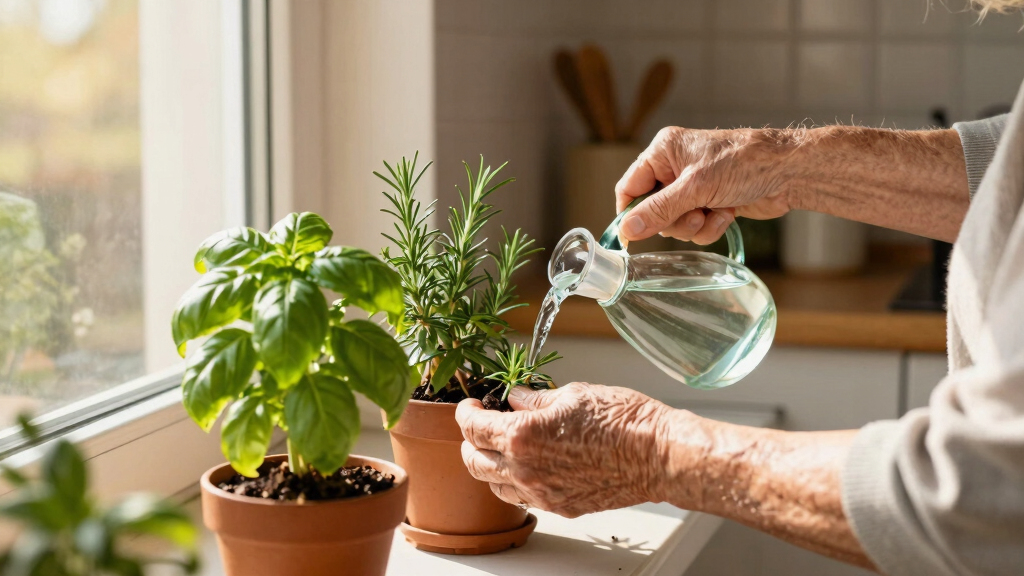
Herbs on the windowsill are an easy, rewarding way to add fresh flavor to your meals. With the right containers, light, and care, anyone can grow herbs indoors year-round—no green thumb needed.
Imagine a small green oasis right in your kitchen. A handful of herbs—basil, parsley, mint—blooming in little pots on your sunny windowsill. It’s easier than you think to bring fresh flavors into your home, without all the fuss of outdoor gardening. Growing herbs indoors makes cooking more joyful and fills your space with the scent of summer, even in winter.
If you’re looking for a simple way to enjoy fresh herbs daily—without bending or digging through dirt—this guide is for you. We’ll explore the best herbs for windowsills, how to care for them, and the latest trends making indoor herb gardening easier and more sustainable than ever.
Choose herbs like basil, mint, and parsley for their resilience and flavor.
Use pots with drainage and quality potting soil for healthy roots.
Provide 4-6 hours of direct sunlight daily, or supplement with LED grow lights.
Water when the top inch of soil feels dry—overwatering kills herbs fast.
Regular pruning encourages lush, bushy plants and prevents flowering.
Herbs on the Windowsill: Fresh Flavor Without the Fuss
TL;DR: A sunny ledge, small pots, and simple care can turn basil, parsley, mint, chives, thyme, and cilantro into a year-round source of fresh flavor. No yard, digging, or green thumb required.
Fresh leaves, clipped often, make indoor herbs fuller, tastier, and easier to keep productive.
The six herbs that make indoor growing feel easy
Match the plant to your light, then match the flavor to your cooking. Basil wants brighter sun, while mint and parsley are more forgiving when the window is less intense.
Basil
Use: pesto, caprese, salads. Give it 4-6 hours of direct light for lush leaves and full flavor.
Mint
Use: tea, desserts, drinks. Bright indirect light works well, and frequent snips keep it tidy.
Parsley
Use: soups, salads, plates. Handles direct or indirect light and rewards steady moisture.
Chives
Use: eggs, potatoes, dips. Full sun or partial shade both work, especially in a narrow pot.
Thyme
Use: stews, roasts, vegetables. It prefers good drainage and 4-6 hours of sunlight.
Cilantro
Use: salsas, tacos, bowls. Bright light helps, but avoid soggy soil and heat stress.
From empty ledge to fragrant mini garden
The whole system rests on drainage, airy soil, and light. Get those right and the maintenance becomes pleasantly small: water, prune, cook, repeat.
Choose drainage first
Use pots with drainage holes so roots never sit in pooled water. A 4-8 inch pot is enough for most herbs.
Keep roots breathing
Pick a well-draining herb or vegetable potting mix to reduce root rot and keep nutrients available.
Light, water, trim
Place herbs in the sunniest spot, water when the top inch dries, and prune weekly for bushier growth.
What herbs ask for, measured simply
Indoor herbs are forgiving, but not mysterious. Light drives flavor, temperature protects growth, and careful watering prevents the most common plant losses.
Temperature sweet spot
Most common herbs prefer the same range many kitchens already hold: 65-75°F with gentle air circulation.
Watering confidence
Instead of watering by calendar, check the soil. Dry at the top means it is time; damp means wait.
Pick the pot that fits your window
A reliable windowsill garden starts with realistic choices. Use this quick comparison to balance light, flavor, and fuss level.
| Herb | Light need | Best uses | Beginner fit | Overwater risk | Grow light helpful? |
|---|---|---|---|---|---|
| Basil | 4-6 hours direct | Salads, pesto, caprese | ✓ Strong | ~ Medium | ✓ Yes |
| Mint | Bright indirect | Tea, desserts, drinks | ✓ Strong | ~ Medium | ~ Sometimes |
| Parsley | Direct or indirect | Garnish, soups, salads | ✓ Strong | ✗ Lower | ~ Sometimes |
| Chives | Full sun or partial shade | Eggs, baked potatoes | ✓ Strong | ✗ Lower | ~ Sometimes |
| Thyme | 4-6 hours sunlight | Stews, meat dishes | ~ Moderate | ✗ Lower | ✓ Yes |
| Cilantro | Bright light | Salsas, tacos | ~ Moderate | ~ Medium | ✓ Yes |
Modern helpers remove most of the fuss
Starter kits, LED lights, and hydroponic systems make indoor herbs more accessible, while a few early warning signs help you rescue plants before they decline.
Fast fixes
Yellow leaves: reduce watering and confirm the pot drains freely.
Leggy stems: move closer to the window or add an LED grow light.
Tiny pests: rinse leaves gently or use insecticidal soap as directed.
What is changing indoors
From small care habits to daily fresh flavor
The windowsill method works because every step supports the next: right container, right light, right moisture, regular pruning, and repeat harvests.
Healthy roots stay oxygenated and avoid rot.
Leaves build flavor with sun or LED support.
Top-inch checks prevent overwatering.
Regular snips create bushier growth.
Fresh flavor returns to meals all year.
What makes herbs on the windowsill so simple and satisfying?
Growing herbs on your windowsill is a straightforward way to add fresh flavor to your meals. Most herbs thrive in small containers, need only a few hours of sunlight, and don’t require complicated care routines. This simplicity matters because it lowers the barrier for seniors or anyone with limited mobility or gardening experience to enjoy fresh herbs regularly. The compact size means you can fit multiple herbs on a small windowsill, creating a mini herb garden that is both functional and beautiful. Moreover, the minimal care—just watering and occasional trimming—means you can maintain your garden with little effort, making it a sustainable hobby that fits into daily routines. The reward is not just fresh herbs but also a sense of accomplishment and connection to nature, which can enhance well-being and provide a sensory boost in everyday life.
indoor herb garden pots with drainage
As an affiliate, we earn on qualifying purchases.
As an affiliate, we earn on qualifying purchases.
The top 6 herbs perfect for your sunny windowsill
Not all herbs are created equal for indoor growing. Some handle low light better, while others need more sun. Here are the winners:
| Herb | Light Needs | Flavor Use |
|---|---|---|
| Basil | 4-6 hours direct sunlight | Salads, pesto, caprese |
| Mint | Bright indirect light | Tea, desserts, drinks |
| Parsley | 4-6 hours direct or indirect | Garnish, soups, salads |
| Chives | Full sun or partial shade | Eggs, baked potatoes |
| Thyme | 4-6 hours sunlight | Stews, meat dishes |
| Cilantro | Bright light | Salsas, tacos |
Choosing herbs that match your kitchen’s light conditions and your culinary preferences is crucial. Not only does this ensure your herbs will thrive, but it also influences your cooking experience. For example, basil needs ample direct sunlight to develop its full flavor, which makes it ideal if you have a south-facing window. Mint, being more adaptable, can grow well in indirect light, making it suitable for less sunny spots. The tradeoff with herbs requiring more sun is that they might need supplemental lighting if natural sunlight is insufficient, adding a small investment but greatly increasing success rates. Conversely, herbs that tolerate lower light may not reach their maximum flavor potential but still provide fresh ingredients with less fuss. Understanding these nuances helps you create a reliable, thriving indoor herb garden tailored to your space and tastes.
As an affiliate, we earn on qualifying purchases.
How to grow herbs on your windowsill in 3 easy steps
- Choose the right containers: Use pots with drainage holes. 4-8 inches in diameter is perfect for most herbs. Proper drainage prevents water from pooling at the roots, which is essential for healthy growth and avoiding root rot—a common problem that can quickly kill your plants. Selecting the right size ensures your herbs have enough space to grow without becoming root-bound, which can stunt development and reduce yield.
- Pick quality soil: Use a well-draining potting mix designed for herbs or vegetables. It helps prevent overwatering and root rot. Good soil provides essential nutrients and proper aeration, which are vital for vigorous growth. Poor-quality soil can lead to water retention and deficiencies, making your herbs more susceptible to disease and stunting their growth. Investing in the right soil means your herbs will be more resilient and productive.
- Place and care for your herbs: Position your pots in the sunniest spot, ideally a south-facing window. Water when the top inch of soil feels dry—this prevents both underwatering and overwatering, which can cause stress or root rot. Fertilize lightly once a month with a balanced, water-soluble fertilizer to supply necessary nutrients that might be lacking in indoor conditions. Consistent care ensures your herbs stay healthy and productive, providing fresh flavor for months.
Taking a moment each week to prune your herbs is more than just tidying up. Regular trimming encourages bushier growth, which means more leaves and a fuller plant. It also helps prevent flowering, which can divert energy from leaf production and diminish flavor. Think of pruning as a way to keep your herbs happy and productive—like giving them a haircut that boosts their health and your harvest.
As an affiliate, we earn on qualifying purchases.
Latest trends making growing herbs indoors even easier
Innovations in indoor gardening are making it simpler for everyone to grow herbs without fuss. LED grow lights mimic sunlight, extending your herbs’ happy hours even on cloudy days. These lights are designed to provide the specific spectrum of light that plants need for photosynthesis, ensuring healthy growth regardless of outdoor weather. All-in-one kits with pre-seeded pots and instructions take the guesswork out of planting, reducing the intimidation factor for beginners. These kits often include everything needed—seeds, soil, and containers—so you can start growing immediately, with minimal setup and maintenance.
For example, a senior homeowner I know started with a kit containing basil, thyme, and parsley. Within weeks, she was snipping fresh herbs every day—no green thumb required. Plus, eco-friendly practices like hydroponic systems reduce mess and waste, aligning with sustainable living. Hydroponic systems, in particular, allow herbs to grow in nutrient-rich water without soil, which can be cleaner and easier to manage, especially for those with limited space or mobility issues. These trends are not just about convenience but also about making indoor herb gardening more sustainable and accessible, encouraging more people to enjoy the benefits of fresh herbs all year round.
As an affiliate, we earn on qualifying purchases.
Troubleshooting: Common problems and how to fix them
Indoor herbs face typical issues—but most are easy to solve. Overwatering is a common mistake. If your leaves turn yellow or roots smell sour, reduce watering frequency and improve drainage. Overwatering can suffocate roots, leading to rot and disease, which compromises the plant’s ability to absorb nutrients and grow properly. Recognizing signs early and adjusting watering habits is essential to prevent plant loss.
Poor light stunts growth. If your herbs aren’t thriving, try moving them closer to the window or add a small LED grow light. Insufficient light causes etiolation—leggy, weak stems and pale leaves—which diminishes flavor and vitality. Adequate light ensures robust, flavorful herbs and reduces the risk of pests and disease, which thrive in stressed plants.
Watch out for pests like aphids. A gentle spray of water or insecticidal soap usually does the trick without harming your plants. Regular inspection helps catch problems early, preventing infestations from spreading and causing damage. Pest issues can also indicate underlying problems like overwatering or poor airflow, so addressing these can help keep your herbs healthy and pest-free.
Remember: Regular pruning and proper watering keep your herbs healthy and productive. Consistent care routines are the foundation of a thriving indoor herb garden, ensuring you enjoy fresh herbs with minimal setbacks.
Frequently Asked Questions
What are the easiest herbs for beginners to grow indoors?
Herbs like basil, parsley, mint, and chives are very forgiving and thrive easily on a sunny windowsill. They require minimal care and can be harvested repeatedly, making them perfect for beginners.
How much sunlight do indoor herbs really need?
Most herbs need about 4-6 hours of direct sunlight each day. If your window doesn’t get that much, consider adding a small LED grow light to keep your herbs happy and healthy.
Can I grow herbs all year round indoors?
Absolutely. As long as your space offers adequate light and warmth, herbs like basil and thyme can grow indoors year-round, providing fresh flavor whenever you desire.
How often should I water my indoor herbs?
Water when the top inch of soil feels dry—usually once or twice a week. Avoid overwatering, which can lead to root rot and other problems, especially in small containers.
What’s the best way to preserve my herbs after harvest?
You can dry herbs by hanging small bunches upside down in a cool, dark place or freeze chopped herbs in ice cube trays with water or olive oil. These methods keep your herbs fresh for months.
Conclusion
Growing herbs on your windowsill is a simple joy—bringing fresh flavor, a touch of country charm, and a bit of green into your daily routine. With just a few pots and a sunny spot, your kitchen can turn into a year-round herb garden. So, why not start today? A little dirt-free gardening can brighten your days and your meals.
Think of it as planting a small seed of happiness—one snip at a time.
Fall Picks
fall essentials
As an affiliate, we earn on qualifying purchases.