TL;DR

Turn quiet afternoons into listening time
- Thousands of audiobooks, podcasts and originals
- Listen on your phone, tablet or Echo — also offline
- Cancel anytime
Kneelers and garden seats provide essential support, reducing knee pain and fatigue during gardening. Modern designs focus on comfort, durability, and versatility, making outdoor work more accessible for older adults.
Gardening should bring joy, not pain. But for many older gardeners, bending on knees or leaning over for hours can turn into a real ache. The good news? Simple tools like kneelers and seats can turn back the clock on discomfort. They turn hard ground into a soft cushion or a comfy chair, making weeding and planting feel like a breeze.
In this guide, you’ll learn what features to look for, the latest trends in garden support gear, and how to pick the perfect helper for your outdoor routine. Ready to garden with less pain and more pleasure? Let’s get started.
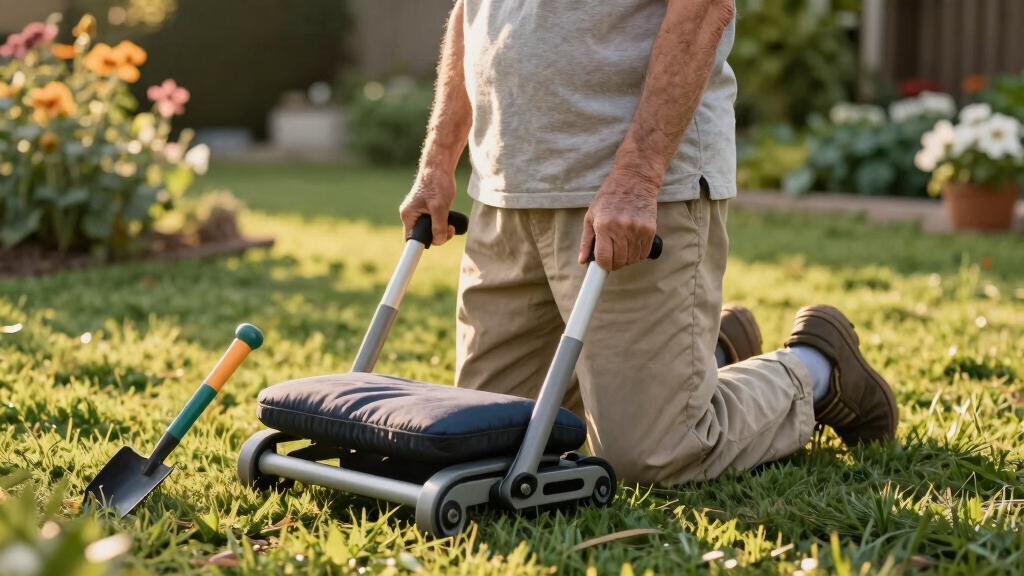
Choose a kneeler with thick, supportive padding and sturdy handles to protect your knees and help you stand up easily.
Consider a hybrid model if you want versatility—switch between kneeling and sitting without changing tools.
Look for lightweight, foldable designs for easy storage and transport around the garden.
Regularly take breaks, stretch, and wear supportive shoes to keep your knees happy long-term.
Modern features like memory foam padding and eco-friendly materials make gardening more comfortable and sustainable.
Kneelers and Seats: Making Weeding Easy on Your Knees
Gardening should bring joy, not joint pain. The right kneeler or garden seat turns hard ground into support, helps you stand with confidence, and keeps weeding, planting, and pruning comfortable for longer sessions.
Supportive garden gear can reduce knee joint pressure by up to half.
Key insight from ergonomic support researchWhy support changes the whole garden session
When you kneel directly on hard soil or squat for a long time, your knees absorb repeated pressure. A sturdy kneeler cushions the joint, while a low seat gives hips and back a more natural position during weeding, pruning, and planting.
Spread the pressure
Thick foam or memory foam distributes weight across a broader surface, reducing soreness after repetitive tasks.
Stand up easier
Side handles act like stable push points, which matters for gardeners with weaker legs, sore knees, or balance concerns.
Work in better posture
Seats reduce deep bending and prolonged squatting, helping protect the back, hips, and knees over time.
Pick the right helper in five moves
Start with your body, then match the tool to the task. The most comfortable model is the one you can move, store, and use without a second thought.
Assess needs
Note knee pain, back issues, balance concerns, and how often you garden.
Choose mode
Decide whether you mostly kneel, sit, or switch between both.
Check weight
Lightweight frames are easier to carry; heavier frames may feel steadier.
Inspect build
Look for rust-resistant metal, non-slip feet, and weather-ready fabric.
Test comfort
Try cushion softness, handle height, and the ease of folding or storing.
Kneeler, seat, or hybrid?
Each format solves a different problem. Dedicated kneelers excel for close soil work, seats help with pruning and longer pauses, and hybrid models are ideal when your tasks change from bed to bed.
| Feature | Kneelers | Seats | Hybrid Models |
|---|---|---|---|
| Best for | Weeding, planting, close soil tasks | Pruning, sorting, low sitting tasks | Switching between kneeling and sitting |
| Comfort level | High with thick padding | High with padded seats | High with adjustable support |
| Portability | Usually lightweight and foldable | Often lightweight and foldable | Variable, depending on added features |
| Cost range | $15-$40 | $20-$60 | $30-$100 |
| Tradeoff | Less useful for sitting breaks | Less helpful for ground-level work | More versatile, but sometimes bulkier |
Features worth paying attention to
Modern garden support gear is moving toward ergonomic shapes, memory foam, sustainable materials, tool storage, and customizable heights. Comfort is the headline, but stability and portability decide whether you will actually use it.
Feature priority scale
Smart buying checklist
- Choose thick foam or memory foam if knee arthritis or soreness is your main issue.
- Prioritize sturdy handles if getting up from the ground feels risky or tiring.
- Pick aluminum or coated steel frames for weather resistance and longer life.
- Use non-slip feet for uneven, damp, or rocky garden paths.
- Add a pouch only if the extra bulk will not make the tool awkward to carry.
Comfort trends shaping the next generation
Designers are making kneelers and seats more adaptable, softer for long sessions, and easier to store in small sheds or garages.
The sweet spot: cushion, frame, and simplicity
Memory foam and contoured pads reduce pressure points. Recycled fabrics and biodegradable foam appeal to sustainability-minded gardeners. Hybrid kneeler-seat designs save space, but the best option still depends on how easily you can fold, lift, and reposition the tool.
Take short breaks before pain starts, then stretch calves, hips, and thighs.
Wear supportive shoes even for short garden jobs; your knees notice the difference.
Add a small pad on very hard ground for an extra layer of shock absorption.
Keep the kneeler near your most-used tools so comfort becomes the default.
Trace the comfort chain
One supportive tool can change the whole routine: less impact, steadier movement, fewer painful endings, and more time enjoying the garden.
Why a good kneeler or seat makes gardening easier and safer
When you kneel directly on hard soil or squat for hours, your knees absorb a lot of impact. Over time, that can cause soreness, stiffness, or even joint issues. A sturdy kneeler cushions your knees, distributing weight evenly and preventing strain.
Seats provide a stable, low-to-the-ground perch. Whether you’re weeding a flower bed or pruning shrubs, a good seat keeps your hips and back in a natural position, reducing fatigue and risk of falls. For example, a senior gardener reported that switching to a padded kneeler cut her gardening time in half because she no longer experienced painful knees afterward.
Choosing the right support tool isn’t just about immediate comfort; it directly impacts your long-term joint health. Proper cushioning reduces repetitive stress on knees, which can prevent chronic issues like osteoarthritis. Likewise, stable seating minimizes the risk of falls, particularly important for those with balance concerns or weaker muscles. The tradeoff? Some thicker, more cushioned models may be heavier or bulkier, so balancing comfort with ease of use is key.
As an affiliate, we earn on qualifying purchases.
What to look for in a kneeler or garden seat—key features that matter
Choosing the right tool means paying attention to a few key features. First, padding matters—the thicker, the better. Memory foam or thick foam cushions help absorb shock and support your joints, which can make hours of gardening more tolerable. However, excessive padding can add weight, making the tool harder to carry or position, so consider your strength and mobility.
Next, consider the frame—rust-resistant steel or aluminum will withstand weather and last for years. Handles or side bars that assist in getting up or down can make a big difference, especially if you have balance concerns or limited strength. These features can reduce the risk of falls and joint strain when standing up or sitting down.
Look for lightweight models with foldable or removable legs for easy storage. Bonus points for tool pouches or pockets—keeping your trowel or pruning shears within reach saves trips back and forth to the shed. But beware: lightweight models may sacrifice some stability, so choose a balance between portability and sturdiness based on your needs.
For example, a popular model features a 2-inch foam cushion, a foldable lightweight aluminum frame, and sturdy handles. It’s a favorite among older gardeners for comfort and convenience. Remember, the perfect support tool is one that balances comfort, durability, and ease of use, tailored to your specific gardening habits and physical condition.
As an affiliate, we earn on qualifying purchases.
Latest trends in kneelers and seats—what’s new and better
Designers are listening to gardeners’ needs. Ergonomic support is now a priority—contoured cushions and adjustable heights help reduce strain. Some models even include memory foam padding that molds to your knees or hips, offering extra comfort during long sessions. These innovations aim to minimize pressure points, which can cause discomfort or numbness during extended use, thereby encouraging longer, pain-free gardening sessions.
Eco-friendly materials are also gaining ground, with recycled fabrics and biodegradable foam making their way into garden tools. This shift not only benefits the environment but also appeals to gardeners seeking sustainable options. Multi-purpose products are hot sellers—think kneelers that convert into low seats or come with built-in tool storage. They save space, reduce clutter, and add versatility to your gardening routine. The tradeoff? Some multi-functional models might be slightly heavier or more complex, so consider your comfort with adjusting or managing multi-use features.
For instance, a recent innovation combines a cushioned kneeler with a fold-up seat and a detachable tool pouch, making it easy to switch between kneeling and sitting without fuss. These designs reflect a move toward smarter, more adaptable gardening support, enabling you to customize your experience based on your physical needs and the task at hand.
As an affiliate, we earn on qualifying purchases.
How to pick the perfect kneeler or seat for your garden
Here’s a simple step-by-step guide to choosing the right support:
- Assess your physical needs—do you have knee pain, balance issues, or back problems? Understanding your specific limitations helps target the features that will genuinely improve your gardening experience.
- Decide on the main use—will you mostly kneel, sit, or switch between both? Clarifying your primary tasks guides you toward a model optimized for those activities, avoiding unnecessary extras that may add weight or complexity.
- Check the weight and portability—lighter models are easier to move around or store, but they may sacrifice some stability. Consider your strength and whether you need to carry or reposition your support frequently.
- Look for durability—weather-resistant materials ensure long-lasting use, especially if left outdoors. Consider models with reinforced frames or corrosion-resistant coatings for longevity.
- Try it out—if possible, test the cushion softness and handle comfort at a store or read reviews for real-world insights. This step can prevent disappointment and ensure the product meets your expectations in comfort and usability.
For example, someone with knee arthritis might prefer a model with thick memory foam padding and sturdy handles for support. Conversely, a gardener who moves around a lot might need a lightweight, foldable option that’s easy to stow away. Remember, the right support tool is one that fits your physical needs and gardening style, making each session safer and more enjoyable.
As an affiliate, we earn on qualifying purchases.
Comparison table: Kneelers vs. Seats vs. Hybrid models
| Feature | Kneelers | Seats | Hybrid |
|---|---|---|---|
| Best for | Kneeling tasks, weeding | Sitting tasks, pruning | Versatile, switching between kneeling and sitting |
| Comfort level | High with thick padding | High, especially with padded seats | High, with adjustable support |
| Portability | Lightweight, foldable | Lightweight, foldable | Variable, often foldable and multi-use |
| Cost | $15–$40 | $20–$60 | $30–$100 |
Simple tips to keep your knees happy during gardening
- Use a kneeler pad or cushion on top of a hard surface for extra comfort.
- Take frequent breaks—don’t push through pain.
- Stretch your legs and knees before and after gardening sessions.
- Wear supportive shoes with good grip and cushioning.
- Keep your garden tools close—less bending and stretching reduces strain.
For example, a senior gardener found that adding a thick foam pad and taking short breaks every 15 minutes allowed her to garden for twice as long without discomfort. Consistently applying these tips can help prevent overuse injuries and maintain joint health, enabling you to enjoy gardening for years to come.
Frequently Asked Questions
What is the best type of kneeler or seat for someone with knee problems?
Look for models with thick, memory foam padding, ergonomic design, and sturdy handles. These features help reduce pressure and make it easier to get up and down safely.Are kneelers and seats suitable for all types of gardening?
They work well for most tasks, but on uneven or rocky ground, choose models with non-slip bases and strong frames to stay stable and safe.How do I pick between a kneeler, a seat, or a hybrid?
Consider your physical needs and gardening style. If you mostly kneel, a dedicated kneeler is best. For sitting, a low seat works. Hybrid models give you the flexibility to switch as needed.How do I clean and maintain these products?
Most can be wiped down with mild soap and water. Check the manufacturer’s instructions for specific care tips to keep your support tools in good shape.Are there affordable options for budget-conscious gardeners?
Yes, basic foam kneelers start around $15 and provide excellent support. More feature-rich models cost a bit more but can add extra comfort and convenience.Conclusion
Taking care of your knees isn’t just about comfort—it’s about staying active and independent longer. The right kneeler or seat turns garden chores from a pain into a pleasure. Find one that fits your needs, and you’ll enjoy your outdoor space more than ever.
Remember, a small investment in good support tools can pay big dividends in how you feel after hours of gardening. So, grab that cushion or seat—your knees will thank you.
Halloween Picks
halloween
As an affiliate, we earn on qualifying purchases.