
TL;DR

Turn quiet afternoons into listening time
- Thousands of audiobooks, podcasts and originals
- Listen on your phone, tablet or Echo — also offline
- Cancel anytime
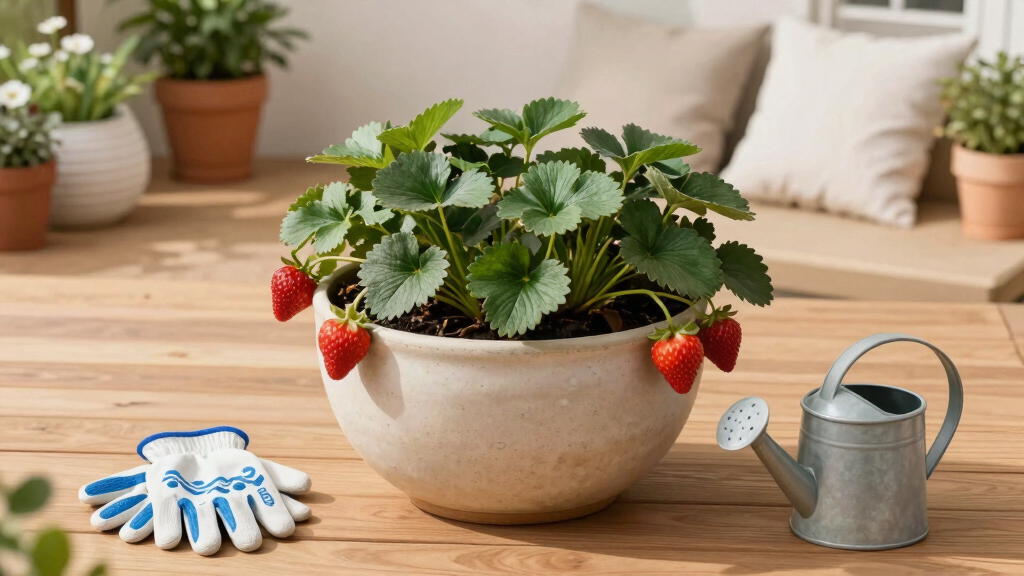
Growing strawberries in containers on your patio is simple and rewarding. Choose the right varieties, use good soil, give plenty of sunlight, and stay vigilant with watering and pests for a bumper crop.
Imagine stepping outside your door and plucking ripe, juicy strawberries right from your patio. It’s one of the simplest joys of gardening, especially when space is tight. Growing strawberries in containers turns even a small balcony or porch into a lush, berry-filled haven.
If you’re looking for a low-maintenance way to add fresh fruit to your diet, this guide will walk you through everything you need. From choosing the best varieties to keeping pests at bay, you’ll discover how easy it is to enjoy strawberries all season long, even in a cozy patio setting.
Choose day-neutral or ever-bearing strawberry varieties for continuous harvests.
Select large, well-draining containers with holes to prevent root rot.
Position your containers in at least 6-8 hours of direct sunlight daily.
Keep soil consistently moist and feed regularly with organic fertilizer.
Inspect plants frequently for pests and remove runners if you want more fruit focus.
Growing Strawberries in Containers on the Patio
Turn a balcony, porch, or sunny patio corner into a compact strawberry patch. The formula is simple: choose productive varieties, give roots room and drainage, keep moisture steady, and harvest when berries are fully red and glossy.
Sweet berries start with sun and drainage.
Huckfarm highlights proper drainage and consistent sunlight as the two critical factors for flavorful container strawberries, helping prevent root rot while pushing fruit sweetness.
Pick plants that keep producing in tight spaces.
Day-neutral and ever-bearing strawberries are the patio gardener’s steady performers. They fruit over a longer season, adapt well to container life, and avoid the one-time overload of June-bearing crops.
Day-neutral
Best for repeated harvests, especially when you want small weekly bowls of berries instead of one large flush.
Ever-bearing
Good for spring-to-fall production in containers, with varieties such as Seascape, Albion, and Tristar often recommended.
June-bearing
Useful if you want one larger harvest, but less ideal when patio space is limited and continuity matters more.
The container system is a chain, not a single choice.
Each decision supports the next: a suitable pot protects the roots, good mix holds air and nutrients, sunlight builds sugar, and regular picking keeps the plant productive.
Choose
Select day-neutral or ever-bearing plants with disease resistance.
Pot
Use 8-12 inch space per plant with several drainage holes.
Fill
Add organic-rich potting mix, compost, or slow-release feed.
Place
Give 6-8 hours of direct sun with wind and heat protection.
Pick
Harvest glossy, fully red berries to encourage more fruiting.
Match the planter to your patio and watering style.
Strawberries grow in pots, hanging baskets, troughs, and tiered systems. The best choice is the one that gives each plant root space, airflow, and a fast path for excess water to escape.
| Container type | Patio fit | Drainage risk | Best use | Verdict |
|---|---|---|---|---|
| Hanging basket | Small balconies, railings, decorative corners | ~ Dries quickly in heat | Space-saving display with easy harvesting | ✓ Excellent |
| Deep pot | Most patios and porches | ✓ Strong if holes are clear | One to three plants with steady moisture | ✓ Best all-rounder |
| Tiered planter | Vertical gardens and compact walls | ~ Uneven moisture by level | Higher yield per square foot | ✓ Productive |
| No-hole container | Looks tidy but traps water | ✗ High root rot risk | Use only as an outer cachepot | ✗ Avoid |
Sweetness comes from rhythm: light, water, food, and space.
Container strawberries have less soil buffer than garden-bed plants, so small habits matter. Check moisture daily in warm weather, feed every few weeks, and trim runners when fruit size is the priority.
Moisture sweet spot
Water when the top inch feels dry. The goal is consistently moist soil, never soggy roots.
Keep the harvest focused on fruit, not rescue work.
Aphids, slugs, birds, gray mold, and overcrowding can steal momentum fast. The low-effort defense is regular inspection, clean foliage, organic controls, and runner management.
Pests
Inspect leaves and crowns often. Hand-remove slugs, protect ripening berries from birds, and use organic sprays carefully when aphids appear.
Runners
Pinch runners when you want larger berries. Allow only selected runners if your goal is propagation instead of maximum fruit.
Harvest
Pick fully red, glossy berries with a gentle tug. Regular harvesting encourages the plant to keep producing.
Pick the Perfect Strawberries for Your Container Garden
Not all strawberries are created equal. For containers, day-neutral and ever-bearing varieties shine. They produce fruit throughout the season, giving you a steady supply of berries. In contrast, June-bearing strawberries give a big harvest all at once, which can be less ideal in a small space.
Choosing the right variety matters not just for the timing of your harvest but also for the health of your plants. Day-neutral and ever-bearing types tend to be more adaptable to container conditions because they can produce fruit over a longer period, which means more berries with less risk of a bumper crop overwhelming the plant. Additionally, select varieties known for disease resistance; this trait reduces the need for chemical interventions and promotes sustainable gardening. Think of it as choosing a resilient friend who can handle different weather and pests, ensuring your harvest remains plentiful season after season.
strawberry container planter with drainage holes
As an affiliate, we earn on qualifying purchases.
As an affiliate, we earn on qualifying purchases.
Choosing the Right Container—Size, Material, and Drainage Matters
If your container isn’t up to the task, your strawberries won’t thrive. Aim for at least 8 to 12 inches in diameter per plant. Larger containers give roots room to grow and hold more soil, which keeps moisture steady. This is crucial because inconsistent watering or drying out can stress the plants, reducing fruit quality and yield.
Materials like terracotta, ceramic, or sturdy plastic work well—just make sure they have plenty of drainage holes. Proper drainage prevents water from pooling at the bottom, which can lead to root rot—a serious issue that can kill your plants quickly. Imagine a hanging basket filled with bright red berries—if water sits too long, the roots suffocate and decay, leading to poor plant health and fewer berries. Therefore, choosing a container with adequate drainage is a key tradeoff: it might be messier or more costly but ensures a healthier, more productive plant over time.
day-neutral strawberry variety seeds
As an affiliate, we earn on qualifying purchases.
As an affiliate, we earn on qualifying purchases.
Soil and Fertilizer—The Foundation of Sweet Berries
Strawberries love a well-draining, organic-rich soil. Think of it as giving them a comfy bed—light, airy, and full of nutrients. Use a high-quality potting mix with added compost or slow-release organic fertilizer. This combination provides the essential nutrients needed for vigorous growth and fruit production. If the soil lacks nutrients, your plants may produce fewer berries or smaller ones, which diminishes the harvest and enjoyment.
If you’re growing in a tiered planter, mixing in worm castings or aged compost can significantly boost plant vigor and flavor. These organic amendments improve soil structure and supply trace nutrients that support disease resistance and flavor development. For example, a 15-minute soak in warm water with a dash of compost can activate beneficial microbes and nutrients, giving your plants an extra boost. When the soil is just right—moist, rich, and well-aerated—the plants are more resilient to pests and diseases, and they produce brighter, juicier berries. Skimping on soil quality can lead to weak plants and poor fruit, so investing in good soil is a wise tradeoff with long-term benefits.
organic strawberry fertilizer for containers
As an affiliate, we earn on qualifying purchases.
As an affiliate, we earn on qualifying purchases.
Maximize Sunlight—Your Strawberries’ Secret to Sweetness
Strawberries are sunshine lovers—aim for at least 6 to 8 hours of direct sunlight each day. Place your containers where they won’t be shaded by trees or buildings. Think of it as giving your berries a daily dose of summer’s best rays.
In a real-life example, a patio with morning sun and afternoon shade can be ideal. This setup provides enough light for sweetness without the risk of scorching in hotter climates. If berries get too much direct sun during the hottest part of the day, they can become sunburned, which damages the fruit and reduces flavor. Conversely, too little sun results in bland berries and poor yields. Therefore, the positioning of your containers isn’t just about aesthetics; it directly impacts the sugar content and overall quality of your harvest. Finding the right balance between sun exposure and protection is key to growing consistently sweet strawberries.
As an affiliate, we earn on qualifying purchases.
Watering and Feeding—Keeping Your Berries Happy and Juicy
Consistent moisture is critical. Check the soil daily—if the top inch feels dry, it’s time to water. In summer, you might need to water once a day, especially if the container feels warm and dry. Proper watering helps prevent stress, which can cause the plant to stop flowering or fruiting, or even lead to diseases like mold or rot. Overwatering, however, can drown the roots and promote fungal issues, so finding the right balance is essential.
Feed your plants with balanced fertilizer every few weeks. An organic liquid feed or a slow-release pellet works well. Regular feeding supplies essential nutrients that support continuous flowering and fruiting, ensuring berries remain plump and flavorful. Think of watering and feeding as giving your strawberries a steady diet—neglecting either can lead to weaker plants and fewer berries, while attentive care results in a lush, sweet harvest that’s worth the effort.
Keeping Pests and Runners in Check Without Losing the Flavor
Pests like aphids, slugs, and birds can snatch your berries before you do. Regularly inspecting your plants and removing pests by hand or with organic sprays is crucial. For example, a simple spray of neem oil can keep aphids at bay while being safe for beneficial insects like bees. Ignoring pests can lead to rapid plant decline and a significant reduction in fruit quality.
Additionally, managing runners—those long stems that spread out—can help focus the plant’s energy on producing larger, sweeter berries. Runners are a natural way for strawberries to propagate, but in a container setting, they can quickly overcrowd the space and divert nutrients from fruit production. Trimming or pinching runners redirects the plant’s energy into fruit development, resulting in bigger, better-tasting berries. Balancing pest control and runner management is a tradeoff: controlling pests ensures healthy plants, while managing runners keeps the space manageable and the harvest plentiful. Both practices together help maintain a healthy, productive strawberry patch.
When and How to Harvest for the Best Flavor
Pick strawberries when they are fully red and glossy. Don’t wait too long or they’ll spoil—overripe berries can become mushy and lose flavor. A ripe berry will come off easily with a gentle tug, revealing that deep, sweet aroma that signals peak ripeness. Harvesting at the right time ensures you enjoy the best possible flavor and texture.
Regular harvesting also encourages the plant to produce more fruit. If you leave ripe berries on the plant too long, the plant may divert energy into ripening existing fruit rather than producing new ones. Think of it as giving your plant a gentle nudge—harvesting frequently keeps it focused on making fresh berries, leading to a continuous supply of sweet, ripe fruit. This ongoing process maximizes flavor and harvest quantity, making your patio a constant source of delicious strawberries.
Latest Trends Making Patio Strawberry Growing Easier
Recent innovations have made container gardening even more accessible. Self-watering containers help maintain consistent moisture, reducing the risk of underwatering or overwatering—both of which can stress plants and reduce fruit quality. Vertical systems, such as tiered planters, optimize space and create a visually appealing display, making it easier to care for multiple plants and harvest easily.
New disease-resistant varieties and eco-friendly pest controls are also making it easier to grow strawberries sustainably. These advancements reduce the need for chemical interventions, making your garden safer and more environmentally friendly. Climate-adapted varieties extend the growing season, ensuring you can enjoy fresh berries longer, even when weather conditions are unpredictable. Embracing these trends means you can enjoy a more resilient, productive, and beautiful strawberry garden right on your patio.
Frequently Asked Questions
What are the best strawberry varieties for containers?
Day-neutral and ever-bearing varieties like Seascape and Albion are ideal. They produce fruit throughout the season, making them perfect for patio containers.
How often should I water my strawberry containers?
Water when the top inch of soil feels dry—usually once a day during hot weather. Keep the soil moist but not soggy to prevent root rot.
Can I grow strawberries in hanging baskets?
Absolutely. Hanging baskets are a fantastic way to save space and add charm. Just ensure they have good drainage and plenty of sun.
How do I prevent pests and diseases?
Use organic pest controls like neem oil, maintain good sanitation, and choose resistant varieties. Regular checks help catch problems early before they spread.
When is the best time to plant strawberries on my patio?
Plant in early spring after the last frost or late summer for a fall harvest, depending on your climate zone. This timing helps your plants establish and produce well.
Conclusion
Growing strawberries in containers on your patio turns a small space into a berry-rich paradise. With the right varieties, good soil, and plenty of sunshine, you can enjoy sweet, fresh berries from spring through fall.
Remember—patience and regular care are your best allies. Before long, your patio will be bursting with the aroma of ripe strawberries, a true country-living reward for your effort.
Cold & flu season Picks
humidifiers
As an affiliate, we earn on qualifying purchases.