TL;DR

Turn quiet afternoons into listening time
- Thousands of audiobooks, podcasts and originals
- Listen on your phone, tablet or Echo — also offline
- Cancel anytime
Lightweight pots are 50-70% lighter than traditional clay or ceramic options, making them easier to move and handle. Choosing the right material, size, and features can turn gardening into a safe, relaxing activity for older adults.
Imagine being able to shift your favorite plants around your garden or porch without straining your back or risking a fall. That’s the magic of choosing the right lightweight pots. They turn gardening from a chore into a cozy, carefree activity.
If you’re looking to stay active, enjoy your plants, and keep things simple, knowing what makes a pot easy to move is essential. In this guide, you’ll learn how to pick the best lightweight pots for your space, your plants, and your comfort—so gardening stays fun, not frustrating.
Lightweight pots can be up to 70% lighter than traditional ceramic or clay, making them easier to move and handle.
Materials like resin, fiberglass, and fiberstone combine durability with easy lifting, perfect for seniors and those with limited strength.
Features such as built-in handles, ergonomic shapes, and wider bases significantly improve safety and stability.
Proper handling techniques, like lifting with your knees and using carts, prevent injury and make gardening more enjoyable.
Adding gravel or sand at the bottom of lightweight pots boosts stability, especially in windy outdoor settings.
Choosing Lightweight Pots That Are Easy to Move
Lightweight Pots Make Gardening Easier, Safer, and More Flexible
Modern resin, fiberglass, and composite planters can cut container weight by 50-70% compared with clay or ceramic. The right material, size, handles, base shape, and stability strategy can help older adults and frequent rearrangers move plants without back strain or risky lifting.
Choose for lift, grip, weather, and balance. A pretty pot only works if you can move it comfortably.
What Makes a Pot Truly Easy to Move?
A lightweight pot is not just a lighter shell. It combines manageable size, durable material, safe gripping points, drainage, and a shape that stays stable when the weather or patio surface is less than perfect.
Pick Light but Tough
Plastic, resin, fiberglass, and fiberstone reduce lifting strain while still supporting everyday outdoor use. UV-resistant finishes help prevent cracking and fading.
Favor Grip and Balance
Built-in handles, side grips, tapered profiles, and rounded edges make the pot easier to control with both hands and your whole body.
Stay Manageable
Small and medium pots are naturally easier to lift. For larger plants, choose lightweight versions and pair them with carts or dollies.
Material Comparison: Lightness, Durability, and Cost
The best choice depends on where the pot will live. Outdoor planters need more weather resistance; indoor pots can prioritize style, easy lifting, and floor protection.
| Material | Weight | Durability | Cost Range | Move-Friendly Verdict |
|---|---|---|---|---|
| Plastic / Resin | Light: 50-70% lighter | ✓ Resists cracking and fading when UV-rated | Low to moderate | ✓ Best everyday option |
| Fiberglass | Very light | ✓ Excellent weather resistance | Moderate | ✓ Best premium lightweight pick |
| Fiberstone | Light to medium | ✓ Very durable, stone-like look | Higher | ~ Great if weight remains manageable |
| Aluminum / Thin Steel | Light to moderate | ~ Needs rust-proofing or coating | Variable | ~ Check edges, heat, and finish |
| Clay / Ceramic | Heavy | ~ Can chip, crack, or break | Moderate to high | ✗ Harder to move safely |
Weight Reality Check
For a similar 12-inch pot, resin may weigh only 3-4 pounds, while ceramic can land near 10-15 pounds before soil, water, and the plant are added.
Weight Multiplies Fast
A pot that feels reasonable empty can become awkward once filled with wet soil and a mature plant. Start with the lightest durable container that fits the plant’s growth needs.
For frequent moves, pair lightweight materials with handles and a rolling plant caddy rather than relying on arm strength alone.
Pick the Perfect Lightweight Pot in 3 Steps
Use this decision chain before buying. It keeps the choice focused on location, plant health, and your comfort when lifting or repositioning.
Place
Decide indoor or outdoor first. Outdoor pots need weather resistance, UV protection, and a stable footprint for wind or uneven surfaces.
Size
Match the container to the plant’s root growth while staying within what you can move comfortably. Medium resin works well for porch herbs and tomatoes.
Features
Look for handles, wide bases, drainage holes, UV resistance, and ergonomic shapes that reduce slipping and back strain.
Handles, Shape, and Stability Matter
Lightweight pots are easier to lift, but they can tip more easily outdoors. Safety comes from combining low weight with better leverage and a lower center of gravity.
Use Leverage, Not Your Back
Side handles help distribute weight evenly and let you lift with your legs. Rounded or tapered forms are easier to grip, while shallow wide pots improve control.
Add Weight Where It Helps
A layer of gravel or sand at the bottom lowers the center of gravity without making the whole pot feel as heavy as clay. Wide bases reduce tipping on balconies and patios.
Aim for the green-to-middle zone: light enough to move, stable enough to stay put. If wind is a concern, add base weight rather than choosing an entirely heavy pot.
Traceability: From Pot Choice to Safer Gardening
The decision is connected: material affects lift, features affect control, stability affects safety, and safety keeps gardening enjoyable.
What Makes a Pot Truly Light and Easy to Handle?
Lightweight pots are made from materials that cut down on weight without sacrificing strength. Think of resin, fiberglass, and fiberstone—these are the champions of easy handling. For example, a 12-inch resin pot can weigh around 3-4 pounds, compared to 10-15 pounds for a ceramic one of the same size.
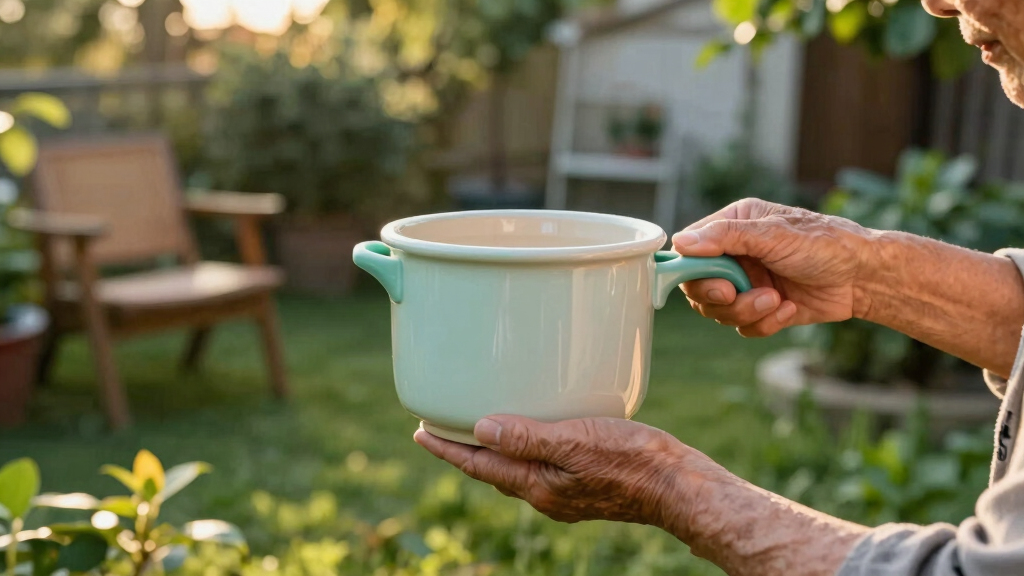
Look for features like built-in handles or side grips, which make lifting and moving a breeze. A pot with a wide base and ergonomic shape also helps keep it stable and easier to lift.
Choosing the right size is equally important. Smaller or medium-sized pots—say, 8 to 12 inches—are naturally lighter and more manageable. But if you have larger plants, opt for lightweight versions of bigger containers, or consider stacking or modular options.
Understanding these factors matters because it affects how often and easily you can reposition your plants. Heavy pots can be dangerous, causing strain or falls, especially if you have mobility issues. Conversely, overly small or fragile pots might not support larger plants or withstand outdoor conditions. Finding the right balance ensures safety, longevity, and ease of use, ultimately encouraging more frequent and enjoyable gardening sessions.
As an affiliate, we earn on qualifying purchases.
Comparison Table: Lightness, Durability, and Cost of Common Materials
| Material | Weight | Durability | Cost Range |
|---|---|---|---|
| Plastic/Resin | Light (50-70% lighter than ceramic) | High; resistant to cracking, fading | Low to Moderate |
| Fiberglass | Very Light | Excellent; weather-resistant | Moderate |
| Fiberstone | Light to Medium | Very durable; mimics stone | Higher |
| Metal (aluminum, thin steel) | Light to Moderate | Good; needs rust-proofing | Variable |
When comparing these materials, consider not just their weight but also how they will perform over time in your environment. For instance, lightweight resin or fiberglass pots are easier to handle, but they may be more susceptible to damage from extreme weather or UV exposure, leading to cracks or fading over time. Conversely, fiberstone and metal may be heavier but tend to withstand outdoor conditions better, reducing replacement needs. Balancing these tradeoffs helps you choose a material that aligns with your environment, budget, and safety priorities—ensuring your gardening experience remains enjoyable and stress-free.
ergonomic garden planters with handles
As an affiliate, we earn on qualifying purchases.
As an affiliate, we earn on qualifying purchases.
How to Pick the Perfect Lightweight Pot in 3 Easy Steps
- Determine where you’ll place the pot—indoors or outdoors—and choose weather-resistant materials if outdoors. This choice affects durability and safety, as outdoor pots face harsher conditions that can weaken or crack less suitable materials.
- Choose the right size based on your plant’s growth and your ability to move it comfortably. A larger plant requires a bigger, yet still lightweight, container to support healthy growth without becoming unmanageable.
- Look for features like handles, wide bases, and UV resistance to make handling safer and easier. These features are not just convenient; they reduce the risk of accidents, especially for those with limited strength or mobility.
For example, if you want to move a tomato plant on your porch, pick a medium-sized resin pot with side handles and UV protection. This combination ensures the pot is manageable, durable, and resistant to outdoor elements, making your gardening experience safer and more enjoyable.
By following these steps, you can select a lightweight pot that balances ease of handling with plant health, allowing you to garden confidently and comfortably.
As an affiliate, we earn on qualifying purchases.
Why Handles and Shapes Make Moving Pots Safer and Easier
Handles or grips are more than just convenient—they are essential safety features. They provide leverage, allowing you to lift with your legs rather than straining your back, which is crucial for preventing injuries. For example, a pot with sturdy side handles enables you to distribute weight evenly and lift with your whole body, reducing fatigue and risk of slipping.
Shape also plays a significant role. Tapered or rounded pots help distribute weight more evenly, making them easier to grip and less likely to tip over. Wide, shallow pots not only reduce weight but also improve stability, especially on uneven surfaces like balconies or patios. This helps prevent accidents caused by tipping or falling, which can be serious for older adults or those with mobility challenges.
Imagine lifting a large herb planter with ergonomic handles—this design minimizes strain and maximizes control, making gardening safer and more comfortable. Recognizing how design features influence safety can guide you in choosing pots that support your physical needs and gardening goals.
small lightweight plant containers for seniors
As an affiliate, we earn on qualifying purchases.
As an affiliate, we earn on qualifying purchases.
Stability Tricks: Keep Your Lightweight Pots from Tipping Over
While lightweight pots offer flexibility, they are more susceptible to tipping, especially in windy environments or on uneven surfaces. To counteract this, you can enhance stability by choosing wider bases that distribute weight more evenly, reducing the risk of toppling. Filling the bottom of your pot with gravel or sand adds extra weight, lowering the center of gravity and making it more resistant to tipping. For example, placing a layer of gravel in the bottom of a resin pot creates a sturdier foundation without significantly increasing the overall weight you need to lift.
Understanding the implications of added weight is crucial—while it improves stability, it also makes lifting the pot slightly more effortful, which might be a consideration for those with limited strength. Therefore, balancing added weight with ease of handling is key. Planting larger or heavier plants and using denser soil mixes naturally lowers the center of gravity, further stabilizing the pot during windy days or when bumped. These methods are simple yet effective ways to prevent accidents and protect your plants, especially when gardening outdoors or on breezy balconies. Implementing these stability tricks ensures your gardening experience remains safe and stress-free, allowing you to enjoy your plants without worry.
In essence, understanding how to improve stability through strategic filling and plant choices can make a significant difference in preventing accidents and prolonging the life of your lightweight pots.
Final Tips: Make Gardening Safer, Simpler, and More Fun
Think about your space, your strength, and your plants. For indoor plants, lightweight pots are perfect for shelf or table placement, offering ease of movement and repositioning. Outdoors, opt for weather-resistant, sturdy options that can withstand the elements while remaining manageable.
Always lift with your knees, keeping your back straight to prevent strain or injury. Using carts or plant dollies for larger or heavier pots reduces physical effort and enhances safety. Additionally, reading reviews and product descriptions can help identify pots with features like reinforced handles and sturdy bases, which are crucial for safety and longevity.
Adding a bit of gravel or sand at the bottom of your pots increases stability, especially in outdoor settings. Selecting the right size and features based on your physical capabilities ensures gardening remains a pleasurable activity rather than a source of stress or injury. Remember, taking small precautions can make a big difference in enjoying your garden safely and comfortably.
Frequently Asked Questions
Are lightweight pots durable enough for outdoor use?
Many modern lightweight materials like resin and fiberglass are designed to withstand outdoor conditions. They resist cracking, fading, and weathering, making them a practical choice for gardens and patios.
How do I move large or heavy plants easily?
Use lightweight pots, add handles for better grip, or employ dollies and plant carts. Combining these tools makes shifting even big plants safer and less tiring.
What materials are best for lightweight, long-lasting pots?
Resin, fiberglass, and fiberstone stand out for their durability, weather resistance, and light weight. They’re perfect for outdoor use and easy to handle.
Can lightweight pots affect plant health?
As long as they have proper drainage and are made from safe, non-toxic materials, lightweight pots support healthy plants without issues.
How do I ensure my lightweight pot doesn’t tip over easily?
Choose wider, heavier bases or fill the bottom with gravel or sand for added weight. This simple step keeps your pots stable, even in breezy spots.
Conclusion
Choosing the right lightweight pot transforms gardening from a physical challenge into a joyful, relaxing activity. Focus on materials, features, and stability to keep your plants thriving and your body safe.
Remember: a well-chosen pot isn’t just easier to move; it’s a small step toward more carefree, country-living days filled with beauty and comfort. So, pick with care—your garden and back will thank you.
Evergreen bestsellers Picks
bestsellers
As an affiliate, we earn on qualifying purchases.