
TL;DR

Turn quiet afternoons into listening time
- Thousands of audiobooks, podcasts and originals
- Listen on your phone, tablet or Echo — also offline
- Cancel anytime
Shade gardening is more rewarding than many think. By selecting plants adapted to low-light conditions and caring for your soil, you can enjoy lush greenery even with limited sun exposure.
Imagine a quiet corner of your yard where sunlight barely touches the ground. Instead of feeling limited, you see potential. Shade gardens can be lush, inviting retreats—full of textures, colors, and life. You just need to know what plants love less sun and how to give them what they need.
Whether your garden is shaded by tall trees or a cozy porch overhang, this guide will show you how to transform those dim spots into peaceful, green havens. You’ll learn about the best plants for low-light areas, simple tips to keep them thriving, and how to make your shaded garden a place of beauty and calm.
Identify your specific shade type to choose the best plants for your space.
Opt for native and modern cultivars designed for low-light conditions to reduce effort and increase success.
Improve and maintain soil with organic matter and mulch to support healthy, long-lasting growth.
Layer plants and use mulch for a lush, textured, and inviting shade garden.
Avoid overwatering and mismatched plant choices to keep your garden thriving.
How to Know How Much Shade You Have — And Why It Matters
Understanding the different types of shade is the first step. Full shade means less than 2 hours of direct sun daily. Partial shade offers 2-4 hours, while dappled shade is filtered light through trees or structures.
For example, a north-facing porch typically gets full shade, while a spot beneath a large oak might be dappled shade. Knowing your garden’s specific light helps you pick plants that will actually thrive, not just survive.
Take a moment to observe your yard at different times of day. Notice where the sun hits and for how long. This simple step can save you frustration and help you create a thriving shaded garden.
shade-loving perennial plants for garden
As an affiliate, we earn on qualifying purchases.
As an affiliate, we earn on qualifying purchases.
Best Plants That Love Less Sun — Your Easy-Shade Garden Starter List
When you think of shade-loving plants, think of textures and colors that stand out even in dim light. Here are some favorites:
- Hostas: Big, leafy, and come in shades from green to blue. They love moist, rich soil.
- Ferns: Their feathery fronds add softness and movement to shady corners.
- Astilbes: Fluffy, colorful plumes that bloom in summer, perfect for adding a pop of color.
- Heucheras: Also called coral bells, with vibrant foliage in red, purple, or silver.
- Japanese Painted Ferns: Their silvery-purple fronds bring elegance to shadowy spots.
For example, a shaded corner under a maple tree might host ferns and hostas, creating a peaceful green retreat.
Choosing plants that naturally thrive in low light means less fuss and more beauty with less effort.
As an affiliate, we earn on qualifying purchases.
How to Prepare Your Shade Garden Soil for Long-Lasting Growth
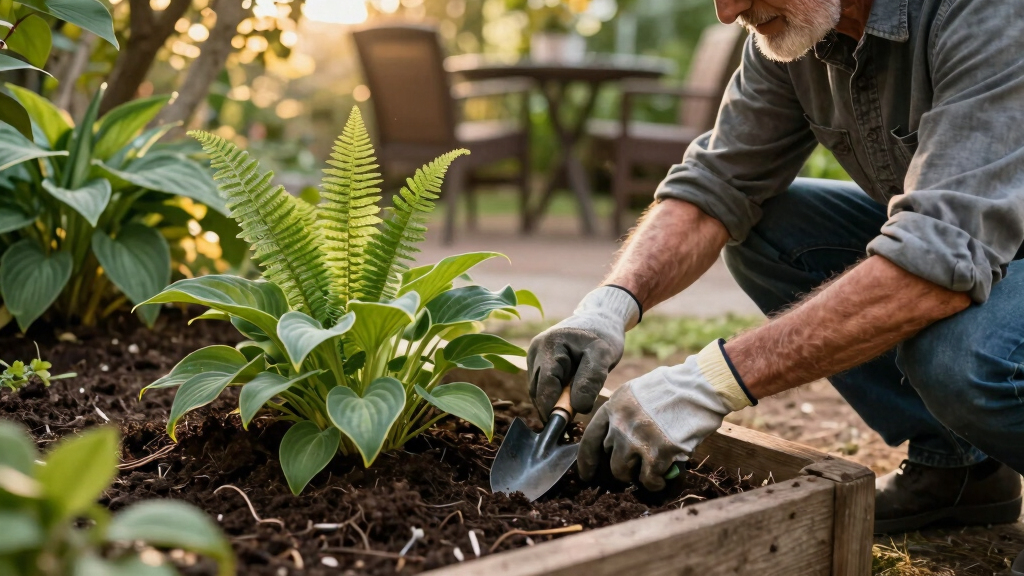
Shade plants often do best in soil rich with organic matter. You can improve your soil by mixing in compost or aged manure, which helps retain moisture and nutrients.
For example, spreading a 2-3 inch layer of compost over your shaded bed and gently mixing it into the topsoil can make a big difference. Mulching with bark or shredded leaves helps keep moisture in and weeds out.
Don’t forget to water wisely—shade gardens may need less frequent watering, but consistent moisture keeps plants healthy and vibrant.
shade garden soil amendment organic compost
As an affiliate, we earn on qualifying purchases.
As an affiliate, we earn on qualifying purchases.
Design Tips to Make Your Shade Garden Look Lush and Inviting
Layering plants creates depth and interest. Place taller plants like ferns and astilbes at the back or center, with hostas and ground covers in front.
Use mulch generously—rich, dark bark or shredded leaves give a cozy, finished look and help retain moisture. Incorporate natural elements like rocks or a small bench to invite closer exploration.
Imagine a shaded corner with a winding path of stepping stones, surrounded by lush ferns and colorful heucheras. It’s a peaceful nook that beckons you to sit and enjoy.
As an affiliate, we earn on qualifying purchases.
New Shade-Tolerant Varieties and Native Plants You Should Know About
Breeders are creating new cultivars with better disease resistance, vibrant foliage, and longer blooming periods suited for shaded areas. For example, some hostas now come with variegated leaves that brighten up the gloom.
Native plants are gaining popularity because they support local pollinators and biodiversity. Native ferns, wildflowers, and shrubs adapt naturally to your area’s shade and soil.
According to Huckfarm, choosing native plants not only simplifies care but also helps sustain local ecosystems, making your garden both beautiful and environmentally friendly.
Common Mistakes and How to Avoid Them in Your Shade Garden
Overwatering is a common problem because shaded areas tend to stay moist longer. Too much water can cause root rot. Make sure your soil drains well and check moisture levels before watering.
Planting in the wrong spot—like placing sun-loving plants in shade—will just lead to disappointment. Always match the plant with your specific shade level.
Ignoring soil health? That’s a fast track to poor growth. Regularly add compost and mulch to keep your soil alive and your plants happy.
Frequently Asked Questions
What are the easiest plants to grow in full shade?
Hostas, ferns, and sweet woodruff are among the easiest, thriving in less than 2 hours of direct sun daily. They require minimal fuss once established and add lush greenery to any shady spot.
Can I grow vegetables in shaded areas?
Yes, some leafy greens like lettuce, spinach, and herbs such as mint and parsley can handle partial shade. Root vegetables like carrots may work if the shade isn’t too dense, but expect slower growth.
How do I improve soil in shady gardens?
Mix in plenty of compost or organic matter to boost fertility. Mulch helps retain moisture and keep weeds down, making your shade beds healthier and easier to care for.
What flowers bloom well in shade?
Astilbes, bleeding hearts, columbines, and certain types of lilies flourish in shade and bring seasonal color and texture to your garden.
How can I keep pests and diseases away from shade plants?
Ensure good air circulation, avoid overwatering, and choose disease-resistant varieties. Regularly remove debris and dead foliage to prevent pests from settling in.
Conclusion
Creating a beautiful shade garden isn’t just possible—it’s deeply rewarding. With the right plants and a bit of thoughtful care, you can enjoy a lush, peaceful retreat that requires less sun and less fuss. Your shaded corners will become favorite spots for quiet reflection or a cozy chat with a friend.
Remember, a shade garden isn’t just about surviving in the gloom; it’s about celebrating its quiet beauty. Grab a shovel, pick your plants, and turn those shadowy spots into a living, breathing haven.
Halloween Picks
halloween
As an affiliate, we earn on qualifying purchases.