TL;DR

Turn quiet afternoons into listening time
- Thousands of audiobooks, podcasts and originals
- Listen on your phone, tablet or Echo — also offline
- Cancel anytime
Strengthening your legs with simple, consistent exercises helps maintain walking ability and prevent falls. Combining resistance moves with balance practice creates a well-rounded routine for independence.
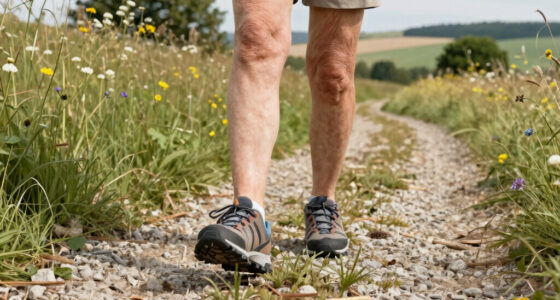
Imagine stepping outside on a bright, breezy morning. Your legs carry you smoothly over garden paths, up stairs, to the mailbox—every step confident and easy. That’s not just luck; it’s the result of keeping your leg muscles strong and active.
Whether you’re enjoying country walks or just getting around your home, strong legs make all the difference. This guide shares simple, practical exercises to help you stay steady, support your balance, and keep your independence for years to come.
Regular, targeted exercises like sit-to-stands and calf raises improve leg strength for better walking.
Consistency and gradual challenge are more effective than sporadic, intense workouts.
Balance exercises like heel-to-toe or single-leg stands are essential for fall prevention.
Build a simple routine of 2–3 sessions weekly, incorporating both strength and balance work.
Listen to your body: avoid pushing through pain and seek professional advice if issues arise.
Simple Exercises to Keep Your Legs Strong for Walking
Strong hips, thighs, calves, ankles, and stabilizing muscles help every step feel steadier. Combine targeted resistance work with balance practice to support walking, stairs, fall recovery, and everyday independence.
Use nonconsecutive days so muscles have time to recover.
Choose controlled repetitions and stop before technique deteriorates.
Keep a sturdy chair or countertop within easy reach.
Strength and balance essentials
A practical starting range
Build push-off strength
Train clearance and support
Walking is more than putting one foot forward.
Walking maintains endurance, but it may not provide enough resistance to preserve every muscle involved in safe movement. Targeted exercises train the force, control, and quick reactions needed for chairs, stairs, curbs, and unexpected wobbles.
Muscle power—how quickly force can be produced—can improve with targeted exercise at any stage, directly supporting walking speed and fall recovery.
Hips
Stabilize the pelvis and help drive the body forward.
Thighs
Power standing, climbing, lowering, and impact control.
Calves
Move the body forward during the final phase of a step.
Ankles
Lift and position the feet to reduce catching and trips.
Core
Keeps the trunk steady while the legs change position.
Ten easy moves for safer, stronger walking.
Use a sturdy chair, railing, or countertop whenever support is needed. Move slowly, breathe normally, and prioritize a comfortable range of motion over depth or speed.
Sit-to-stand
Sit near the chair’s front, lean slightly forward, press through the feet, and stand. Lower slowly. Begin with 5–10 reps.
Calf raises
Hold support, rise onto the balls of both feet, pause, and lower with control. Complete 8–15 reps.
Toe raises
Keep heels grounded while lifting the toes and front of both feet. Lower slowly. Perform seated or standing. Complete 8–15 reps.
Marching in place
Hold a stable surface and alternately lift each knee without leaning backward. Start with 20–30 alternating steps.
Side leg raises
Stand tall and move one leg sideways without tilting the trunk or turning the toes outward. Try 8–12 per side.
Backward leg extensions
Move one leg backward while keeping the torso upright and knee fairly straight. Avoid arching the back. Try 8–12 per side.
Step-ups
Step onto a low, secure step, bring the body up, then step down carefully. Use a railing. Begin with 5–12 reps.
Mini-squats
Hold a counter, bend the hips and knees slightly, then return to standing. Keep knees aligned with toes. Complete 5–12 reps.
Heel-to-toe practice
Place one foot directly before the other and hold, or take slow tandem steps beside a counter. Practice for 10–30 seconds.
Single-leg standing
Hold support and lift one foot slightly. Reduce hand support only as steadiness improves. Stop before form deteriorates.
Small exercises connect to bigger freedoms.
Resistance develops force. Controlled repetitions turn force into usable movement. Balance practice helps apply that movement when the base of support becomes narrow or unstable.
A practical week
Two sessions are a sound beginning. Add a third when recovery is comfortable. Gentle walking can continue on most days.
Walking, strength, and balance each have a job.
No single activity covers every requirement of safe mobility. The most complete routine pairs regular walking with progressive strengthening and deliberate balance practice.
| Training benefit | Walking only | Strength work | Balance work | Combined plan |
|---|---|---|---|---|
| Cardiovascular endurance | ✓ STRONG | ~ SOME | ✗ LIMITED | ✓ STRONG |
| Thigh and hip strength | ~ SOME | ✓ STRONG | ~ SOME | ✓ STRONG |
| Calf push-off power | ~ SOME | ✓ STRONG | ~ SOME | ✓ STRONG |
| Single-leg stability | ~ SOME | ~ SOME | ✓ STRONG | ✓ STRONG |
| Recovery from a wobble | ✗ LIMITED | ~ SOME | ✓ STRONG | ✓ STRONG |
| All-round mobility support | ~ PARTIAL | ~ PARTIAL | ~ PARTIAL | ✓ COMPLETE |
Be consistent
Regular short sessions are more useful than occasional intense efforts.
Progress slowly
Increase repetitions, resistance, or difficulty in small steps.
Control the motion
Slow, deliberate movement improves muscle engagement and technique.
Train both sides
Use support as needed and give a weaker side appropriate attention.
Pair two skills
Strength produces force; balance helps use it safely in daily life.
Challenge your muscles, not your warning signs.
A stable support, clear floor space, comfortable footwear, and controlled movement create a safer starting point. Adjust the exercise whenever discomfort changes your form.
Normal effort
Muscles feel active, breathing increases mildly, and technique remains steady. Light next-day soreness can occur when beginning.
Reduce the challenge
Use a higher chair, smaller range, slower pace, fewer repetitions, or more hand support if control begins to fade.
Do not push through pain
Stop for sharp pain, increasing joint pain, dizziness, swelling, sudden weakness, or symptoms that feel unusual.
Persistent pain, swelling, sudden weakness, repeated falls, or a significant change in walking should prompt a conversation with a healthcare professional or qualified physical therapist.
Frequently asked questions.
The best routine is one that fits your current ability, uses dependable support, and can be repeated consistently without provoking pain.
Can walking alone keep my legs strong?
Walking is excellent for endurance, but often lacks enough resistance to maintain or build strength. Add targeted leg and balance exercises for a fuller program.
How often should I strengthen my legs?
Begin with two nonconsecutive sessions weekly. A third session may be added when recovery is comfortable and technique remains controlled.
What if my knees hurt?
Reduce the movement range, use a higher chair, and move slowly. Persistent pain or swelling should be assessed by a healthcare professional.
Stay active. Stay steady. Stay independent.
Choose three strength moves and one balance exercise. Practice them twice this week beside a sturdy support. Those small, repeatable sessions build the foundation for confident steps, easier stairs, and more freedom in daily life.
Why Your Legs Need More Than Just Walking to Stay Strong
Walking alone helps maintain endurance, but it might not be enough to keep all your leg muscles in top shape. Think of your muscles like a well-loved garden—without regular attention and variety, it can become overgrown or sparse.
Muscles like your thighs, calves, hips, and ankles need targeted work to stay resilient and powerful. That way, every step feels natural—whether you’re climbing stairs or stepping over a muddy patch on your garden path.
For example, a simple squat mimics sitting and standing, strengthening muscles used daily. Regularly doing these exercises can help you propel yourself forward with more ease and confidence.
resistance band leg exercises for seniors
As an affiliate, we earn on qualifying purchases.
As an affiliate, we earn on qualifying purchases.
Top 10 Easy Exercises That Make Walking Safer and Stronger
Here’s a list of straightforward exercises to boost your leg muscles and improve balance. These can be done at home, with a sturdy chair or countertop for support.
| Exercise | What It Does | How to Do It |
|---|---|---|
| Sit-to-stand | Strengthens thighs, hips, and buttocks | Sit near the front of a sturdy chair. Lean slightly forward, push through your heels, and stand without using your hands. Sit down slowly. Repeat 5–10 times. |
| Calf raises | Supports push-off power during walking | Hold a counter or chair. Rise onto the balls of your feet, pause, then lower slowly. Do 8–15 repetitions. |
| Toe raises | Strengthens the muscles lifting your toes | While standing or seated, lift just your toes and front of your feet, then lower under control. 8–15 reps. |
| Marching in place | Builds hip flexor strength and supports single-leg balance | Hold onto a stable surface. Lift knees one at a time, marching in place for 20–30 steps. |
| Side leg raises | Stabilizes pelvis during walking | Stand tall, hold onto a chair. Lift one leg sideways, keep your trunk straight. Switch sides. 8–12 reps each side. |
| Backward leg extensions | Strengthens hip extensors and glutes | Support yourself, lift one leg backward without arching your back. Repeat 8–12 times per leg. |
| Step-ups | Prepares for stairs and curb climbing | Step onto a low, sturdy step, then step down slowly. Use a railing for support. Do 5–12 repetitions. |
| Mini-squats | Engages multiple walking muscles | Hold onto a counter, bend hips and knees slightly as if sitting, then stand back up. Repeat 5–12 times. |
| Heel-to-toe standing | Challenges balance on a narrow base | Stand with one foot directly in front of the other, hold position, or take slow tandem steps beside a counter. |
| Single-leg standing | Builds stability for real-world walking | Support yourself, lift one foot slightly, and hold. Gradually reduce support as balance improves. |
balance training equipment for fall prevention
As an affiliate, we earn on qualifying purchases.
As an affiliate, we earn on qualifying purchases.
How to Build a Weekly Routine That Keeps You Moving
Consistency beats complexity. Aim for two to three sessions each week, spaced out to allow muscle recovery. For example, Monday, Wednesday, and Saturday work well.
A simple routine might include:
- Sit-to-stand: 1–3 sets of 5–12 reps
- Calf raises: 1–3 sets of 8–15
- Side leg raises: 1–3 sets of 8–12 per side
- Balance exercises like heel-to-toe or single-leg stands: 10–30 seconds each
Mix in gentle walking daily to keep your heart happy and muscles moving. Over time, increasing repetitions, adding resistance bands, or trying a higher step will keep your muscles challenged.
ankle and calf strengtheners for walking
As an affiliate, we earn on qualifying purchases.
As an affiliate, we earn on qualifying purchases.
Key Principles for Safe, Effective Leg Strengthening
To make progress, remember these core ideas:
- Consistency matters more than how hard you push in one session. Regular, short workouts beat sporadic effort.
- Gradual challenge is key. Increase repetitions, resistance, or difficulty slowly to prevent injury.
- Focus on quality. Slow, controlled moves engage muscles better and reduce risk.
- Balance both legs. Address asymmetry with unilateral exercises but support your weaker side as needed.
- Combine strength and balance. Strength isn’t enough—practice standing on one leg or walking heel-to-toe for stability.
Remember, building strength and confidence takes time. Stay patient and persistent, and your legs will thank you for it.
stability ball for balance exercises
As an affiliate, we earn on qualifying purchases.
As an affiliate, we earn on qualifying purchases.
What You Need to Know About Staying Strong and Safe
Muscle power and strength decline with age, especially if you’re inactive. This decline can significantly impact your ability to perform daily activities, such as climbing stairs or standing up from a chair, which can lead to a loss of independence. If muscles weaken too much, falls become more likely because your body can’t respond quickly enough to maintain balance. However, engaging in targeted exercises helps slow this decline, preserving muscle mass and reaction time, which are crucial for safe movement. The tradeoff is that these exercises require consistency; sporadic effort yields minimal benefits and can even cause strain if done improperly. Proper technique and gradual progression are essential to avoid injuries and ensure long-term gains. Prioritizing safe, progressive training helps you build resilience, so you can enjoy everyday activities confidently and reduce fall risk.
Few things are more satisfying than climbing stairs effortlessly or stepping over a crack in the sidewalk without hesitation. Keep your muscles challenged and mindful of your form, and you’ll preserve your independence longer.
Always listen to your body—mild soreness is normal, but pain, swelling, or sudden weakness should prompt a visit to your healthcare provider.
Stay Active, Stay Independent — Your Legs Will Thank You
Think of your legs as the sturdy roots of your country garden. With regular, simple exercises, you keep those roots deep and strong. That way, every step feels like a walk through your favorite meadow—confident and free.
Incorporate a mix of resistance training, balance work, and walking. Soon, the effort becomes second nature, and your daily adventures stay bright and lively.
So, lace up, grab a chair, and start today. Your future self will thank you for every steady step.
Frequently Asked Questions
Can walking alone keep my legs strong?
Walking helps maintain endurance, but it often doesn’t provide enough resistance to build or preserve muscle strength. Combining walking with targeted exercises offers better results for staying strong and steady.
How often should I do leg-strengthening exercises?
Most adults benefit from two to three sessions weekly. Allow at least a day or two for recovery, especially when adding resistance or increasing difficulty.
What if my knees hurt during exercises like squats or sit-to-stands?
Reduce your range of motion, use a higher chair, and move slowly. Persistent pain or swelling warrants a consultation with a healthcare professional to rule out underlying issues.
Is it safe to exercise every day?
Gentle walking and balance exercises can be daily, but strength routines for the same muscles should include rest days to prevent overuse injuries. Listen to your body.
Conclusion
Keeping your legs strong isn’t complicated—just consistent, mindful movements. A few minutes a day can make a world of difference in your confidence and independence.
Imagine stepping out each morning, knowing your muscles are ready for whatever the day brings. That’s the quiet strength of regular exercise—country living’s secret to staying spry and free.
Columbus Day / Indigenous Peoples' Day Picks
long weekend sales
As an affiliate, we earn on qualifying purchases.