TL;DR

Turn quiet afternoons into listening time
- Thousands of audiobooks, podcasts and originals
- Listen on your phone, tablet or Echo — also offline
- Cancel anytime
Choosing the correct cane tip for your environment boosts safety and stability. Different surfaces demand different tips—slick floors need grip, uneven terrain requires ruggedness. Regularly inspecting and replacing worn tips keeps you safe.
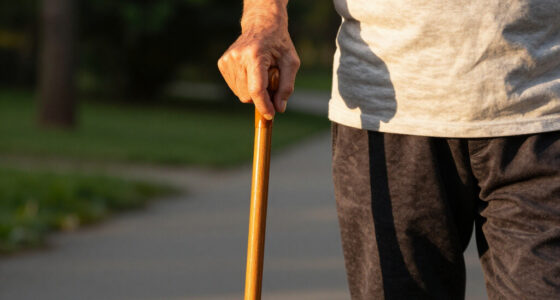
Imagine you’re strolling across your garden path on a sunny afternoon. The gravel crunches softly under your cane, but a step onto the polished kitchen tile feels like walking on ice. That’s the importance of choosing the right cane tip for each surface. It’s not just about convenience but safety and confidence with every step.
In this guide, you’ll learn how different surfaces call for different tips, what recent innovations are making a difference, and how to keep your cane performing at its best. Because when your cane grips well, you walk with ease and peace of mind.
Select tips based on your primary walking surfaces—soft, hard, or uneven.
Worn or smooth tips reduce grip and increase fall risk—replace promptly.
Innovations like multi-terrain and eco-friendly tips improve safety and sustainability.
Regular inspection and maintenance keep your cane performing safely.
Using the right tip for each surface makes every walk more secure and comfortable.
How to Pick the Perfect Cane Tip for Hard, Smooth Floors
For surfaces like tile, hardwood, or polished concrete, slip resistance is king. Rubber tips are your go-to—they grip tightly and prevent dangerous slips. A worn-out tip, cracked or smooth, can turn your walk into a slip or wobble.
Imagine gently pushing your cane across a shiny kitchen floor. If it slides or squeaks, it’s time for a new rubber tip. Look for textured surfaces that grip even when wet. Choosing a tip with a slightly wider base adds stability, especially if you’re balancing groceries or a cup of tea.
Pro tip: Keep a small container nearby with spare tips. Replacing a worn tip takes seconds and can save you from a fall.
Understanding the importance of slip-resistant tips on smooth surfaces is crucial because these surfaces are often the most hazardous when wet or polished. A slip can lead to severe injuries, especially for older adults or those with mobility concerns. Recognizing when a tip needs replacing—such as cracks, smooth patches, or reduced grip—is vital to maintaining safety. The tradeoff with rubber tips is durability; softer rubber offers better grip but may wear out faster, so regular checks are essential to balance performance and longevity.
rubber cane tips for smooth floors
As an affiliate, we earn on qualifying purchases.
As an affiliate, we earn on qualifying purchases.
Best Tips for Carpeted and Soft Indoor Surfaces
Carpeted floors are softer and offer more grip, but your cane still needs a tip designed for such terrain. Wide, soft tips—sometimes called ‘pillow tips’—spread out the weight, preventing sinking or wobbling. Think of them like a snowshoe for your cane, distributing pressure evenly.
Picture walking into your living room with plush carpet. A narrow rubber tip might sink in or wobble, making you unstable. Instead, opt for a larger, cushioned tip that hugs the fibers and keeps your cane steady. These tips are especially helpful if you have thick or shaggy carpets.
Tip: If you notice your cane wobbles or sinks more than it used to, it’s time for a wider, softer tip to regain that firm footing.
Choosing appropriate tips for soft indoor surfaces is important because these environments often give a false sense of security—carpets can hide unevenness or cause instability if the tip isn’t designed for such terrain. Wide, cushioned tips distribute weight more evenly, reducing the risk of sinking or wobbling, which can cause falls. However, there’s a tradeoff: larger tips may be less precise in tight spaces or when maneuvering around furniture. Regularly inspecting your tips ensures they maintain their intended grip and stability, preventing accidents caused by worn or ill-suited tips.
multi-terrain cane tips for outdoor use
As an affiliate, we earn on qualifying purchases.
As an affiliate, we earn on qualifying purchases.
Tackling Outdoors: Gravel, Grass, and Uneven Paths
Outdoor terrains are a different story altogether. Gravel, grass, or uneven sidewalks challenge your cane’s grip and stability. Rugged, multi-terrain tips with textured rubber or metal studs deliver traction where smooth tips fail.
Imagine walking through your garden on a gravel path. A regular rubber tip might slip or sink, causing instability. Instead, a multi-terrain tip with small metal spikes bites into loose gravel or soft grass, giving you confidence with each step.
Pro tip: For uneven paths, consider tips with multiple contact points—more grip means fewer wobbles. Carry a few different tips if your routes change often.
Using rugged tips for outdoor terrains is essential because these surfaces often involve loose or uneven materials that can drastically reduce stability. Multi-terrain tips with textured rubber or metal studs are designed to provide the necessary grip, but they also come with tradeoffs—such as increased weight or noise. Selecting the right tip depends on understanding your typical routes; for example, metal studs excel on gravel but may be less effective on soft grass. Carrying multiple tips allows you to adapt quickly, ensuring safety regardless of changing outdoor conditions. Properly chosen rugged tips can significantly reduce fall risk, making outdoor walks safer and more enjoyable.
cane tip replacement for uneven surfaces
As an affiliate, we earn on qualifying purchases.
As an affiliate, we earn on qualifying purchases.
Comparison Table: Which Cane Tip Works Best on Which Surface?
| Surface Type | Recommended Tip Type | Key Features |
|---|---|---|
| Hard floors (tile, hardwood) | Rubber tips | Good grip, textured, slip-resistant |
| Carpeted floors | Wide, cushioned tips | Distributes weight, prevents sinking |
| Gravel or uneven outdoor paths | Multi-terrain or spiked tips | Enhanced grip, rugged design |
| Ice or snowy surfaces | Ice tips with metal studs | Extra traction, spikes for stability |
Providing a clear comparison helps users understand the specific advantages of each tip type, but it’s equally important to recognize that the best choice depends on balancing factors like terrain, durability, and ease of use. For instance, while spikes offer excellent grip on ice, they may be cumbersome or less effective on indoor surfaces. Understanding these tradeoffs allows users to make informed decisions that best suit their lifestyle and safety needs.
slip-resistant cane tips for icy paths
As an affiliate, we earn on qualifying purchases.
As an affiliate, we earn on qualifying purchases.
New Tech and Trends Making Your Cane Safer
Recent innovations are making cane tips smarter and more adaptable. Textured rubber with deep treads grips wet or icy surfaces better. Multi-material designs combine rubber with metal for added traction. Some tips even feature interchangeable parts for different terrains.
Imagine slipping on an icy sidewalk. A new multi-material tip with metal spikes could be the difference between a safe step and a fall. Eco-friendly tips made from biodegradable materials are also catching on, blending safety with sustainability.
While smart cane tips with sensors are still early-stage, they hint at future safety features—like alerting you when grip levels drop or when replacement is needed.
Understanding these technological advancements is important because they often address common safety concerns with innovative solutions. For example, deep-tread rubber enhances grip in adverse weather, reducing slips. Multi-material designs combine durability with flexibility, but they may come with higher costs. Interchangeable tips offer versatility, allowing users to adapt quickly without carrying multiple sets. Staying informed about these trends helps users select tips that not only meet current safety standards but also anticipate future needs, leading to more confident and secure walking experiences.
How Often Should You Check and Replace Your Cane Tip?
Regular checkups are key to staying safe. Inspect your cane tip weekly—look for cracks, excessive wear, or smooth patches. If it’s shiny, cracked, or wobbly, it’s time for a new one.
Typically, a rubber tip lasts around 3-6 months with daily use, but outdoor use or rough terrain can shorten that. Carry a couple of replacements so you can swap them out promptly.
Pro tip: Keep a small brush handy to clean debris from the tips, maintaining optimal grip.
Routine maintenance and timely replacement are crucial because worn tips can drastically reduce grip, increasing fall risk. Regular inspections allow you to catch early signs of deterioration—like cracks, smooth patches, or wobbling—that compromise safety. The tradeoff with frequent replacements is minimal compared to the potential consequences of a slip. Using a small brush to clean debris ensures the tip maintains maximum contact with the surface, extending its lifespan and effectiveness. Prioritizing these checks helps sustain your mobility and confidence on every walk.
Frequently Asked Questions
How do I know if my cane tip is worn out?
If your cane tip is cracked, shiny, or wobbles when you walk, it’s time for a replacement. Regularly inspecting for damage or smooth patches helps prevent slips and falls.
Can I use the same cane tip indoors and outdoors?
Yes, but for best safety, choose tips suited for each environment. Indoor tips work well on smooth floors, while outdoor tips with added grip are better on gravel or grass.
What’s the best tip for icy winter sidewalks?
Ice tips with metal spikes or studs provide the best traction on icy or snowy surfaces. They grip the slickest patches and help prevent slips.
How easy is it to replace a cane tip?
Most tips are snap-on or screw-in. Replacing them usually takes seconds—just turn or slide the new tip into place and you’re ready to go.
Are multi-terrain tips worth the investment?
Absolutely. They adapt well to different surfaces, reducing the need to carry multiple tips and offering reliable grip whether you’re on grass, gravel, or pavement.
Conclusion
Choosing the right cane tip isn’t just about convenience—it’s about safety and confidence. Think of your cane as an extension of your stride, and the tip as its grip on the world. When you match the tip to your terrain, every step becomes steadier, more secure, and more enjoyable.
So, take a moment to check your cane tips today. A small upgrade could make a big difference in how you move through your day. After all, every step should feel like home—steady, sure, and inviting.
Cold & flu season Picks
humidifiers
As an affiliate, we earn on qualifying purchases.