
TL;DR

Turn quiet afternoons into listening time
- Thousands of audiobooks, podcasts and originals
- Listen on your phone, tablet or Echo — also offline
- Cancel anytime
Laundry can strain your back, shoulders, and hands. Using smaller loads, ergonomic tools, and proper techniques can make the process safer and more comfortable. Simple changes add up to less pain and fatigue.
Imagine tackling laundry without that dull ache in your back or sore shoulders. It’s possible. By making just a few smart adjustments, you can turn laundry from a dreaded chore into a manageable task that respects your body’s limits.
This guide shares practical, real-world tips to lighten the physical load, from choosing the right baskets to setting up a waist-high folding area. Because laundry isn’t just about clean clothes — it’s about keeping yourself safe, comfortable, and strong.
Always keep loads small and manageable to avoid overexertion.
Use ergonomic tools like wheeled hampers, long-handled tools, and raised surfaces.
Create a waist-high folding station to keep your shoulders relaxed.
Store supplies within easy reach to prevent unnecessary stretching or bending.
Break tasks into smaller steps and take frequent movement breaks to prevent fatigue.
How to Make Laundry Day Easier on Your Body
Laundry combines lifting, bending, reaching, gripping, and repetition. Smaller loads, better positioning, and a few ergonomic tools can protect your back, shoulders, knees, wrists, and hands—without making the routine complicated.
Five changes that lighten the physical load
The aim is simple: reduce weight, keep work close to the body, and remove unnecessary bending or reaching. These changes add up to less pain and fatigue.
Divide and conquer
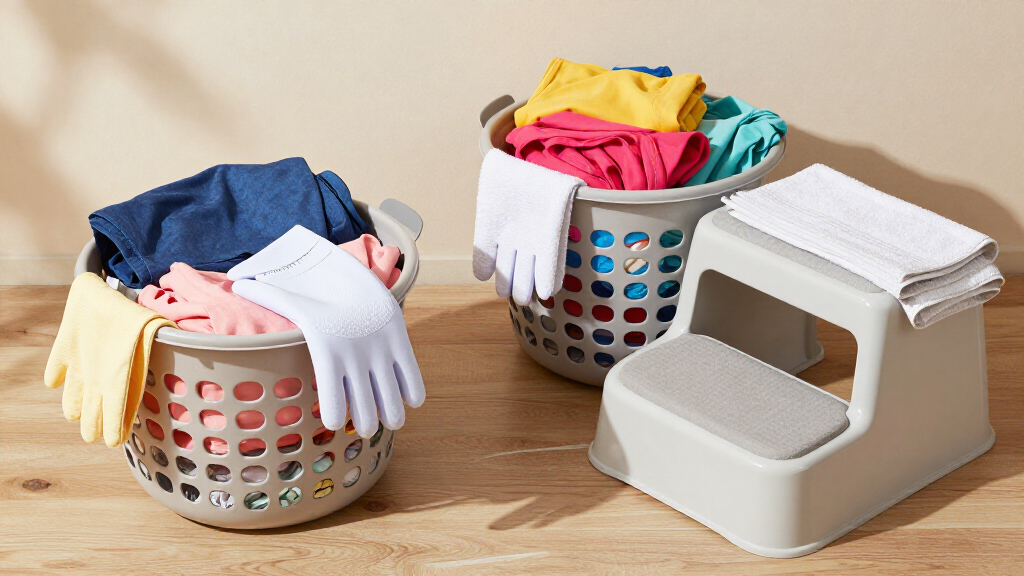
Use several small hampers and carry one manageable batch at a time. Extra trips are usually easier on the body than one overloaded basket.
Stop before the basket blocks your viewChoose wheels or a light basket
A wheeled hamper, laundry cart, or backpack-style bag reduces repeated carrying. Look for low empty weight and broad, comfortable handles.
Keep routes clear and well litHold loads close
Hug the basket against your torso instead of holding it at arm’s length or balancing it on one hip. Face the load and avoid twisting while lifting.
Think: close, steady, supportedRaise low tasks
Place the basket on a stool or machine-height surface. Use a stable approved pedestal, seated loading position, or long-handled tool for light items.
Never sacrifice balance for reachWork at waist height
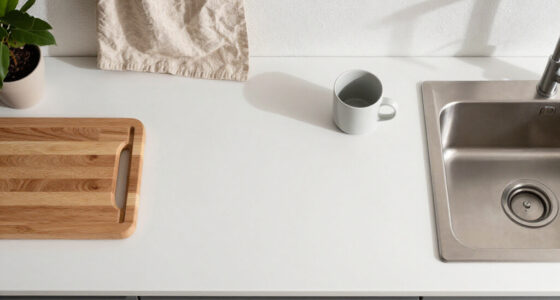
Fold on a counter or standing-height table so your shoulders stay relaxed and elbows remain near your sides—not on a bed, sofa, or floor.
Sit with back and foot support if neededReduce grip and repetition
Try pump detergent, lightweight containers, easy-grip hangers, and cushioned clothespins. Alternate folding, hanging, and putting away.
Pause before discomfort buildsA safer load, from hamper to closet
Set up each stage so the next movement is controlled. The strongest routine is a chain of small, repeatable decisions.
Change position or stop if pain, numbness, weakness, or dizziness develops. Difficult wet blankets and comforters are good candidates for two-person handling or a laundry service.
Keep the effort where your body is strongest
A brief setup moment can prevent an awkward lift. Face the basket, control the weight, and turn with your feet instead of twisting through your spine.
The close-load lift
Use this sequence whenever you must lift a basket. If the load cannot be handled smoothly, split it before moving.
Relative strain exposure
These qualitative bars show how positioning changes the demand on your back and shoulders.
Swap strain points for supportive choices
Focus first on the movements you repeat most often. A safer setup keeps supplies between knee and shoulder height and puts work within comfortable reach.
| Task | Higher-strain setup | Body-friendlier choice | Primary benefit |
|---|---|---|---|
| Transport | ✗ One overloaded basket | ✓ Small load on wheels | Less carrying and fatigue |
| Loading | ✗ Basket placed on floor | ✓ Basket on stool or raised surface | Less bending at back and knees |
| Unloading | ✗ Deep reach while twisting | ✓ Face machine; pivot with feet | Improved spinal alignment |
| Folding | ✗ Bed, sofa, or floor | ✓ Waist-high table or supported seat | Relaxed shoulders and neck |
| Detergent | ✗ Large, stiff pour bottle | ✓ Pump or lightweight container | Reduced grip demand |
| High storage | ~ Frequent overhead reaching | ✓ Daily supplies at easy-reach height | Less shoulder strain |
Choose support for the body you have today
There is no prize for pushing through pain. Adjust the route, tools, work height, and pace to match your strength, balance, mobility, and energy.
Back or hip pain
Reduce floor-level work and twisting while keeping loads light and close.
- Sort in raised, divided hampers.
- Sit for loading and folding when practical.
- Use a grabber only for light items—not heavy wet laundry.
Arthritis or limited grip
Lower the force required to pour, pinch, carry, and operate controls.
- Choose pump detergent and large handles.
- Use lightweight irons and easy-grip clothespins.
- Store detergent pods securely away from children and vulnerable adults.
Limited mobility or balance
Prioritize stable surfaces, accessible storage, and an unobstructed route.
- Use a wheeled hamper and seated workstation.
- Avoid unstable step stools and blocked sightlines.
- Do not carry laundry on stairs while using a cane, walker, or handrail.
Fatigue or chronic illness
Treat energy as a limited resource and spread the job across shorter sessions.
- Wash, fold, and put away at separate times.
- Alternate tasks and take movement breaks early.
- Ask for help with bedding, blankets, and large loads.
Make the load lighter—not your body work harder.
How to Carry Laundry Without Straining Your Back
Carrying heavy laundry loads can turn a simple task into a backache marathon. The key is to keep the load close to your body and lift with your legs, not your back. This technique helps distribute the weight evenly, reducing the risk of injury. For example, a lightweight wheeled hamper allows you to transport laundry without the need to lift heavy loads repeatedly, minimizing strain.
When you do carry, hold the basket against your stomach or hips. Imagine you’re hugging a big, warm loaf of bread—close, steady, and supported. This position keeps your spine in a natural alignment and prevents awkward twisting or leaning, which can lead to muscle strain. Using proper lifting techniques and containers designed for ease of handling can significantly decrease the likelihood of back pain and fatigue, especially important for older adults or those with existing issues.
Why does this matter? Proper lifting reduces the strain on your muscles and joints, helping prevent injuries that could limit your mobility long-term. It also means you expend less energy and experience less fatigue, making laundry less exhausting overall. The tradeoff is that adopting these techniques may require a moment of extra focus but pays off by safeguarding your body’s health and longevity.
As an affiliate, we earn on qualifying purchases.
Use Tools and Furniture to Reduce Bending and Reaching
Reaching into a deep washing machine or bending to fold clothes can cause discomfort or even injury over time. Raising your washer on a sturdy pedestal not only eases the physical effort but also helps prevent back and knee strain by reducing the need to bend or stretch excessively. Sitting on a stool while loading or unloading can further alleviate pressure on your lower back and knees, especially for prolonged tasks.
For reaching high or low, a long-handled laundry tool or a stable step stool makes a significant difference. These ergonomic solutions allow you to access hard-to-reach areas without compromising your posture. For example, a 12-inch step stool with a textured surface provides stability and reduces slips, enabling safer access to top shelves or deep compartments. Using these tools thoughtfully helps maintain proper alignment and reduces the cumulative impact of repetitive bending and reaching, which is especially critical for older adults or those with mobility limitations.
Why is this important? Proper ergonomic tools and furniture help you maintain good posture, which reduces strain on your muscles and joints. Over time, this can prevent chronic pain and degenerative issues. The tradeoff involves investing in these tools upfront, but the benefit is a safer, more comfortable laundry routine that preserves your mobility and reduces injury risk.
As an affiliate, we earn on qualifying purchases.
Create a Comfortable, Waist-High Folding Station
Folding clothes on a table at waist height keeps your shoulders relaxed and reduces strain on your neck and back. This setup encourages proper posture, preventing the awkward bending or hunching that can cause discomfort over time. Think of it as creating a dedicated workspace that promotes ergonomic safety—similar to a country kitchen table, but adjusted to your height.
Setting up a sturdy countertop or foldable table at standing height allows you to sort and fold in a natural, upright position, which preserves your spinal alignment. If sitting while folding, ensure your chair has good back support and your feet are flat on the floor to maintain proper posture. Investing in an ergonomic workspace not only minimizes strain but also makes the task more efficient and less tiring, enabling you to finish laundry with less discomfort and fatigue.
Why does this matter? Properly positioned folding stations help you avoid repetitive strain injuries and muscle fatigue by encouraging good posture. They also make the process quicker and more enjoyable, reducing the temptation to rush or strain to reach awkwardly. The tradeoff is setting up a dedicated space, which may require some rearrangement, but the long-term benefits include improved comfort and sustained mobility.
As an affiliate, we earn on qualifying purchases.
Tips to Protect Your Hands and Reduce Grip Fatigue
Repetitive gripping, pouring, and wringing can cause hand fatigue and discomfort, especially for those with arthritis or limited hand strength. Using lightweight, easy-pour detergent bottles or pump dispensers reduces the effort needed to handle cleaning agents, decreasing strain on your hands. Large, cushioned clothespins or hangers with grips distribute pressure more evenly, lessening the risk of pinched nerves or joint pain.
Why does this matter? Hand fatigue can limit your ability to complete laundry tasks efficiently and increase the risk of joint pain or injury over time. Using ergonomic tools helps preserve your grip strength and dexterity, which are vital for daily activities beyond laundry. The tradeoff may involve trying out different tools to find what feels most comfortable, but the payoff is a safer, less painful laundry experience that supports your independence and hand health.
Imagine the feel of a soft, easy-to-hold handle—less strain, more control. For example, replacing small, stiff clips with ergonomic ones can make hanging clothes less tiring. These tools are designed to require less force, helping maintain grip strength and dexterity. Choosing ergonomic tools and using proper technique can prevent repetitive strain injuries, reduce fatigue, and make laundry tasks more manageable, especially if you’re dealing with arthritis or weakened grip strength.
As an affiliate, we earn on qualifying purchases.
Divide and Conquer: Break Laundry Tasks Into Smaller Batches
Handling smaller loads reduces the weight and effort required at each step, which is especially important for those with limited strength or joint issues. Using multiple small hampers or baskets allows you to manage laundry in stages, making each task less daunting and more controlled. For example, separating whites, colors, and bedding into smaller, manageable piles prevents overload and reduces the risk of muscle strain.
This approach matters because it minimizes the physical stress on your body, especially your back, shoulders, and knees. By reducing load size, you also decrease the likelihood of overexertion, which can lead to injuries or prolonged fatigue. Additionally, taking short breaks between batches helps your muscles recover, preventing discomfort and preserving your energy. The tradeoff is a slightly longer laundry process, but one that is safer and more sustainable in the long run, helping you stay active and healthy over time.
Design Your Laundry Space for Ease and Safety
Keeping frequently used supplies within arm’s reach—roughly between knee and shoulder height—minimizes unnecessary stretching and bending. Storing lighter items higher up reduces the effort needed to lift or reach for them, while heavier items stored lower provide easier access without straining your back or shoulders.
Creating a safe environment involves clear pathways, good lighting, and non-slip mats. For example, a laundry corner with adjustable shelves and a rolling cart allows you to organize supplies efficiently and access them comfortably. Properly arranged storage minimizes awkward movements, prevents trips or falls, and encourages a more ergonomic workflow, which is essential for maintaining safety and comfort during laundry tasks.
Why does this matter? An organized, accessible laundry space reduces the risk of accidents and helps you maintain good posture, preventing strain. It also makes the process more efficient, saving time and energy. The tradeoff may be some initial effort in reorganizing, but the long-term benefits include a safer environment that supports your independence and reduces injury risk.
Best Practices for a Body-Friendly Laundry Routine
Starting with small, accessible hampers for sorting reduces bending and reaching. Using a wheeled cart or lightweight basket to transport loads minimizes lifting effort. When loading or unloading, face the machine and pivot with your feet instead of twisting your torso, which helps protect your spine and reduces strain. Folding at waist height or seated prevents unnecessary bending and keeps your back in a neutral position.
Listening to your body is crucial—if you experience pain or fatigue, pause, change position, and stretch. Incorporating these practices into your routine promotes safety, reduces discomfort, and helps you maintain mobility and strength over time.
Why does this matter? These habits help prevent overexertion and repetitive strain injuries, which can lead to chronic pain or mobility issues. By being mindful and adjusting your movements, you extend your ability to perform laundry independently and comfortably. The tradeoff involves paying closer attention to your body, but the payoff is a longer, healthier ability to handle daily chores without injury or fatigue.
Adapting Laundry Tasks for Specific Needs
If you have back or hip pain, keeping loads small and sitting for most tasks helps prevent aggravating your condition. Using a grabber for light items minimizes bending, but avoid heavy, wet laundry with it to prevent wrist strain or loss of balance. For arthritis, opting for pump dispensers, lightweight containers, and easy-to-grip clothespins reduces hand fatigue and joint stress.
Why is this important? Tailoring your routine minimizes the risk of injury and fatigue, allowing you to continue laundry tasks comfortably and safely. It also encourages independence by removing barriers that could cause pain or strain. The tradeoff is that some modifications may require initial adjustments, but these changes support long-term health and help maintain your daily routines without overexertion.
Smart Laundry Innovations That Ease the Load
Modern appliances increasingly focus on accessibility, offering features like front-facing controls, app notifications, and automatic detergent dispensers that reduce bending, lifting, and pouring. Heat-pump dryers operate at lower temperatures, which not only protect fabrics but also make drying cycles quicker and safer by reducing energy consumption and heat exposure.
Combination washer-dryers eliminate the need to transfer wet laundry, thereby reducing the physical effort involved. Raised, compact units can be installed to minimize bending, making laundry tasks more accessible. These innovations significantly reduce the physical demands of laundry, making the chore safer and more manageable for people of all ages and abilities.
Why does this matter? Embracing these technological advancements can greatly decrease the physical strain during laundry, helping to prevent injuries and fatigue. They also promote independence by simplifying tasks that might otherwise be difficult. The tradeoff may involve initial investment or learning new systems, but the long-term benefits include a safer, more efficient laundry routine that adapts to your needs.
Frequently Asked Questions
How heavy should a laundry basket be?
There’s no one-size-fits-all weight. Lift only what feels safe for your body without straining, holding your breath, or losing balance. If you have any medical restrictions, follow your healthcare provider’s advice on safe lifting limits.
Is it better to push or pull a laundry cart?
Most find pushing easier because it uses body weight and offers better control. However, choose the method that feels safest and most comfortable for your space and mobility—sometimes pulling works better if you need to navigate tight spots.
What’s the safest way to carry laundry upstairs?
Use a small load that doesn’t block your view. Keep one hand free for the railing, wear secure footwear, and take your time. For heavier loads or stairs, consider a stair-climbing cart or asking someone to help.
Are front-loading or top-loading machines easier on the body?
Front-loaders are often easier to access from a seated position and can be raised on pedestals, but they require bending to load. Top-loaders reduce the need to bend but may involve deep reaching. The best choice depends on your height and mobility.
Can a grabber be used to unload a washer or dryer?
Yes, for lightweight or single items, a grabber can help avoid bending. But avoid using it for wet, heavy laundry, as this can strain your wrist or cause balance issues.
Conclusion
Making laundry easier on your body isn’t about doing less — it’s about doing smart. Small adjustments, like raising the laundry basket or sitting while folding, can make a big difference in comfort and safety.
Think of your laundry routine as a gentle country rhythm—slow, steady, and respectful of your body’s needs. With a few simple changes, laundry day can become a task you feel good about, not one that leaves you sore.
Halloween Picks
halloween
As an affiliate, we earn on qualifying purchases.