
TL;DR
Open a free Amazon Business account
Business pricing, bulk buying and tax-exempt orders.
Create a free accountAs an affiliate, we earn on qualifying purchases.
Experts warn that four common gardening mistakes are contributing to increasing aphid infestations. Addressing these errors can help gardeners control pests before they spread widely.
Gardeners are increasingly facing severe aphid infestations, with experts identifying four common mistakes that significantly contribute to these outbreaks. These errors, often unintentional, allow aphids to thrive and spread rapidly, threatening plant health and garden productivity. Recognizing and correcting these practices is crucial for effective pest control.
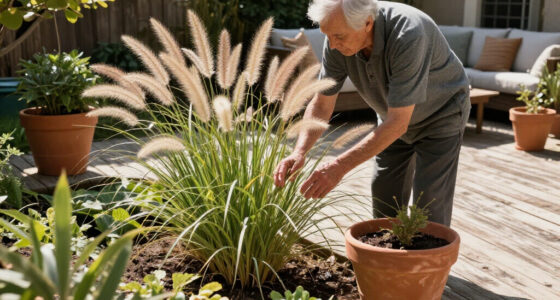
According to horticultural specialists, the four primary mistakes leading to aphid infestations include over-fertilizing with nitrogen, neglecting natural predators, improper pruning, and poor plant selection. Over-fertilization encourages lush, tender growth that aphids favor, while neglecting beneficial insects like ladybugs and lacewings removes natural pest control. Incorrect pruning can create entry points and stress plants, making them more vulnerable. Additionally, planting susceptible species in poor conditions or in overcrowded spaces fosters pest proliferation.
Recent observations from gardening forums and pest management reports show a marked increase in aphid problems, particularly in home gardens during the current season. Experts warn that these mistakes create ideal conditions for aphids to multiply and spread quickly, often overwhelming plants before gardeners realize the problem.
Some gardeners have reported that their efforts to boost plant growth inadvertently attracted more pests, highlighting the importance of balanced fertilization and integrated pest management strategies. The trend indicates a need for increased awareness and education around sustainable gardening practices that prevent pest outbreaks rather than merely treating them after they occur.
Why Addressing These Mistakes Is Critical for Garden Health
Understanding and correcting these common gardening errors is vital because aphids can cause significant damage to plants, including stunted growth, leaf curling, and transmission of plant viruses. Left unchecked, infestations can spread rapidly, leading to reduced yields, aesthetic damage, and increased pesticide use, which may harm beneficial insects and the environment. By adopting better practices, gardeners can reduce reliance on chemical controls, promote healthier ecosystems, and maintain vibrant, productive gardens.
As an affiliate, we earn on qualifying purchases.
Recent Trends in Garden Pest Problems and Growing Awareness
Over the past few years, there has been a noticeable increase in reports of aphid infestations across various regions, coinciding with a rise in gardening activity during recent growing seasons. While the exact cause of the surge remains unconfirmed, experts suggest that widespread gardening, coupled with certain cultural practices, may be contributing factors. The current trend has prompted increased attention from horticulturists and pest management professionals, emphasizing the importance of sustainable and preventative gardening methods.
Historically, aphids have been a common pest, but recent conditions—such as favorable weather patterns and gardening behaviors—appear to be amplifying their impact. The trend signals a need for gardeners to re-evaluate their practices and adopt integrated pest management strategies to mitigate future outbreaks.
garden pest control spray for aphids
As an affiliate, we earn on qualifying purchases.
As an affiliate, we earn on qualifying purchases.
Unconfirmed Causes and Ongoing Research on Aphid Outbreaks
While the link between specific gardening mistakes and increased aphid infestations is widely suspected, definitive scientific studies confirming causation are still pending. Researchers are investigating whether environmental factors, plant varieties, or other cultural practices also play significant roles. It is not yet clear how much each factor contributes to the current spike in aphids, and whether new pest control methods will be needed.
beneficial insects for pest management
As an affiliate, we earn on qualifying purchases.
As an affiliate, we earn on qualifying purchases.
Next Steps for Gardeners and Pest Management Strategies
Gardeners are advised to review their practices, especially regarding fertilization, pruning, and plant selection. Experts recommend adopting integrated pest management techniques, including encouraging natural predators, using organic controls, and practicing proper plant care. Ongoing research aims to clarify the causes of the recent surge and develop more targeted, sustainable solutions. Monitoring pest levels closely and acting early remain key to preventing widespread damage.
low nitrogen fertilizer for vegetables
As an affiliate, we earn on qualifying purchases.
As an affiliate, we earn on qualifying purchases.
Key Questions
What are the four common mistakes that lead to aphid infestations?
The four mistakes include over-fertilizing with nitrogen, neglecting natural predators, improper pruning, and poor plant selection or placement.
How can I prevent aphid infestations in my garden?
Use balanced fertilization, encourage beneficial insects, prune correctly, and select resistant plant varieties to reduce the risk of aphid problems.
Are chemical pesticides necessary to control aphids?
Not always. Integrated pest management emphasizes natural predators and organic methods, though chemical controls may be used if infestations become severe. Consult local extension services for guidance.
Why are aphids becoming more of a problem recently?
While definitive causes are still under investigation, increased gardening activity and certain cultural practices may be creating favorable conditions for aphids, contributing to their recent surge.
What plants are most susceptible to aphids?
Many common garden plants, including roses, tomatoes, and beans, are susceptible. Proper care and early intervention can help protect these plants.
Source: rss
College move-in / dorm season Picks
dorm essentials
As an affiliate, we earn on qualifying purchases.