
TL;DR

Turn quiet afternoons into listening time
- Thousands of audiobooks, podcasts and originals
- Listen on your phone, tablet or Echo — also offline
- Cancel anytime
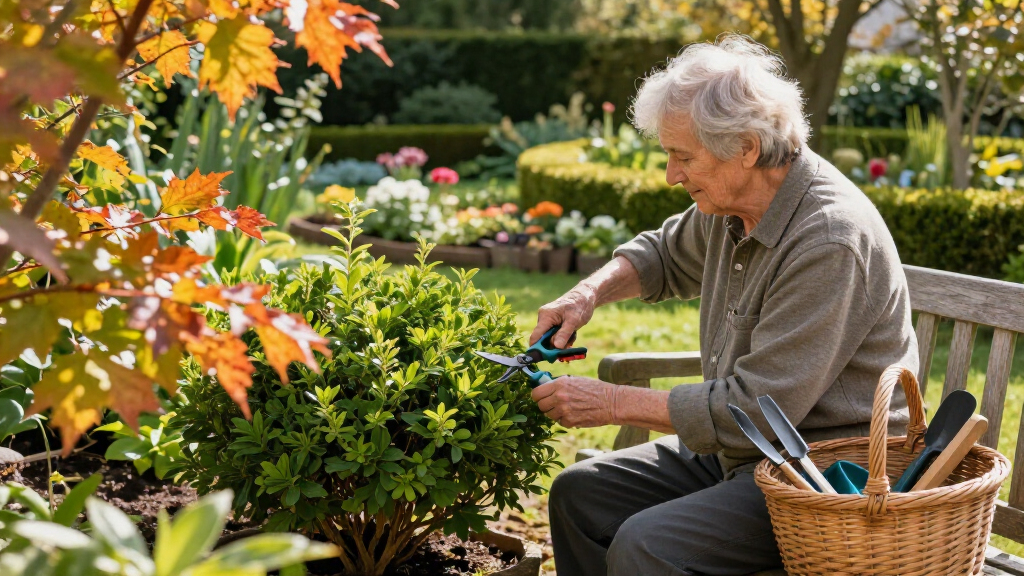
Garden experts recommend pruning six specific plants in September to promote a tidy, healthy fall garden. Proper pruning now can improve plant health and appearance for the upcoming season.
Gardening experts advise homeowners to prune six specific plants in September to prepare their gardens for fall, promoting tidiness and plant health. This seasonal maintenance can help prevent disease, encourage new growth, and improve overall garden appearance.
According to horticultural sources, six plants—roses, hydrangeas, ornamental grasses, fruit trees, viburnum, and spirea—should be pruned during September to optimize their health and appearance for the upcoming season. Proper pruning involves removing dead or diseased wood, shaping the plants, and cutting back overgrown branches, which can help prevent pest infestations and disease spread.
Experts emphasize that timing is critical: pruning too early or too late can hinder plant recovery or lead to damage. For example, roses and hydrangeas benefit from light shaping now, while more extensive pruning of fruit trees should be done before the onset of winter dormancy. Gardeners are advised to use clean, sharp tools to make precise cuts and to follow specific techniques tailored to each plant type.
Why September Pruning Matters for Garden Health
Pruning in September is a key step in maintaining a healthy, attractive garden. Properly timed cuts can reduce the risk of disease, improve air circulation, and promote vigorous growth in spring. Additionally, tidying up plants enhances garden aesthetics and can make future maintenance easier. This advice aligns with standard horticultural practices aimed at supporting plant resilience through seasonal transitions, which is increasingly relevant as gardeners seek sustainable, low-maintenance landscapes.
Products Worth Considering

EVERECO Polycarbonate Greenhouse Panels, 8 ft × 4 ft × 0.24 in, 6-Pack

EGO POWER+ HT2600 26-Inch Cordless Hedge Trimmer (Battery and Charger Not Included)

VEVOR Walk-In Tunnel Greenhouse with Watering System, 15 x 7 x 7 ft
As an affiliate, we earn on qualifying purchases.
Seasonal Garden Maintenance Trends and Advice
Interest in seasonal garden maintenance has risen recently, with many gardening outlets and forums emphasizing fall pruning as a way to prepare plants for winter and ensure a vibrant spring display. Traditionally, pruning is done in late winter or early spring, but September pruning has gained popularity for specific plants, especially in regions with mild climates. The current advice reflects a broader trend towards proactive garden care, although some experts caution that timing and technique vary by plant and local climate conditions.
While the focus on six key plants is consistent with established horticultural guidance, the specific recommendations for September pruning are based on general best practices rather than new scientific studies. It remains unclear whether this trend will lead to measurable improvements in plant health or garden appearance across diverse environments.
Unclear Impact of September Pruning on Long-Term Plant Health
While experts recommend September pruning for certain plants, there is limited scientific evidence confirming its long-term benefits. The effectiveness of this timing may vary depending on local climate, plant species, and individual garden conditions. It is also unclear whether this practice will significantly reduce disease or improve flowering in all cases, as some sources suggest that late summer pruning might stress certain plants if not done correctly.
Further research is needed to establish definitive guidelines, and some gardeners remain cautious about adopting September pruning universally.
Next Steps for Gardeners Considering September Pruning
Gardeners are encouraged to follow specific pruning techniques tailored to each plant type and local climate. Consulting regional horticultural resources or local extension services can provide more precise timing and method advice. As the trend gains traction, more gardeners may experiment with September pruning, observing its effects on plant vigor and garden aesthetics.
Ongoing monitoring of plant responses and sharing experiences within gardening communities will help refine best practices. Additionally, gardeners should prepare for potential adjustments based on weather conditions and plant health status.
Key Questions
Which plants should I prune in September?
Experts recommend pruning roses, hydrangeas, ornamental grasses, fruit trees, viburnum, and spirea during September for optimal fall garden preparation.
Why is September a good time for pruning?
September pruning helps remove dead or diseased wood, shapes plants before winter, and encourages healthy growth in spring. Timing varies by plant type and climate.
Are there plants I should avoid pruning now?
Yes, some plants, such as certain flowering shrubs that bloom on old wood, should be pruned after their flowering period or in late winter to avoid cutting off next year’s buds.
What tools should I use for pruning?
Use clean, sharp pruning shears or saws to make precise cuts. Disinfect tools before use to prevent disease transmission between plants.
Does pruning in September guarantee a better garden next year?
While proper pruning can improve plant health and appearance, it is not a guarantee of a perfect garden. Other factors like soil health, watering, and climate also play crucial roles.
Source: rss