
TL;DR

Turn quiet afternoons into listening time
- Thousands of audiobooks, podcasts and originals
- Listen on your phone, tablet or Echo — also offline
- Cancel anytime
Robot vacuums handle country dust and pet hair well, especially with frequent runs and proper maintenance. They’re best as a daily boost, not a complete replacement for manual cleaning, especially on tricky surfaces.
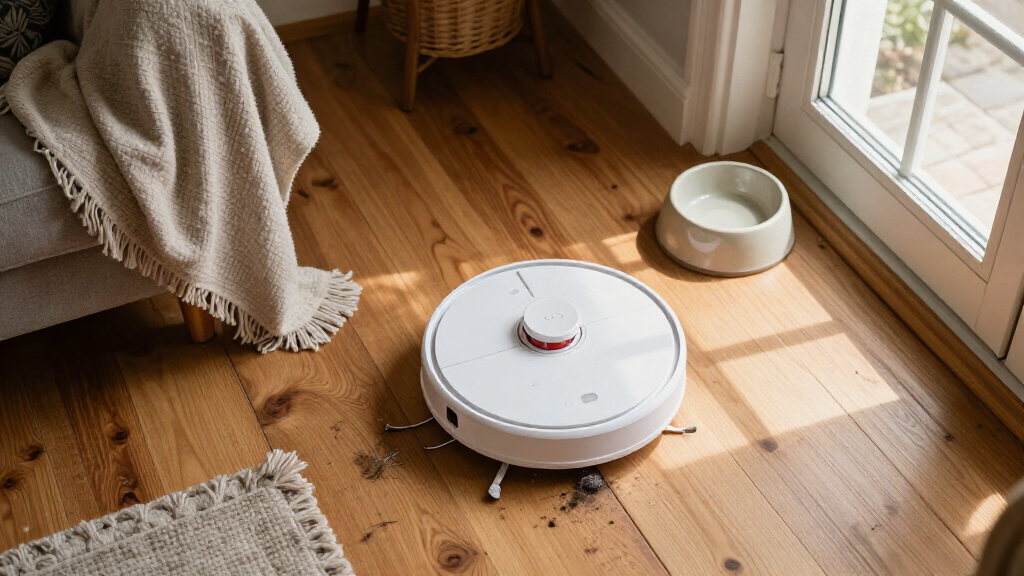
Picture your country home: the soft sun filtering through windows, the scent of fresh earth lingering in the air, but with it comes a steady influx of dirt, pet hair, and dust. It’s a cozy scene, but the buildup can be relentless. Knowing how robot vacuums handle this kind of demanding environment changes the game.
In this guide, you’ll learn exactly how these clever machines manage the unique debris of country living. From pet hair to fine dust, we’ll explore what works, what doesn’t, and how you can make your robot vacuum perform at its best. If you want a cleaner, fuss-free home that keeps up with your country lifestyle, read on.
Choose a robot with anti-tangle brushes and a sealed HEPA filter for best pet hair and dust control.
Schedule daily runs in pet areas and entrances to prevent heavy buildup before it starts.
Manual removal of mud, hay, and large debris before robot cleaning extends its life and improves performance.
Use high-tech obstacle detection and mapping features to navigate uneven, cluttered country spaces more safely.
Regular maintenance—like cleaning brushes and filters—is key to long-term success in demanding rural environments.
How Robot Vacuums Handle Country-Home Dust and Pet Hair
Robot vacuums can control the relentless mix of tracked-in soil, pollen, grit, and shedding hair—provided they run frequently, use the right brush and filtration systems, and receive regular maintenance. Think of them as a daily defense layer, not a total replacement for manual cleaning.
Why country floors are harder
Country dust is rarely one simple material. Fine pollen, sand, dried mud, plant fragments, pet undercoat, and larger debris arrive together—then meet thresholds, uneven boards, deep grout, loose rugs, and wide rooms.
Dust, pollen, and ash
Fine material loads filters quickly. Dust and pollen are manageable with effective sealing; wood-stove ash is too fine and should not enter the robot.
Hair, hay, and straw
Hair wraps around roller ends, axles, and wheels. Long or rigid plant pieces may bridge the intake or jam the brush system.
Stone, rugs, and thresholds
Uneven surfaces weaken the suction seal. Thick transitions and deep-pile rugs can trap the robot or produce inconsistent pickup.
| Debris or condition | Performance | Main concern |
|---|---|---|
| Pet hair on hard floors | Hair still gathers around brush ends and wheels. | |
| Pet hair in low-pile carpet | Embedded undercoat may need a conventional vacuum. | |
| Fine dust and pollen | Filter loading and leakage from an unsealed dust path. | |
| Sand and dry soil | Accelerated wear on brushes, wheels, and filters. | |
| Dried mud crumbs | Large pieces may block the intake. | |
| Hay, straw, leaves, or twigs | Long and rigid pieces can jam rollers. | |
| Uneven stone and wide grout | Lost suction seal and unstable movement. | |
| Deep-pile rugs | Tangles, reduced pickup, or immobilization. | |
| Pet food and litter | Large kibble may jam; litter can scatter. | |
| Wet mud or liquids | Smearing and internal contamination. | |
| Wood-stove ash | Ultra-fine particles can escape or damage the machine. |
Choose systems, not headline suction
Manufacturer suction figures are not always directly comparable. Real pickup depends on airflow, floor-head sealing, brush contact, navigation, and how consistently the robot covers the room.
Rubber, removable, anti-tangle
Rubber rollers and built-in combs usually need less hair cutting than bristles. Still inspect roller ends and axles, where long hair and dense undercoat can collect.
Sealing matters as much as the filter
A high-efficiency filter captures fine particles only after they reach it. “HEPA-style” does not guarantee a fully sealed machine or a formal HEPA standard.
Systematic maps beat wandering
LiDAR and other mapping systems generally cover large homes more methodically. Multi-floor maps help, although the robot usually must be carried between levels.
Self-emptying reduces the burden
A dock is valuable during shedding season. Bagged docks generally contain dust better, but hair can still clog the evacuation port or dock airway.
Obstacle detection is a safeguard, not a guarantee. Cameras and structured-light sensors can recognize cords, bowls, and some pet waste, but the floor should still be checked before an unattended run.
Where robots earn their keep
The strongest use case is frequent, preventive cleaning on accessible floors. Performance declines as debris becomes wet, bulky, deeply embedded, or difficult to traverse.
Reliable results come from a connected routine
Remove hazards
Clear wet mud, long straw, cords, toys, and oversized debris.
Map priority zones
Focus on doors, food bowls, kitchens, and pet resting areas.
Run frequently
Daily or near-daily cleaning stops hair and grit from building up.
Maintain the robot
Clean filters, rollers, wheels, sensors, and charging contacts.
Deep-clean manually
Address thick rugs, corners, stairs, and deeply embedded hair.
Maintenance is part of performance
A neglected premium robot can perform worse than a simpler, well-maintained one. Adjust the routine during heavy shedding, pollen peaks, dry summers, and muddy winters.
Prepare and inspect
- Remove moisture and bulky debris.
- Check for pet accidents and loose cords.
- Confirm that thresholds and rugs are passable.
Clear the airflow path
- Empty the bin or inspect the dock airway.
- Remove hair from roller ends and wheels.
- Check the intake for straw or compacted dust.
Restore full capability
- Clean or replace filters as directed.
- Wipe sensors and charging contacts.
- Replace worn brushes before pickup declines.
Excellent helper. Incomplete replacement.
Choose anti-tangle brushes, a well-sealed high-efficiency filtration path, systematic mapping, and enough bin capacity. Run the robot often, remove dangerous debris first, and keep a conventional vacuum ready for deep pile, stairs, stubborn undercoat, and seasonal heavy cleaning.
What Makes Country Dust and Pet Hair Hard for Robots?
Country dust isn’t just dirt—it’s a complex mixture of fine particles, sand, dried mud, and plant debris. Pet hair adds another layer of challenge, especially with long-haired dogs or cats shedding year-round. These elements can clog filters, wrap around brushes, and jam intake ports.
Unlike urban homes with predictable debris, country homes often have uneven floors, thresholds, and open spaces that can trip up some robots. Think of a dusty hallway with a deep stone threshold or a living room cluttered with pet toys and scattered litter. These obstacles demand a robot with smart navigation and adaptable cleaning systems.
For example, a rural farmhouse with a porch entryway often sees a mix of fine pollen, loose hay, and stubborn mud. The robot must handle this variety without frequent manual intervention. It’s a demanding environment—so understanding what makes it tough helps you pick the right machine and keep it running smoothly.
robot vacuum with HEPA filter for pet hair
As an affiliate, we earn on qualifying purchases.
As an affiliate, we earn on qualifying purchases.
How Well Do Robot Vacuums Actually Pick Up Dust and Hair?
Most robot vacuums are surprisingly good at handling pet hair on hard floors. Rubber rollers and anti-tangle brushes are designed to reduce hair wrapping, which is a common frustration with traditional brushes. This design choice is significant because it directly affects how often you need to manually untangle or clean the brushes, saving you time and effort. For instance, on a typical kitchen tile with scattered pet hair, a good model can clear most hair in a single pass, making daily maintenance easier.
In low-pile carpets, models with stronger suction and better brush systems can lift embedded hair, which is crucial because pet hair often settles deep into fibers. But dense undercoats or deep pile rugs often require a traditional vacuum for a thorough clean, since robot vacuums may struggle to reach the deepest layers. Dust and pollen are generally well managed if the filtration system is sealed and includes high-efficiency filters, like HEPA-style units, because these filters trap fine particles that can otherwise be recirculated into your indoor air. This is especially important in rural settings where pollen and plant debris are abundant.
Sand, dry soil, and dried mud are usually manageable—once dried. But large mud clumps or wet mud are a no-go; smearing and internal damage can occur if the robot encounters moisture or wet debris. For example, after a rainy day, a robot can pick up dried mud and loose soil, but should avoid fresh, wet mud or thick straw in the barnyard, as these can clog or damage the machine. Recognizing these limitations helps you prevent costly repairs and ensures your robot operates efficiently.
Below is a quick comparison of common debris and how robots handle them:
robot vacuum for country home dust
As an affiliate, we earn on qualifying purchases.
As an affiliate, we earn on qualifying purchases.
Smart Features That Keep Pet Hair and Dust Under Control
In country homes, having a robot with specific features makes a real difference. Anti-tangle brush systems—like rubber rollers with combs—cut down on hair wrapping, which is a common issue that can reduce cleaning effectiveness and require manual intervention. Self-emptying docks are a lifesaver during shedding seasons, significantly reducing the frequency of emptying the bin and making maintenance less of a chore. These features are especially valuable in rural settings where manual cleaning can be more time-consuming.
Object recognition helps prevent the robot from running over bowls or cords, and room-specific schedules keep pet zones clean without wasting energy. For example, setting a daily run around the feeding area prevents hair and food debris from accumulating, especially when your dog loves to shake or roll after meals. This targeted approach ensures that high-traffic pet areas stay cleaner longer, reducing the overall load on your vacuum.
Remember, though, no robot is perfect at avoiding pet waste. Cameras and obstacle detection can help, but always inspect the floor before unattended cleaning—especially if you have puppies or sick pets. The right mix of technology and regular manual checks keeps everything running smoothly. Understanding these features and limitations allows you to optimize your robot’s performance and avoid unexpected issues.
best robot vacuum for uneven surfaces
As an affiliate, we earn on qualifying purchases.
As an affiliate, we earn on qualifying purchases.
Limitations You Need to Know Before Relying on Your Robot
Despite advances, robot vacuums have their limits. Stairs, high thresholds, and cluttered corners often stop them in their tracks, especially if the navigation system isn’t sophisticated enough to handle uneven terrain. Thick rugs or uneven stone floors can cause them to get stuck or lose suction, which not only hampers cleaning but can also lead to mechanical stress or damage. Large chunks of fur or debris like straw can jam the intake or damage brushes—these are common issues in rural environments with lots of loose hay or animal bedding.
Wet mud, ash, or liquids are strictly off-limits—they can damage internal parts and smear across your floors, leading to more work. For instance, trying to vacuum fresh mud from a porch might seem easy, but it can clog filters or cause internal damage, resulting in costly repairs or downtime. Recognizing these limitations helps you prevent damage and plan manual cleaning for tough messes, saving you money and frustration.
Battery life also matters. Large homes or big messes mean multiple runs or models with recharge-and-resume features. Remember: these machines are excellent helpers but not replacements for manual cleaning on tough surfaces or heavy debris, especially in environments where manual intervention is often necessary to maintain cleanliness and equipment longevity.
robot vacuum with anti-tangle brushes
As an affiliate, we earn on qualifying purchases.
As an affiliate, we earn on qualifying purchases.
Recent Tech That Makes Country Cleaning Easier
Newer robot vacuums come with smarter obstacle detection—cameras, structured light, and machine learning help identify furniture, cords, and pet waste better than ever. Some models now map multiple floors, so you can manage a large home with ease, reducing the need for manual repositioning and ensuring thorough coverage. These advancements mean fewer missed spots and less risk of accidents or damage.
Anti-tangle systems, like split rollers and combs, reduce hair wrapping, especially important with shedding pets. Self-emptying stations are becoming more common, letting you forget about bin emptying for days or weeks—saving you time and reducing exposure to dust and allergens. Edge cleaning has improved with longer side brushes and mop pads that reach closer to walls and furniture legs, ensuring more thorough dirt removal in tight spaces. Some models even lift or disable mopping when detecting carpets, protecting your rugs from excess moisture and potential damage.
All these improvements aim to cut down daily fuss and let you enjoy country life with less worry about dust and pet hair buildup. They represent a significant step forward in making robot vacuums more adaptable and effective in challenging rural environments.
Picking a Robot Vacuum That Handles Your Country Home’s Dirt
Prioritize features that match your home’s specific needs over pure suction power. Look for models with proven hard-floor and carpet pickup, anti-tangle brushes, reliable navigation, and a sealed, high-efficiency filter system. These features ensure your robot can handle the variety of debris typical in rural homes, from soil to pet hair.
Consider a self-emptying dock if you have shedding pets or a large area, as this reduces maintenance and keeps your home cleaner longer. Check thresholds and rug types to ensure your robot can handle the terrain, especially if you have uneven surfaces or thick mats. And don’t forget repairability—easy access to parts and good support extends your robot’s lifespan and ensures it remains effective over time.
For example, if your farm has a lot of loose hay and dried mud, choose a model with strong obstacle recognition and good clearance for thresholds. If your main concern is pet hair, rubber rollers and large bins are worth prioritizing because they minimize hair wrapping and maximize capacity. Balancing these features with your specific environment ensures you get the best value and performance.
Simple Tips to Get the Most Out of Your Robot in a Rural Setting
Start with a good setup: place durable mats at entrances and clear clutter from the robot’s route. Dry mud and large debris should be manually removed before running the machine to prevent jams and damage. Regularly inspect brushes and wheels, and clean filters to maintain suction and cleaning efficiency. Scheduling frequent runs in pet zones and entrances—daily if possible—helps prevent heavy buildup, reducing the need for manual cleaning and extending the robot’s lifespan. Keep cords, lightweight bowls, and toys out of the way to prevent jams and entanglements. Use traditional vacuums periodically for edges, upholstery, and heavy debris that your robot can’t handle alone. Remember, a little extra manual effort saves the robot from damage and keeps your home shining brighter, with less fuss and more country charm.
Frequently Asked Questions
Can a robot vacuum replace a normal vacuum in a country home?
Not entirely. It’s excellent for maintaining floors between deep cleans, especially on hard surfaces and low-pile carpets. However, stairs, upholstery, deep carpets, and heavy debris still need manual vacuuming or sweeping. Think of it as a helpful assistant, not a full replacement.
Are robot vacuums good for heavy-shedding dogs?
Yes, run daily, and you’ll see a big difference. Choose models with anti-tangle rollers and self-emptying docks. Expect to check brushes and wheels weekly, especially during shedding season, but overall, they keep pet hair under control without much fuss.
Which is better for pet hair: rubber or bristle rollers?
Rubber rollers tend to trap less hair, making them easier to maintain. But pickup performance depends on the entire system, including suction power and brush design. For country homes with lots of pet hair, rubber rollers are often the more practical choice.
How much suction do I really need?
Suction ratings alone are misleading. It’s more useful to look at independent pickup tests and overall design—like airflow, brush quality, and filtration—since these determine real-world cleaning ability, especially on pet hair and fine dust.
Will a robot pick up sand and small stones?
Most can handle dry sand and soil, but larger stones, twigs, or mud should be removed manually. These can jam the intake or damage brushes, especially if they’re thick or heavy.
Conclusion
In a country home, a robot vacuum is more than a gadget—it’s an ally against daily dirt, pet hair, and dust. The key is choosing a model with the right features and giving it regular attention. With a little setup and routine care, you’ll enjoy cleaner floors, less fuss, and more time to savor country life.
Imagine your home, dust-free and cozy, with your robot quietly doing the hard work. It’s a simple, satisfying addition to a life filled with fresh air, warm sun, and the comforting hum of a well-tended home.
Cold & flu season Picks
humidifiers
As an affiliate, we earn on qualifying purchases.